Tight hips can make every workout feel harder than it should. If you've ever felt stiff before a run or a leg day, a leg swing exercise might be exactly what's missing from your routine.
In this guide, I'll show you how to do leg swings the right way. You'll learn the correct form, different variations to try, and the real benefits behind this simple move.
I'll also cover common mistakes that block results, plus tips to get more out of every swing.
I've used this move in my own warm-ups for years, and it still makes a real difference. By the end of this post, you'll know exactly how to add leg swings to your routine and start moving better.
What Is a Leg Swing Exercise?

A simple warm-up move where you swing one leg in a controlled motion to loosen your hips and legs before training.
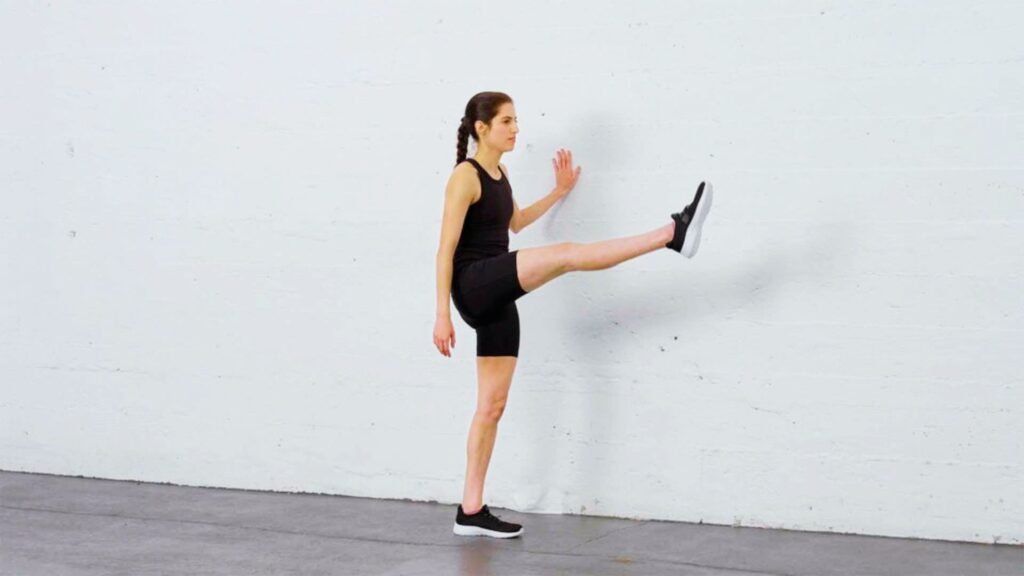
A leg swing exercise is a dynamic stretch, not the kind where you hold a pose and wait. You stand on one leg and swing the other leg back and forth or side to side.
It looks basic, but it does a lot of work behind the scenes.
This move gets blood flowing to your hip joints. It also wakes up muscles you're about to use, like your hip flexors, hamstrings, glutes, and groin muscle. Your core kicks in too, since you're balancing on one leg the whole time. Runners, lifters, and athletes use it before almost every workout.
You don't need equipment. You just need a little space and a wall or chair if you want extra support.
When to Be Careful With Leg Swings
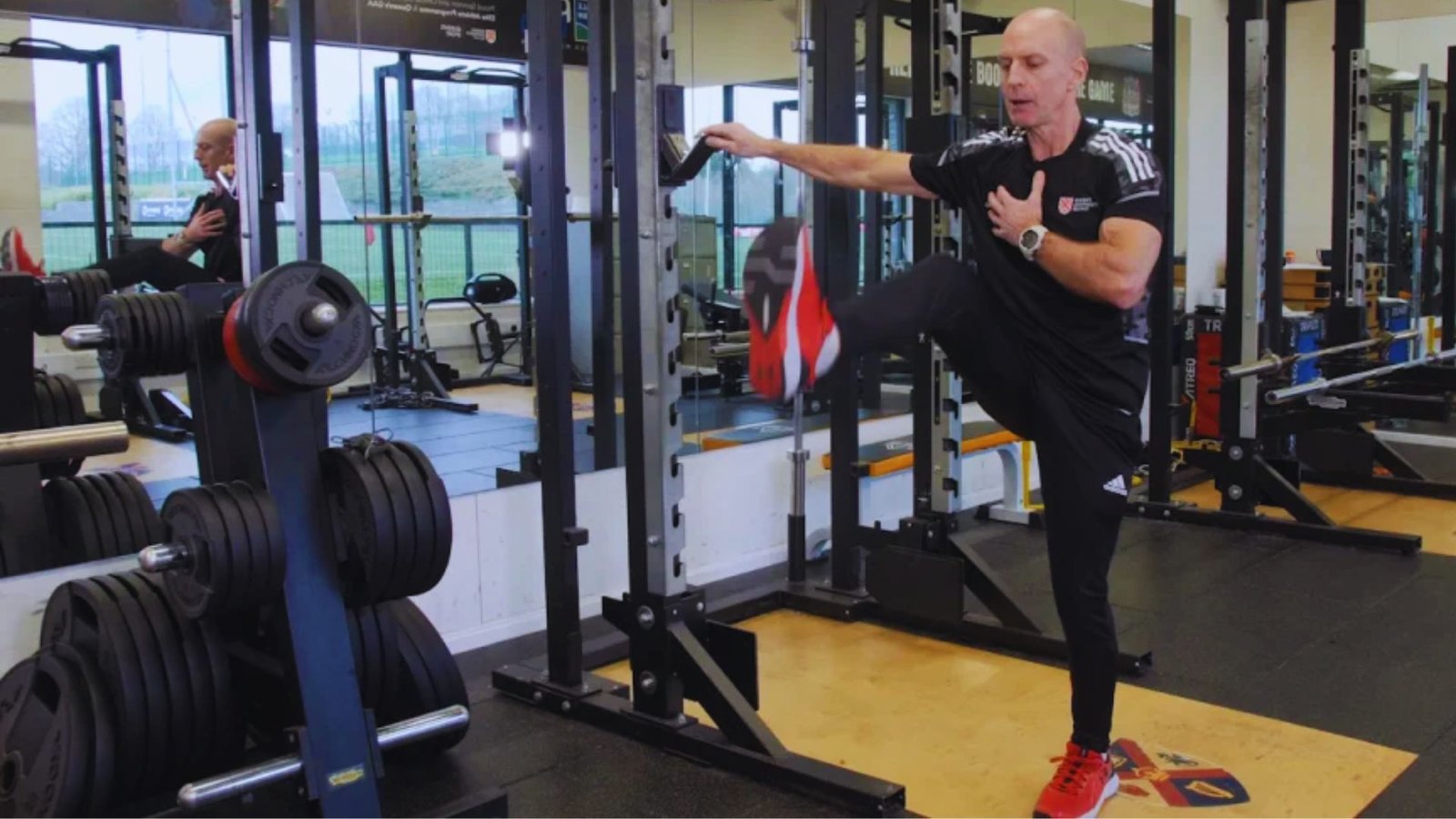
This move is low risk for most people, but it isn't right for everyone every day.
Skip it or go easy if you have a recent hip or back injury, a balance disorder, or you're early in recovery from knee surgery. Sharp pain of any kind, not just tightness, is a sign to stop.
If you're not sure, a quick check with a doctor or physical therapist before you start is a smart move, especially if you're returning from an injury.
How to Do a Leg Swing Exercise Correctly

Follow these steps to swing with good form, proper breathing, and the right pace for real results.
Starting Position
Stand tall with your feet hip-width apart. Keep your core tight and your chest up. If you want support, place one hand on a wall or the back of a chair.
Shift your weight onto one leg. This will be your standing leg for the first set. Keep a slight bend in that knee so you don't lock it. Standing on one leg like this trains your balance at the same time it loosens your hips.
Relax your shoulders and look straight ahead. Good posture here sets up the whole movement.
Step-by-Step Instructions
Lift your free leg a few inches off the ground. Swing it forward, keeping your knee soft, not stiff.
Let it swing back naturally. Don't force the height. Let your hip control the motion, not your lower back. This also warms up your ankles and feet, so your whole lower body gets ready together, not just your hips.
Repeat this swing for the number of reps you plan to do, then switch legs. Keep your movements smooth from start to finish.
Proper Form and Breathing
Breathe out as your leg swings forward. Breathe in as it swings back. This keeps your rhythm steady and your core engaged.
Keep your torso still. Your hips do the moving, not your shoulders or spine. If your upper body starts swaying, slow down.
Avoid holding your breath. It tightens your muscles and makes the movement feel harder than it needs to be.
Recommended Sets and Reps
Most people do 2 to 3 sets of 10 to 15 swings per leg. This is enough to loosen the hips without tiring you out before your workout.
If you're using leg swings as a warm-up, keep the pace light. Save the bigger effort for your actual training session.
Leg Swing Exercise Variations
Try these five variations to target different muscles and movement patterns in your hips and legs.
Front to Back Leg Swing Exercise

This is the classic version. You swing your leg forward and backward in a straight line, like a pendulum. It targets your hip flexors, hamstrings, and glutes together.
Keep your standing leg steady. Your swinging leg should move smoothly and controlled, not jerky.
This variation works well before running or lower-body strength training.
Side to Side Leg Swing Exercise

Here, you swing your leg across your body and then out to the side. This targets your inner and outer thighs, working the hip abductors and adductors that don't get much attention otherwise.
Keep your hips facing forward the whole time. Only your leg should move side to side, not your whole body.
This version helps with lateral movements used in sports like basketball or soccer.
Standing Leg Swing Exercise

This is done without any wall or support. It challenges your balance more than other versions.
You rely fully on your standing leg and core to stay steady. This makes it a good test of how well your body senses its own position in space, not just how flexible your hips are.
Try this once you feel confident with the supported versions.
Dynamic Leg Swing Exercise Support Wall

Using a wall gives you extra balance. Place one hand flat on the wall and swing your leg with more control.
This version is great for beginners, and it's also a smart choice if you're coming back from a minor injury or balance issue. It lets you focus on the swing itself instead of worrying about falling over.
You can also use this variation when working on a bigger range of motion.
Hip Mobility Leg Swing Exercise

This variation focuses purely on opening up the hip joint. You move slower and go through a fuller range with each swing.
It works well as part of a mobility routine, not just a warm-up. Physical therapists often use a version of this move for hip rehab.
Common Leg Swing Exercise Mistakes
Avoid these five mistakes to keep your leg swings safe, effective, and easy on your joints.
Even a simple move like this can go wrong if you rush it or lose focus on form. Here are the mistakes to watch for.
- Swinging Too Fast: Moving too quickly reduces control and raises your injury risk. Slow down and focus on smooth motion.
- Arching the Lower Back:Letting your back bend to add height to the swing puts strain on your spine. Keep your core tight instead.
- Twisting the Torso: Rotating your upper body to help the leg swing higher takes tension off your hips, where it belongs.
- Locking the Standing Knee: A locked knee reduces stability and can strain the joint. Keep a slight bend at all times.
- Forcing the Range of Motion: Pushing your leg higher than your hips allows leads to poor form and possible strain. Let your flexibility improve naturally.
Most of these mistakes come from the same root cause: trying to force a bigger swing before your body is ready for it. Slow down, and the next tips will help you build range the right way.
Leg Swing Exercise Benefits

This move improves hip mobility, flexibility, balance, and muscle activation while prepping your body for harder workouts.
Improves Hip Mobility
Your hips need to move freely for almost every lower-body exercise. Leg swings train that range of motion directly, and they do it while your body is upright and moving, which is closer to how your hips actually work during a workout.
Over time, this can make squats, lunges, and running feel smoother. Stick with it for a few weeks and you'll likely notice less stiffness getting into a deep squat.
Increases Dynamic Flexibility
Unlike static stretching, where you hold a position and wait, leg swings stretch your muscles while they're moving.
This type of flexibility carries over better into sports and workouts, since almost nothing you do in real life or training happens from a held position.
Your muscles learn to stretch and contract at the same time. That's a skill static stretching alone doesn't teach.
Activates the Lower-Body Muscles
Leg swings wake up your glutes, quads, and hip flexors. This activation helps these muscles fire better once your workout starts, instead of feeling slow to respond on your first few reps of squats or lunges.
Think of it as flipping the switch on your lower body before you ask it to do heavy work.
Enhances Balance and Stability
Standing on one leg while the other swings forces your core and standing leg to work hard. This builds balance over time, and it's not just useful in the gym.
That same single-leg control helps with everyday moves like climbing stairs, stepping off a curb, or catching yourself if you trip.
Balance work like this becomes even more valuable as you get older, since falls become a bigger risk with age.
Helps Prepare the Body for Exercise
Leg swings raise your heart rate slightly and get blood moving to your muscles. A good warm-up widens your blood vessels so oxygen reaches your muscles faster, which is a big part of why a warmed-up body performs better than a cold one.
A short warm-up like this can lower your risk of strains and pulls during your main workout, especially in the hips and hamstrings.
Tips to Get the Most from Your Leg Swing Exercise
These five tips help you use leg swings more effectively as part of your regular training routine.
- Perform It Before Lower-Body Workouts: Use leg swings right before squats, lunges, or running to prep your hips and muscles.
- Pair It with Other Dynamic Moves:Combine leg swings with hip circles or high knees for a fuller warm-up that covers more of your lower body.
- Increase Range of Motion Gradually:Don't chase a bigger swing right away. Let your range grow over weeks, not days.
- Stay Consistent for Better Mobility: Doing this move regularly, not just once in a while, is what actually improves your hip mobility long term.
- Protect Your Low Back with Control:Tight hips often push your lower back to compensate and pick up the slack. Move slow through each swing and let your hip lead the motion, not your spine, and your back won't have to work overtime.
Conclusion
I still remember how stiff my hips felt before I started adding leg swing exercise moves to my warm-up. A few weeks in, my squats felt smoother and my knees stopped feeling cranky.
Give it a try before your next workout. Your body will thank you.
Try the leg swing exercise today and see how your hips feel after just one week. Drop a comment and tell me how it goes.
Share this post with a friend who needs a better warm-up. If you want to round out your warm-up routine, check out our guides on hip circles and dynamic stretching for more simple ways to move better.
Frequently Asked Questions
How long should I do leg swings before a workout?
Around 1 to 2 minutes per leg is enough. This gives your hips time to loosen up without tiring your muscles before training.
Can leg swings help with lower back pain?
They can ease tightness linked to stiff hips, since tight hips often force your lower back to compensate. Loosening the hips takes some of that load off your back. Check with a doctor if pain persists.
Are leg swings safe for beginners or older adults?
Yes, especially with wall support. Start with smaller movements and fewer reps, then build up range and speed over time. If you have a balance disorder or a recent injury, check with a doctor first.
Can I do leg swings every day?
Yes, daily leg swings are safe for most people. They work well as a quick mobility routine, not just a pre-workout warm-up.