Most people train their core in one direction. Forward and back. That is the problem.
The wood chop exercise fixes this by training your body through a diagonal, rotational path that real life actually demands.
It is a full-body compound move that builds the kind of core strength you feel in sports, in the gym, and in everyday life.
In this article you will learn what the wood chop is, which muscles it works, and how to do it with proper form.
I also cover the top benefits, common mistakes to avoid, and 7 variations to keep your training fresh and effective.
If you are ready to train smarter and build a stronger core, you are in the right place.
What Is the Wood Chop Exercise?

The wood chop is a full-body compound movement that mimics swinging an axe. You pull a weight diagonally across your body, either high to low or low to high, in one smooth controlled motion.
It trains your body the way real life demands, through lifting, rotating, and transferring force from the ground up.
You can do it with a cable machine, dumbbell, kettlebell, resistance band, or medicine ball. It is simple, effective, and works for almost any fitness level.
If you want functional strength that carries over to sports and daily life, this move delivers.
What Muscles Does the Wood Chop Exercise Work?

The wood chop hits more muscles than most people expect. Here is a breakdown of every muscle group involved.
- Primary Muscles: Obliques: main movers that drive rotation and power every rep alongside the transverse abdominis, which wraps around your midsection and keeps your spine stable under load.
- Secondary Muscles: Deltoids, rotator cuff, and scapular stabilizers control the weight through the diagonal path while your rectus abdominis, lower back, glutes, quads, and hamstrings keep your posture and legs stable throughout.
- Stabilizing Muscles: Glute medius and minimus keep your hips level, while the calves anchor your feet and the multifidus and pelvic floor protect your spine on every single rep.
Benefits of the Wood Chop Exercise

The wood chop is more than a core exercise. It builds strength, power, and control from head to toe.
It Builds Core Strength
The wood chop trains your core to stay strong under load while your body rotates. It improves core stability and trunk control in a way that crunches and planks simply cannot match.
Your core must resist unwanted movement while still generating force. This builds the kind of deep core strength that protects your spine and supports every lift you do in and out of the gym.
In rehabilitation settings, it is even used to help treat and manage lower back pain.
It Strengthens Your Obliques
Your obliques, both internal and external, are constantly active during this movement. The diagonal pull forces them to work through a full range of motion with control.
This builds side-to-side strength that most routines overlook. Strong obliques also support your spine and reduce lower back strain.
If your sides feel weak or you have trouble with rotational movements, this exercise is a great fix.
It Improves Rotational Power
Sports like golf, tennis, baseball, pickleball, and boxing all demand rotational power. The wood chop trains your body to transfer force from your legs through your core and into your arms.
This explosive rotation makes you faster and more powerful in sport-specific movements.
Even if you do not play sports, better rotational power helps with everyday tasks like carrying bags or twisting to reach something.
Improves Balance, Stability, and Coordination
Performing the wood chop on one side challenges your body to stay balanced while moving dynamically.
Because the movement happens across multiple body planes at once, it also demands real focus and sharpens your mind-muscle connection. Your brain and muscles must work together to keep you steady.
Over time, this sharpens your coordination and teaches your body to move as one unit. Better balance and stability carry over to sports, daily tasks, and injury prevention in a very real way.
Supports Better Posture and Functional Fitness
The wood chop strengthens the muscles that hold your spine upright, including your back, core, and shoulders. It also improves the flexibility and mobility of the spine itself.
A strong core and back mean you are less likely to hunch over a desk or strain yourself lifting groceries. As a true functional fitness move, it mirrors real-world patterns like shoveling, picking something up off the floor, or lifting a child in and out of a car.
Over time, you stand taller, move better, and feel more in control of your body throughout the entire day.
How to Do the Wood Chop Exercise Correctly

Good form makes this exercise safe and effective. Follow these steps to get it right from the very first rep.
Step 1: Set Up Your Stance
Stand with your feet shoulder-width apart. Point your toes slightly outward for better hip mobility. Hold your chest up and keep a soft bend in your knees.
Your spine should be in a neutral position, not rounded or overarched. Position yourself so the weight, whether a cable, dumbbell, kettlebell, or band, is at the correct starting height for the direction of your chop.
Step 2: Grip the Weight Properly
For a dumbbell, kettlebell, or medicine ball, hold it with both hands in a firm but relaxed grip. For a cable or band, clasp both hands around the handle.
Keep your wrists neutral and your arms slightly bent throughout the movement. Avoid gripping too hard, as this creates tension in your forearms and reduces control. A steady, even grip on both hands helps you stay in control.
Step 3: Rotate and Perform the Chop
Pull the weight diagonally across your body in one smooth, controlled motion. Rotate from your hips and core, not just your arms. Let your back foot pivot naturally as you rotate.
For a high-to-low chop, start above one shoulder and pull down toward the opposite hip. For low-to-high, do the reverse. Keep the movement fluid and intentional throughout each repetition.
Step 4: Return With Control
Do not let the weight snap back. Control the return just as carefully as the chop itself. This is where many people lose the benefits of the exercise.
Slowly bring the weight back to the starting position while keeping your core engaged. The return phase trains your muscles to resist force, which builds real strength and protects your joints at the same time.
Note on Breathing:Exhale as you chop. Inhale on the return. Match your breath to each rep and your core stays braced and stable throughout.
Note on Sets and Reps: Beginners: 2 to 3 sets of 8 to 10 reps per side. Intermediate to advanced: 3 to 4 sets of 10 to 15 reps. Rest 45 to 60 seconds between sets.
Common Mistakes to Avoid
Even a great exercise can go wrong with poor technique. Watch out for these five common errors.
- Using only your arms: The power in this move comes from your core and hips, not your arms. If your arms are doing all the work, you are missing the point of the exercise entirely.
- Rushing through reps: Moving too fast reduces muscle activation and increases injury risk. Slow down, control the motion, and focus on feeling the right muscles work on every rep.
- Letting your knees cave inward: Keep your knees tracking over your toes throughout the movement. Caving knees put stress on your joints and signal that your hips and glutes are not doing their share.
- Rounding your lower back: A neutral spine is non-negotiable. If your back rounds during the chop, the weight is too heavy or your core is not strong enough yet. Drop the load and build up slowly.
- Neglecting the return phase: The way back is just as important as the chop itself. Letting the weight pull you back uncontrolled wastes half the exercise and increases your risk of a strain.
Best 7 Wood Chop Exercise Variations
These variations keep the movement fresh and let you target the same muscles from different angles.
1. Cable Wood Chop

The cable wood chop is the most popular version of this exercise. The cable machine keeps constant tension on your muscles through the entire range of motion, which makes it very effective.
Set the pulley high for a top-down chop or low for a bottom-up chop. It is smooth, controlled, and easy to adjust the weight.
Great for all fitness levels from beginners to advanced.
2. Dumbbell Wood Chop

The dumbbell version is great if you train at home or want to avoid machines. Hold one dumbbell with both hands and move through the same diagonal path.
It is slightly less stable than a cable, which means your core must work harder to control the movement.
Start with a lighter weight than you think you need. The instability makes it more challenging than it looks at first.
3. Resistance Band Wood Chop
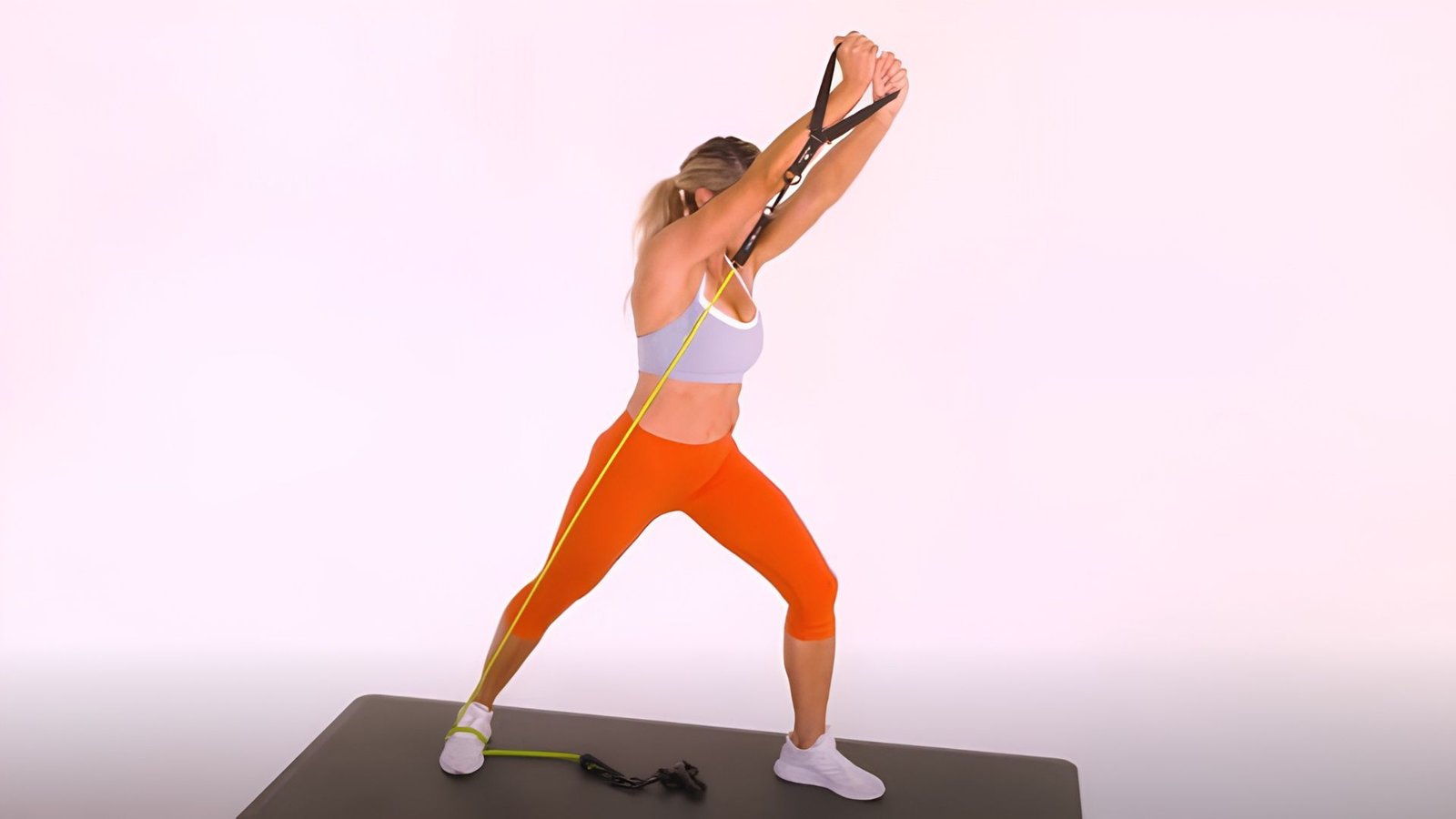
Anchor a resistance band to a low or high point and chop across your body. The band creates variable resistance, meaning it gets harder as you reach the end of the movement.
This trains your muscles differently than free weights or cables. It is also a portable option you can use anywhere.
The band challenges your control, especially on the return phase, making it a smart tool for core training.
4. Medicine Ball Wood Chop

Hold a medicine ball and chop from one side to the other with full power. You can slam the ball at the end of the movement for an explosive variation.
This version builds rotational power and speed better than most other options. It is commonly used in athletic training for sports like boxing and baseball.
Choose a weight that lets you stay controlled while still moving with real intent.
5. Seated Wood Chop

Sit on a bench or on the floor and perform the same diagonal chopping motion with a dumbbell or medicine ball.
This variation removes your legs from the movement and forces your core and obliques to do all the work.
It is a great starting point if you are new to the pattern. You learn how to rotate from your trunk without relying on momentum from your hips or lower body.
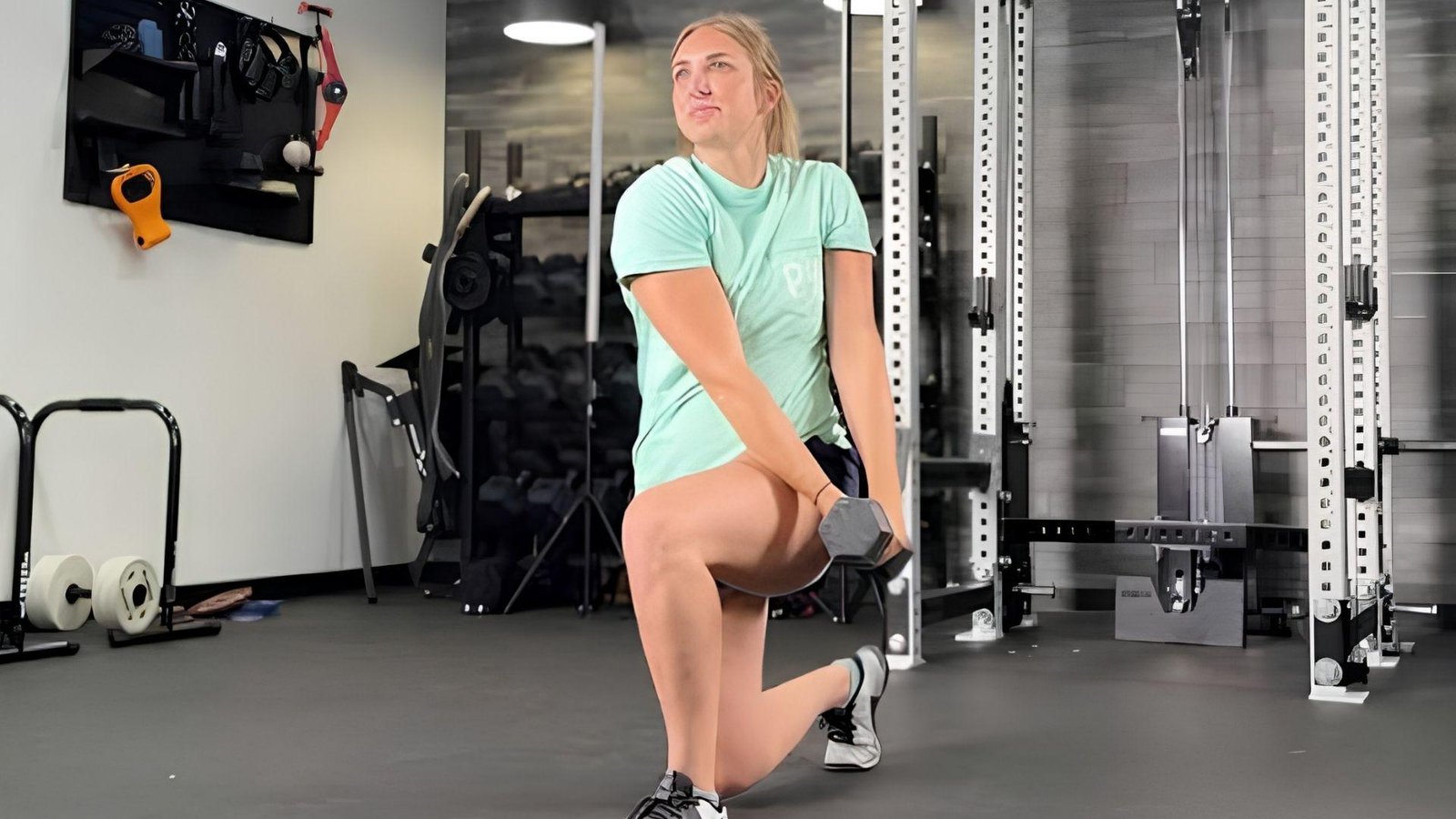
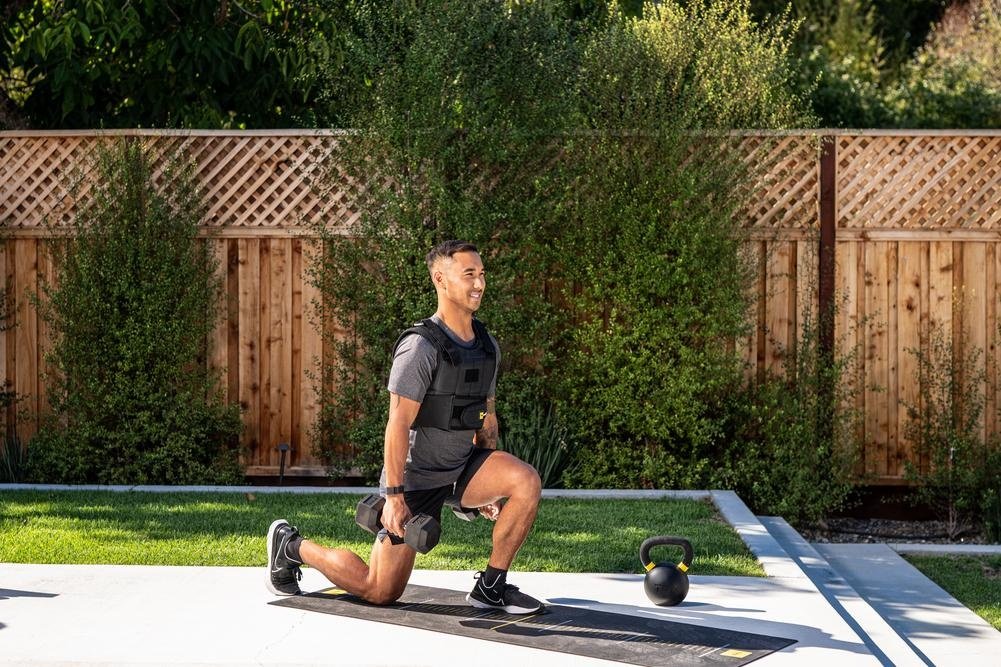
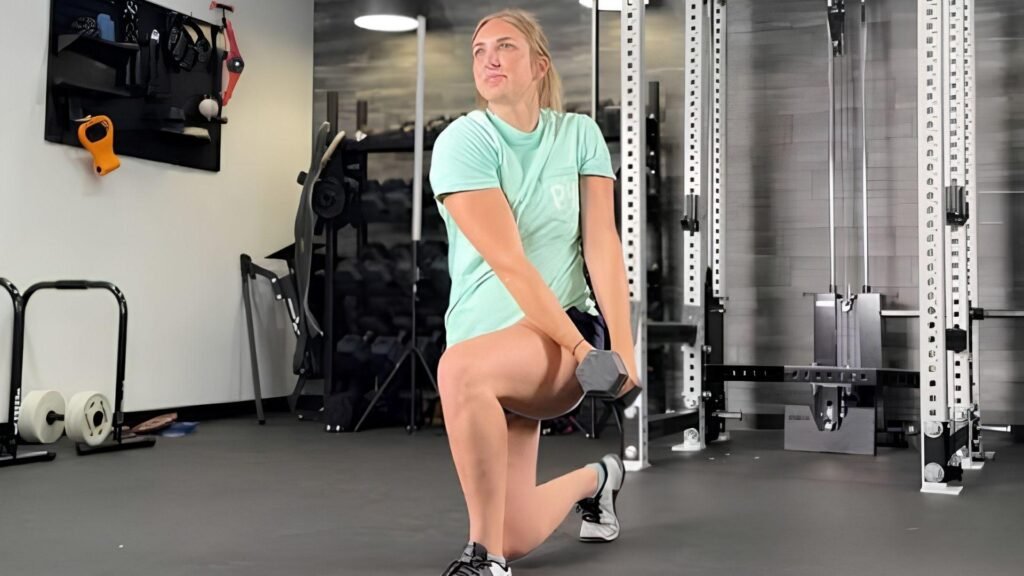
6. Half-Kneeling Wood Chop
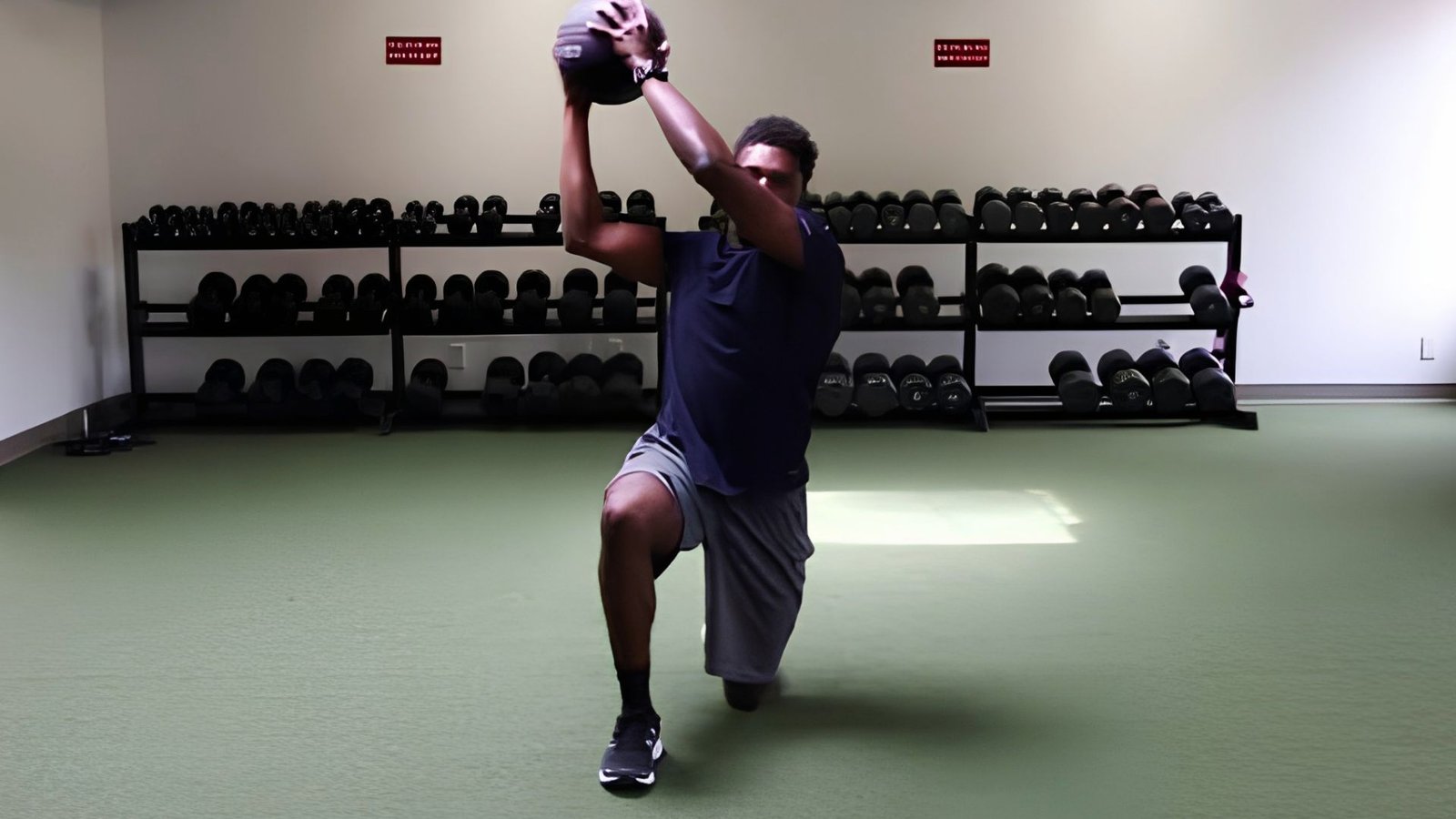
Drop one knee to the ground and perform the chop from a kneeling position. This removes the lower body from the movement almost completely.
Your core, obliques, and upper body must do all the stabilizing work. It is harder than it looks.
The kneeling position also reduces momentum, which forces you to rely on real strength. This is an excellent option if you want to isolate the core with full focus.
7. Tall-Kneeling Wood Chop

In this version, you kneel on both knees with your hips fully extended. The tall-kneeling position eliminates hip rotation from the equation.
Your core and obliques are completely responsible for driving and controlling the movement. This teaches true trunk rotation without compensating through the hips.
It is challenging, humbling, and very effective for building isolated rotational core strength with consistent, focused effort.
Wood Chop Exercise vs Other Core Exercises: Comparison Chart
Here is a quick chart showing the wood chop stacks up against other popular core exercises.
| Exercise | Best For | Main Focus | Equipment |
| Wood Chop | Functional core strength | Rotation + full-body movement | Cable, dumbbell, band |
| Russian Twist | Core endurance | Rotational core | Bodyweight or weight |
| Pallof Press | Core stability | Anti-rotation | Cable or band |
| Cable Rotation | Rotational strength | Controlled rotation | Cable machine |
| Landmine Rotation | Athletic power | Explosive rotation | Landmine |
| Plank | Core stability | Isometric hold | None |
If you can only choose one, the wood chop is the most versatile because it builds rotational strength, improves coordination, and mimics real-life movement patterns.
Who Can Benefit Most from the Wood Chop Exercise?

This move is not just for athletes. It can improve daily life for almost anyone who moves.
- Athletes in rotational sports: Golfers, tennis players, boxers, and baseball players gain explosive power and faster swing speed through consistent training with this movement.
- People with desk jobs: Sitting all day weakens your core and tightens your hips. The wood chop reactivates those muscles and helps reverse the damage of long hours spent sitting.
- Older adults: This exercise builds functional strength that supports balance, posture, and everyday movements like reaching, bending, and carrying items around the house. Compound moves like this one are especially valuable as we age.
- Beginners building core strength: It teaches the body to move as a unit from day one. With light resistance, it is safe and accessible while still delivering real results in a short time.
- Anyone recovering from lower back issues: When done carefully and under guidance, the wood chop strengthens the muscles that support the spine and may help reduce recurring back pain over time.
How to Add the Wood Chop Exercise to Your Workout

You can add the wood chop to almost any workout plan without much trouble. Use it as part of your core circuit, or add it after your main compound lifts.
It works well two to three times per week with a rest day in between. Pair it with planks, dead bugs, or pallof presses for a complete core session.
Start with lighter resistance to get the pattern right before adding load. Over weeks, increase the weight or reps as you get stronger.
Always train both sides equally to avoid creating imbalances in your core and hips.
Conclusion
I will be honest. The first time I tried the wood chop exercise, I thought it looked too simple to matter. I was wrong.
After a few weeks, my core felt more solid, my posture improved, and I noticed real carry-over in other lifts.
This exercise works. It builds functional, real-world strength that you actually feel in daily life. Start light, stay consistent, and focus on form.
Drop a comment below and let me know which variation you are trying first. And if this helped you, share it with someone who could use a stronger core too.
Frequently Asked Questions
Is the wood chop exercise good for love handles?
Yes, it directly works the obliques and deep core muscles that run along the sides of your waist where love handles sit.
Can I do the wood chop exercise every day?
No, train it 2 to 3 times per week with rest days in between so your core muscles can recover and grow stronger.
What is the difference between a wood chop and a Russian twist?
The wood chop uses a diagonal standing motion that loads your whole body, while the Russian twist is a seated floor move that isolates the core with less functional carryover.
Should I do wood chops before or after my main workout?
Do them after your heavy compound lifts so your core is fresh for squats and deadlifts, then use wood chops to finish off rotational strength at the end.