
Do your shoulders curl forward no matter how much you try to sit up straight? You're not alone. Rounded shoulders are one of the most common posture problems today, and desk work only makes it worse.
In this post, you'll find 11 exercises to pull your shoulders back into place, plus a quick self-check, simple stretches, daily habits, and an easy home routine you can start today.
No fluff, no guesswork, just steps that actually work, so you can stand taller and feel better in your own body.
What Are Rounded Shoulders?

Rounded shoulders happen when your shoulders roll forward from sitting too much and moving too little.
Rounded shoulders are a posture problem. Your shoulders curve inward and forward instead of sitting back and relaxed. It actually has less to do with your spine than most people think.
Your shoulder blade, or scapula, is not locked to your spine with a joint. It floats on your back, held in place by muscle. So when those muscles get out of balance, the shoulder blade drifts forward and takes your whole shoulder with it.
Not sure if this applies to you? Try a quick check. Stand relaxed with your arms at your sides, then look down at your hands. If your palms naturally face behind you instead of toward your legs, that is a sign of rounded shoulders.
You can also check in a mirror from the side. A forward curve at your upper back and shoulders sitting ahead of your ears both point to the same issue.
This usually comes from long hours at a desk. It also comes from looking down at your phone all day, sometimes called text neck.
New parents carrying kids, students hauling heavy backpacks, and cyclists hunched over handlebars deal with this just as often as office workers. Your chest muscles get tight. Your upper back muscles get weak and stretched out.
Over time, this pulls your shoulders forward. Your head may also start to lean forward. This is called forward head posture, and it often shows up with rounded shoulders.
Some experts call this pattern upper crossed syndrome, where tight chest and neck muscles pair with a weak upper back.
The good news is you can fix this with the right moves. It just takes time and daily effort.
When to See a Doctor First

Most rounded shoulders cases respond well to exercise alone. But check in with a doctor or physical therapist before starting if you feel numbness or tingling down your arm, sharp pain instead of muscle tightness, or a very obvious hump at the top of your spine.
Those signs mean something more than muscle imbalance may be going on.
Why Rounded Shoulders Exercises Matter

The right exercises fix muscle imbalances and help your body sit and stand the way it should.
How Exercises Improve Posture
Exercises work by fixing the muscle imbalance behind rounded shoulders. Tight muscles need stretching. Weak muscles need strengthening.
When you do both together, your shoulders slowly move back into place. Your spine gets support from stronger back muscles. Standing tall starts to feel normal again instead of forced.
Muscles to Stretch and Strengthen
You need to stretch your chest muscles, especially the pectoralis major and minor. These get tight and pull your shoulders forward. Your levator scapulae, the muscle that runs from your shoulder blade up to your neck, often tightens along with them.
You also need to strengthen your upper back. This means your rhomboids, middle and lower trapezius, serratus anterior, and rear shoulder muscles.
These muscles pull your shoulders back where they belong and hold your shoulder blade flat against your rib cage.
Benefits of a Consistent Routine
A steady routine gives you real results. You breathe easier because your chest opens up. You feel less pain in your neck and upper back.
Your confidence also gets a boost. Standing tall changes how you carry yourself in daily life.
11 Best Rounded Shoulders Exercises for Posture
These 11 moves stretch tight muscles and strengthen weak ones to pull your shoulders back naturally.
All you need is a doorway, a wall, and a few feet of open floor. A resistance band and a light dumbbell help with two of the moves, but a rolled towel works fine as a stand in for the band.
1. Doorway Chest Stretch
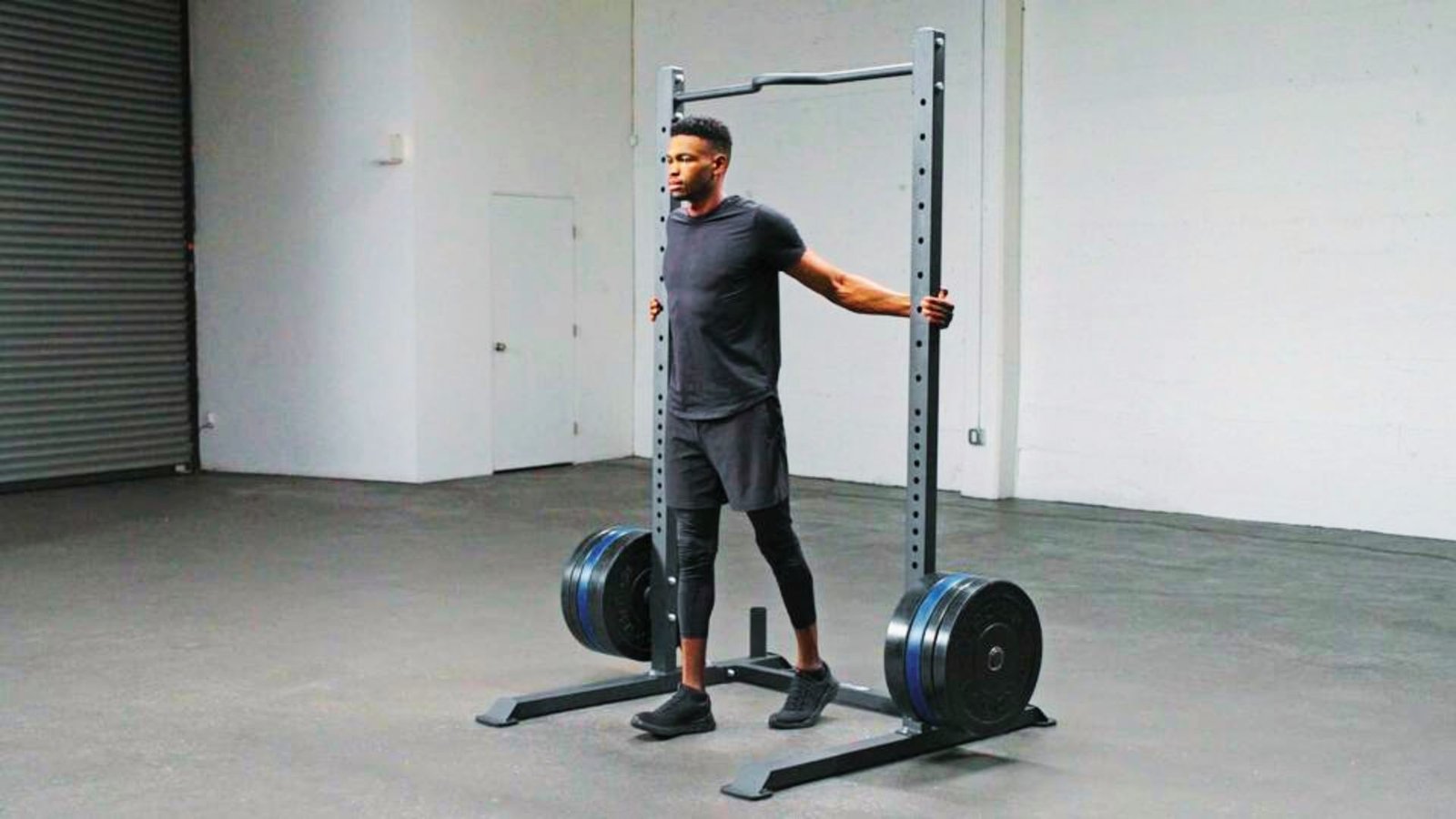
Stand in a doorway. Place your forearms on each side of the frame. Step forward slowly until you feel a stretch across your chest.
Hold this for 20 to 30 seconds. Do this two or three times. This move opens up tight chest muscles fast.
2. Lateral Neck Stretch
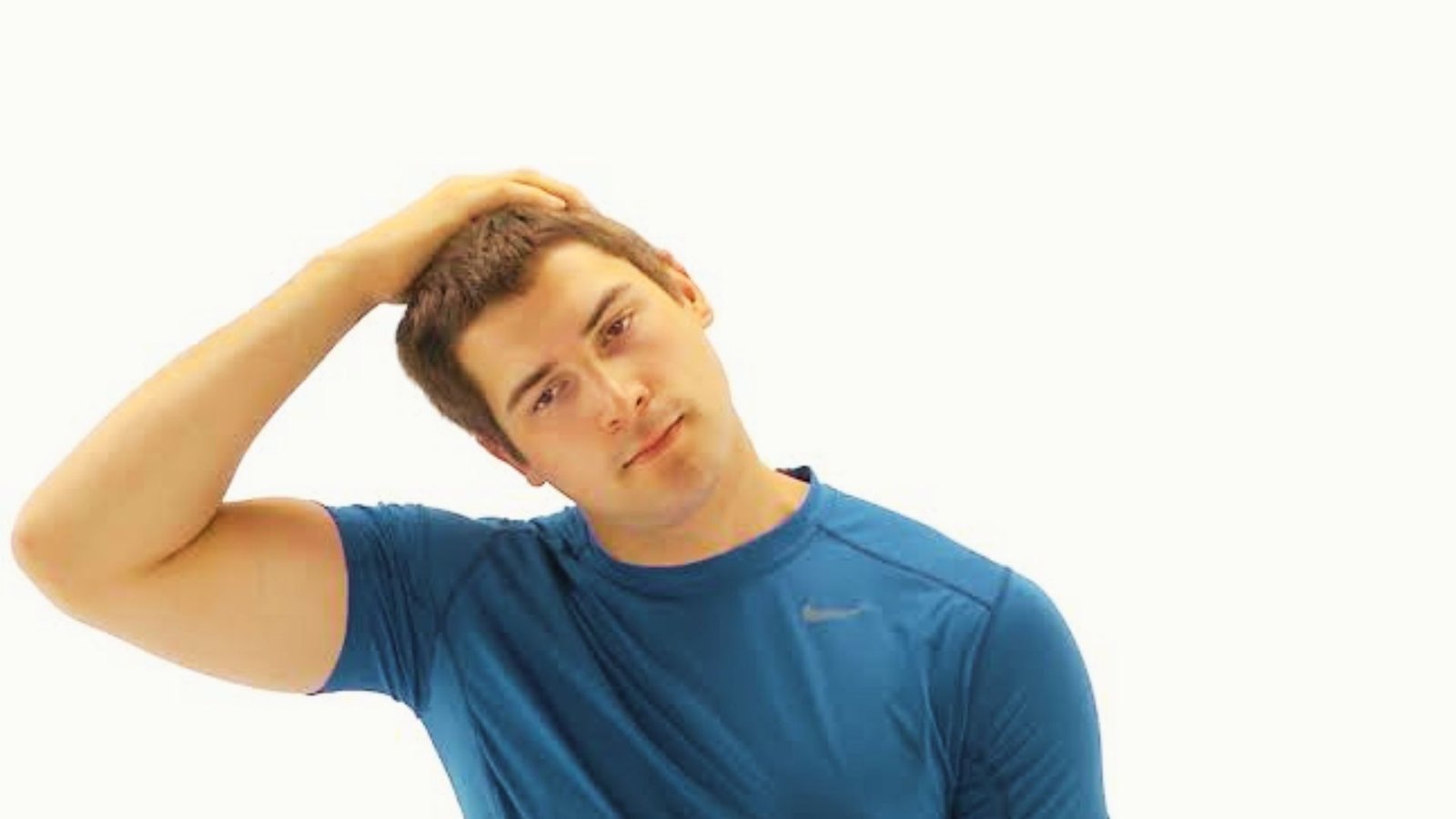
Sit or stand up straight. Tilt your head to one side, bringing your ear toward your shoulder. Hold for 15 to 20 seconds.
Switch sides and repeat. This stretch loosens tight neck muscles that build up from forward head posture.
3. Chin Tucks

Sit or stand tall. Gently pull your chin straight back, like you are making a double chin. Hold for 5 seconds.
Repeat this 10 times. Chin tucks train your neck to sit in a better position instead of jutting forward.
4. Wall Angels
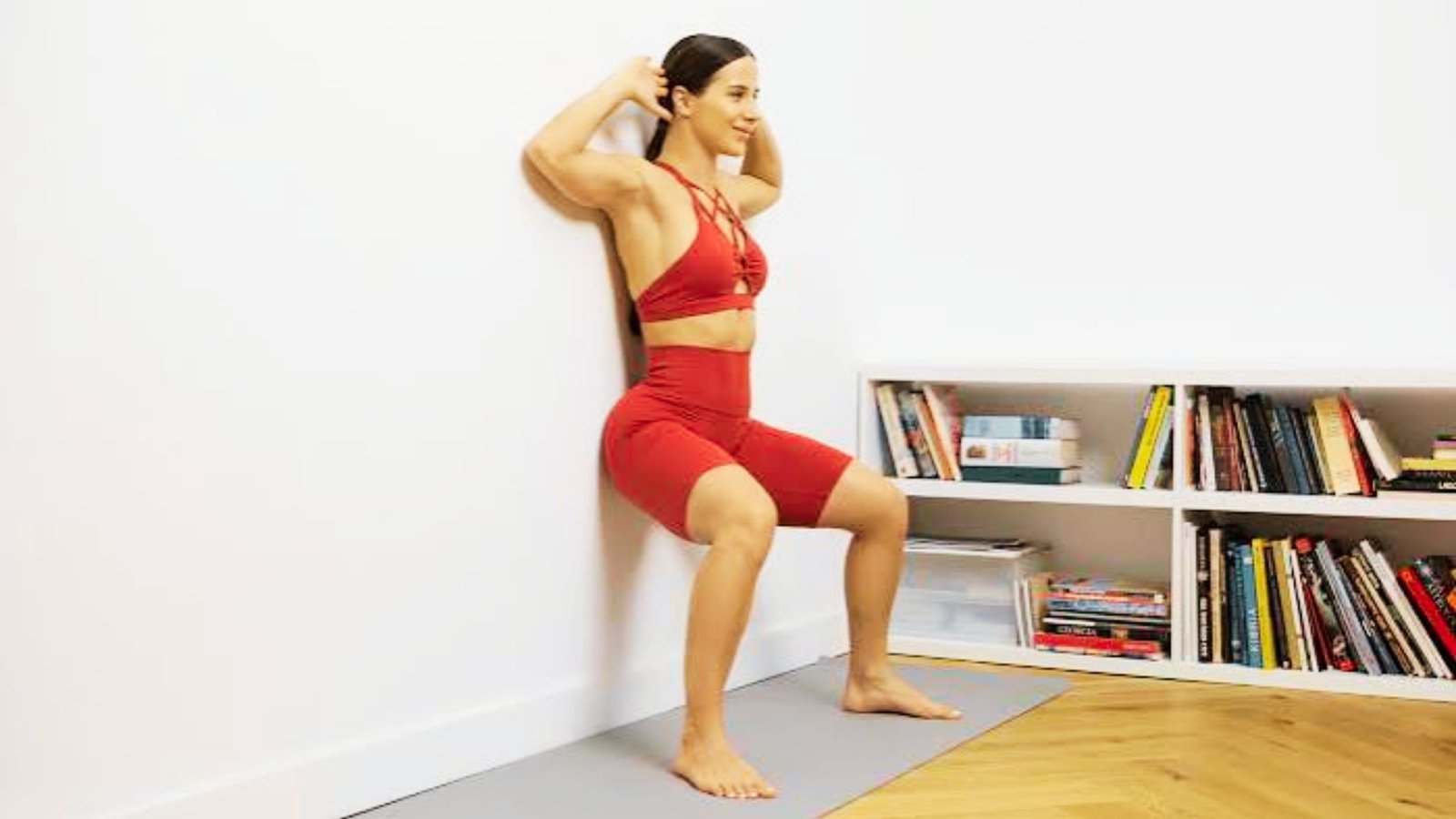
Stand with your back against a wall. Press your arms against the wall in a goal post shape. Slowly slide your arms up and down.
Do 10 to 15 reps. This move trains your shoulder blades to move correctly while keeping your back flat.
5. Scapular Wall Slides
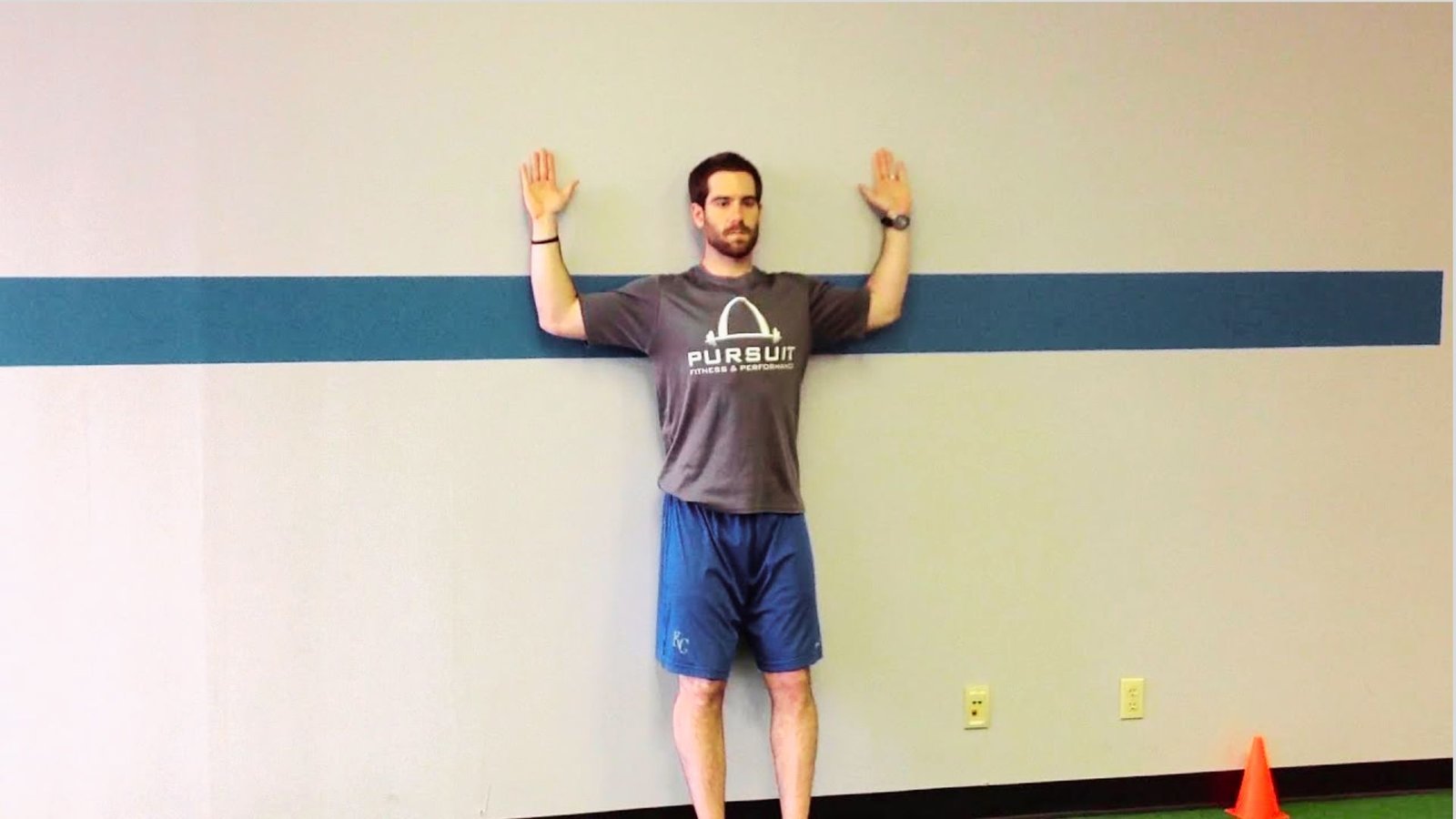
Stand facing a wall. Place your forearms against it at shoulder height. Slide your arms upward while keeping contact with the wall.
Do 10 reps. This builds control in your shoulder blades and upper back muscles.
6. Band Pull-Aparts

Hold a resistance band with both hands in front of you. Pull the band apart until your arms are wide, squeezing your shoulder blades together.
Do 12 to 15 reps. This is one of the best moves for building upper back strength fast.
7. Prone I, T, Y Raises
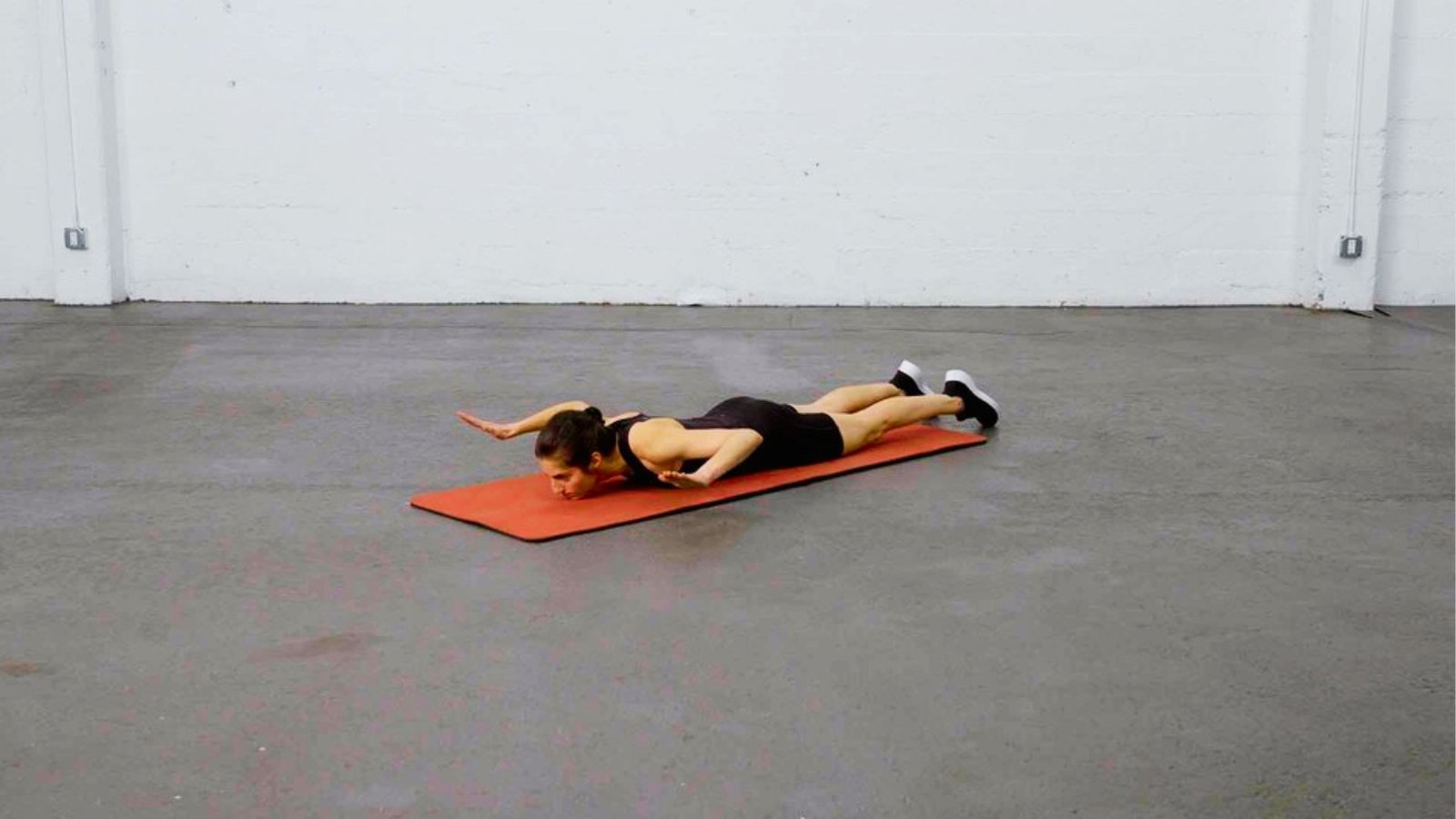
Lie face down on a mat or bench. Raise your arms into an I shape, then a T shape, then a Y shape. Do 8 to 10 reps in each position.
This move works your entire upper back and shoulder muscles from different angles.
8. Reverse Shoulder Stretch

Stand tall and clasp your hands behind your back. Straighten your arms and lift them gently away from your body.
Hold for 15 to 20 seconds. This stretch opens your chest and shoulders at the same time.
9. Thoracic Spine Foam Rolling
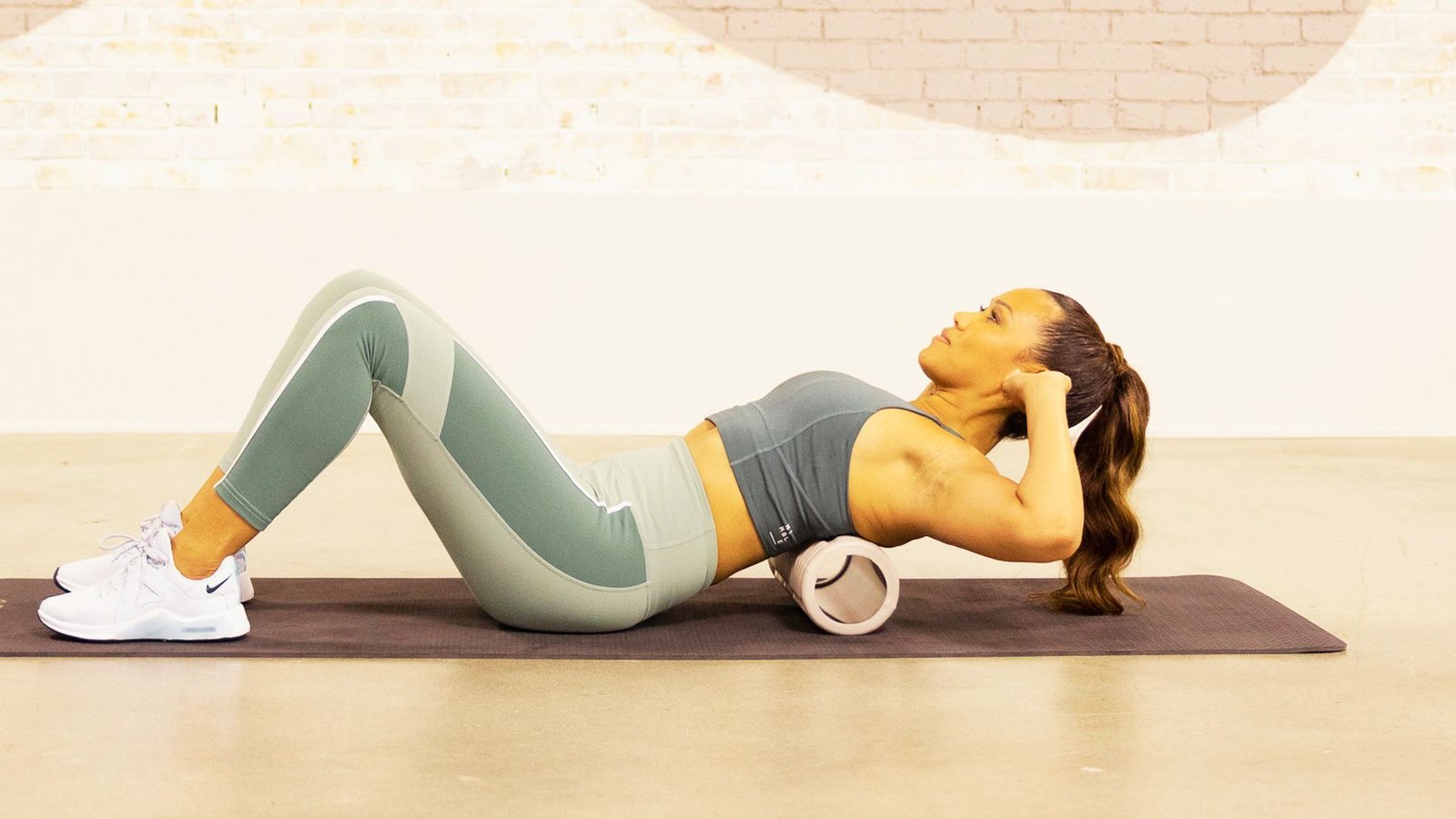
Lie on a foam roller placed under your upper back. Roll slowly up and down for one to two minutes.
This loosens up your mid back. A stiff thoracic spine makes rounded shoulders worse, so this step matters more than people think.
If your chest still feels tight after rolling, a few minutes of trigger point release with a massage ball on the muscle just below your collarbone can help finish the job.
10. Scapular Squeezes
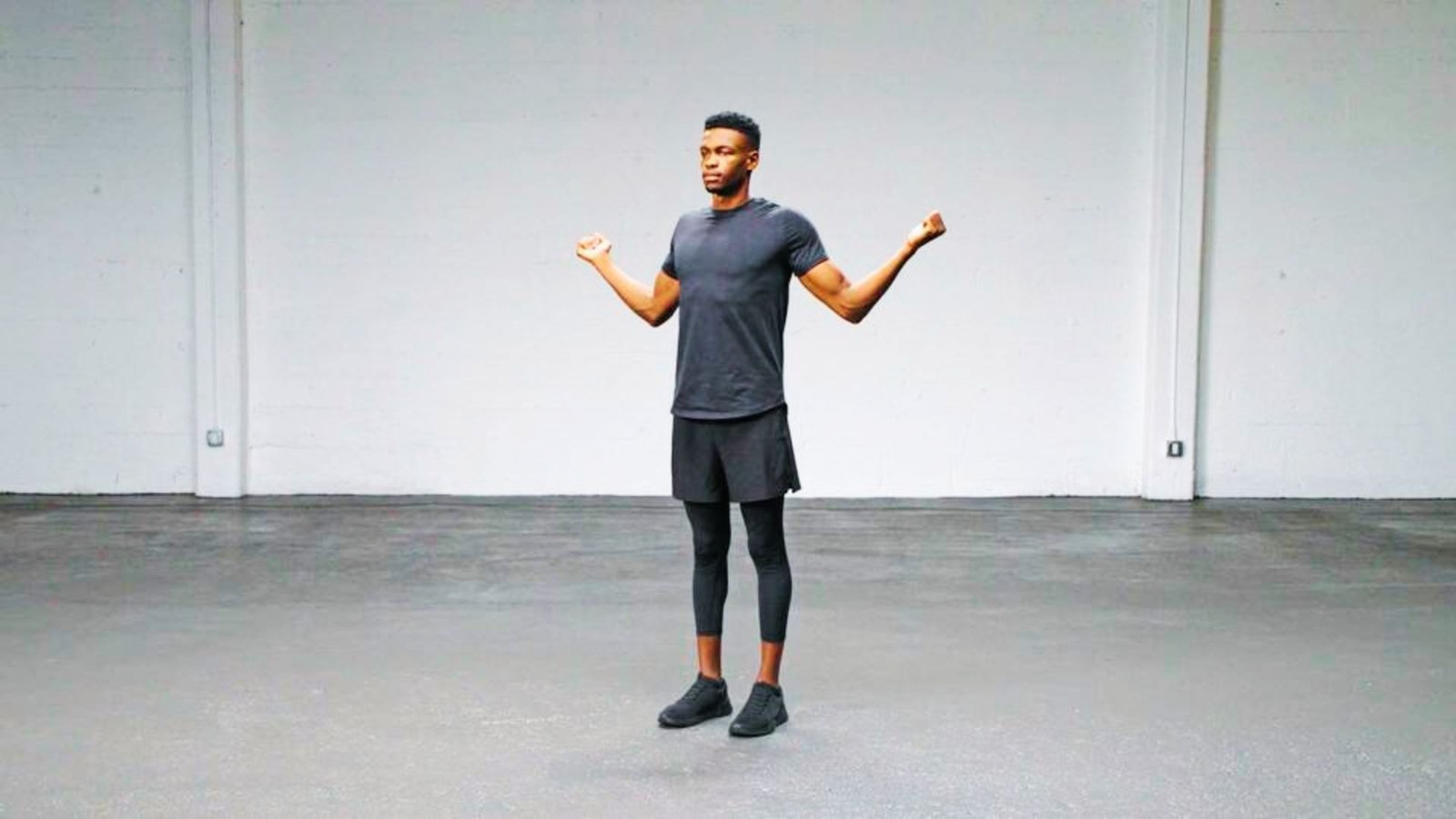
Sit or stand tall. Squeeze your shoulder blades together like you are trying to hold a pencil between them. Hold for 5 seconds.
Repeat 10 to 15 times. This simple move builds awareness and strength in your upper back.
11. Dumbbell Reverse Fly
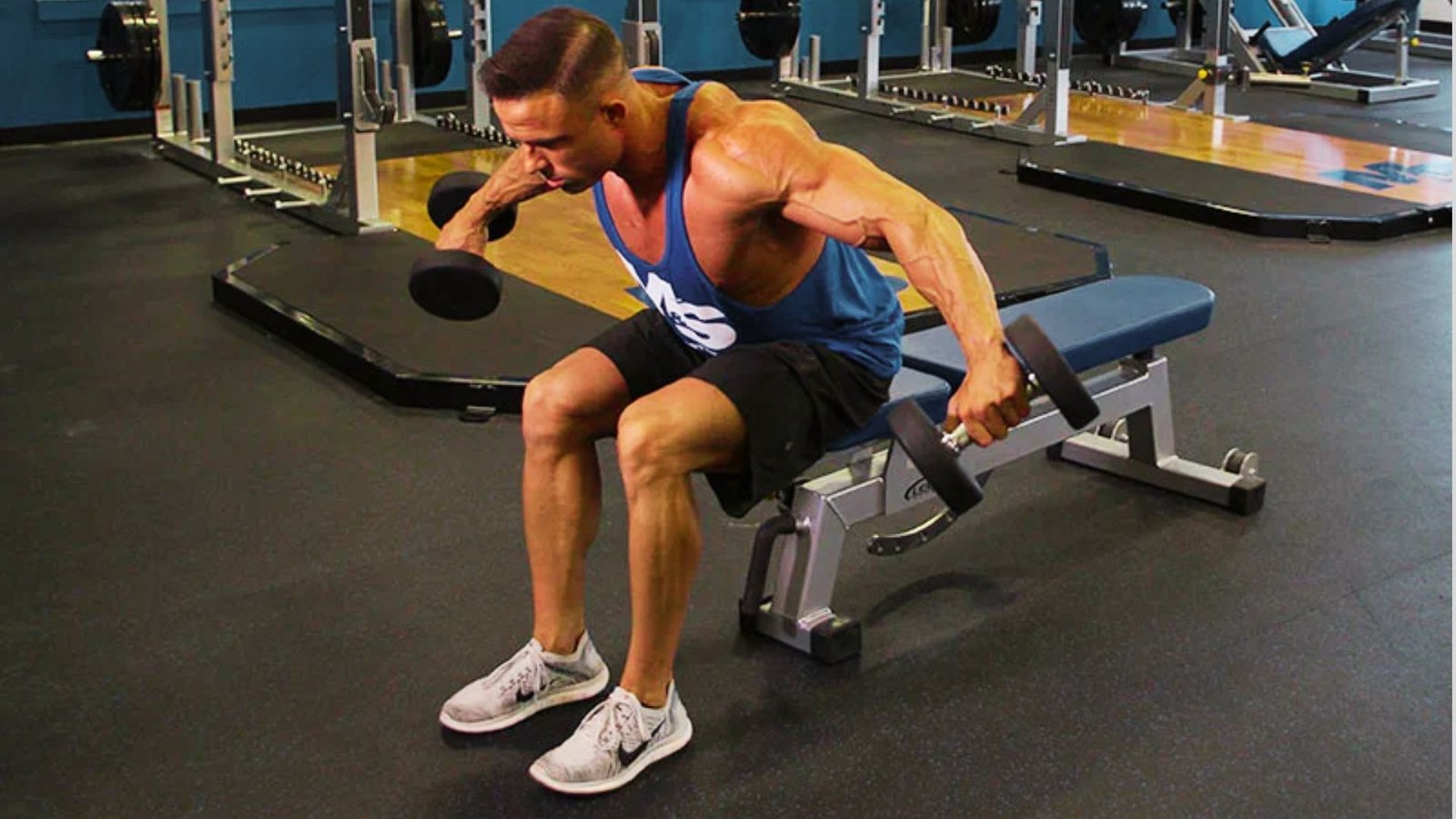
Hold a light dumbbell in each hand. Bend forward slightly at the hips. Raise your arms out to the sides, squeezing your shoulder blades together.
Do 10 to 12 reps. This builds real strength in the muscles that pull your shoulders back.
Your Weekly Routine

Do stretches like the doorway chest stretch, lateral neck stretch, chin tucks, and reverse shoulder stretch daily, especially in the morning or after a long sitting.
Save strengthening moves like wall angels, band pull-aparts, prone raises, and dumbbell reverse flies for three to four days a week, with a rest day between sessions so your muscles can recover.
If you only have 10 minutes, start with chin tucks for a minute, wall angels for two minutes, a doorway stretch held one minute per side, scapular squeezes for two minutes, and a reverse shoulder stretch for one minute.
That short routine covers both stretching and strengthening in one sitting.
Common Mistakes to Avoid
These common errors slow down progress and can make rounded shoulders worse instead of better.
- Only stretching without strengthening your upper back muscles, which leaves the muscle imbalance in place
- Overtraining your chest muscles, which makes shoulders round forward more instead of less
- Using poor form, like shrugging your shoulders during band pull-aparts, which reduces results and raises injury risk
- Skipping mobility work like foam rolling your upper back, which leaves your mid back too stiff for the other moves to work fully
- Doing exercises fast instead of slow and controlled, which trains speed instead of the muscle control you actually need
How Long Does It Take to Improve Rounded Shoulders?

Most people notice small changes within two to four weeks of daily practice, usually less tension by the end of the day and an easier time holding your shoulders back without thinking about it.
Full posture improvement often takes two to three months of steady work, since it takes that long for your weaker muscles to catch up in strength to the tight ones.
Your timeline depends on how long you have had rounded shoulders and how consistent you stay. A few minutes daily beats one long session on the weekend.
Some people plateau after the first month. This usually means your muscles have adapted to the current level of work. Adding resistance, like a stronger band or heavier dumbbells, helps you keep progressing.
If you still feel stuck after trying that, a physical therapist can check your shoulder blade position and give you moves built for your body.
Track your progress with photos every few weeks. Notice how your neck and shoulders feel at the end of the day. These small signs show the work is paying off.
Tips to Fix Rounded Shoulders Faster
Small daily habits around posture and workstation setup speed up your progress and support your exercise routine.
- Keep your screen at eye level and avoid looking down at your phone for long stretches
- Set up your chair so your feet sit flat on the floor with good back support
- Check in with your posture every hour and roll your shoulders back
- Hold your phone up instead of bending your neck down toward it
- Pick a set time each day for your exercises and stick with it
Getting your daily habits right sets you up for success. But even with good habits, small mistakes in your routine can slow your progress. Here is what to watch out for.
Conclusion
Fixing rounded shoulders is not an overnight fix, and I know that from my own desk job days.
I spent years hunched over a keyboard before I started doing wall angels and chest stretches every morning. Within a month, my neck pain eased up and I stood a little taller without thinking about it.
Give these rounded shoulders exercises a real shot for a few weeks. Your body will thank you.
Tried any of these moves? Drop a comment below and let me know how it goes. Share this with someone who sits at a desk all day too.
Frequently Asked Questions
Can rounded shoulders cause pain in other parts of the body?
Yes. Rounded shoulders often lead to neck pain, headaches, and lower back strain. The imbalance forces other muscles to work harder, which creates tension in nearby areas over time.
Do posture correctors or braces actually help?
A posture brace gently pulls your shoulders back and reminds you to sit up straight while you wear it. That can help short term, especially at a desk. But it does not fix the muscle imbalance behind rounded shoulders. Combining a brace with the exercises above gives better long-term results than a brace alone.
Can rounded shoulders happen in kids and teens?
Yes. Heavy backpacks, phone use, and long hours at a desk affect younger people too. Catching poor posture early makes it easier to correct before it becomes a lasting habit.
Does sleeping position affect rounded shoulders?
Yes. Sleeping on your stomach or curled up tightly can worsen shoulder rounding. Sleeping on your back with proper support helps keep your shoulders and spine in a neutral position.