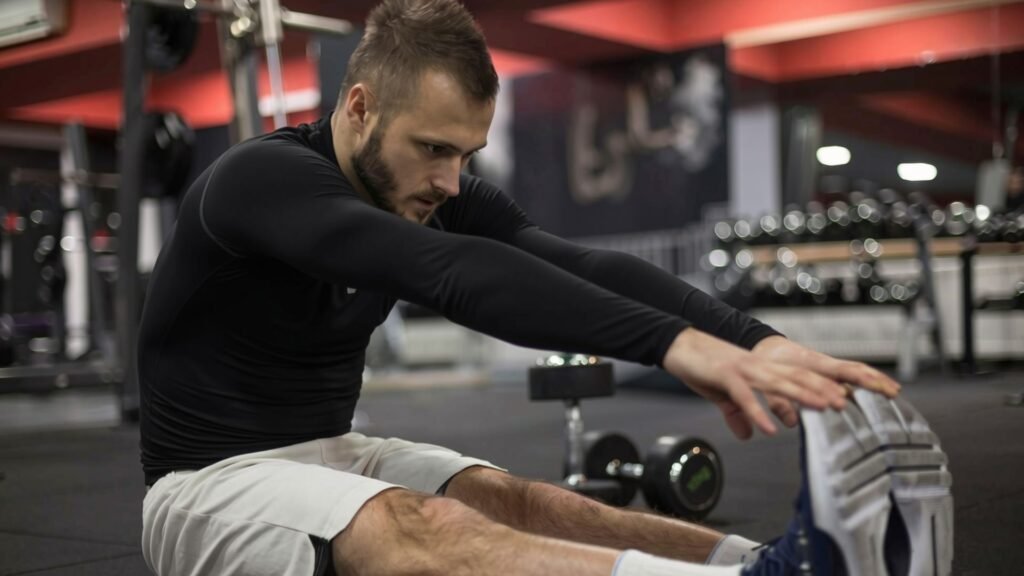
If your back workouts feel incomplete or your posture needs improvement, adding horizontal pull exercises can make a real difference.
These movements help build a stronger upper back, improve shoulder stability, and create better balance between pushing and pulling exercises.
They also support everyday movements like lifting, carrying, and pulling. In this guide, you'll learn the best horizontal pull exercises, the muscles they target, proper form, common mistakes to avoid, and simple workout tips for different fitness levels.
The advice is based on widely accepted strength training principles and practical exercise techniques that are easy to follow. By the end, you'll know how to add these exercises to your routine with confidence.
What Are Horizontal Pull Exercises?

Horizontal pull exercises are strength exercises where you pull a weight or your body toward your chest while your arms move in a horizontal direction.
Common examples include rows with dumbbells, barbells, cables, machines, or your own body weight. These exercises mainly work the lats, rhomboids, middle traps, rear shoulders, biceps, and forearms.
Unlike vertical pulling exercises such as pull-ups or lat pulldowns, which move up and down, horizontal pulls focus on building back thickness and improving posture.
Adding both types of pulling exercises to your workout helps create a stronger, more balanced upper body while also supporting better shoulder health and everyday movement.
Benefits of Horizontal Pull Exercises
Adding horizontal pull exercises to your workout can improve back strength, posture, and overall upper-body balance. They also help make everyday pulling movements easier and support better lifting performance over time.
- Build a Thicker, Stronger Back: Strengthens the lats, rhomboids, and traps to increase back size, improve muscle definition, and support better upper-body strength.
- Improve Shoulder Stability and Posture: Helps pull the shoulders back, supports proper posture, and reduces the effects of long hours spent sitting or working at a desk.
- Increase Pulling Strength: Improves your ability to perform pull-ups, lift heavier weights, carry objects, and perform sports or daily activities that involve pulling.
- Balance Push Exercises: Creates a better balance between chest and back muscles, helping reduce muscle imbalances caused by doing too many pressing exercises.
Including a few horizontal pulling movements in every upper-body workout can help you build a stronger, healthier back while improving posture and overall movement.
11 Best Horizontal Pull Exercises
The horizontal pull exercises help build a stronger, thicker back while improving posture and pulling strength. Below are some of the most effective row variations for beginners and experienced lifters, along with simple instructions to perform each exercise correctly.
1. Barbell Bent-Over Row
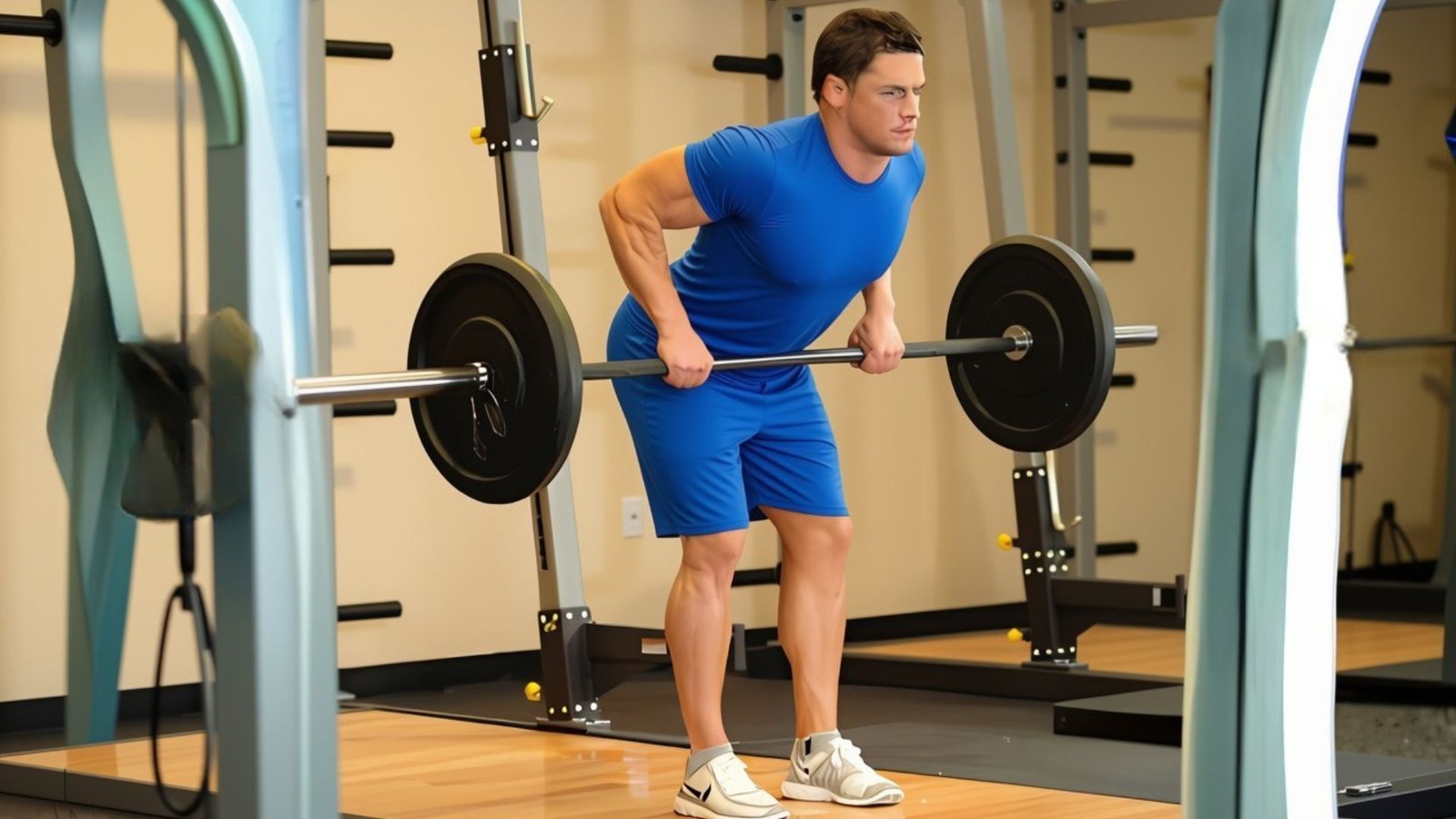
The barbell bent-over row is one of the best exercises for building overall back strength and muscle.
Stand with your feet shoulder-width apart and hinge at your hips until your torso is nearly parallel to the floor.
Hold the barbell with an overhand grip and pull it toward your lower ribs before lowering it slowly. Keep your back flat and avoid using momentum throughout the movement.
2. Seated Cable Row
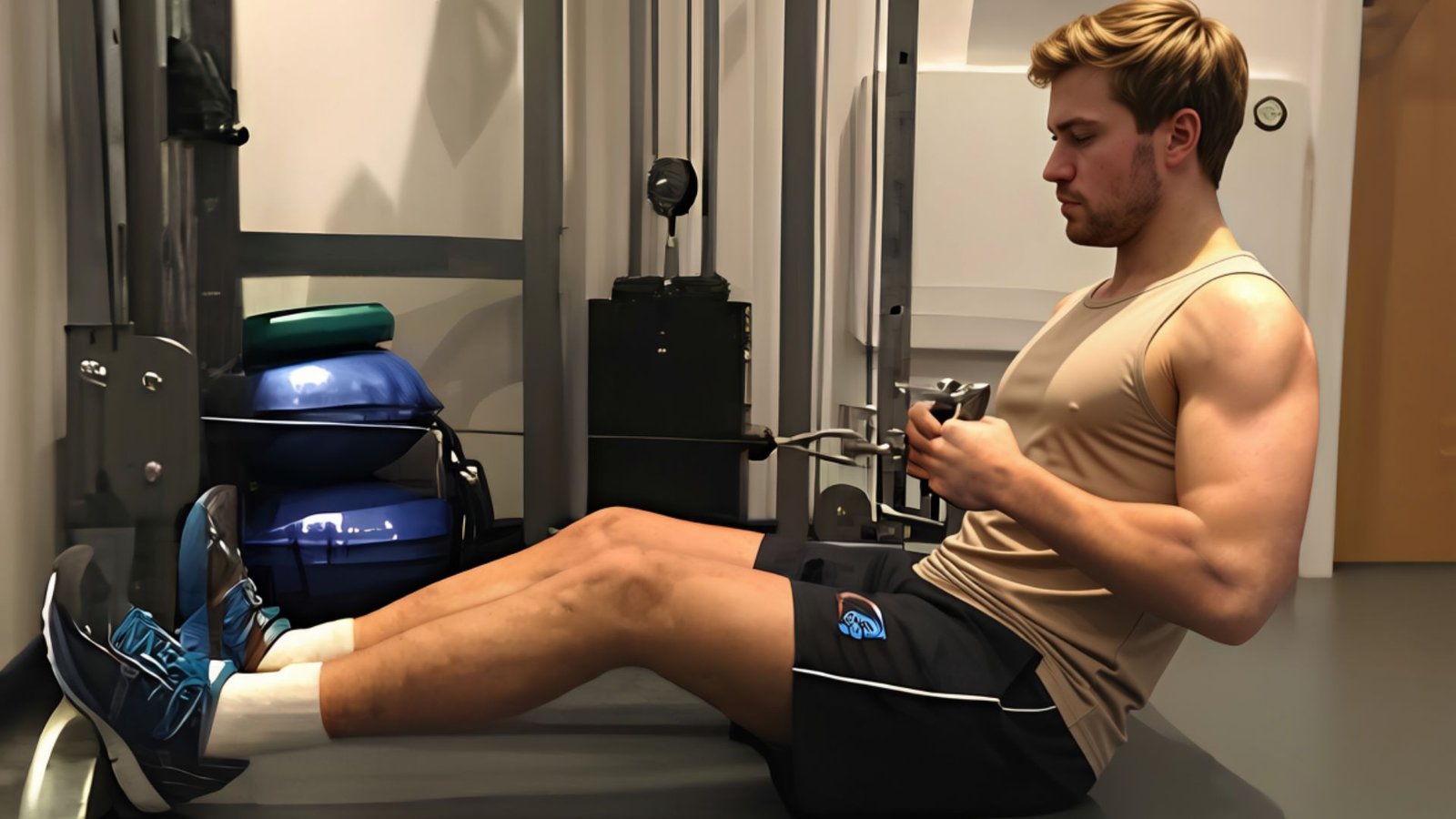
The seated cable row provides constant resistance and helps improve posture while strengthening the middle back.
Sit with your feet on the platform and hold the handle with both hands. Keep your chest up and pull the handle toward your lower abdomen by squeezing your shoulder blades together.
Slowly return to the starting position without letting the weight stack slam down.
3. Single-Arm Dumbbell Row
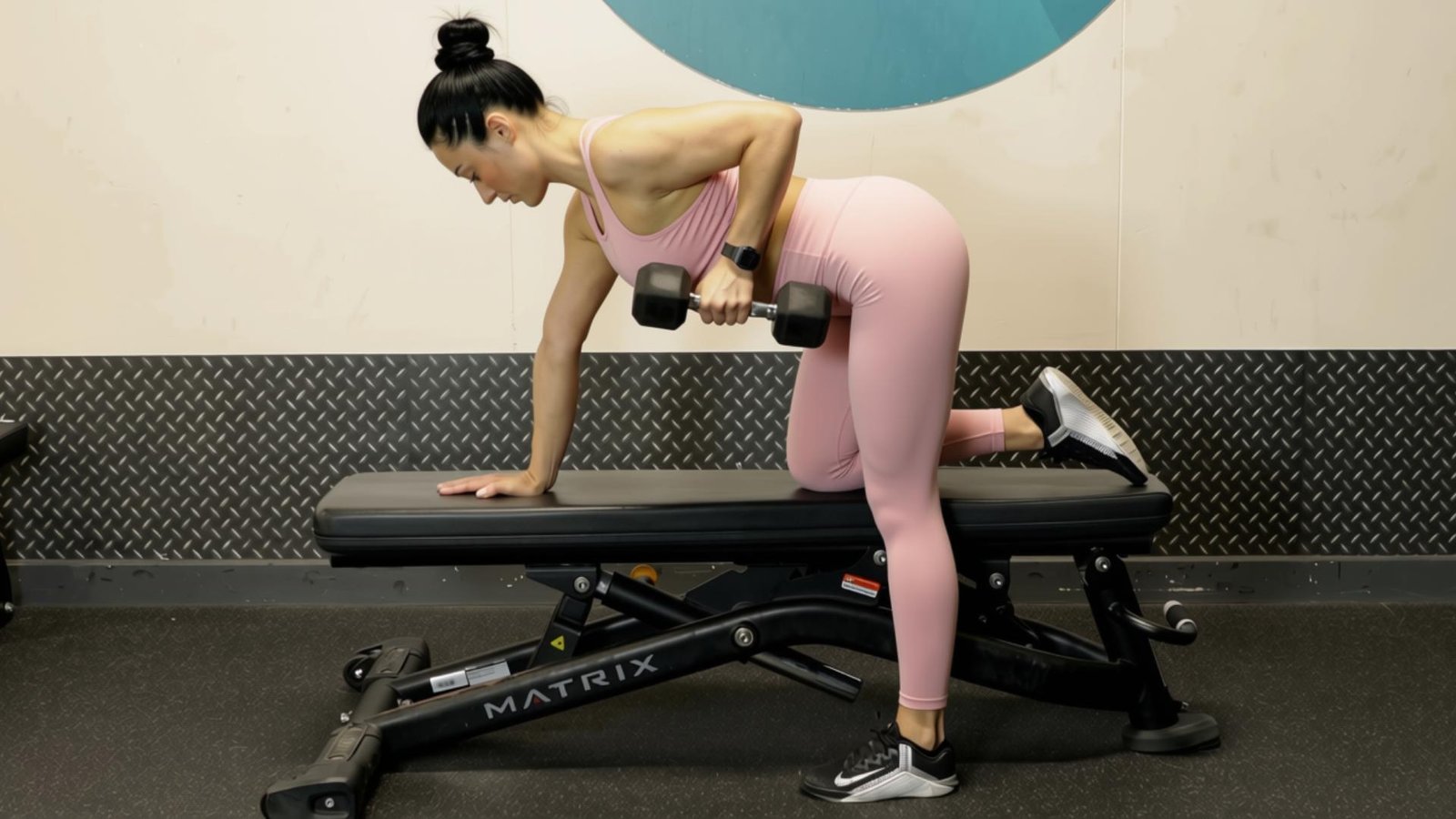
The single-arm dumbbell row improves back strength while helping correct muscle imbalances between both sides.
Place one hand and one knee on a bench for support, letting the dumbbell hang straight down.
Pull the weight toward your hip while keeping your elbow close to your body. Lower it under control before repeating on the opposite side.
4. Chest-Supported Dumbbell Row
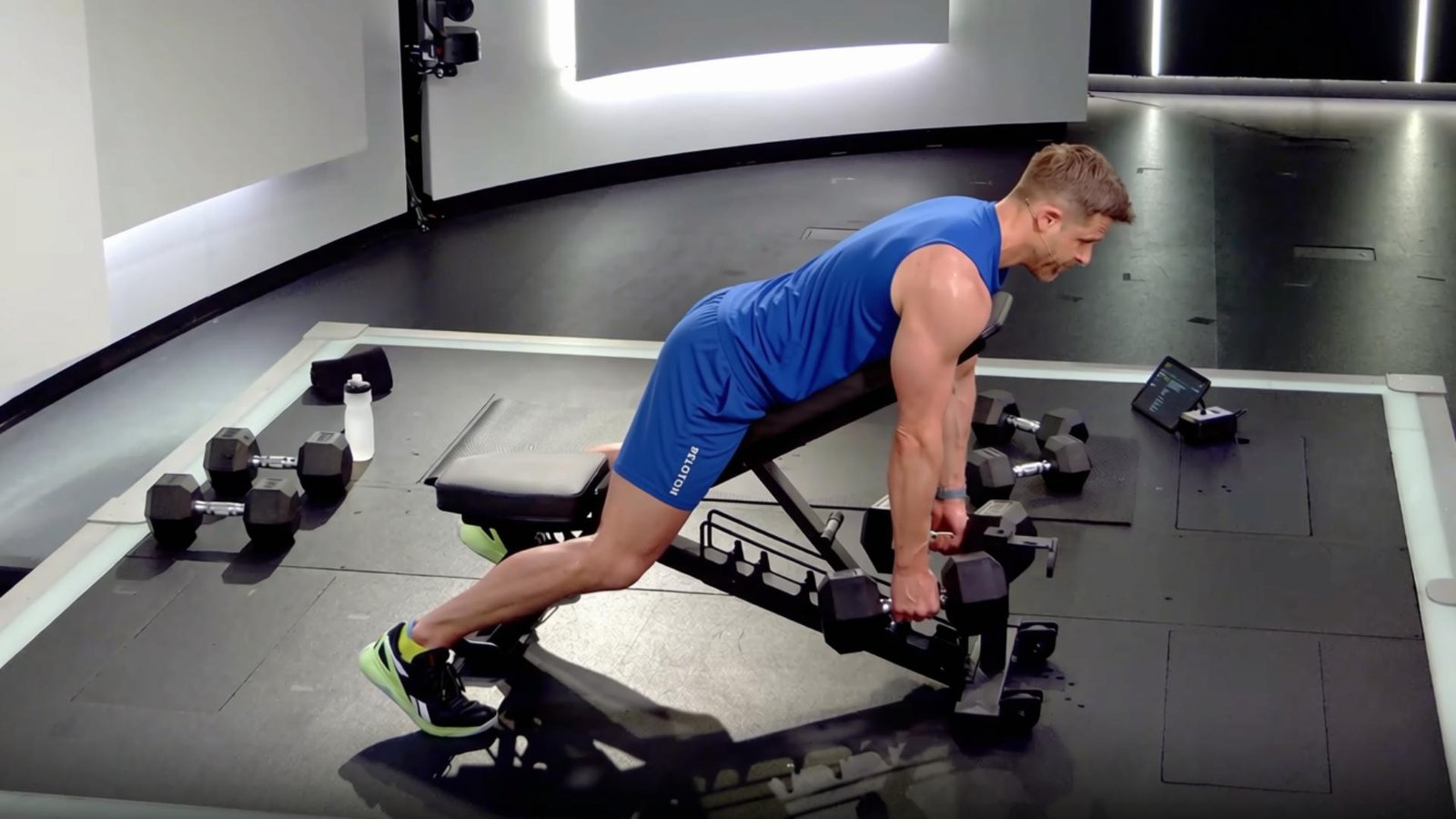
The chest-supported dumbbell row reduces lower back strain and allows you to focus on your upper back muscles.
Lie face down on an incline bench with a dumbbell in each hand.
Let your arms hang naturally, then pull the weights toward your ribs while squeezing your shoulder blades together. Lower the dumbbells slowly to complete each repetition.
5. Inverted Row
The inverted row is a great bodyweight exercise that builds pulling strength and prepares beginners for harder back exercises.
Lie underneath a bar set around waist height and grab it with an overhand grip.
Keep your body straight from head to heels, then pull your chest toward the bar. Lower yourself slowly while maintaining a tight core.
6. T-Bar Row
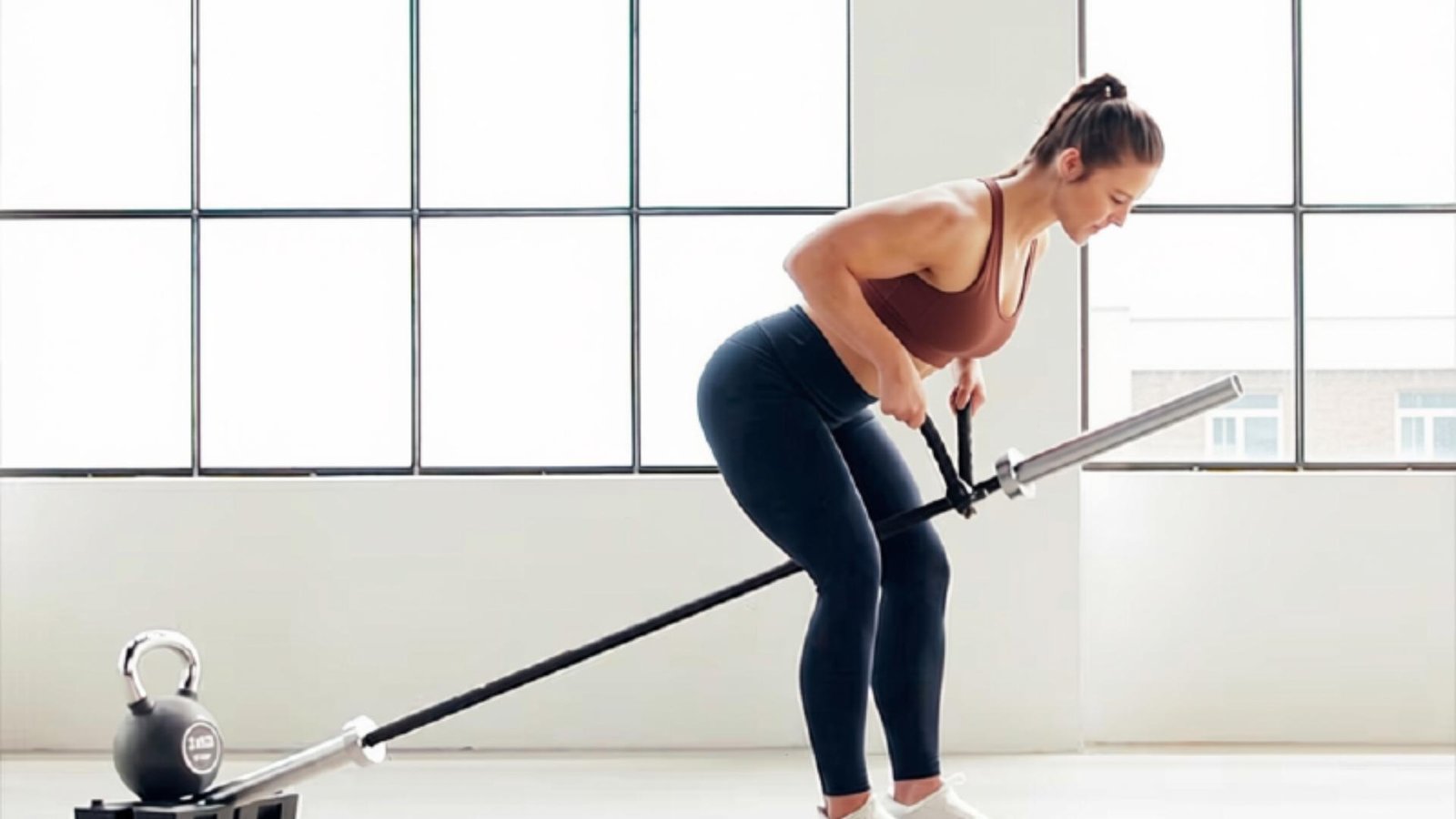
The T-bar row is excellent for building back thickness and increasing overall pulling power. Stand over the bar with your knees slightly bent and your chest lifted.
Grip the handles firmly and pull the weight toward your chest while driving your elbows backward. Pause briefly at the top before lowering the weight in a slow, controlled motion.
7. Pendlay Row
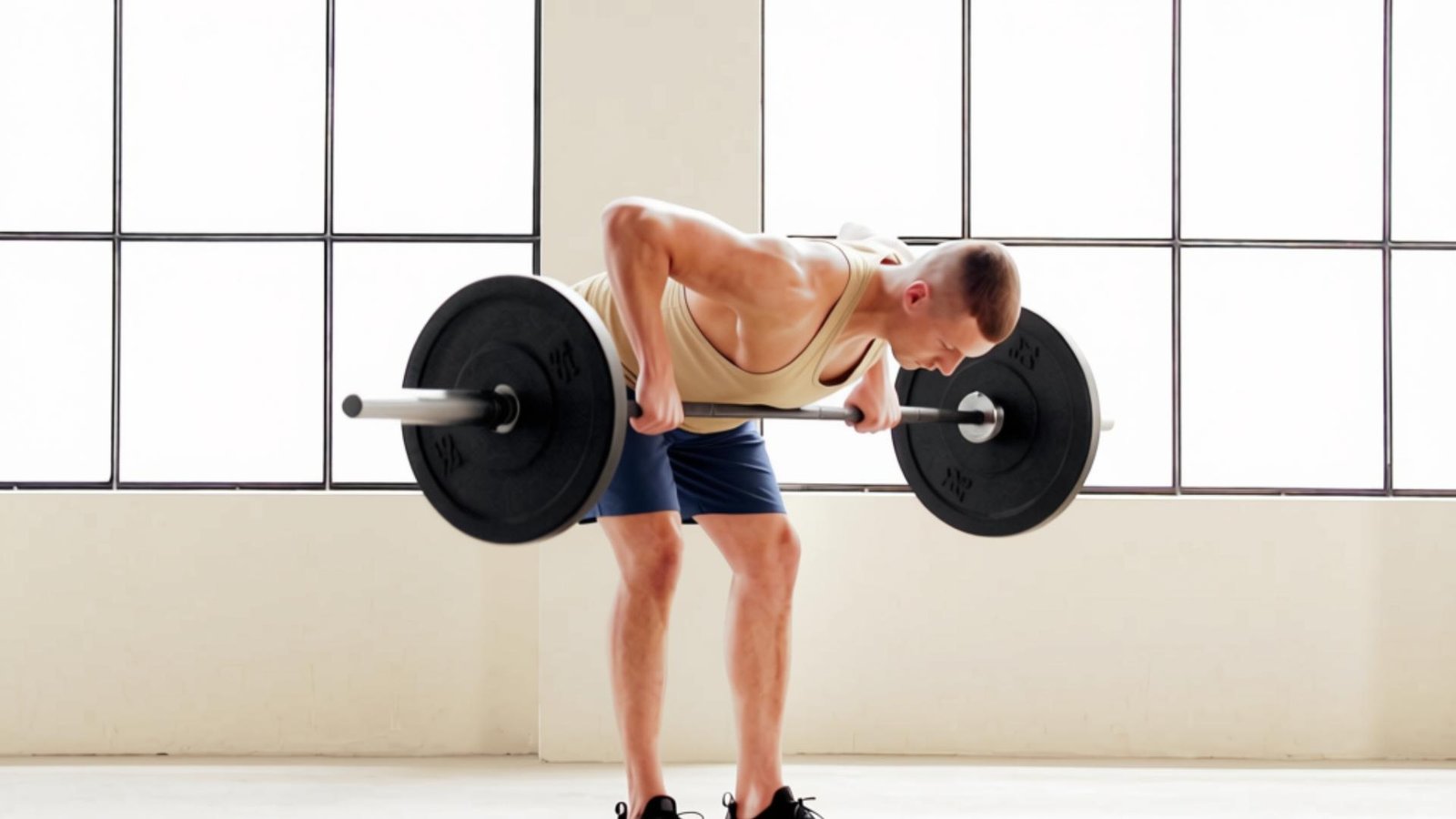
The Pendlay row develops explosive pulling strength while reinforcing proper rowing technique. Begin with the barbell resting on the floor and your back parallel to the ground.
Pull the bar quickly toward your lower chest, then return it completely to the floor before starting the next repetition. Keep your spine neutral and avoid jerking the weight.
8. TRX Row
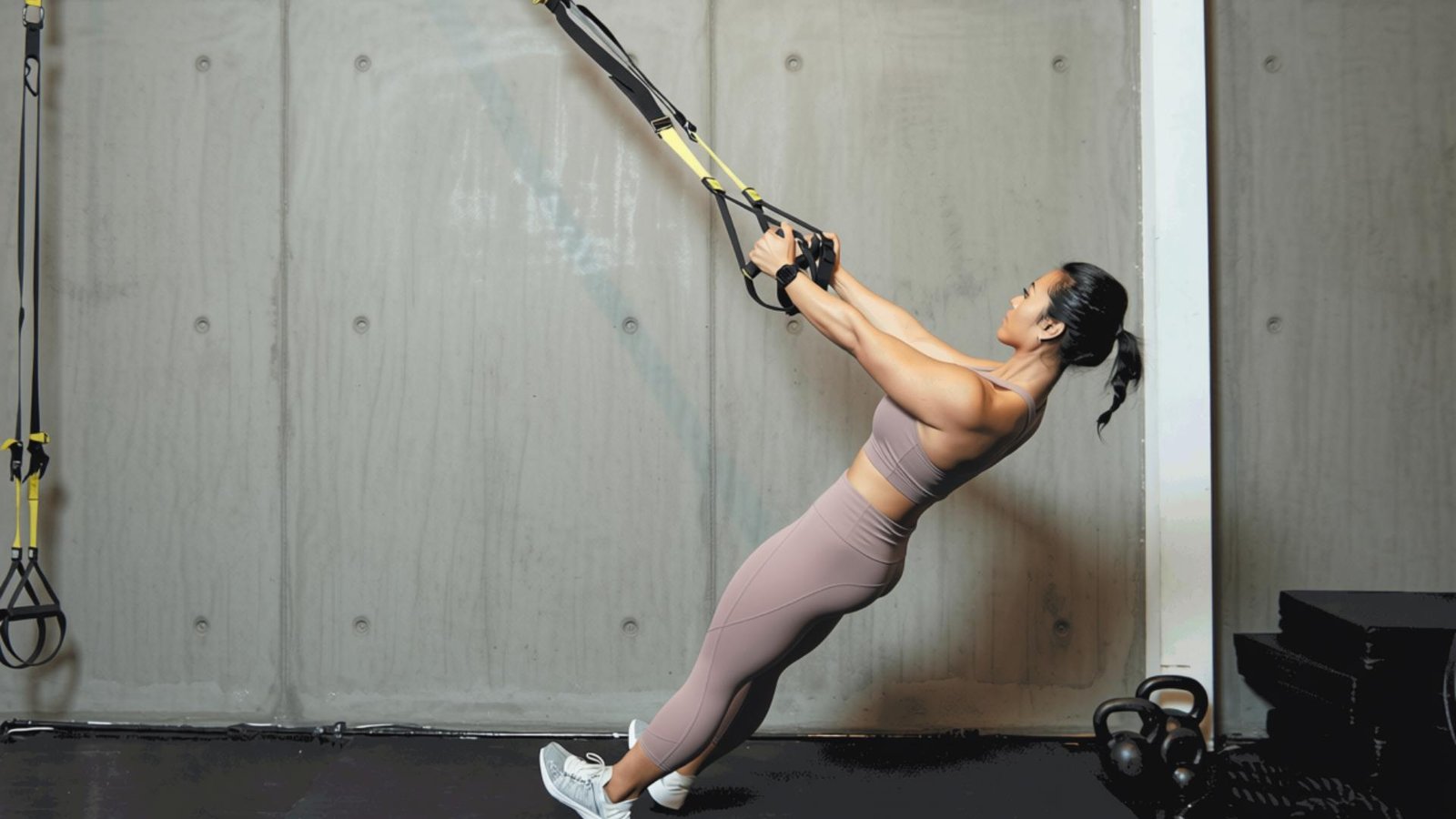
The TRX row is a beginner-friendly exercise that improves upper back strength, shoulder stability, and body control.
Hold the TRX handles and lean backward with your body in a straight line.
Pull your chest toward the handles while keeping your elbows close to your sides. Slowly extend your arms to return to the starting position with control.
9. Single-Arm Cable Row
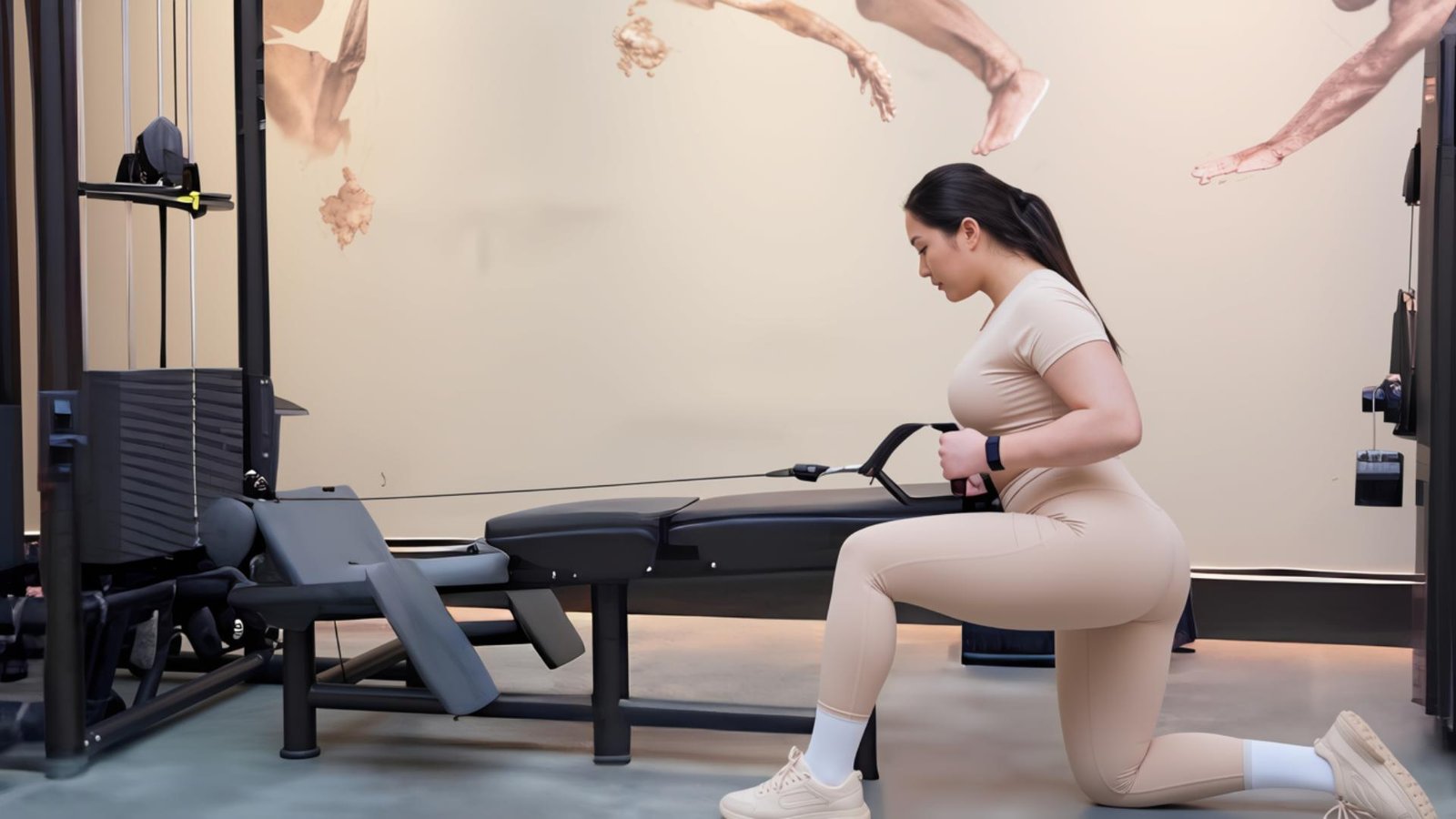
The single-arm cable row strengthens each side of the back independently and improves muscle balance.
Stand or sit facing the cable machine and hold one handle with a neutral grip.
Pull the handle toward your waist while keeping your shoulders level and your chest lifted. Slowly straighten your arm before performing the next repetition.
10. Machine Row
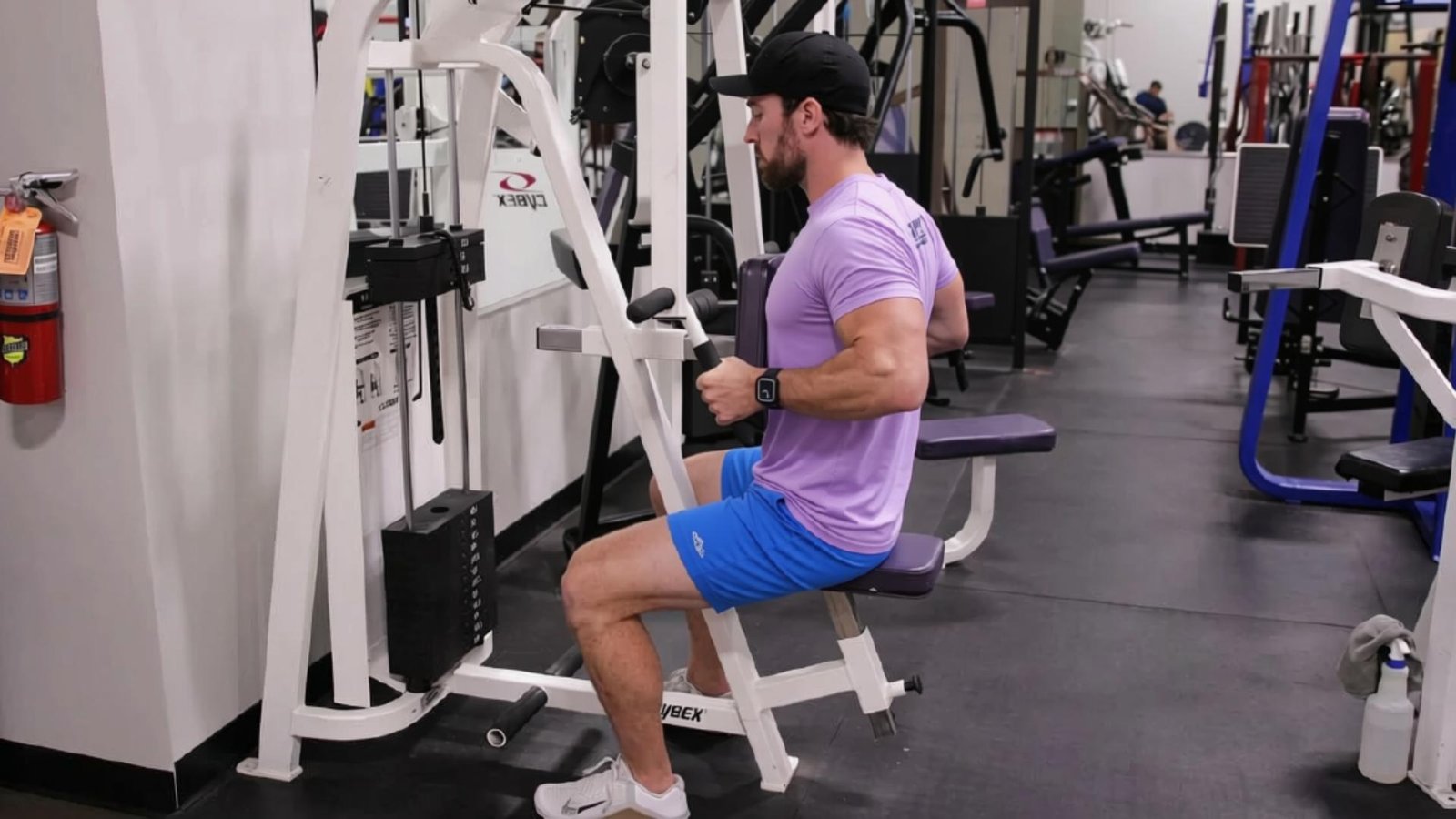
The machine row offers extra stability, making it a good option for beginners learning proper rowing mechanics.
Sit against the chest pad and grip the handles comfortably. Pull the handles toward your torso by driving your elbows backward while squeezing your shoulder blades together.
Return to the starting position slowly without allowing the weight to drop.
11. Face Pull
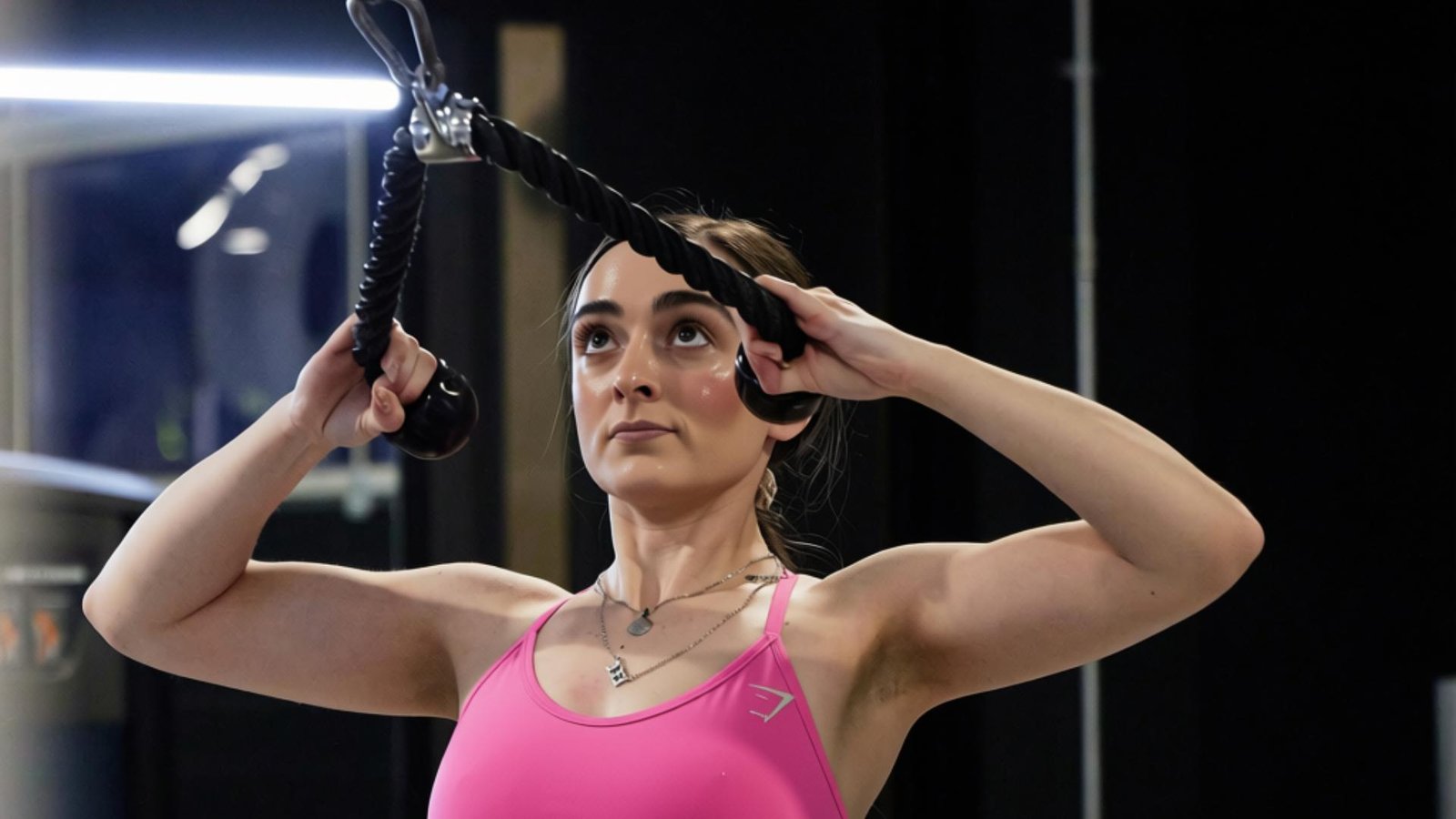
The face pull strengthens the rear shoulders, upper back, and rotator cuff muscles, helping improve posture and shoulder health.
Attach a rope to a cable machine at face height and hold one end in each hand.
Pull the rope toward your face while keeping your elbows high. Pause briefly, then return to the starting position under control.
Muscles Worked During Horizontal Pull Exercises
These exercises strengthen several muscles across the back, shoulders, and arms. Working these muscles together improves pulling strength, posture, shoulder stability, and overall upper-body performance.
| Muscle | Role During Horizontal Pull Exercises |
| Latissimus Dorsi (Lats) | Pull the arms toward the body and help generate power during rowing movements. |
| Rhomboids | Pull the shoulder blades together, improving posture and upper-back stability. |
| Middle Trapezius | Supports shoulder blade movement and helps keep the upper back stable throughout each repetition. |
| Rear Deltoids | Assist with shoulder extension and help control the pulling motion while supporting shoulder health. |
| Biceps | Bend the elbows during the rowing movement and assist the back muscles when pulling the weight. |
| Forearms | Improve grip strength, allowing you to hold the bar, dumbbells, or cable handle more securely. |
| Rotator Cuff | Stabilizes the shoulder joint during pulling movements, helping maintain safe and controlled exercise form. |
| Core Muscles | Keep the torso stable and support proper posture, especially during free-weight rowing exercises. |
| Erector Spinae | Help maintain a neutral spine and support the lower back during bent-over rowing variations. |
Training all of these muscles together helps you build a stronger, more balanced upper body while improving posture, lifting performance, and everyday pulling movements.
Common Mistakes to Avoid
Avoid these common mistakes to improve muscle activation, reduce injury risk, and make every repetition more effective.
- Using momentum: Swinging or jerking the weight takes tension off your back and invites injury. Lift and lower slowly, staying in control.
- Rounding the lower back: This stresses your spine, especially on bent-over rows. Keep your chest up, core engaged, and spine neutral.
- Shrugging the shoulders: Raising them toward your ears shifts work away from your back. Keep shoulders down and squeeze the blades together.
- Pulling with the arms: Relying on your biceps limits back engagement. Lead with your elbows and think about pulling your shoulder blades together.
- Using too much weight: Too heavy means sloppy form and partial reps. Start with a load you can control.
- Skipping full range of motion: Short reps mean less muscle activation. Fully extend at the bottom and pull all the way in.
Correcting these mistakes will help you get more from every workout, improve your technique, and build a stronger, healthier back over time.
Conclusion
Adding horizontal pull exercises to your routine is a simple way to build a stronger back, improve posture, and support better upper-body performance.
The right mix of rowing movements can help you gain strength while keeping your workouts balanced and effective. Start with exercises that match your fitness level, focus on proper form, and increase the challenge as you improve.
Small changes made consistently can lead to steady progress over time. If you found this guide helpful, leave a comment with your favorite exercise, share it with others, or explore our other fitness articles for more training tips.
Frequently Asked Questions
Can I do horizontal pull exercises on recovery days?
Yes, you can perform light resistance or bodyweight variations on recovery days if the intensity is low and your muscles are not overly sore.
Do horizontal pull exercises help improve grip strength?
Yes. Most rowing movements require you to hold weights or handles firmly, which gradually improves grip strength alongside back development.
Are resistance bands good for horizontal pull exercises?
Yes. Resistance bands are a practical option for home workouts and provide enough tension for beginners and those training with limited equipment.
Should athletes include horizontal pull exercises in sports training?
Yes. These exercises help improve upper-body control, pulling power, and shoulder stability, which can benefit many sports and physical activities.
Can seniors perform horizontal pull exercises safely?
Yes. Seniors can use resistance bands, cable machines, or light weights to perform controlled pulling movements after receiving guidance from a qualified fitness professional.