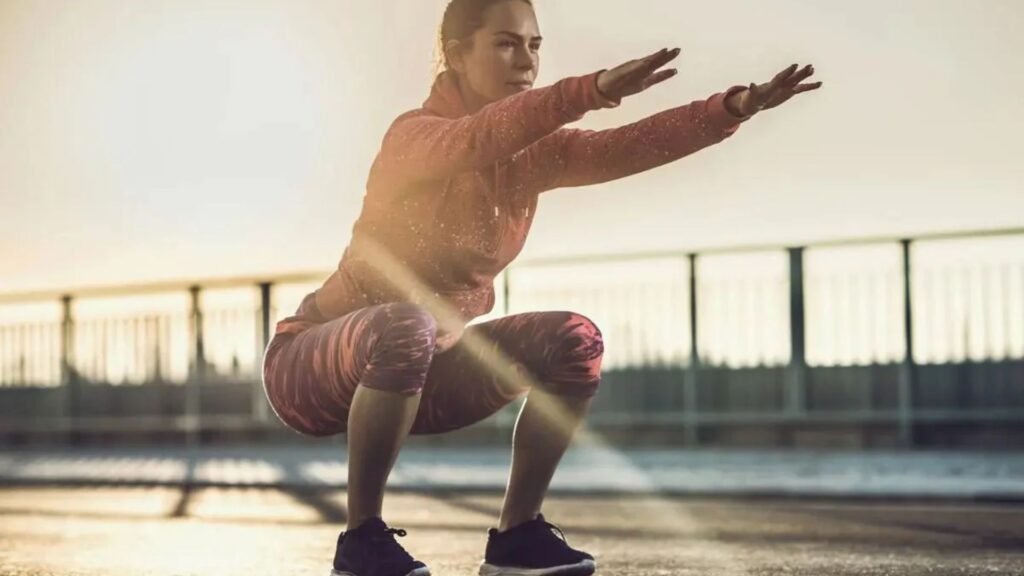
I remember the first time my quads were sore after squats. I could barely walk down the stairs the next day, and every step made my legs feel tight and heavy.
At first, I thought I had done something wrong. But after learning more about strength training, I realized this kind of soreness is often a normal part of building stronger muscles.
Still, sore quads don't always tell the whole story. They can sometimes point to squat technique issues, doing too much too soon, or not giving your body enough time to recover.
In this guide, I'll explain why your quads feel sore after squats, how to tell normal DOMS from a problem, and the best ways to recover faster so you can squat with more confidence next time.
Understanding Thigh Pain After Squats
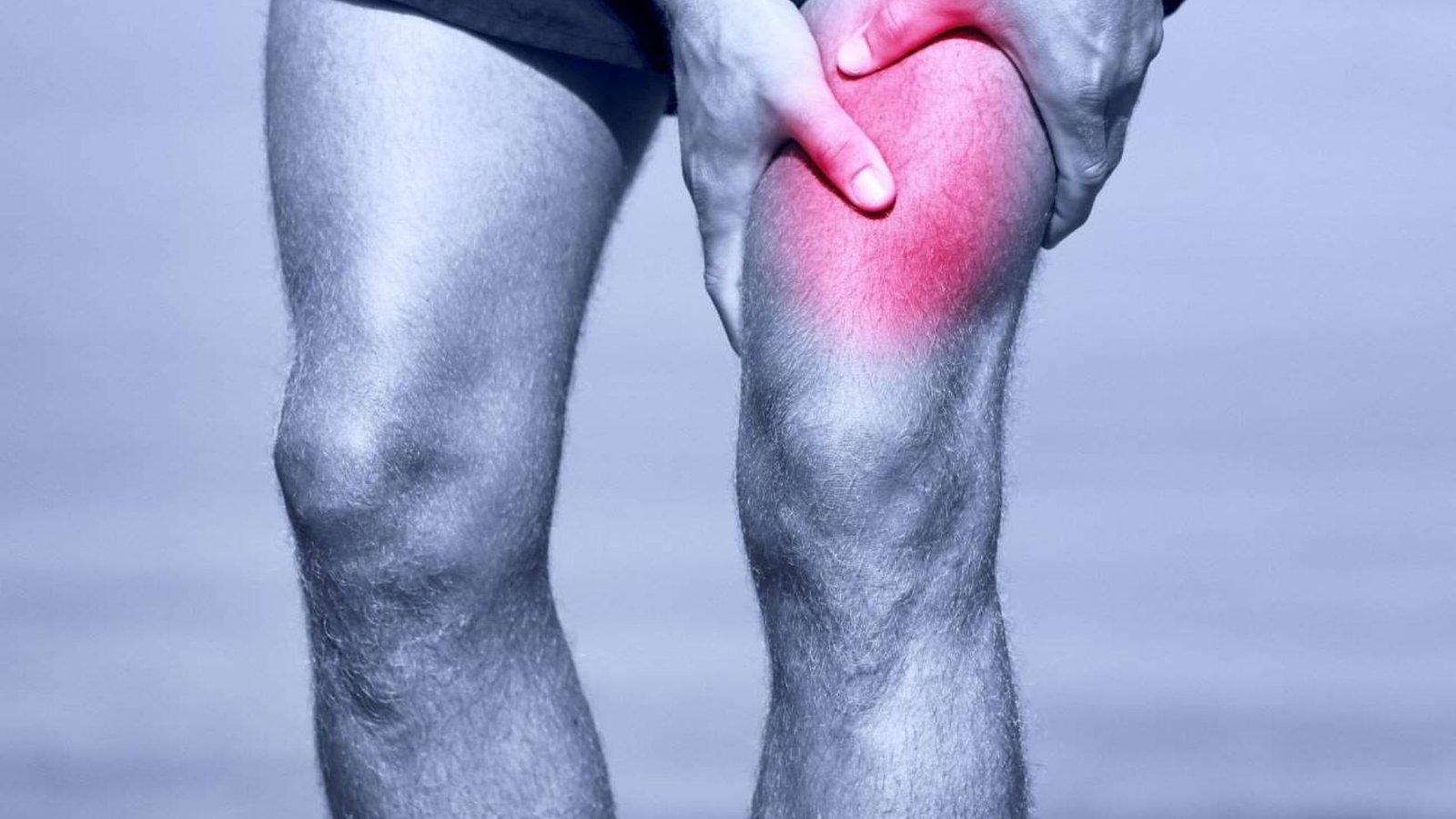
I feel thigh pain after squats because my muscles work hard during the movement. Squats train several lower-body muscles at once, including the quads, hamstrings, glutes, and even the calves and core for stability.
When these muscles are challenged more than usual, tiny tears develop in the muscle fibers. This is a normal part of strength training and helps your muscles rebuild stronger over time. The soreness I feel is usually called Delayed Onset Muscle Soreness (DOMS).
It often starts 12 to 24 hours after my workout and peaks within two or three days. This is different from sharp pain during the squat itself, which may signal an injury.
Dull, tight thigh soreness usually means my muscles are recovering exactly as they should.
Reasons Why Your Quads or Thighs Are Sore After Squats
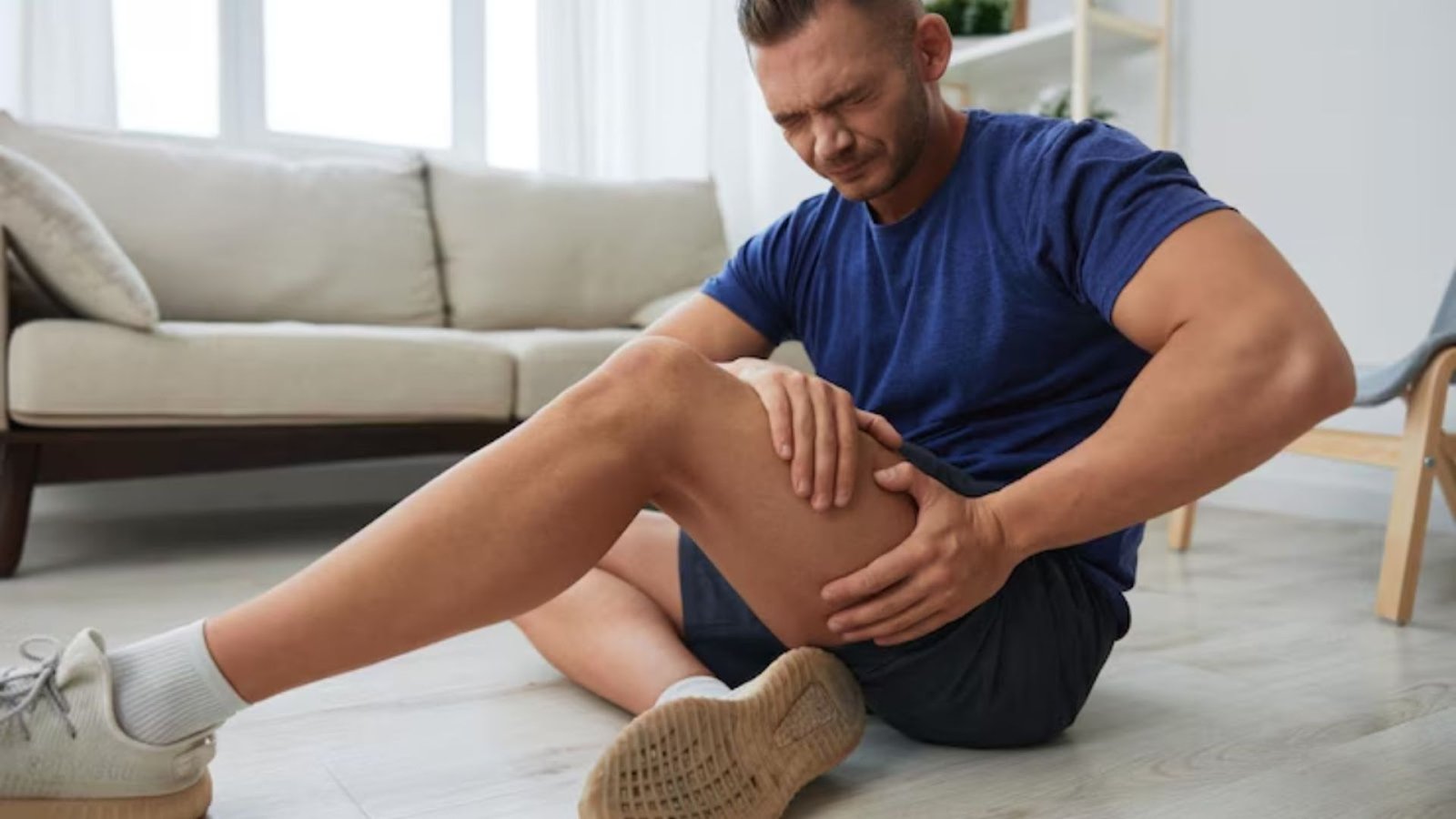
I found many reasons why my quads feel sore after squats. Some are about muscle work. Some are about training habits. These are the main causes.
1. Your Quads Do Most of the Work
My quads handle a big part of the squat movement. They straighten my knee as I stand up. They also control how fast I lower down. And they push me back up to the top.
Since they work through the whole movement, they take on a lot of stress. This heavy workload is a common reason my quads feel sore after squats.
2. Lowering Down Causes Small Muscle Tears
When I lower down slowly, my muscles stretch while under tension. This creates tiny tears in the muscle fibers. It sounds bad, but it is normal. My body repairs these tears after the workout.
This repair process is what makes my muscles stronger over time. It also explains why the lowering part often causes more soreness than standing up.
3.You're New to Squats or Doing More Than Usual
My first few squat workouts always left me sore. My muscles were not used to the movement yet. The same thing happens when I add more weight, more reps, or more sets than usual.
Coming back after a break has the same effect. Any time I push past what my muscles are used to, soreness follows.
4. Some Squat Styles Use Your Quads More
Some squat styles use my quads more than others. High-bar squats and front squats shift more work to the front of my legs. A narrow stance does the same thing.
Heel-elevated squats and keeping my torso upright also increase quad activity. If I switch to one of these styles, my quads often feel sorer than usual.
5. Tight Joints Can Change How You Squat
Tight ankles or tight hips can change how I squat. When my joints don't move well, I may not reach full depth. My body then finds other ways to complete the movement.
These compensation patterns can put extra stress on my quads. Over time, this can lead to more soreness than normal.
6. Poor Recovery Can Make Soreness Worse
Poor sleep slows down muscle repair. Not eating enough protein does the same. Dehydration can make my muscles feel tighter and more sore.
Training my legs too often, without enough rest, adds more strain. These small habits can make normal soreness feel much worse than it should.
Is It Normal DOMS or a Sign Your Squat Technique Needs Work
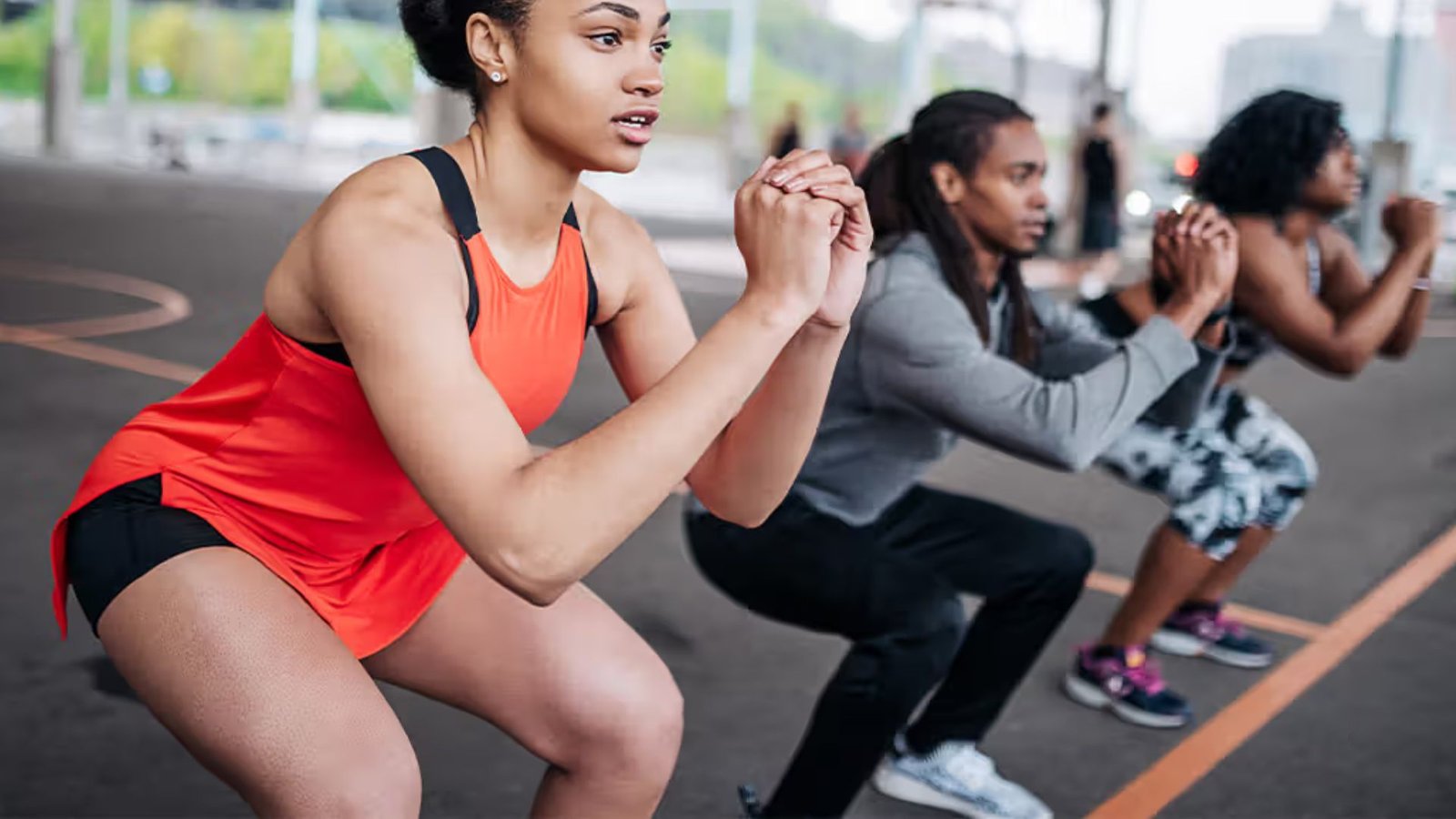
I used to think sore quads meant I did something wrong. That's not always true. Sore muscles alone don't mean bad form. The place, timing, and level of soreness give better clues about what's really going on.
1. Signs It's Normal DOMS
My soreness usually starts a few hours after training, not right away. Both my legs feel sore in a similar way. It gets better each day after the workout.
My legs feel stiff, but I can still move and function normally. If your soreness follows this pattern, it is likely just normal muscle recovery.
2. What Your Muscle Soreness Can Tell You About Your Squat Technique
| Where You Feel It | What It May Mean |
| Mostly quads | Normal for many squat styles or a more knee-dominant squat |
| Quads and glutes | Balanced lower-body muscle engagement |
| Mostly glutes | Greater hip-dominant movement |
| Mostly lower back | Bracing or hip hinge may need improvement |
| Knee pain instead of muscle soreness | Technique or mobility issue worth addressing |
3. Why Your Glutes Might Not Feel Sore
I noticed my glutes don't always feel sore after squats, and that's okay. Not everyone feels soreness in this muscle group. High-bar and front squats naturally put more work on the quads.
Weak glute activation can also play a role. Limited hip mobility is another common cause. Sometimes, I rely too much on my knees instead of my hips during the movement.
Expert Tip: Muscle soreness isn't the best measure of a successful workout. Good technique, steady strength gains, and proper recovery matter much more.
How to Relieve Sore Quads After Squats
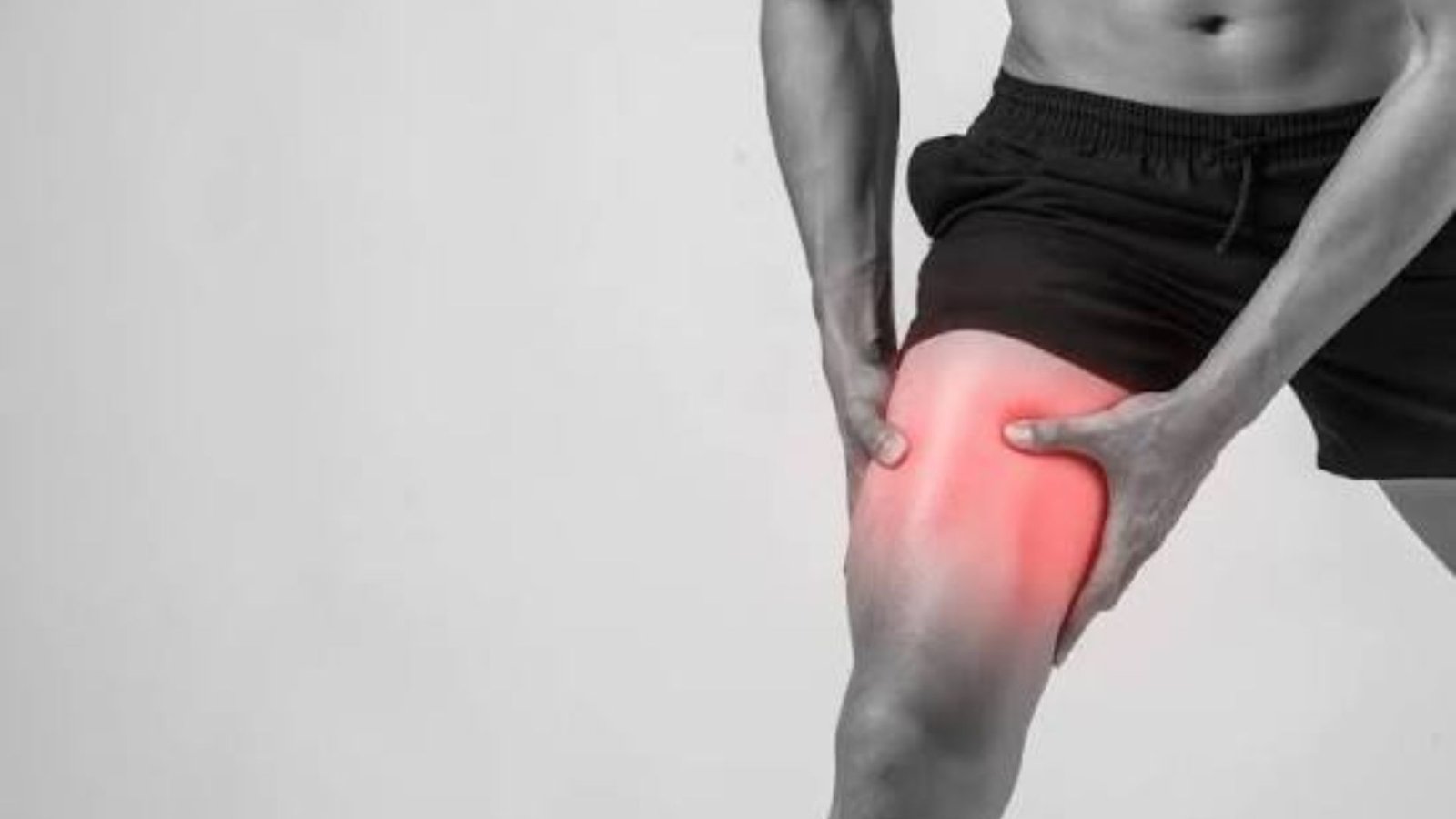
I use a few simple steps to ease sore quads after squats. First, I stay active with light movement.
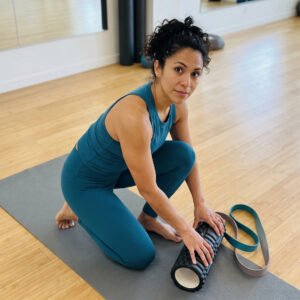
Walking or light cardio keeps blood flowing to my muscles and helps me feel less stiff. I also foam roll my quads for a few minutes to loosen tight muscle tissue.
Gentle stretching helps too, though I avoid deep stretches when my muscles feel very sore.I make sure to eat enough protein and carbohydrates after training, since this helps my muscles repair and refuel.
I also drink plenty of water, because dehydration can make soreness feel worse. Finally, I focus on good sleep each night. My muscles heal best while I rest, so quality sleep matters more than people think.
Should You Squat Again If Your Quads Are Still Sore?
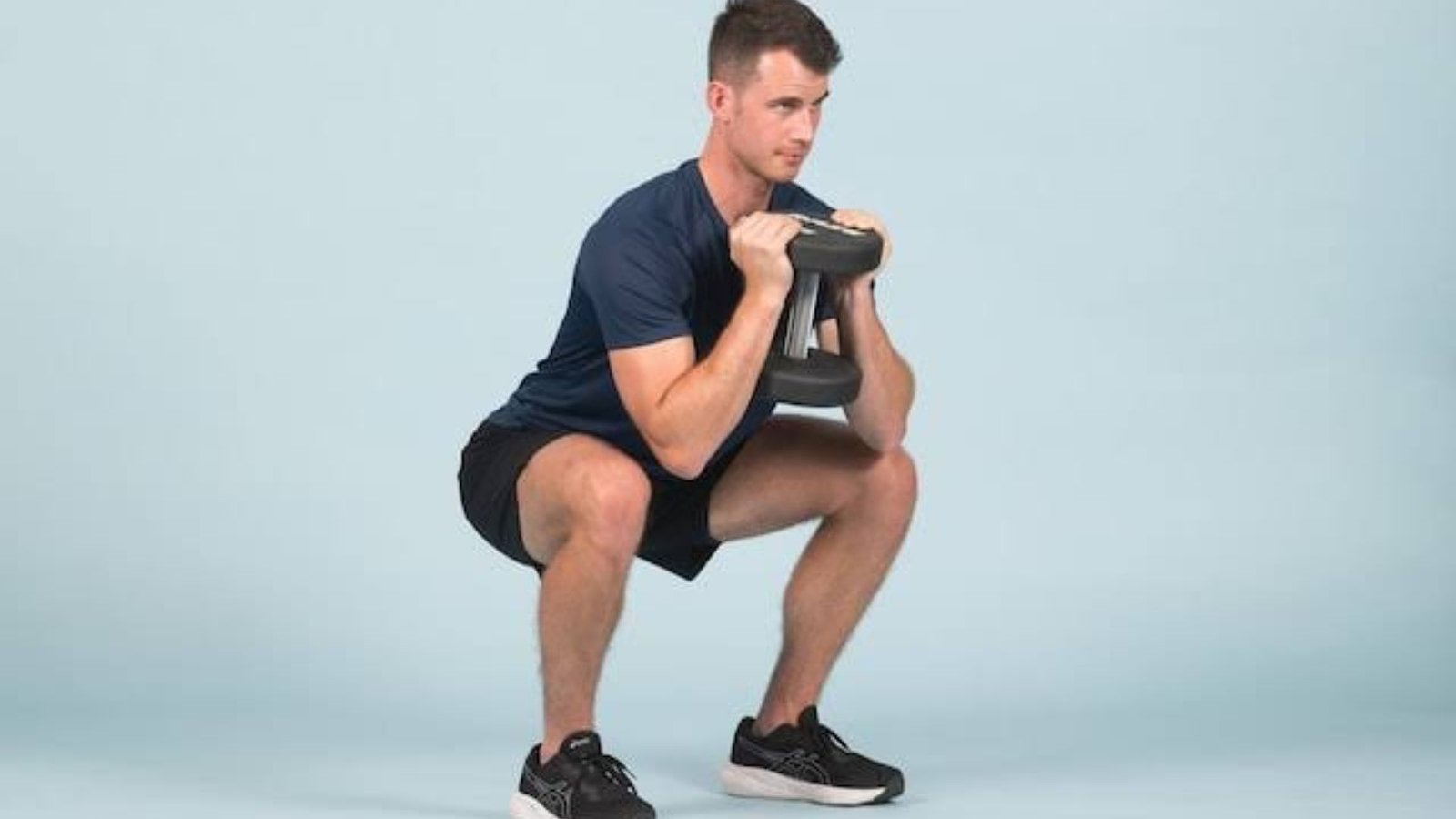
I always check my soreness level before squatting again. This helps me train safely, recover properly, and reduce the risk of injury.
If my soreness is mild, I continue training as planned, but I spend extra time warming up and moving through a full range of motion.
If the soreness feels moderate, I lower the weight, reduce the number of sets or reps, or choose an easier squat variation. When my quads feel very sore, I take an active recovery day with walking, cycling, or mobility work instead of heavy lifting.
However, if I notice sharp pain, swelling, or discomfort during movement, I stop training and address the problem before returning to squats.
Common Mistakes That Make Your Quads Sore After Squats
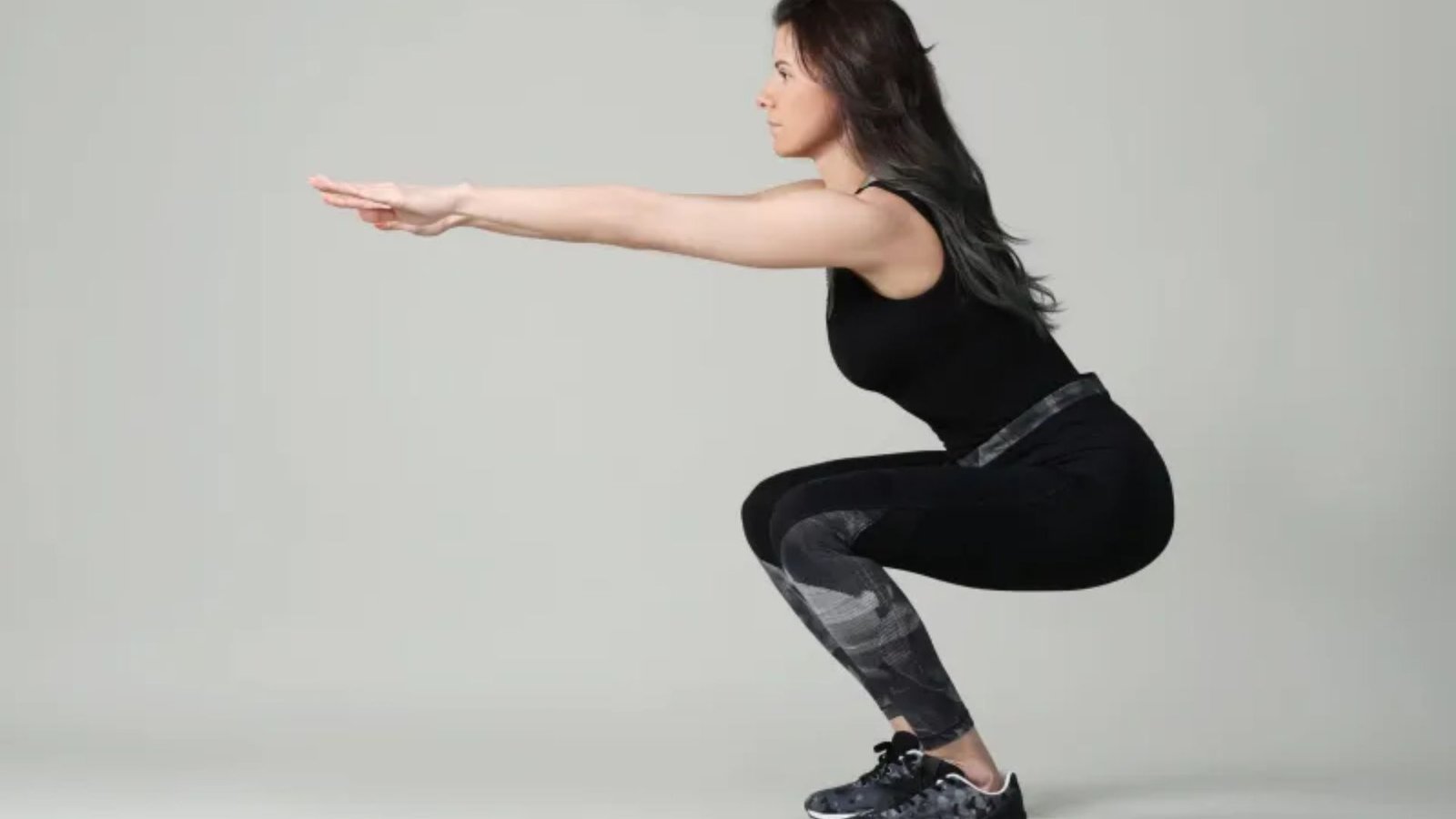
I noticed a few mistakes that put extra load on my quads during squats. One common issue is letting my weight shift onto my toes instead of staying balanced.
Not sitting my hips back enough is another mistake, since this shifts more work to the front of my legs. Letting my knees travel too far forward adds even more strain.
Weak glute engagement and poor ankle mobility can make this worse. Increasing weight too quickly, without building a strong base, also stresses my quads.
Skipping warm-ups leaves my muscles unprepared. Rushing the lowering phase instead of moving with control adds extra pressure too. Fixing these habits helped me squat with better balance and less quad strain.
Quick Prevention Tips For Sore Quads After Future Squats
I follow a few simple habits to keep my quads from getting too sore after squats. These small changes made a big difference for me.
- Warm up before every workout:This prepares my muscles and joints for the movement ahead.
- Improve your squat technique:Good form spreads the work evenly across my lower body.
- Progress weight and volume gradually:Adding too much too fast increases soreness and injury risk.
- Strengthen your glutes and hamstrings:This helps take pressure off my quads.
- Prioritize recovery between leg days:Rest gives my muscles time to repair and grow stronger.
Conclusion
I learned that quads sore after squats is usually a normal part of getting stronger. It often means my muscles worked hard and are repairing themselves.
Soreness alone doesn't tell me if my technique is good or bad. I pay attention to the location, timing, and pattern of soreness to understand what my body is telling me.
I also focus on proper form, warm ups, gradual weight increase, and good sleep, hydration, and nutrition.
If your quads feel sore after squats, don't panic. Train smart and recover well. Have you dealt with sore quads? Share your experience below.
Frequently Asked Questions
How to get rid of sore thighs after squats?
Stay active with light movement, foam roll, stretch gently, eat enough protein, stay hydrated, and get plenty of sleep.
Which muscles should be sore after squats?
It's normal to feel soreness in your quads, glutes, hamstrings, adductors, and occasionally your core after a challenging squat workout.
When is thigh pain after squats more than DOMS?
If the pain is sharp, causes swelling or bruising, affects only one area, or doesn't improve after several days, it may be more than DOMS and should be evaluated.
Will 20 squats a day make a difference?
Yes, doing 20 squats a day can improve lower-body strength and endurance over time, especially for beginners, but progressive overload is needed for continued results.