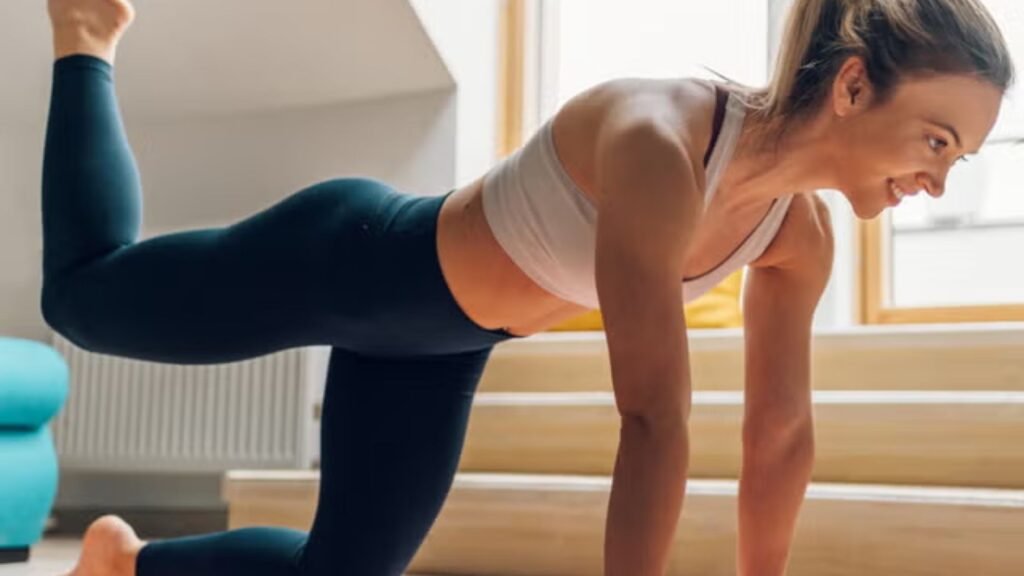
I've always believed strong knees start with strong quads. That's why knee-dominant exercises are a big part of how I train my lower body.
These moves put most of the work on your knees and quads, not your hips. This means your thighs do the heavy lifting while your knees bend and control the motion.
I like these exercises because they build real strength where it matters most. Squats, lunges, and step-ups are common examples you'll see in this list.
Each one targets your quads in a slightly different way. Some also test your balance and control.
In this post, I'll walk you through various knee dominant exercises. I'll explain how to do each one, what muscles they work, and why they help build stronger knees and quads over time.
What Are Knee Dominant Exercises?
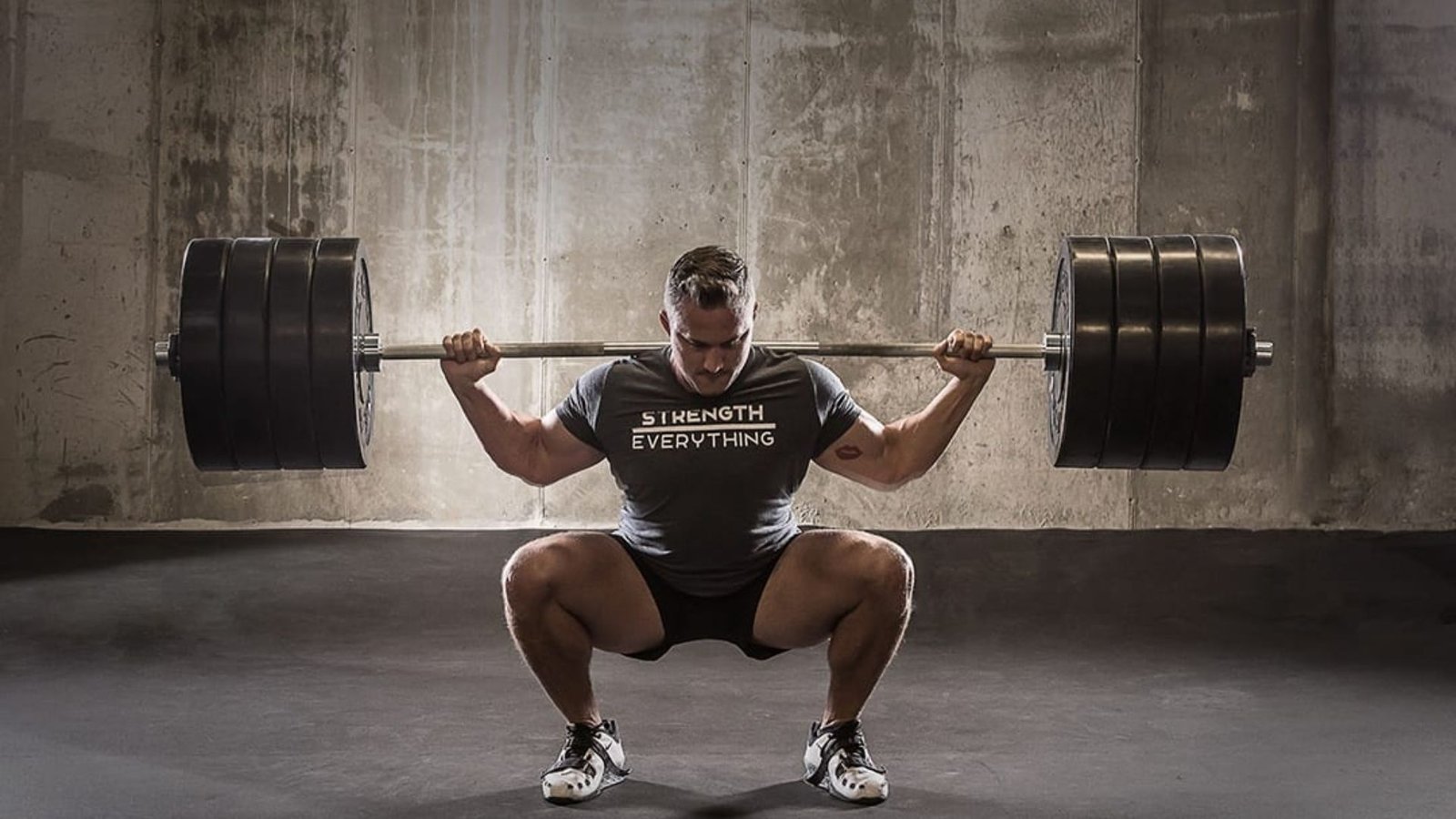
Knee dominant exercises are moves where your knees do most of the work. Your knee joint bends and straightens a lot during the move.
This puts most of the load on your quads, the muscles on the front of your thigh. These exercises are different from hip dominant moves.
Hip dominant moves, like deadlifts, focus on your hips and hamstrings instead. In knee dominant moves, your torso stays more upright. Your knees travel forward over your toes as you bend.
Squats and lunges are good examples. When you drop down into a squat, your knees bend deeply. Your quads work hard to push you back up.
I use these exercises to build leg strength and knee stability. They also help with balance and everyday movements like climbing stairs or standing up from a chair.
The 7 Best Knee Dominant Exercises
These are the best exercises I trust for building strong quads and knees. Each one targets your knees in a different way. Pick a few and add them to your leg day.
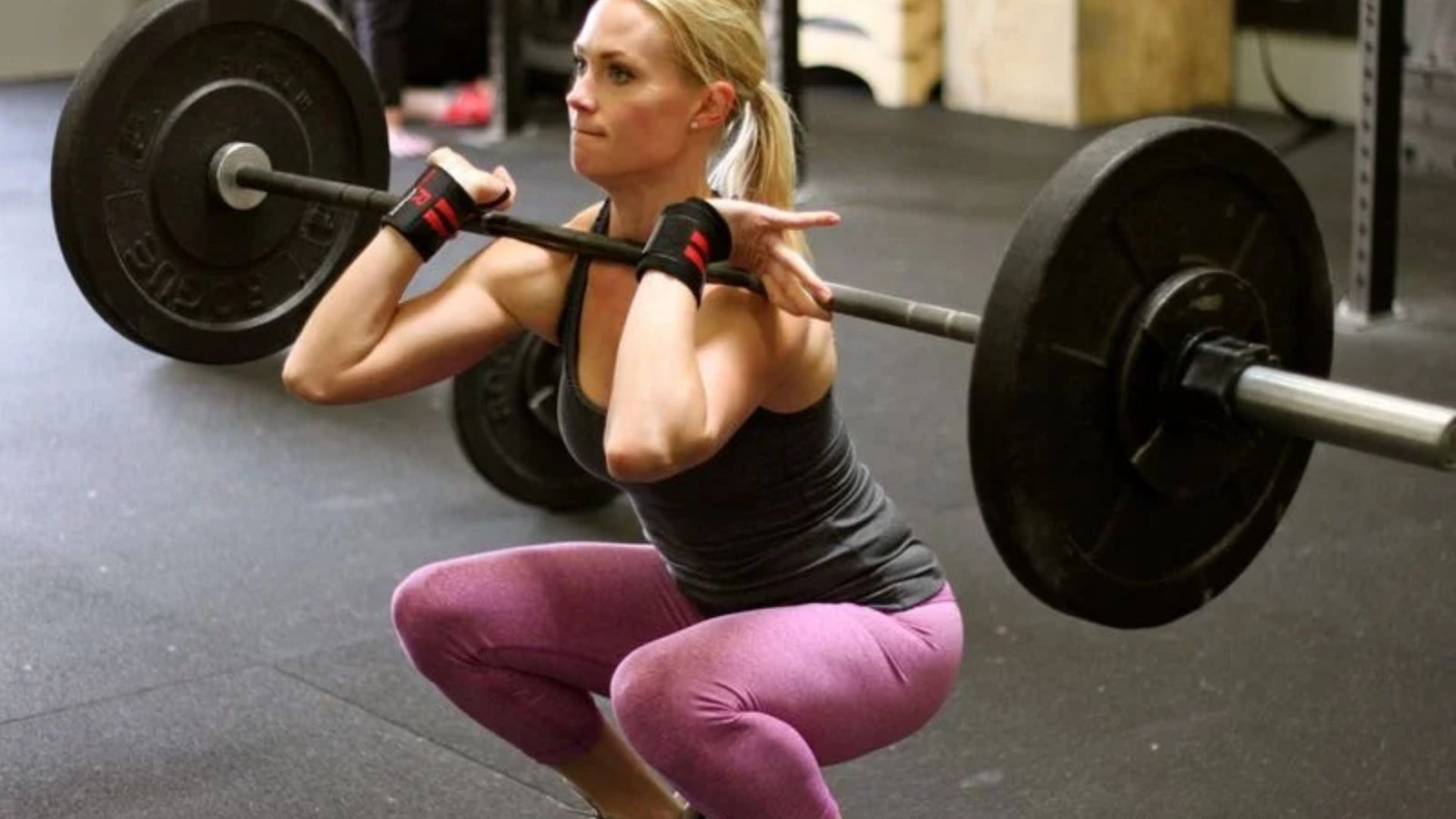
1. Front Squat
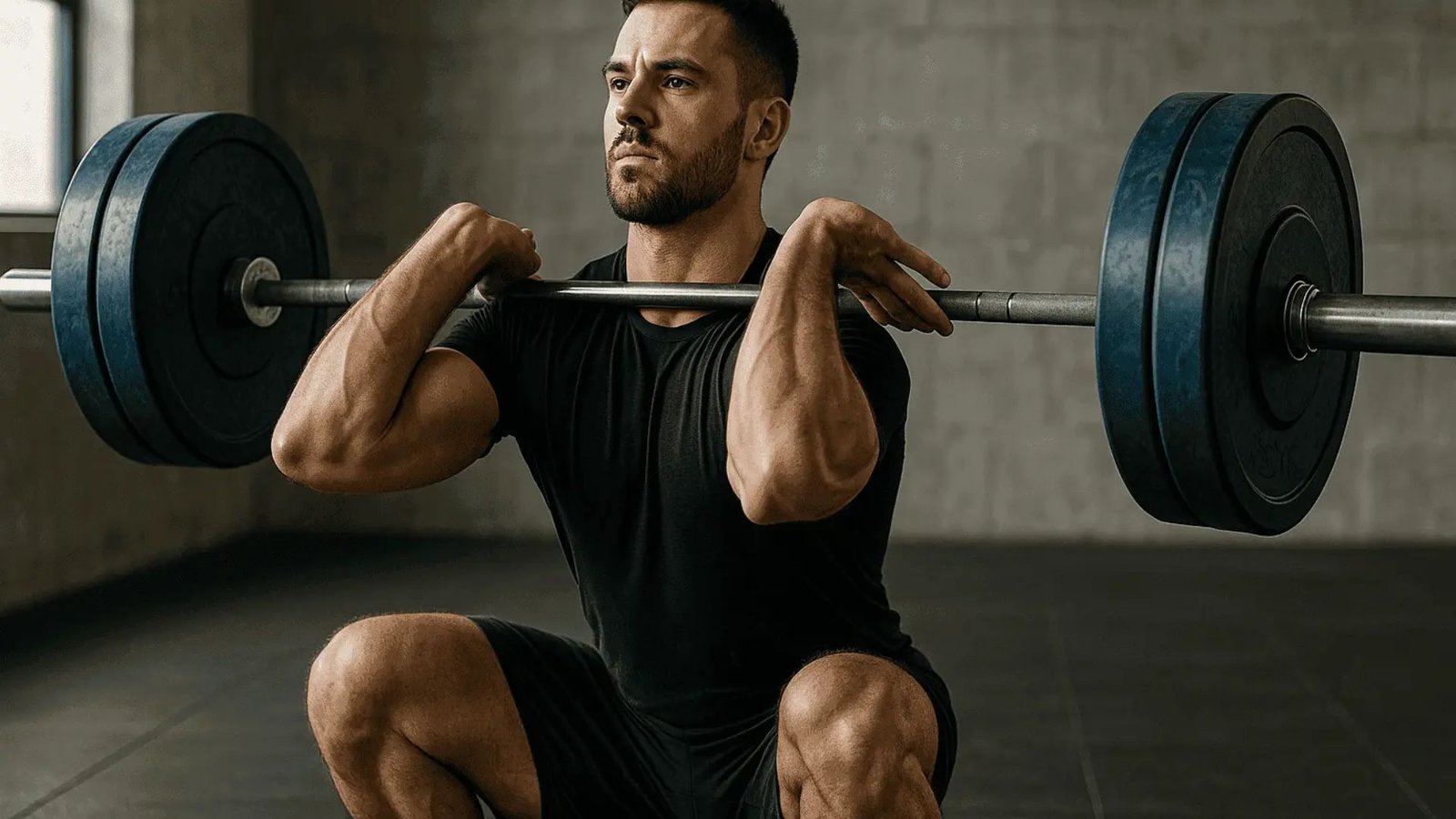
How to do it:
- Rack a bar across the front of your shoulders and stand with feet shoulder-width apart, to start.
- Bend your knees and sit down into a squat, keeping your chest tall.
- Push through your heels to stand back up. That's 1 rep.
Why we like it: It keeps your torso upright and puts more load on your quads than a back squat.
Best for:Lifters who want quad strength without much lower back strain.
Safety Tip:Keep your elbows high so the bar stays steady on your shoulders.
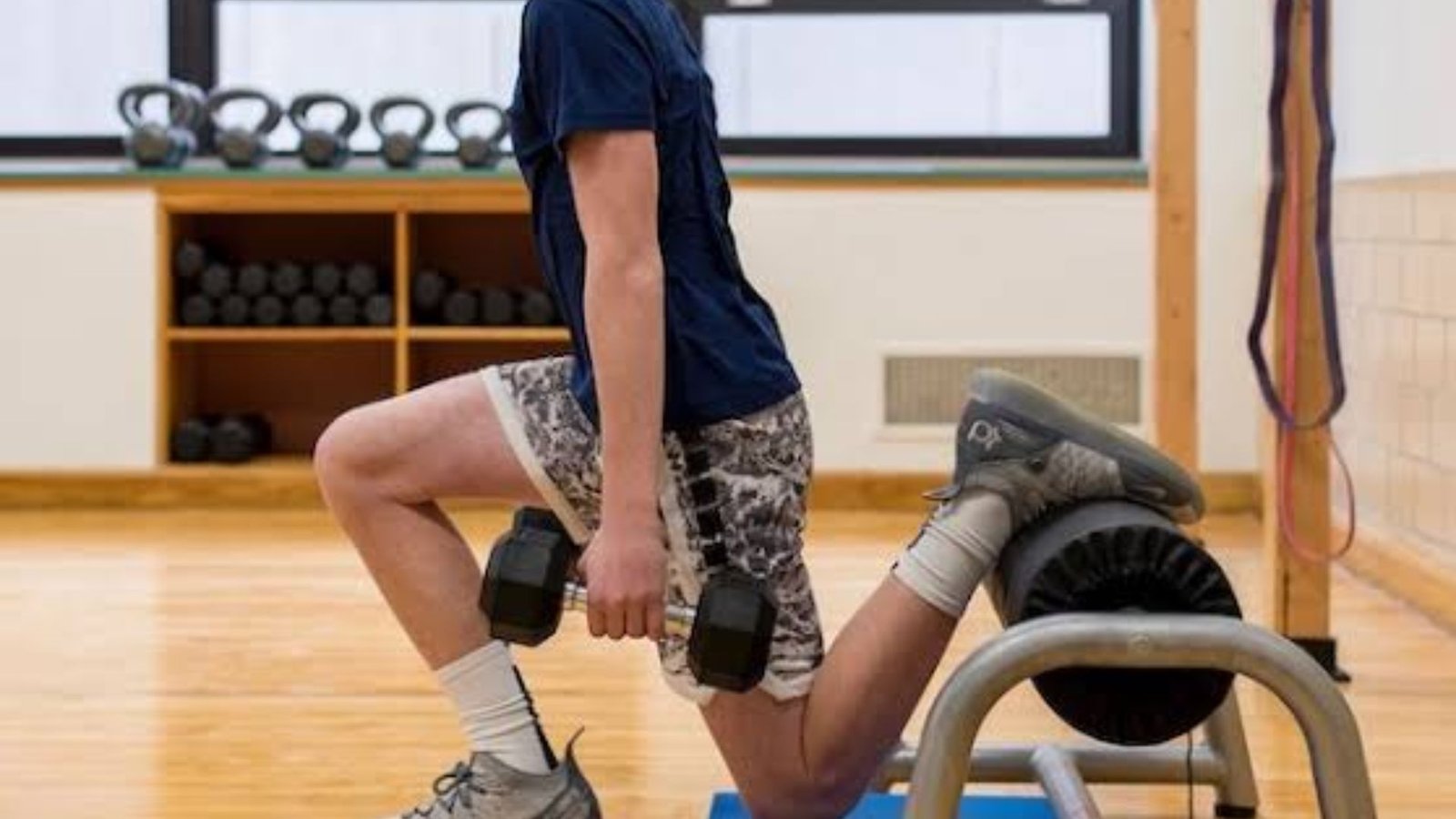
2. Bulgarian Split Squat
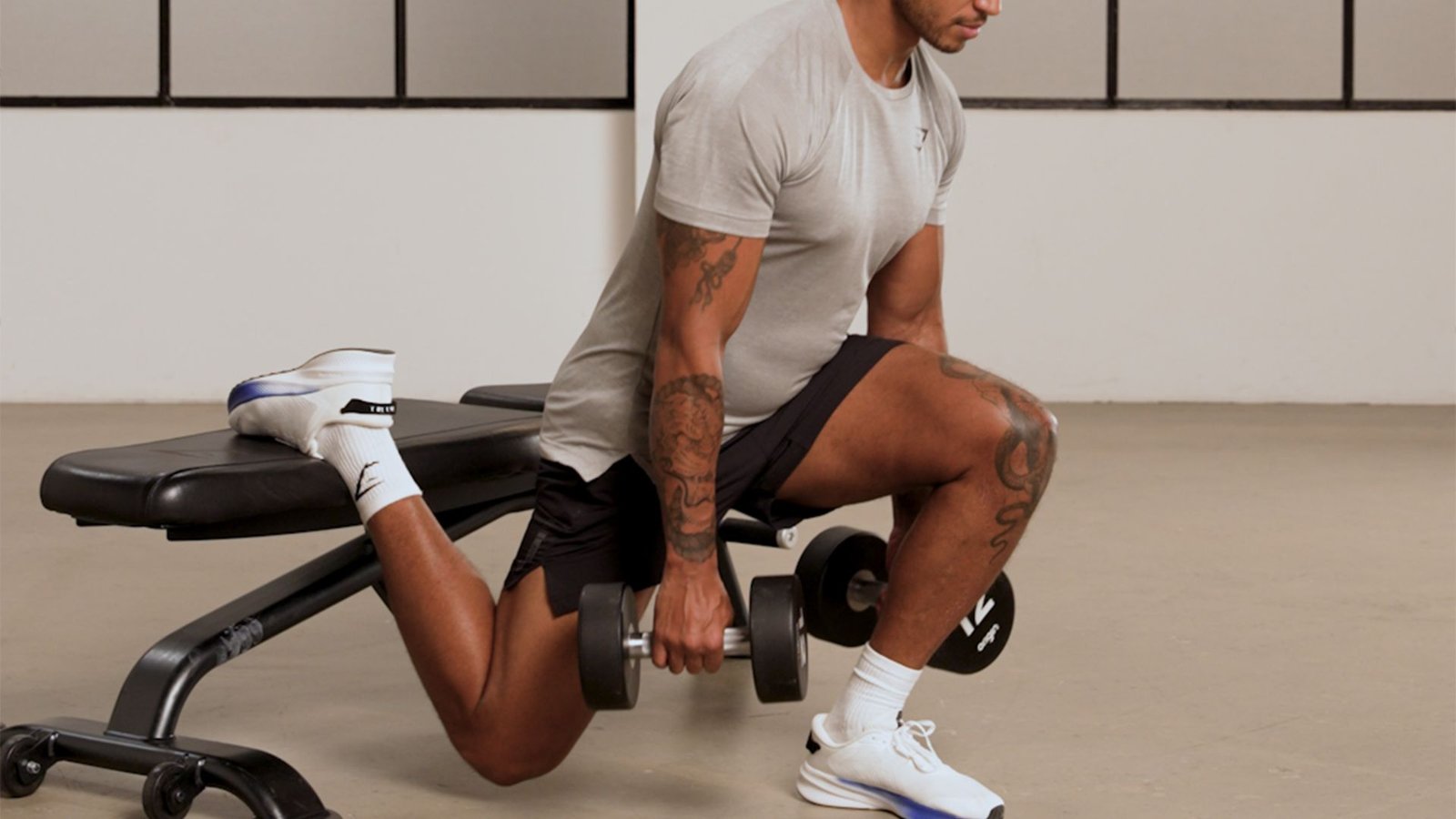
How to do it:
- Rest one foot behind you on a bench and stand tall on your front leg, to start.
- Bend your front knee and lower your body until your back knee nears the floor.
- Push back up through your front foot. That's 1 rep.
Why we like it: It builds strength in one leg at a time and improves balance.
Best for: Anyone who wants to fix strength gaps between legs.
Safety Tip:Keep your front knee lined up with your toes, not caving inward.
3. Heel-Elevated Goblet Squat
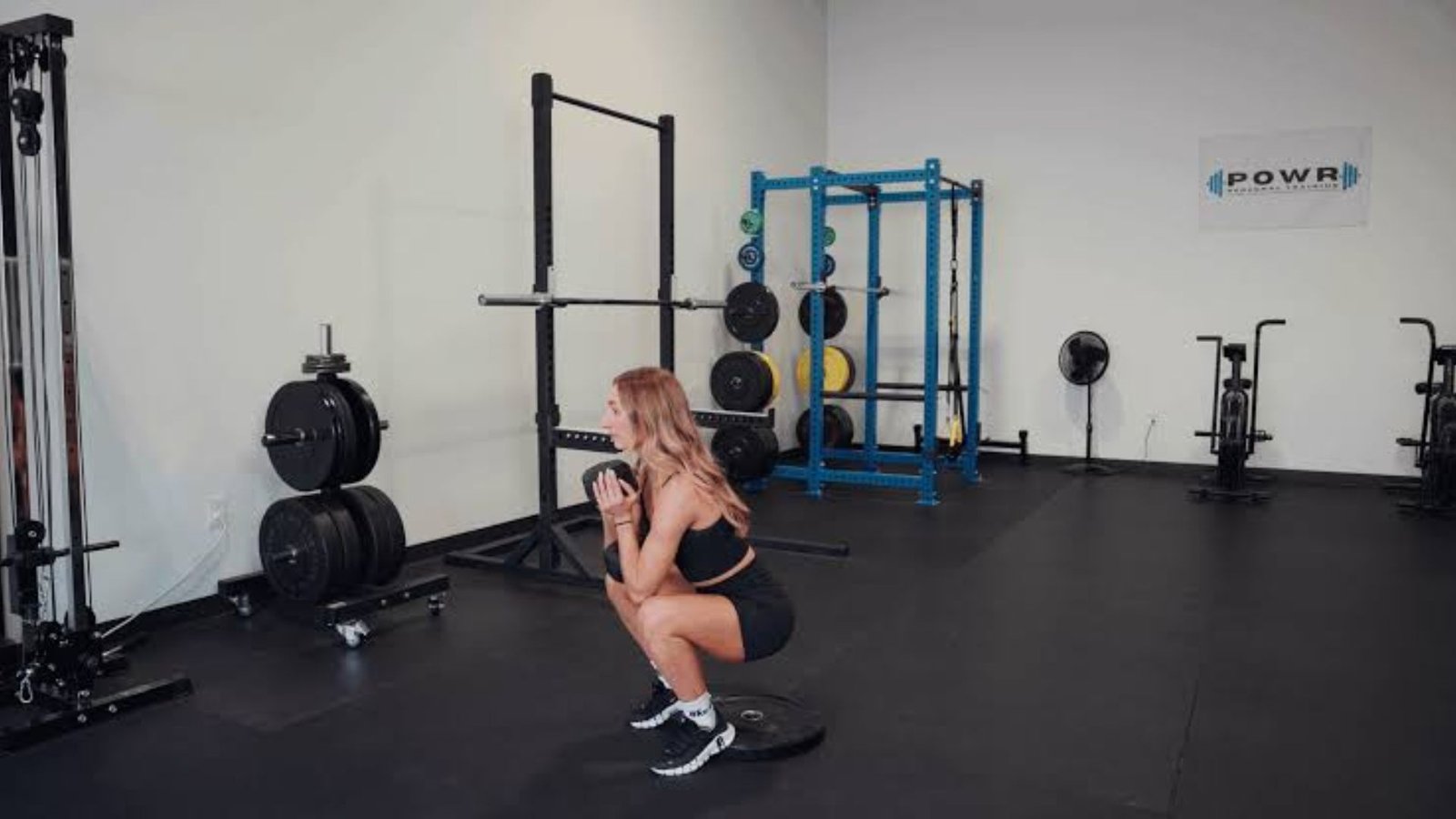
How to do it:
- Stand with your heels on a small platform and hold a dumbbell close to your chest, to start.
- Bend your knees and sit down into a deep squat.
- Push through your feet to stand back up. That's 1 rep.
Why we like it: The heel lift helps you sit deeper into the squat and puts more work on your quads.
Best for: People with tight ankles who struggle with regular squats.
Safety Tip: Start with a light weight until you get used to the heel lift.
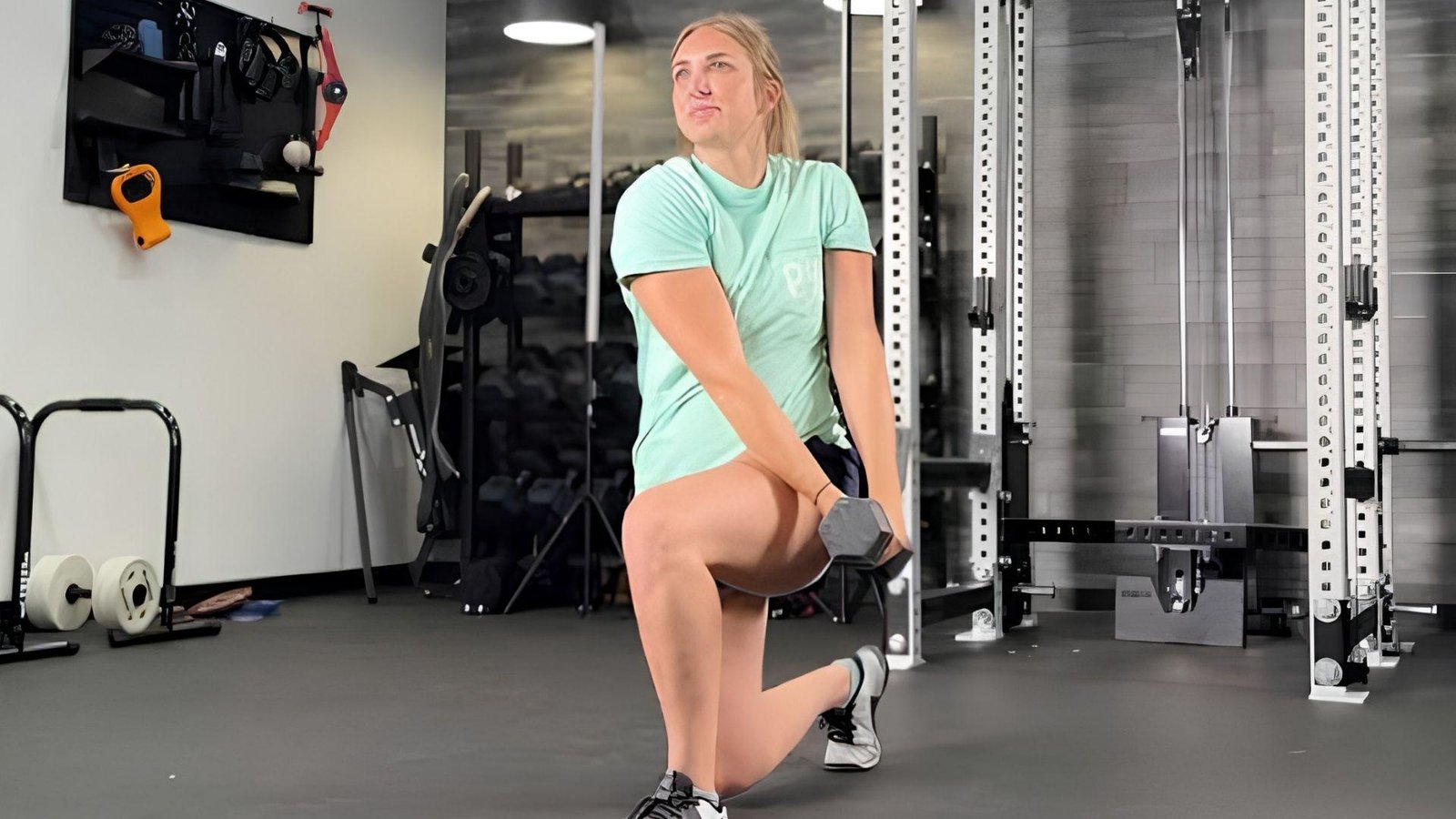
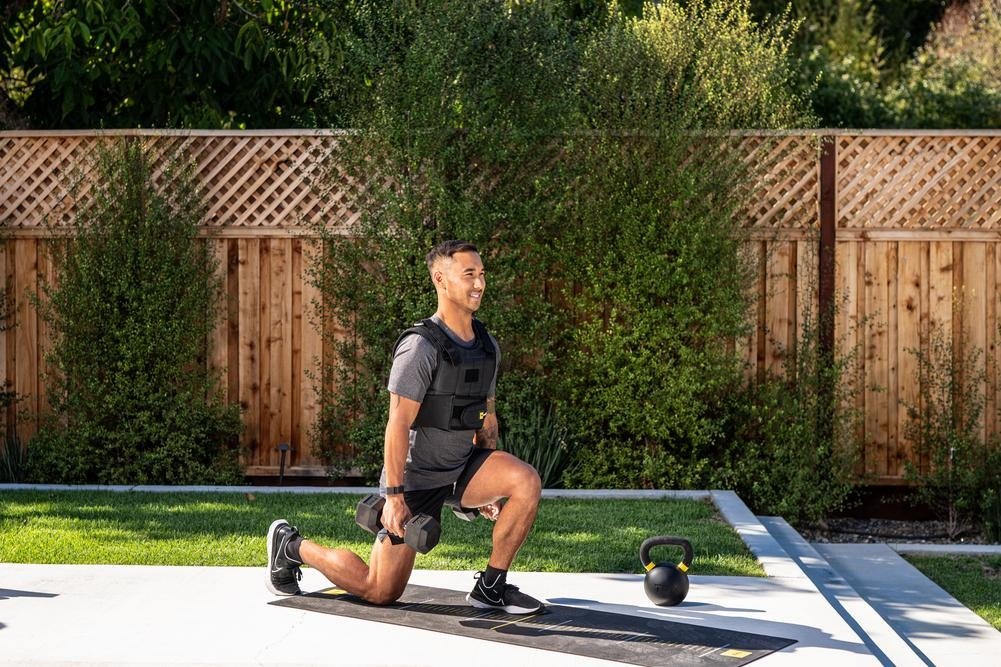
4. Walking Lunges
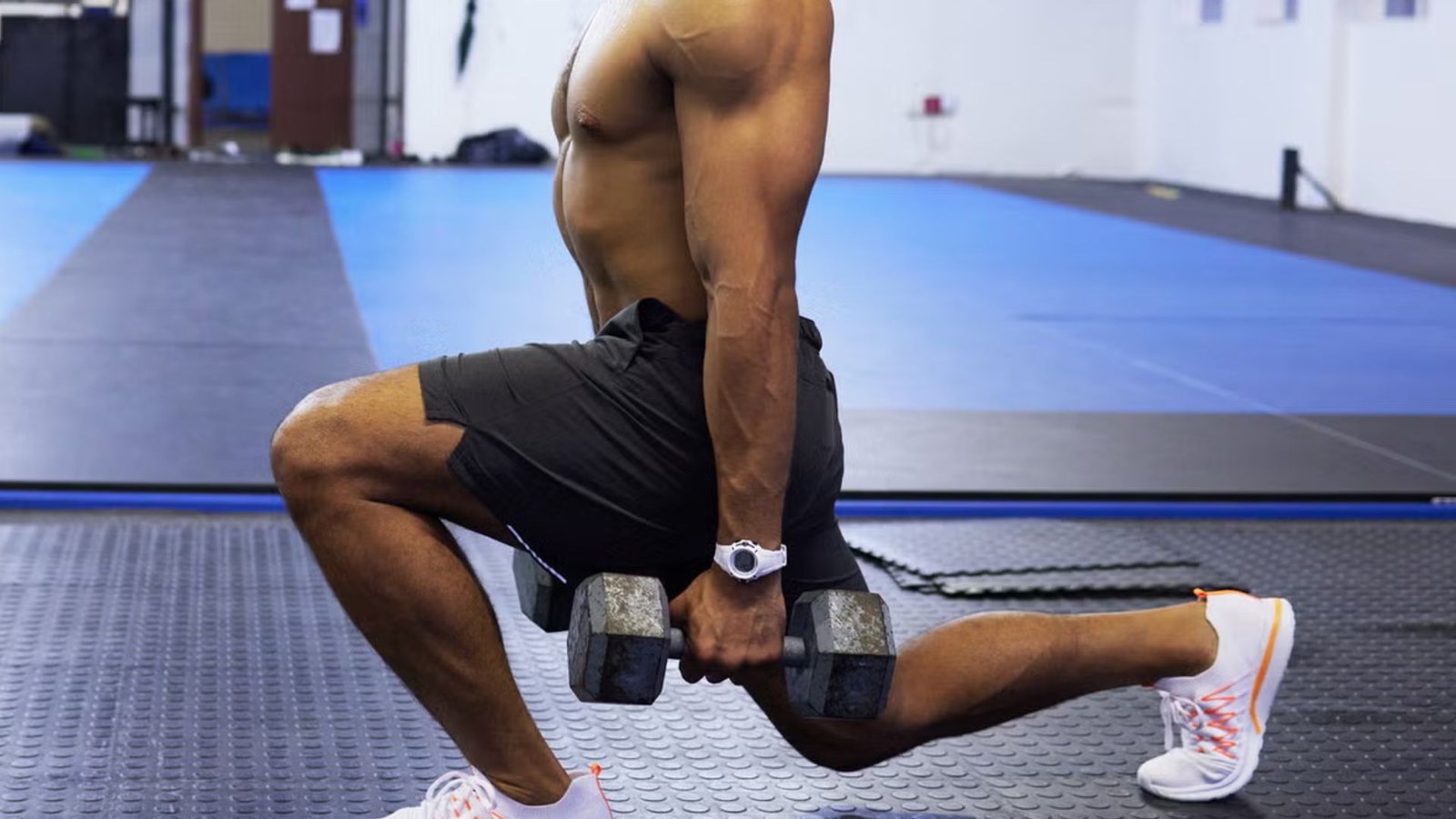
How to do it:
- Stand tall and step forward with one leg, to start.
- Lower your back knee toward the floor, keeping your front knee steady.
- Push off and bring your back leg forward into the next step. That's 1 rep.
Why we like it: It builds strength while also testing balance and coordination.
Best for: Athletes who want strength that carries over to running and sports.
Safety Tip: Take a step long enough that your front knee doesn't shoot past your toes.
5. Step-Ups
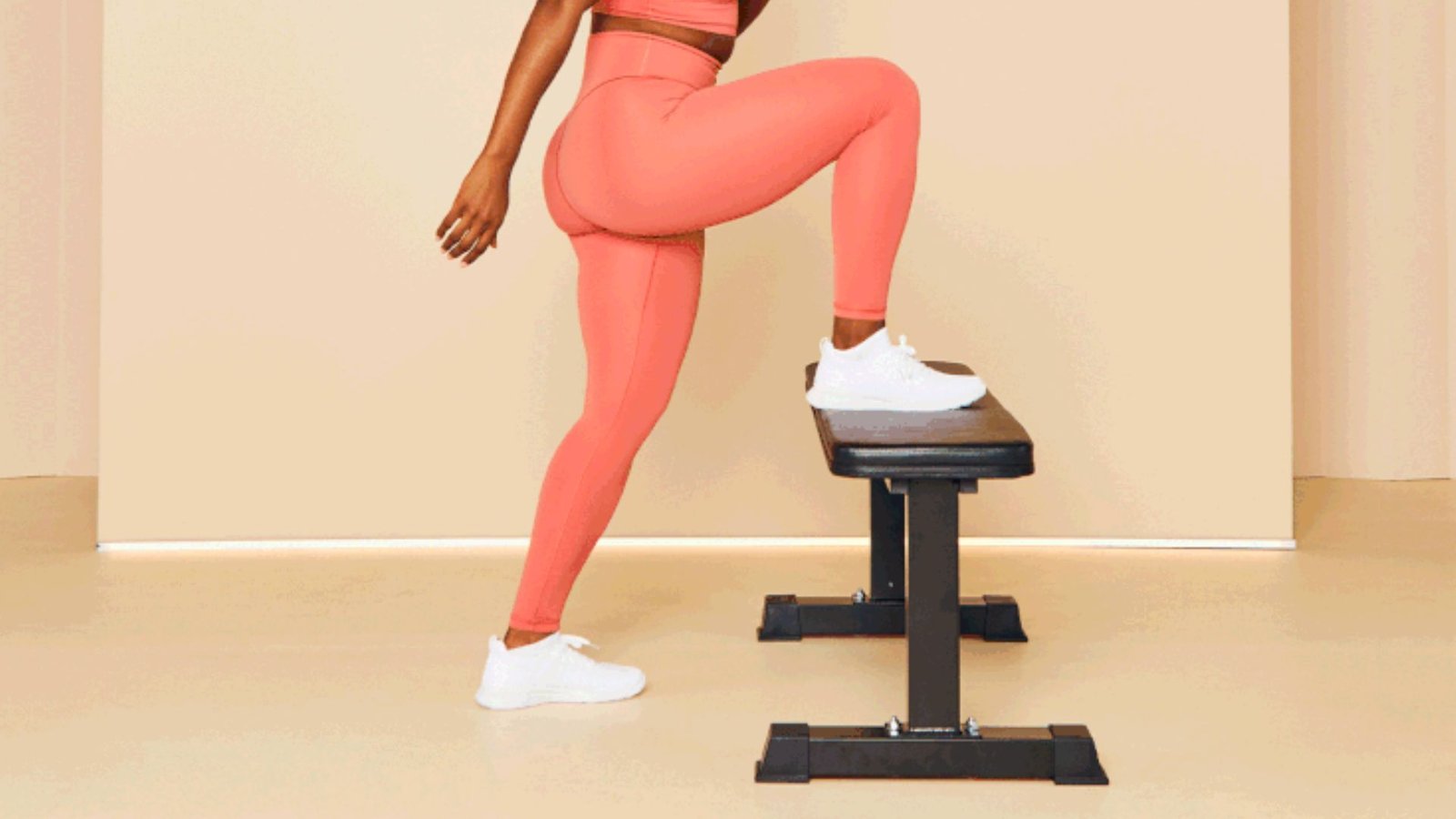
How to do it:
- Step onto a box with one foot, driving the opposite knee up to hip height, to start.
- Pause briefly at the top to balance before stepping back down.
- Alternate legs. That's 1 rep.
Why we like it: It mimics real movements like climbing stairs and builds single-leg strength.
Best for: Beginners and anyone working on balance.
Safety Tip: Pick a box height that lets your knee stay under control, not too high.
6. Hack Squat
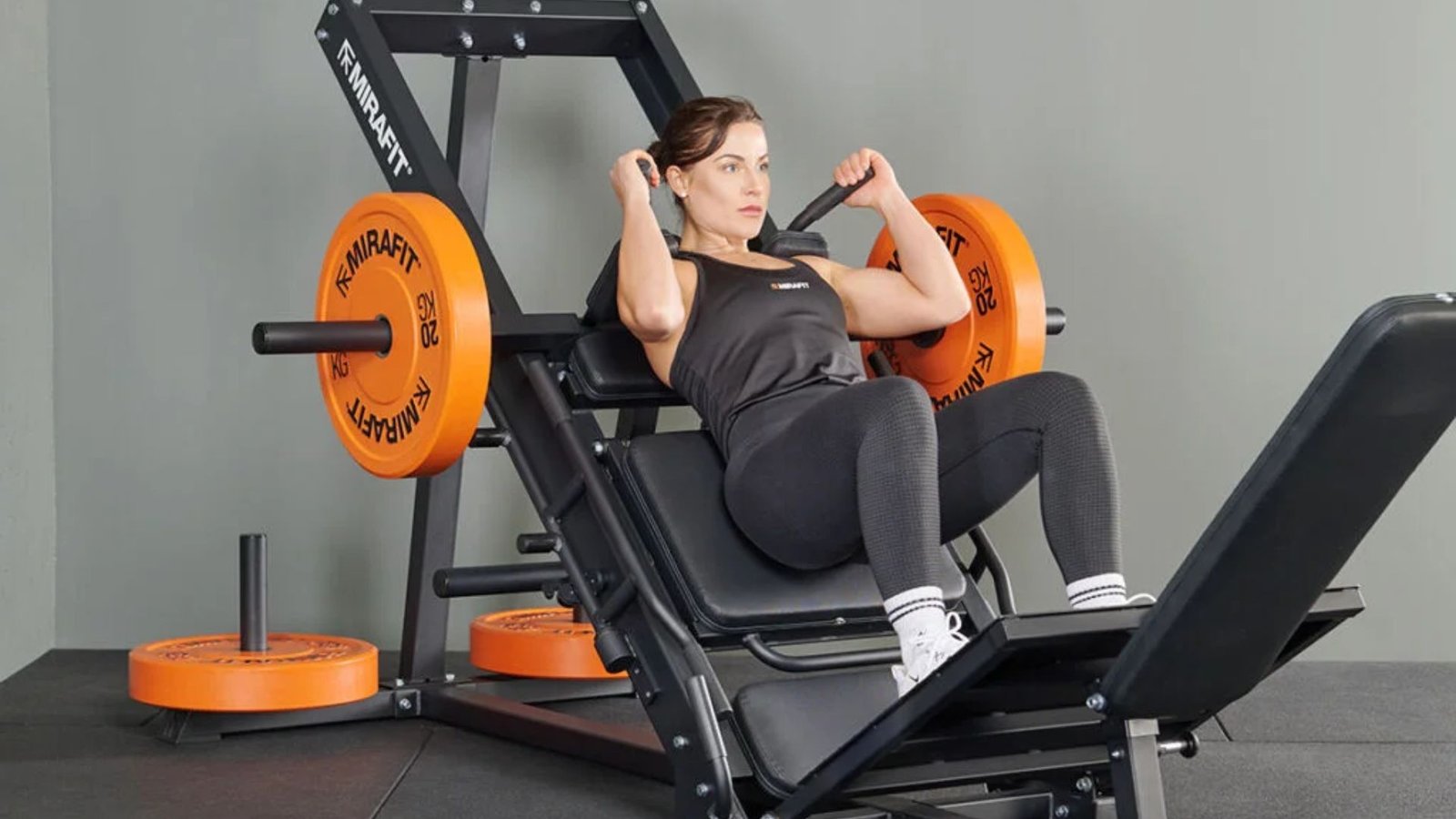
How to do it:
- Set your back and shoulders against the pad on a hack squat machine, to start.
- Lower your body by bending your knees.
- Push back up through your feet. That's 1 rep.
Why we like it:The machine keeps your form steady, so you can focus on pushing hard.
Best for: Lifters who want to load their quads heavily and safely.
Safety Tip: Don't lock your knees out hard at the top of each rep.
7. Leg Extension
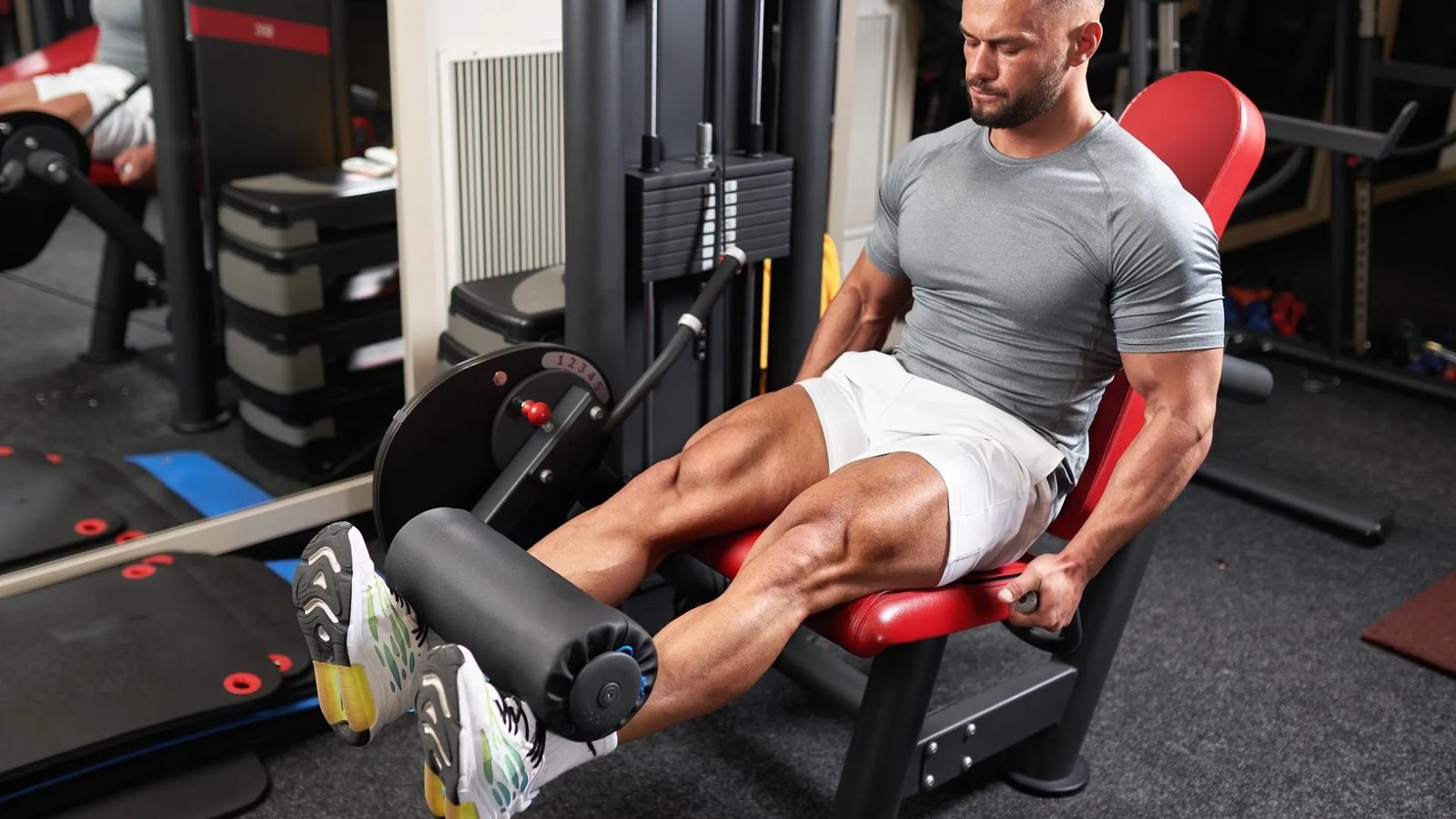
How to do it:
- Sit on the machine with your shins under the pad, to start.
- Straighten your legs to lift the weight.
- Lower it back slowly. That's 1 rep.
Why we like it: It isolates your quads without using your hips or hamstrings.
Best for: Anyone who wants to finish a leg workout with a direct quad move.
Safety Tip: Avoid using very heavy weight, since it can stress your knee joint.
Benefits of Knee Dominant Exercises
I train my knees and quads with these exercises because the benefits go beyond just muscle size. They build stronger quadriceps, which support your knees during daily moves like walking, climbing stairs, or standing up.
They also improve knee stability, so your joints stay safe under load. Better balance is another plus, since many of these moves work one leg at a time.
If you run or jump, these exercises boost your power for both.They also help your squat strength grow across the board.
On top of that, they help create balanced lower-body development, so one leg or muscle group doesn't lag behind. This makes them useful for sports and for daily activities like carrying groceries or playing with your kids.
How to Choose the Right Knee Dominant Exercise
Picking the right exercise depends on your goal. If you want to build quad size, I'd go with the Hack Squat, since it loads your quads directly.
For raw strength, the Front Squat works best, as it challenges your whole body. If balance is your focus, try the Bulgarian Split Squat, since it trains one leg at a time.
New lifters should start with the Goblet Squat, as it's simple and easy to learn. Athletes chasing speed and power should add Step-Ups to their routine.
And if you want a quick burnout at the end of leg day, the Leg Extension is a solid pick. Match the exercise to your goal, and you'll see better results.
How to Add Knee Dominant Exercises to Your Workout
I like to spread these exercises across the week so my knees and quads get enough work without too much strain. A simple 3-day plan works well for most people. Below's how I structure mine.
Sample Weekly Plan
| Day | Focus |
| Monday | Front Squat + Walking Lunges |
| Wednesday | Bulgarian Split Squat + Leg Extension |
| Friday | Hack Squat + Step-Ups |
Sets and reps for strength: Stick to 4-5 sets of 3-6 reps. Use a heavier weight and rest 2-3 minutes between sets.
Sets and reps for muscle growth: Go with 3-4 sets of 8-12 reps. Use a moderate weight and rest about 60-90 seconds between sets.
Recovery tips: Give your legs at least one full day of rest between sessions. Stretch your quads after each workout. Sleep well and drink enough water, since both help your muscles repair. If your knees feel sore or stiff, cut back on load and check your form before adding more weight.
Common Mistakes That Reduce Quad Growth
I've made most of these mistakes myself, and they all slow down quad growth. Letting your knees cave inward puts stress on the joint and takes work away from your quads.
Cutting your range of motion short means you skip the deepest part of the move, where your muscles work hardest. Using too much weight often leads to poor form, which shifts the load away from your quads.
Leaning too far forward shifts work to your hips and lower back instead. Skipping warm-ups leaves your muscles cold and more likely to get hurt. Ignoring single-leg exercises can leave one leg weaker than the other.
And rushing through reps means your muscles don't get enough time under tension to grow. Slow down, fix your form, and your quads will thank you.
Quick Tips to Get Better Results
Small changes can make a big difference in your results. I've picked up these tips over time, and they help me get more out of every leg session.
- Warm up your knees and ankles: A short warm-up gets blood flowing and preps your joints for load.
- Control the lowering phase: Lower slowly instead of dropping down fast. This builds more strength and control.
- Train through a comfortable range of motion: Go as deep as feels safe for your body, without forcing it.
- Progress weight gradually: Add small amounts of weight over time instead of jumping up too fast.
- Pair with hip-dominant exercises: Balance your training by adding moves like deadlifts for full leg development.
- Prioritize recovery and protein intake: Rest well and eat enough protein, since your muscles grow during recovery, not just during your workout.
Conclusion
Knee dominant exercises have made a real difference in how I train my legs. I've walked you through seven great moves, from Front Squats to Leg Extensions, that build stronger quads and knees.
Each one works your knees in a slightly different way, so mixing them keeps your training well-rounded. Strong quads support your knees in everyday life, not just in the gym. Whether it's climbing stairs or playing sports, this work pays off.
Pick a few knee dominant exercises from this list and add them to your next leg day. Start light, and let your strength build over time. Tried any of these? Share your experience in the comments below!
Frequently Asked Questions
What exercises strengthen the knees the most?
Front squats, Bulgarian split squats, step-ups, and leg extensions are among the best exercises for building stronger knees by strengthening the muscles that support the joint.
What exercise is hardest on your knees?
Deep, heavy squats or high-impact jumping exercises can place the most stress on your knees, especially if performed with poor form or excessive weight.
What does knee dominance look like?
Knee dominance means the movement is driven mainly by bending the knees, with the quadriceps doing most of the work instead of the hips and hamstrings.
Should my knees go over the toes?
Yes. In many knee-dominant exercises, it's normal and safe for your knees to move over your toes, as long as you use proper form and stay within a comfortable range of motion.