A lower back injury from squats is one of the most frustrating setbacks a lifter can face. One day you are making progress, and the next, your lower back is tight, sore, or in pain.
This article breaks down why lower back injuries happen during squats, what the common causes are, and how you can fix them.
You will also learn how to spot warning signs early and train more safely going forward.
Most of these injuries are preventable with the right knowledge and a few smart adjustments, and this guide covers everything you need to know to protect your back and keep making progress in the gym.
Understanding Lower Back Injury From Squats
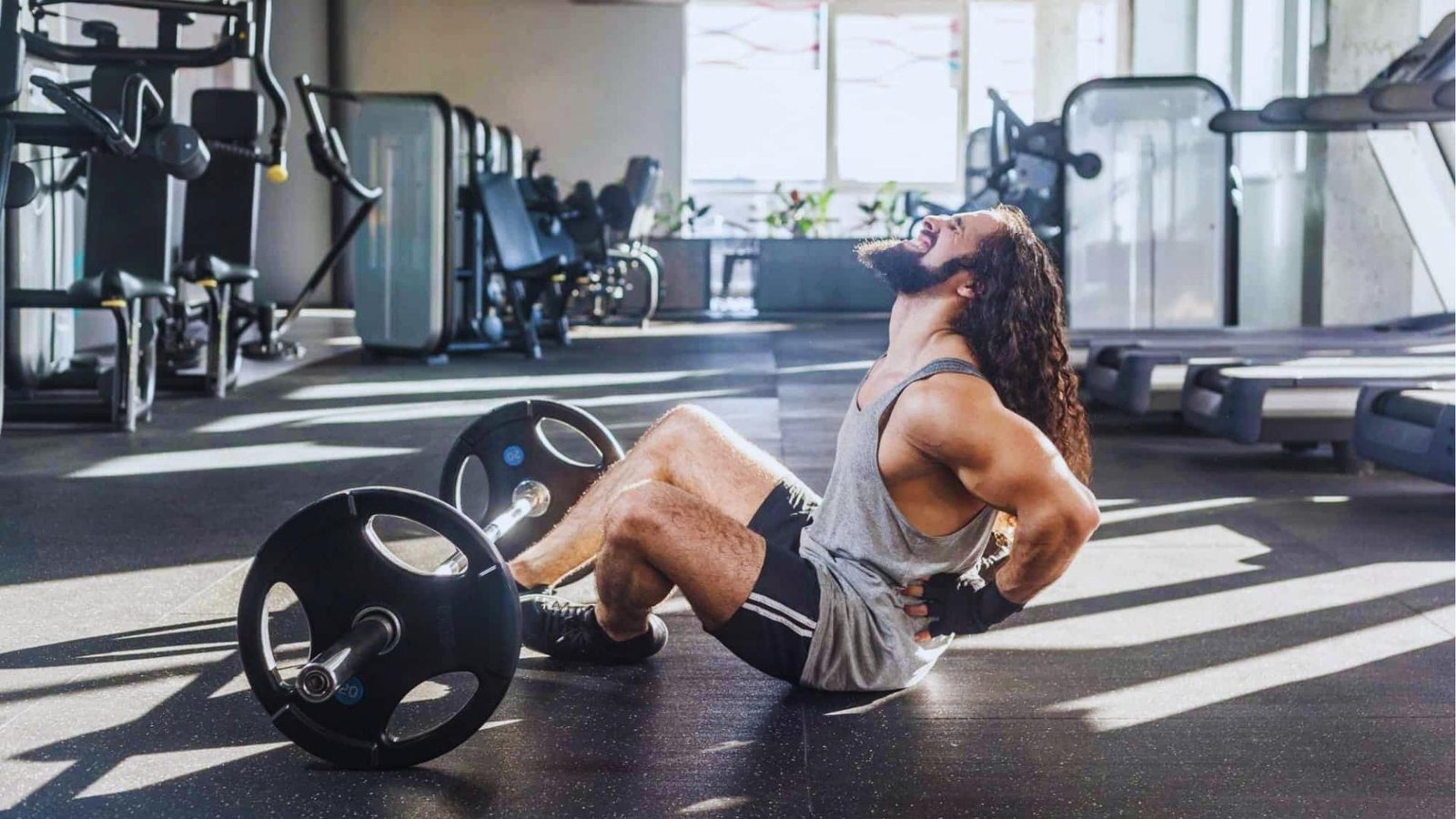
Squats are a full-body movement, but the lower back takes on a lot of responsibility during the lift.
The lumbar spine acts as a stabilizer, keeping your torso upright and transferring force between your upper and lower body.
Muscles like the erectors and multifidus contract to hold a neutral position, but when fatigue or technique breaks down, the spine absorbs more stress than it should.
Not all lower back discomfort means injury though. DOMS is normal and fades within a few days, while an actual injury brings sharp pain or discomfort that does not improve with rest.
Beginners, those with limited mobility, people who progress weight too fast, and anyone with pre-existing spinal conditions face the highest risk.
What Causes Lower Back Injury From Squats?
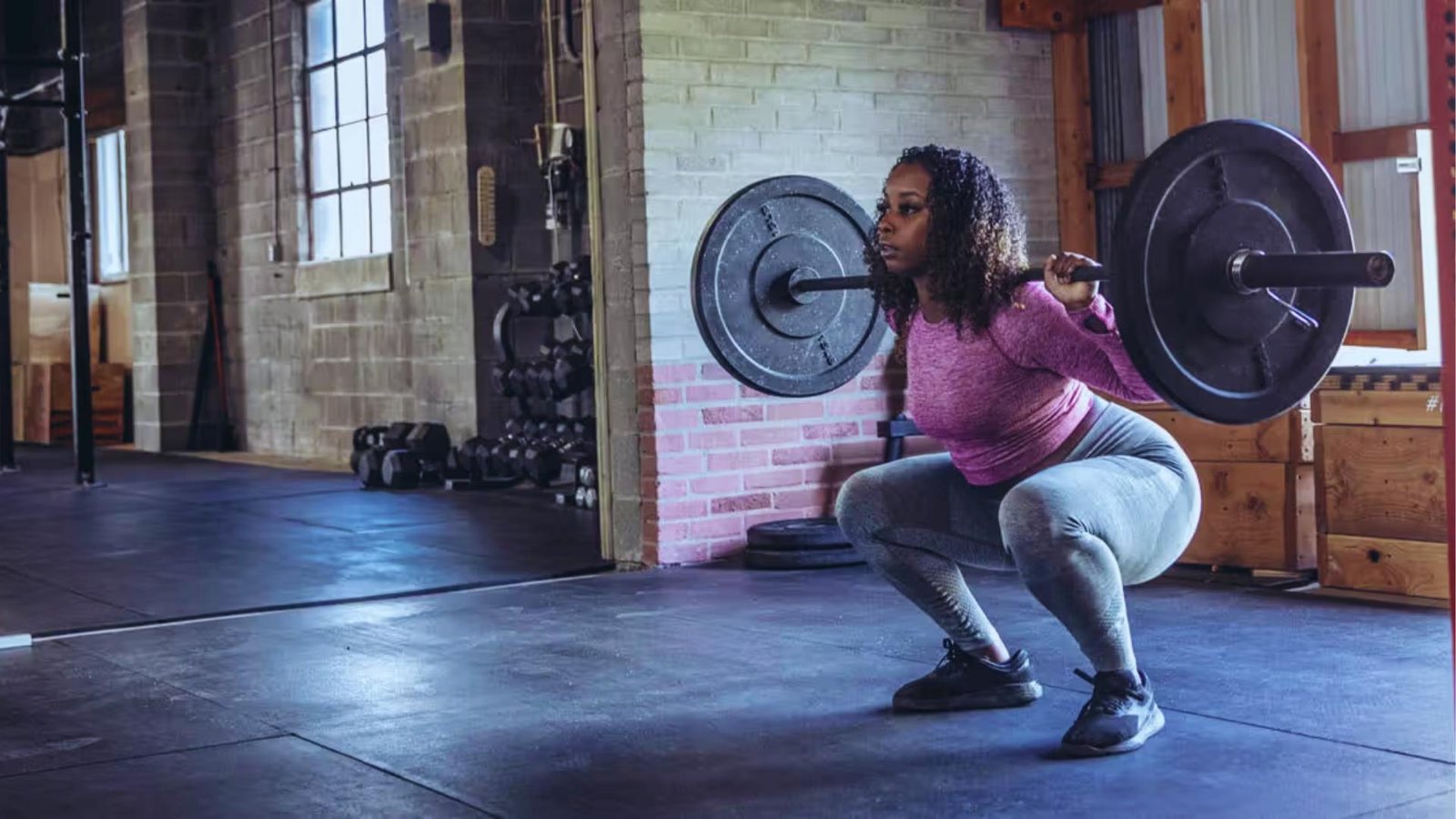
Most lower back injuries from squats do not happen by accident. They usually have a clear cause that, once identified, can be corrected.
Poor Squat Mechanics
Bad technique is the number one cause of lower back injuries during squats. When your form breaks down, your spine absorbs forces it was not meant to handle.
Common mechanical errors include rounding the lower back, leaning too far forward, and letting the knees cave inward.
Each of these shifts the load away from the legs and the posterior chain and onto the spine.
When the knees cave inward, they also put undue stress on the ACL, creating a chain of compensation that travels straight up to the lower back.
Even a small error repeated across many sets and sessions adds up to serious wear on the lower back.
Excessive Training Load
Adding too much weight too soon is a common mistake. Your muscles, tendons, and spine need time to adapt to increasing loads.
When you skip that process and jump to heavier weights before your body is ready, the risk of injury goes up significantly.
This is especially true for newer lifters or those returning after a break.
The lower back is often the first place to feel the effects of excessive load, because the lumbar spine is not built to handle heavy compressive forces combined with forward lean.
Weak Core and Supporting Muscles
The core is more than just your abs. It includes the muscles of your midsection, hips, and lower back that work together to stabilize your spine.
When these muscles are weak or inactive, your lower back has to compensate during heavy squats. Over time, this leads to fatigue and injury.
Glute weakness is another factor. Weak glutes force the lower back to take on more of the load during the upward phase of the squat, because the posterior chain is not doing its share of the work.
Limited Lower-Body Mobility
Tight hips, stiff ankles, and poor thoracic mobility all affect how you move during a squat.
Tight hip flexors and hamstrings are two of the most common mobility restrictions lifters deal with.
When they are tight, your range of motion is reduced and your lower back is forced to compensate to reach depth.
This puts the lumbar spine into positions it was not designed to handle under load. Improving your mobility can make a noticeable difference in how your back feels after squatting.
Pre-Existing Spinal Conditions
If you already have a spinal issue such as a herniated disc, spondylolisthesis, or degenerative disc disease, squats can aggravate it if not performed carefully.
Conditions like sciatica, where nerve compression causes pain to travel down one or both legs, can flare up significantly when spinal load increases.
These conditions do not mean you cannot squat, but they do mean you need to be more cautious about technique, load, and squat variation.
Consulting a physiotherapist or sports medicine doctor is a smart step if you have a known spinal condition.
Symptoms of a Lower Back Injury After Squats

Recognizing symptoms early gives you a better chance of recovering quickly and avoiding a more serious problem.
Mild Symptoms You Can Monitor
Mild symptoms include general stiffness or achiness in the lower back that appears after training. This kind of discomfort often responds well to rest, light movement, and ice or heat.
If the stiffness goes away within one to two days and does not return during normal daily activity, it is likely just muscle fatigue.
Keep an eye on it, reduce your training load temporarily, and focus on recovery.
Signs of a Muscle Strain
A muscle strain usually feels like a dull or sharp ache localized to one area of the lower back.
You might notice that certain movements, like bending forward or twisting, make it worse. There may also be some muscle spasm or tightness. Strains vary in severity.
A mild strain typically heals within a week or two with rest and gentle movement.
A moderate strain can take several weeks and may benefit from physiotherapy, which can include manual therapy and corrective exercise to address the root cause.
Symptoms That May Indicate a Serious Injury
Some symptoms go beyond a simple muscle strain. These include pain that radiates down one or both legs, numbness or tingling in the legs or feet, weakness in the lower body, or pain that does not improve with rest.
These signs could point to nerve involvement such as sciatica, a disc injury, or another structural issue that needs proper diagnosis.
When to Seek Medical Attention
See a doctor or physiotherapist if your pain is severe, if it does not improve after several days of rest, or if you experience any of the serious symptoms listed above.
Do not push through pain hoping it will resolve on its own. Getting a proper diagnosis early can prevent a short-term problem from turning into a long-term one.
How to Prevent Lower Back Injury From Squats
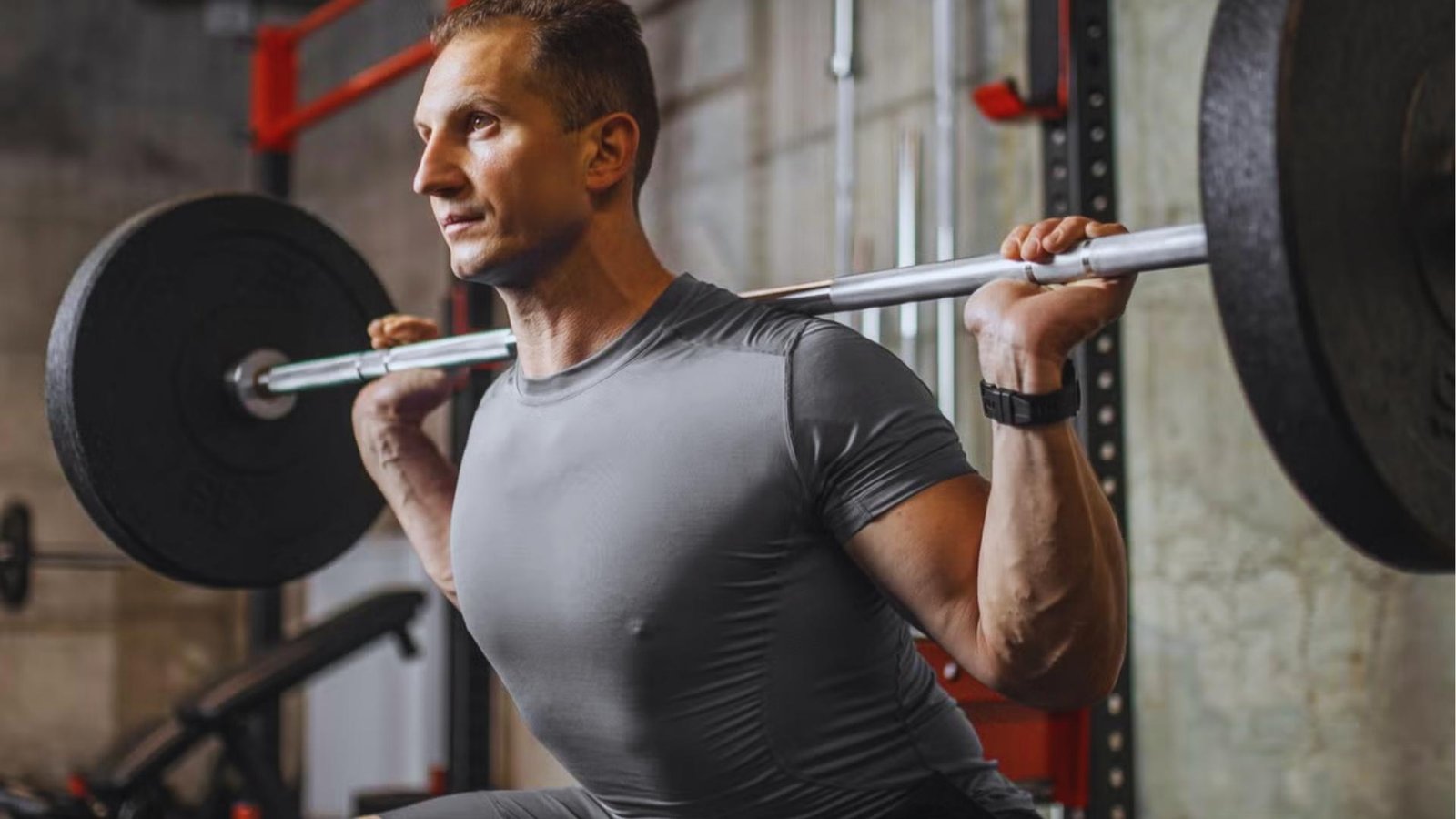
Prevention is far easier than recovery. These habits will keep your lower back healthy as you build strength.
Learn Proper Squat Mechanics First
Before adding heavy weight, invest time in learning how to squat correctly. Work with a coach, record yourself, or study reliable technique resources.
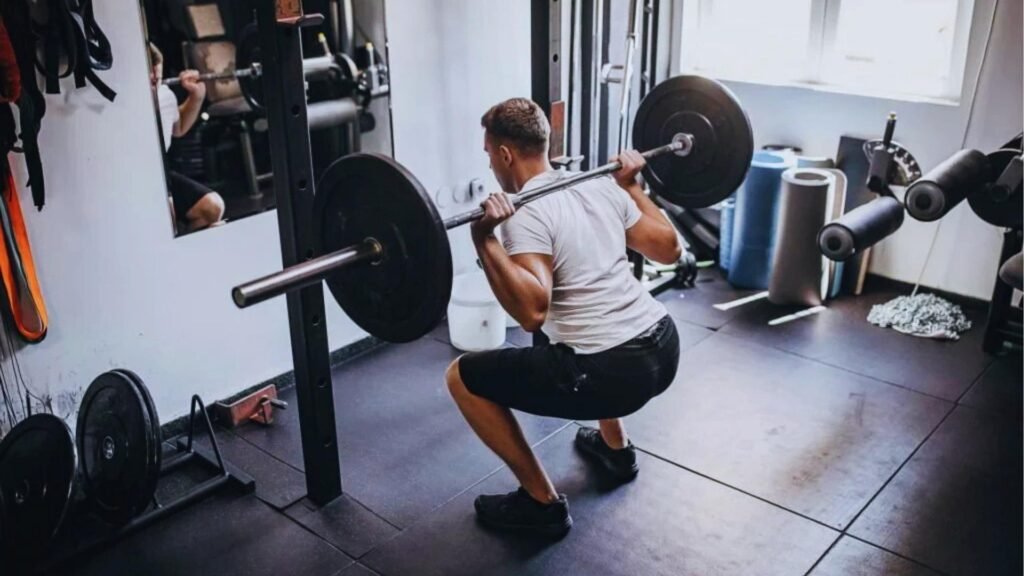
Focus on keeping a neutral spine, bracing your core to build intra-abdominal pressure, tracking your knees over your toes, and maintaining balance through your foot.
Getting the basics right protects you from the most common causes of lower back injury.
Progress Weight at a Sustainable Pace
Follow a structured progression plan instead of adding weight based on how you feel each session. A general rule is to increase the load by no more than 5 to 10 percent per week.
This gives your muscles, tendons, and spine time to adapt. Pushing your limits too quickly almost always leads to injury at some point.
Improve Strength and Mobility
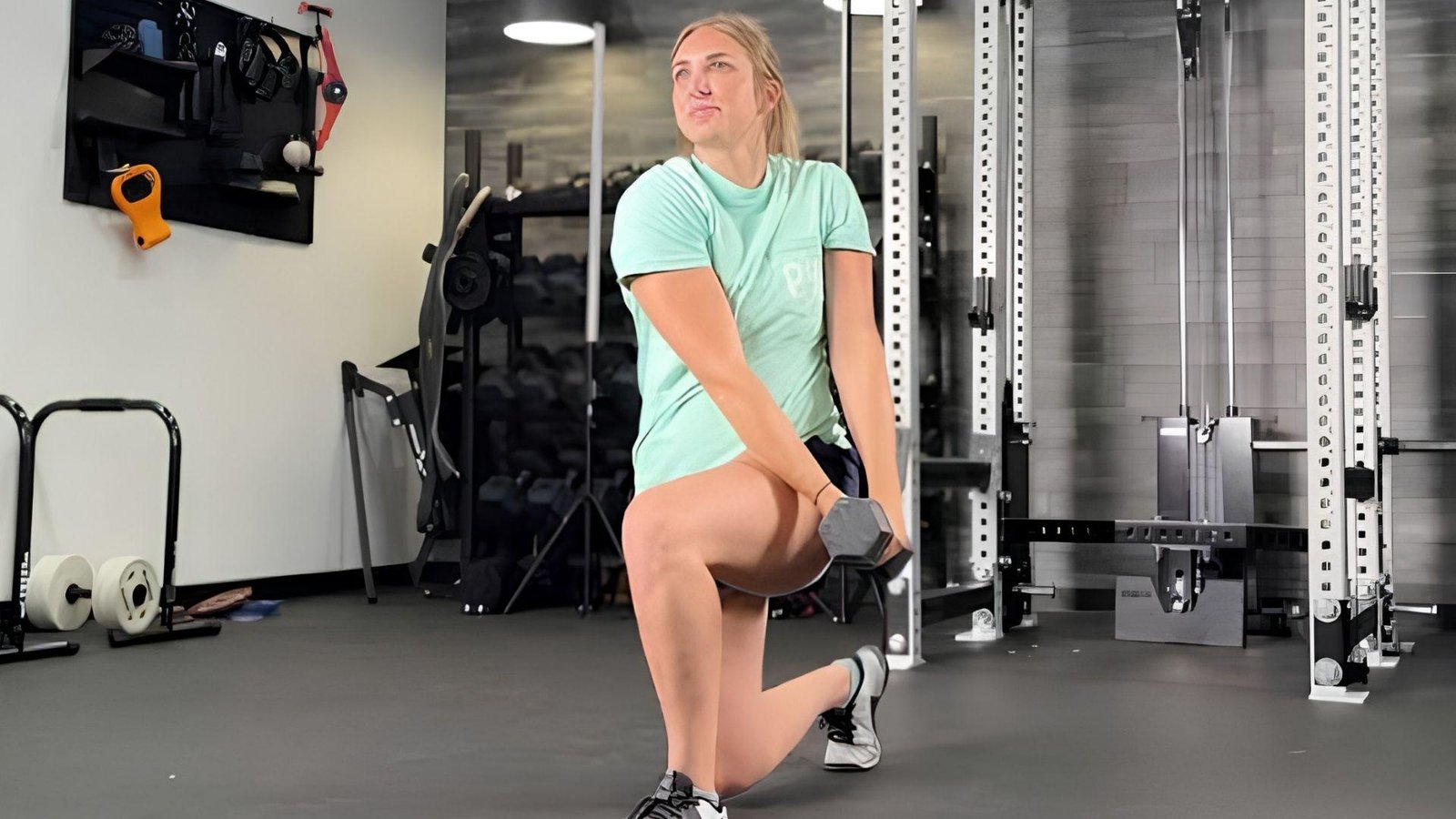
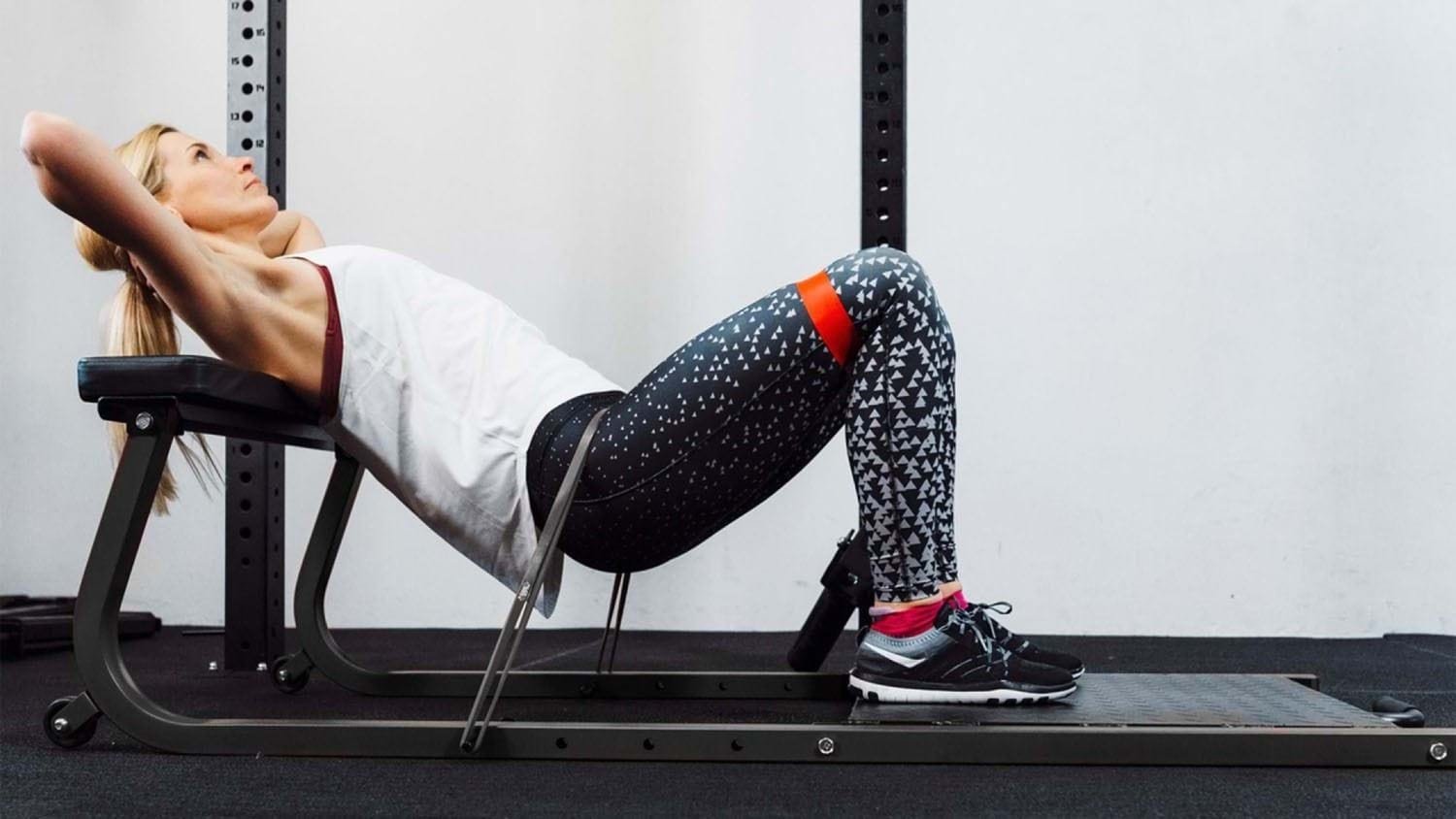
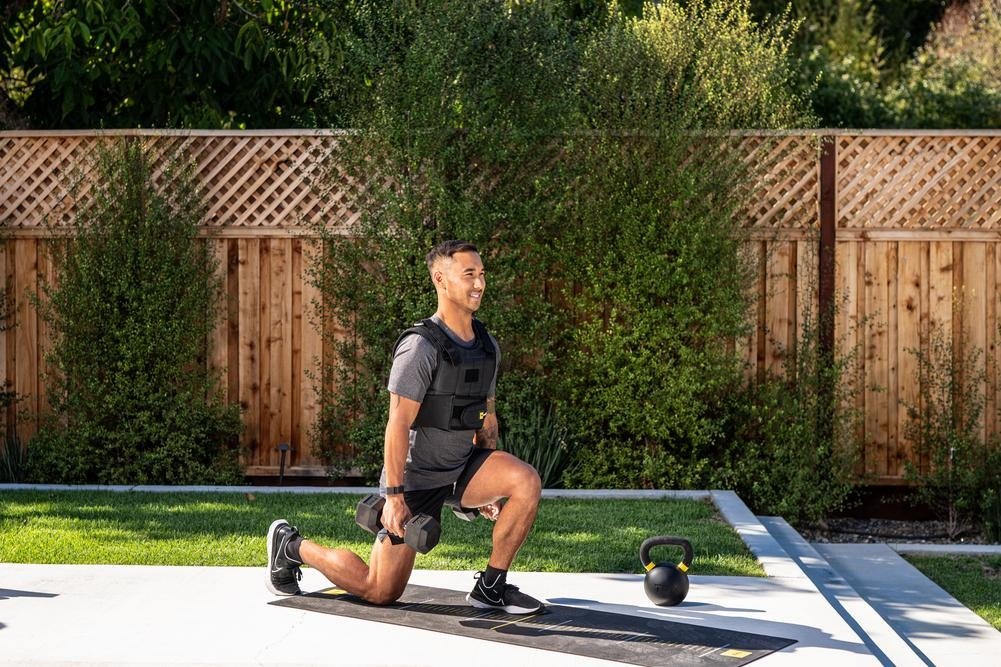
Spend time on exercises that build core strength, glute strength, and hip flexibility. Planks, dead bugs, glute bridges, and hip flexor stretches all support better squatting mechanics.
Ankle mobility work, like calf stretching and ankle circles, can also make a big difference.
Stretching the hamstrings before and after sessions helps maintain the range of motion needed for a safe squat. A stronger and more mobile body is a more resilient one.
Warm Up Before Every Workout
Never skip your warm-up before squatting. Start with light cardio to increase blood flow, then work through mobility drills for your hips, ankles, and thoracic spine.
Follow this with light sets of the squat itself before moving to your working weight.
A proper warm-up prepares your muscles and joints for the demands of heavy squatting and reduces your injury risk significantly.
Allow Enough Recovery Between Training Sessions
Your lower back needs time to recover between squat sessions. Training the same movement pattern too frequently without adequate rest leads to cumulative fatigue and eventually injury.
Most people benefit from squatting two to three times per week with at least one rest day between sessions.
Sleep and nutrition also play an important role in how well your body recovers.
Squat Technique Mistakes That Put Stress on Your Lower Back
Small technique errors under load can cause big problems over time. These are the most common ones to watch for.
Rounding the Lower Back
When the lower back rounds during a squat, the lumbar spine flexes under load. This is sometimes called "butt wink" at the bottom of the squat.
It places high stress on the discs and ligaments of the lower spine. Maintaining a neutral spine throughout the movement protects these structures.
Rounding is often caused by weak core muscles, poor mobility, or squatting too deep for your current range of motion.
Leaning the Torso Too Far Forward
Some forward lean is normal and necessary during a squat, especially in a low-bar squat.
But excessive forward lean shifts the load off your quadriceps and onto the lower back, increasing the moment arm on the lumbar spine.
This often happens when the hips are tight, the ankles are stiff, or the weight is too heavy.
Keeping your chest up and your torso more upright, especially in high-bar or goblet squat variations, helps reduce lower back stress.
Losing Spinal Alignment Under Load
Spinal alignment can break down mid-rep, especially as fatigue sets in during a heavy set. The lower back may hyperextend or round, and the upper back may lose its rigid position.
This is often seen in the sticking point of the squat, where the lift is hardest.
Bracing your core tightly before each rep and maintaining that brace throughout the entire movement helps keep your spine in a safe position.
Poor Foot Placement and Weight Distribution
Where you place your feet and how you distribute your weight through them affects the entire movement.
If your weight shifts forward onto your toes, your torso leans forward and your lower back takes on more stress.
Keeping your weight balanced through your whole foot, with a slight emphasis on the heels, allows your hips and legs to do more of the work.
Foot width and toe angle also matter and vary from person to person depending on hip anatomy.
Squatting Beyond Your Available Mobility
Going deeper than your mobility forces your body to compensate somewhere.
That compensation usually shows up in the lower back. If your hips cannot achieve the depth you are trying to reach, your pelvis will tuck under and your lumbar spine will round.
Squatting to a depth that matches your current mobility, and working to improve that mobility over time, is a much safer long-term approach.
Tips for Safer Squats and Better Long-Term Progress
Small, consistent habits make a big difference in how long you can train without setbacks.
- Not everyone needs a barbell back squat. Goblet squats, box squats, and front squats build a safer foundation, and goblet squats especially encourage an upright torso that reduces lumbar strain.
- If your knees tend to cave inward during squats, try looping a resistance band around your thighs. It forces your legs to stay in the correct position and takes compensatory pressure off your lower back.
- Slow, controlled reps keep load on your muscles, not your joints. Lower with control, pause at the bottom, and drive up steadily every single rep.
- If pain is changing how you move, stop training. Compensating or leaning to one side means something is wrong and needs to be fixed before you continue.
- Record your squats and review your form regularly. Even experienced lifters develop bad habits, and catching them early prevents bigger problems down the line.
- For recurring lower back pain or a history of spinal issues, see a coach or physiotherapist. Professional guidance speeds up progress and keeps you training safely.
Conclusion
A lower back injury from squats is common, but it is also largely preventable.
The key is understanding what causes these injuries and making the right adjustments before pain becomes a problem.
Focus on your technique, build strength progressively, and listen to your body when something feels off.
Small, consistent changes in how you train go a long way toward keeping your back healthy for the long term.
If this article helped you, share it with someone who squats, leave a comment below with your questions, or check out our related content on building a stronger, pain-free lower body.
Frequently Asked Questions
Can I squat again after a lower back injury?
Yes, most people return to squatting after recovery. Start with lighter loads and bodyweight variations, focusing on pain-free movement before adding resistance again.
How long does a lower back strain from squats take to heal?
Mild strains typically resolve in one to two weeks. More moderate strains may take four to six weeks depending on severity and how well you rest.
Should I use a lifting belt to protect my lower back?
A belt can help with intra-abdominal pressure during heavy lifts but should not replace good technique. Build a strong core first before relying on a belt.
Is stretching alone enough to fix lower back pain from squatting?
Stretching helps but is rarely enough on its own. Strengthening weak muscles, improving mechanics, and managing training load are equally important for lasting relief.
Are Romanian deadlifts safer than squats for someone with lower back issues?
It depends on the injury type. Some people tolerate RDLs better, while others find them more aggravating. Consult a physiotherapist before deciding which movement to prioritize.