
Shoulder pain when benching is one of the most common problems lifters face. One session you are hitting a new personal record, and the next you feel a sharp ache that stops you cold.
This article breaks down why shoulder pain happens during the bench press, what causes it, and how to fix it so you can get back to training. You will also find tips to prevent it from coming back.
This guide gives you clear, practical steps to protect your shoulders and keep pressing safely, no matter where you are in your lifting progress.
With the right information and a few adjustments, most lifters can work through shoulder pain and get back under the bar stronger than before.
Understanding Shoulder Pain When Benching

Shoulder pain during bench press does not always mean a serious injury, but it should not be ignored either.
The bench press puts your shoulder joint in a loaded, stretched position under heavy weight, placing stress on the rotator cuff muscles, shoulder capsule, and surrounding tendons.
When form breaks down or volume gets too high, that stress builds up and turns into pain.
Normal muscle soreness shows up 24 to 48 hours after training as a dull ache, while an injury causes sharp, localized pain during or right after the lift.
Your shoulder is a ball-and-socket joint with great mobility but less stability under load.
The technical name for this joint is the glenohumeral joint, and it relies on the surrounding muscles to keep it centered under pressure.
Poor setup, weak stabilizers, or a bad bar path can shift that position and create painful friction or compression over time.
Common Causes of Shoulder Pain When Benching

Most shoulder pain during bench press comes down to a handful of repeatable mistakes. Fixing the root cause is the only way to get lasting relief.
Poor Bench Press Technique
Flared elbows, a flat back, and an inconsistent bar path are the top culprits. When your elbows flare out to 90 degrees, it forces the shoulder into an impingement position.
A bar path that drifts too high toward your neck adds extra stress to the front of the shoulder.
Limited Shoulder and Upper Back Mobility
Tight lats, pecs, and thoracic spine restrict how your shoulder blade moves during the press.
When the scapula cannot move properly, the shoulder joint compensates and takes on more load than it should. Over time, this causes irritation.
One often-overlooked problem is limited shoulder internal rotation. When this range is restricted, the humerus does not sit cleanly in the glenohumeral socket.
That forces the rotator cuff to get pinched every time you lower the bar.
A tight posterior shoulder capsule and a shortened pectoralis minor are two common reasons this restriction develops in lifters.
Rotator Cuff, AC Joint, and Biceps Tendon Irritation
The rotator cuff is a group of four small muscles that keep the shoulder stable. Repeated pressing with poor mechanics can inflame these muscles or their tendons.
The AC joint, located at the top of the shoulder where the collarbone meets the shoulder blade, is also commonly irritated by bench pressing.
The biceps tendon, which attaches near the front of the shoulder, can become painful when the shoulder is under repeated stress.
Labrum irritation is another cause worth knowing about. The labrum is a ring of fibrocartilage that keeps the ball of your shoulder joint in place.
When it gets irritated or torn, it can cause deep, achy pain and clicking during pressing movements.
Training Volume, Heavy Loads, and Inadequate Recovery
Doing too much too soon is a classic setup for shoulder pain. If you are benching heavy multiple times a week without enough rest, the shoulder does not get time to recover.
Tendons and joints heal more slowly than muscles, so they often break down first when volume is too high.
Find the Cause Based on Your Symptoms

Not all shoulder pain is the same. Where and when it hurts tells you a lot about what is going on. Use this section to narrow it down before deciding what to do next.
Front Shoulder Pain When Benching
Pain at the front of the shoulder is usually linked to biceps tendon irritation or shoulder impingement.
It often flares up when the elbows flare wide or when the bar drops too low on the chest. Adjusting grip width and elbow angle usually helps quickly.
Pain at the Top or Back of the Shoulder
Pain on top of the shoulder often points to the AC joint. This joint gets compressed when you lower the bar with a wide grip.
Pain at the back of the shoulder can indicate rotator cuff strain or posterior capsule tightness. Both are made worse by heavy loads and high training frequency.
Pain While Lowering the Bar vs. Pressing It Up
Pain on the way down usually means the shoulder is being overstretched or compressed at the bottom of the lift.
This is common with a grip that is too wide or when the bar is lowered too low on the chest.
Pain on the way up often points to rotator cuff weakness or instability, as the shoulder struggles to control the load through the pressing motion.
Shoulder Pain After Benching or the Next Day
Delayed pain that shows up hours after your session or the next morning suggests inflammation. This is your body's response to tissue being stressed beyond what it can handle.
If this keeps happening after every bench session, your volume or technique needs to change.
How to Fix Shoulder Pain When Benching

Fixing shoulder pain during bench press usually comes down to cleaning up your technique and giving irritated tissue time to calm down. Here is how to do both.
Improve Your Bench Press Setup and Bar Path
Start every set by getting tight before you unrack the bar. Squeeze your shoulder blades together and down, keep your feet flat on the floor, and maintain a natural arch in your lower back.
Lower the bar to your lower chest, around the nipple line, and press it up and slightly back toward your face. This bar path takes stress off the shoulder and lets your chest do more work.
Adjust Grip Width and Elbow Position
A grip slightly wider than shoulder-width works for most people. Going too wide increases shoulder stress.
Keep your elbows at about 45 to 75 degrees from your torso, not flared straight out. This position is safer for the shoulder joint and still allows strong chest activation.
Restore Mobility and Shoulder Stability
Spend time on thoracic spine mobility and lat stretching before pressing. Add rotator cuff strengthening exercises like band external rotations and face pulls to your routine.
Work on shoulder internal rotation specifically. If your painful side feels stiffer than the other when you raise your elbow to shoulder height and push your forearm toward the wall, restricted internal rotation is likely part of your problem.
Soft tissue work to the back of the shoulder, such as rolling a lacrosse ball through the posterior capsule area before you press, can help restore range and reduce irritation.
Strengthening the serratus anterior and the lower trapezius, two key scapular stabilizer muscles, also plays a big role in keeping the shoulder blade properly positioned during the press.
Exercises like scapular push-ups and banded rows directly target these muscles. Stronger rotator cuff muscles mean better shoulder control under load.
Return to Benching Without Making the Pain Worse
Drop the weight significantly and rebuild from scratch with clean technique. Use lighter loads and focus on feeling the chest work rather than moving maximum weight.
Gradually increase weight only when you can complete full sets with zero pain and solid form.
Bench Press Alternatives While Your Shoulder Recovers
Taking time away from the barbell bench press does not mean stopping chest training. These alternatives let you keep building strength while your shoulder heals.
Barbell Bench Press vs. Dumbbell Bench Press
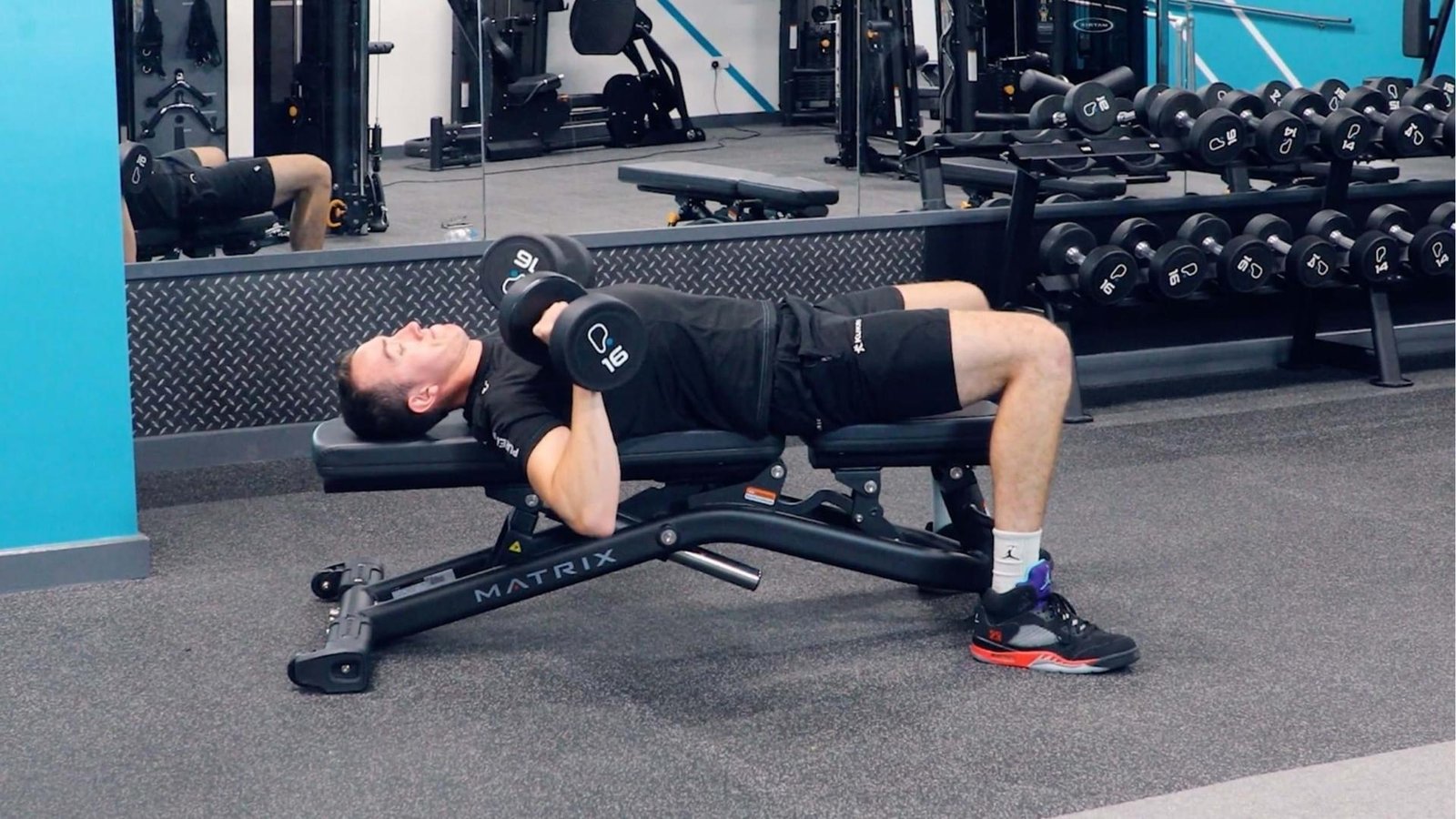
Dumbbells allow your wrists and elbows to follow a more natural path than a fixed barbell. Many people find dumbbell pressing significantly less painful during shoulder recovery.
They also let you stop the range of motion before it becomes uncomfortable.
Floor Press vs. Traditional Bench Press
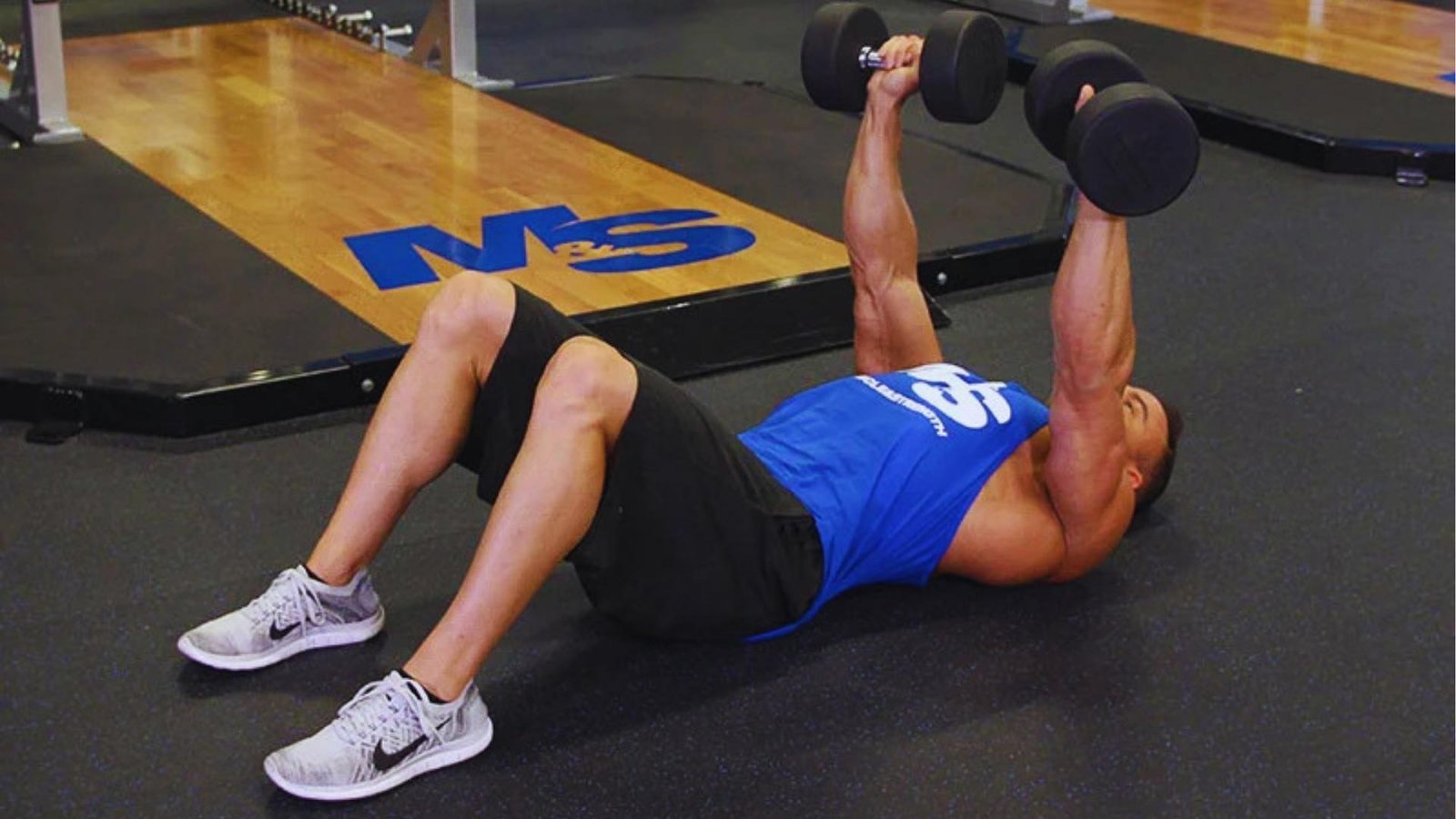
The floor press limits how far down your elbows can go, which reduces the stretch at the bottom of the lift.
This takes a lot of stress off the shoulder and is often pain-free even when the regular bench press is not. It is especially useful for people dealing with AC joint or posterior capsule irritation.
Push-Ups and Machine Chest Press
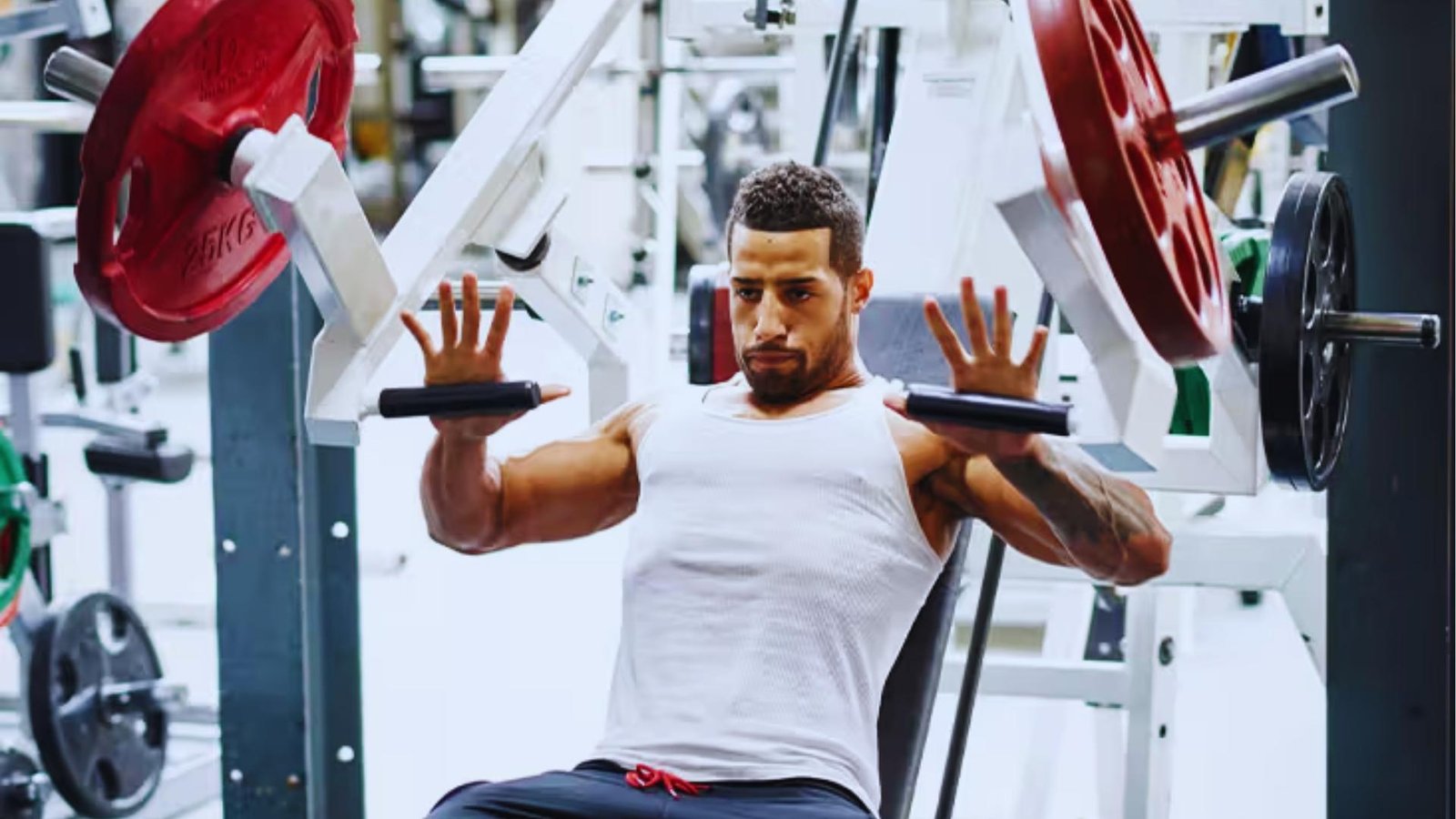
Bodyweight push-ups are surprisingly effective for maintaining chest strength during recovery. They allow the shoulder blades to move freely, which reduces joint stress.
Machine chest presses provide a guided range of motion and are often well-tolerated when free weights cause pain.
How to Choose the Safest Pressing Exercise

Pick the variation that allows you to press through a full or near-full range of motion with zero pain. Start there and build back up.
Pain during any exercise is a signal to stop and reassess, not push through.
Common Bench Press Mistakes That Keep Shoulder Pain Coming Back
Some lifters fix their pain briefly, then fall back into the same habits. These are the mistakes that bring shoulder pain right back.
Skipping a Proper Warm-Up
Jumping straight into heavy sets with cold shoulders is a fast way to get hurt. Your rotator cuff and shoulder capsule need to be warm and ready before you load them.
Spend five to ten minutes doing shoulder circles, band pull-aparts, and light pressing before your working sets. A banded high row is another great option.
Loop a band at head height and pull it toward your face with your elbows and hands high while keeping your shoulders pulled down and back.
Twenty to thirty slow reps wake up the upper back, rotator cuff, and scapular stabilizers before you touch the bar.
Using More Weight Than You Can Control
Ego lifting is one of the biggest contributors to shoulder injuries. If your elbows flare, your setup collapses, or you cannot control the bar on the way down, the weight is too heavy. Scale back and build honestly.
Losing Upper Back Tightness During the Lift
When your upper back loses tension mid-set, your shoulder blades spread apart. This destabilizes the shoulder joint and puts tendons and muscles in a weaker position.
Practice maintaining scapular retraction and depression from the first rep to the last.
Ignoring Pain and Training Through It
Sharp pain during a lift is your body telling you to stop. Pushing through it does not build toughness. It builds injuries.
If something hurts during a set, stop the set and figure out why before continuing.
Tips to Prevent Shoulder Pain When Benching
Prevention is far easier than recovery. These habits will protect your shoulders over the long run.
- Warm up with band pull-aparts, wall slides, and light dumbbell rotations before every press session to increase blood flow and prepare the rotator cuff.
- Match every pressing set with a row or pull-up to prevent muscle imbalances that pull the shoulder forward and increase injury risk.
- Add weight only when your technique is completely clean at the current load. Five to ten pounds every one to two weeks is plenty for most lifters.
- If pain is severe, lasts more than two to three weeks, or comes with arm numbness or weakness, see a sports medicine doctor or physical therapist.
- Getting a proper diagnosis early keeps small problems from turning into long-term injuries that set your training back by months.
Conclusion
Shoulder pain when benching does not have to end your training. Most cases come down to fixable problems like poor technique, tight muscles, or doing too much too fast.
Start by identifying where and when your pain happens, then work through the fixes in this article one step at a time.
Protect your shoulder by warming up consistently, balancing your training, and respecting your limits. If the pain sticks around, do not wait.
Talk to a professional. Found this helpful? Share it with a training partner or drop a comment below with your experience.
Frequently Asked Questions
Can I bench press with a shoulder impingement?
It depends on severity. Light dumbbell pressing or floor press may be tolerable, but you should get a professional evaluation before continuing to load the shoulder.
How long does it take for bench press shoulder pain to heal?
Minor irritation may resolve in one to two weeks with rest. Tendon issues or rotator cuff strains can take six to twelve weeks or longer.
Should I use a sling or shoulder support when benching?
Braces or sleeves do not fix the root cause. They may offer mild warmth or comfort but should not replace proper technique and rehab work.
Does bench press grip width really affect shoulder pain?
Yes. A wider grip increases the stress placed on the AC joint and rotator cuff. A moderate grip width reduces that load significantly for most lifters.
Is it normal for shoulders to crack or pop during bench press?
Occasional clicking without pain is usually harmless. Popping that comes with pain or weakness should be evaluated by a healthcare professional promptly.