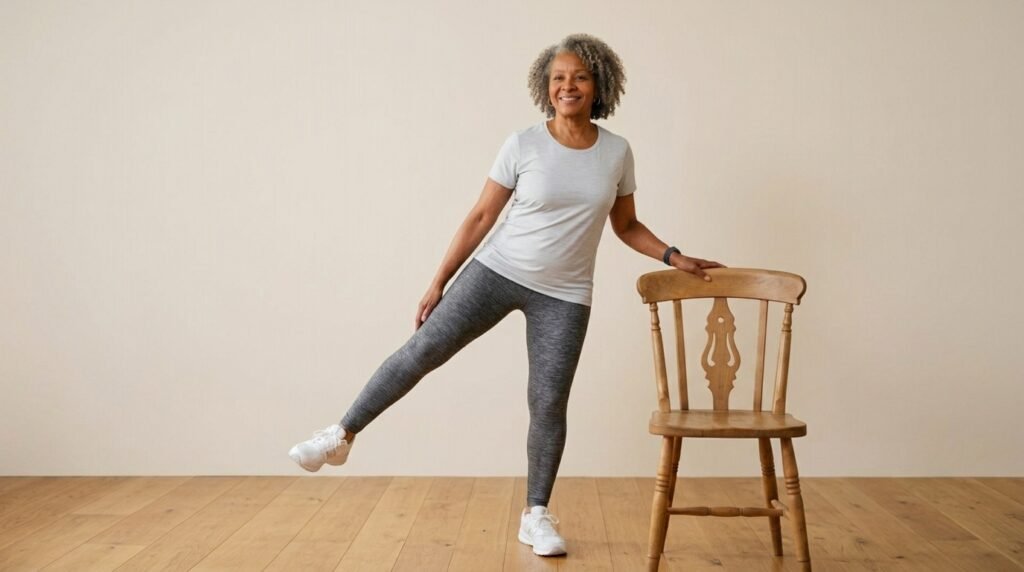
Staying active becomes more important with age, and leg strengthening exercises for seniors can help you move with greater confidence.
Strong legs support balance, walking, climbing stairs, and many everyday activities.
In this guide, you'll find safe, beginner-friendly exercises, learn their benefits, find a simple weekly routine, and get practical safety tips to help you exercise with confidence.
My goal is to help you build stronger legs in a way that feels safe and manageable. I create fitness guides based on practical, easy-to-follow advice you can trust.
If I were starting this routine, I'd focus on small, steady improvements because they often lead to the biggest long-term gains.
Why Leg Strength Matters for Seniors
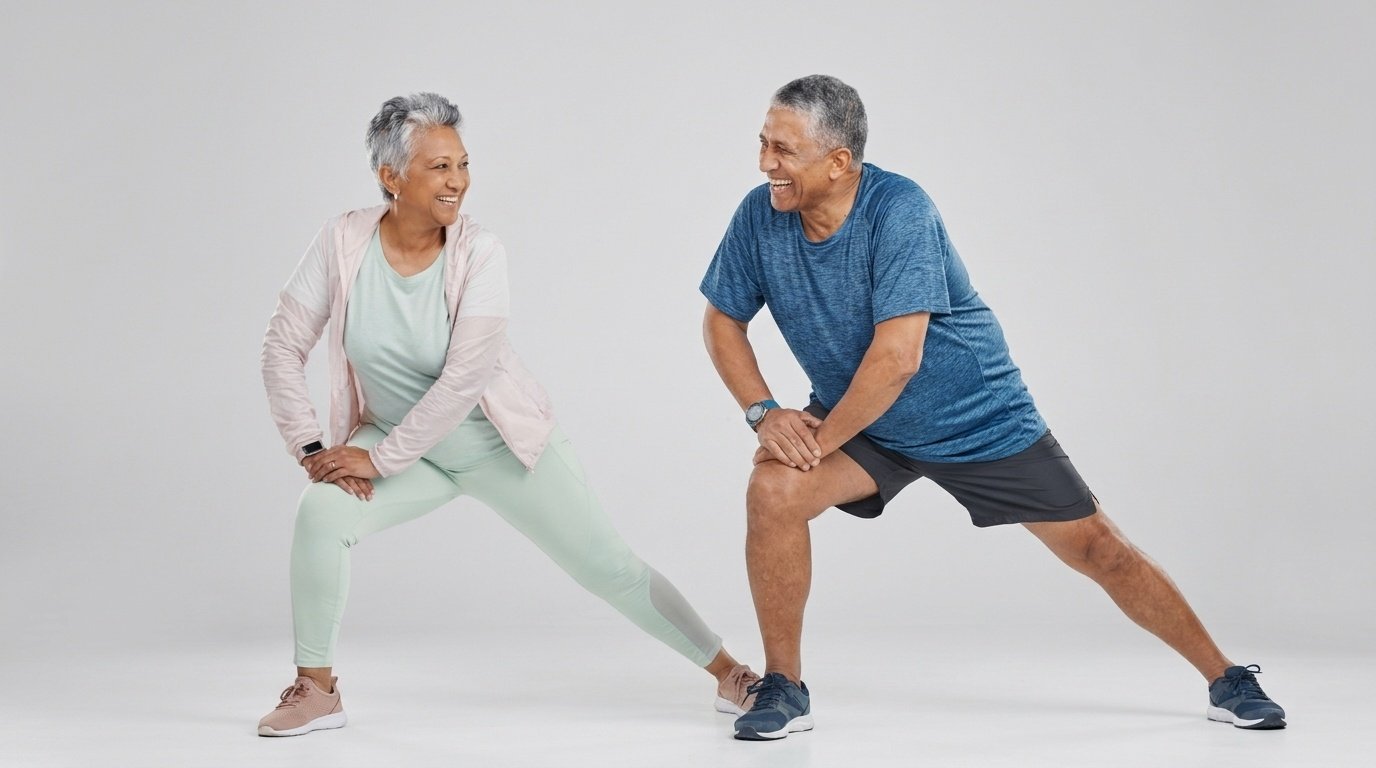
Strong legs do much more than help you walk. They support your balance, stability, and independence, making everyday activities feel easier and safer.
As we age, it's natural to lose some muscle mass and strength, a process called sarcopenia, but regular exercise can help slow it down and improve mobility.
Strong leg muscles make it easier to stand up from a chair, climb stairs, carry groceries, and enjoy daily activities with greater confidence.
Physical therapists call this functional fitness, meaning strength that carries over into the things you actually do each day rather than strength for its own sake. Leg work also supports healthy joints and reduces the risk of falls, which become more common with age.
One point often missed:walking alone isn't enough. Walking builds endurance, but it moves you in one direction only. Strength training builds power in ways that endurance activity can't, and it prepares your body for the sideways and diagonal movements daily life also demands.
The good news is that you don't need complicated workouts to see progress. Simple, consistent exercises can build strength over time and help you stay active, confident, and independent for years to come.
Benefits of Leg Strengthening Exercises for Seniors
Regular leg strengthening exercises for seniors offer more than stronger muscles. They can improve movement, increase confidence, and make everyday tasks feel easier.
Even a few sessions each week can provide meaningful benefits when done consistently.
Better Balance
Stronger leg muscles help you stay steady while standing, walking, and changing directions. A 2023 review in Frontiers in Public Health found that targeted exercise improves strength, balance, coordination, and mobility, all of which lower fall risk.
Strength work also helps you react and recover quickly if you do start to lose your balance.
Improved Walking Ability
Leg exercises make walking feel easier by improving muscle strength and endurance. Over time, you may notice smoother movement, better posture, and less fatigue during longer walks.
Stronger Bones and Muscles
Strength training helps maintain muscle mass and supports bone health as you age. Resistance exercise, and leg work in particular, has been shown to lower the risk of osteoporosis in adults aged 65 and older.
Healthy muscles also provide better support for your hips, knees, and ankles during movement.
Less Joint Pain and Stiffness
Stronger muscles take pressure off the joints they surround.
Research published in 2023 in the Caspian Journal of Internal Medicine found that quadriceps and hamstring exercises helped relieve the pain and stiffness of lower-body osteoarthritis.
If your knees ache, gentle strengthening often helps more than resting.
Easier Daily Activities
Simple tasks like getting out of a chair, climbing stairs, carrying groceries, or standing for longer periods become more manageable with stronger legs.
This can make everyday life more comfortable and enjoyable.
Increased Confidence
Feeling stronger often leads to greater confidence in your ability to stay active.
As your balance and mobility improve, you may feel more comfortable participating in hobbies, spending time outdoors, and maintaining your independence.
Best Leg Strengthening Exercises for Seniors
The best leg strengthening exercises for seniors are simple, low-impact, and easy to adjust for different fitness levels.
Start with a comfortable number of repetitions and focus on slow, controlled movements. If needed, use a sturdy chair or countertop for extra support while exercising.
1. Sit-to-Stand
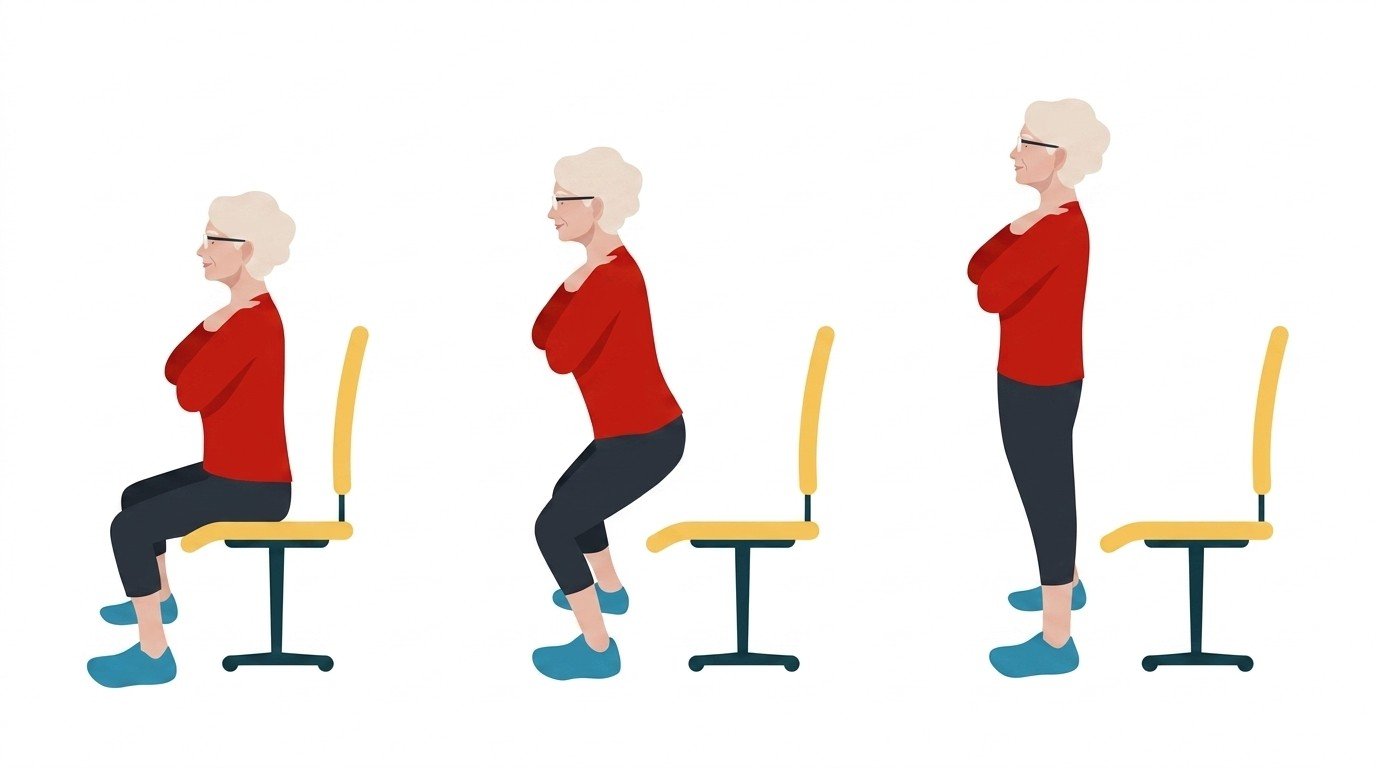
Sit in a chair with your feet a comfortable distance apart and your hands held together in front of your chest. Without pushing off with your hands, drive through your feet to stand up, then lower back down with control.
Physical therapists rate this among the most useful movements for older adults because it's exactly what you do every time you get up from a chair or toilet. Aim for 8 to 10 repetitions.
2. Chair Squats
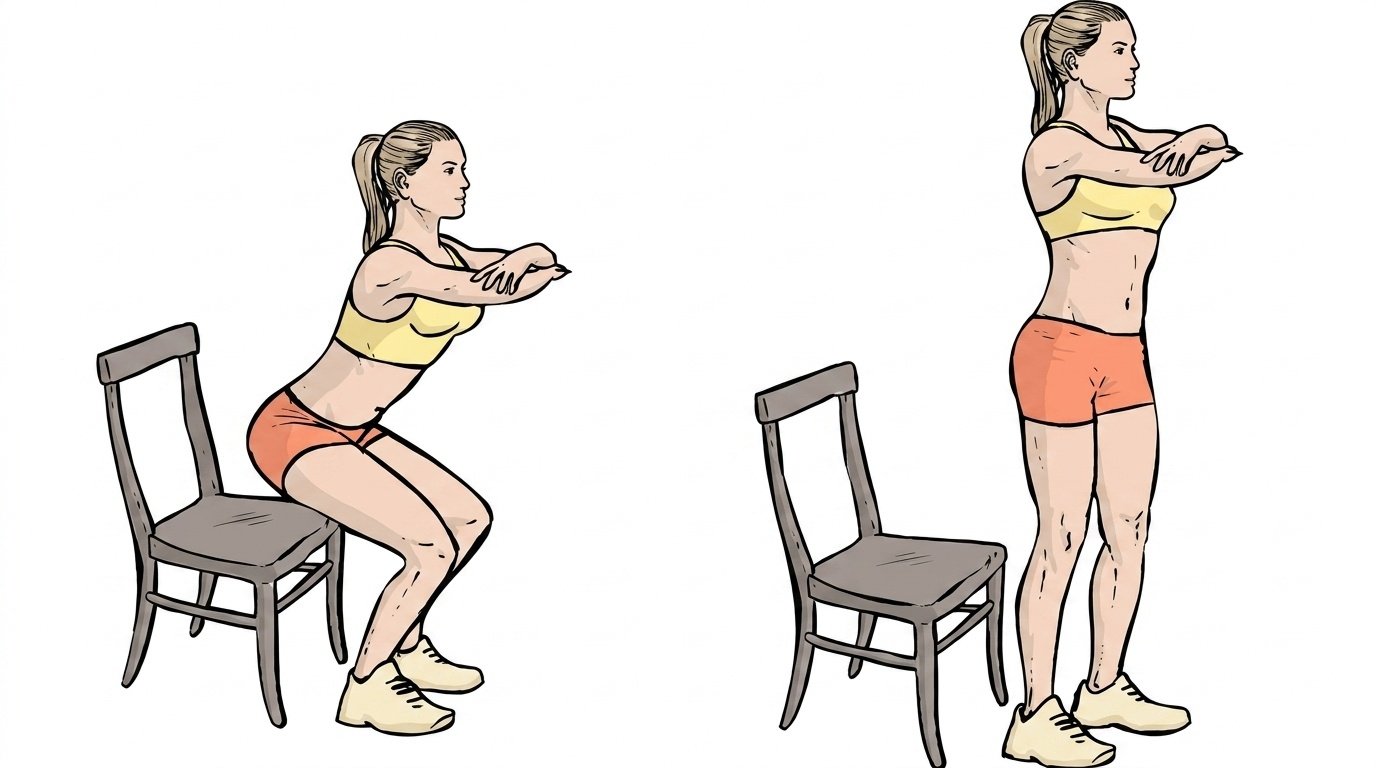
Stand in front of a sturdy chair with your feet shoulder-width apart. Lower yourself until you lightly touch the seat, then stand back up. Keep most of your weight in your heels and reach your hips back as you lower.
This exercise strengthens the thighs, hips, and glutes while improving everyday movements like sitting and standing. Repeat 8 to 10 times.
3. Seated Leg Extensions
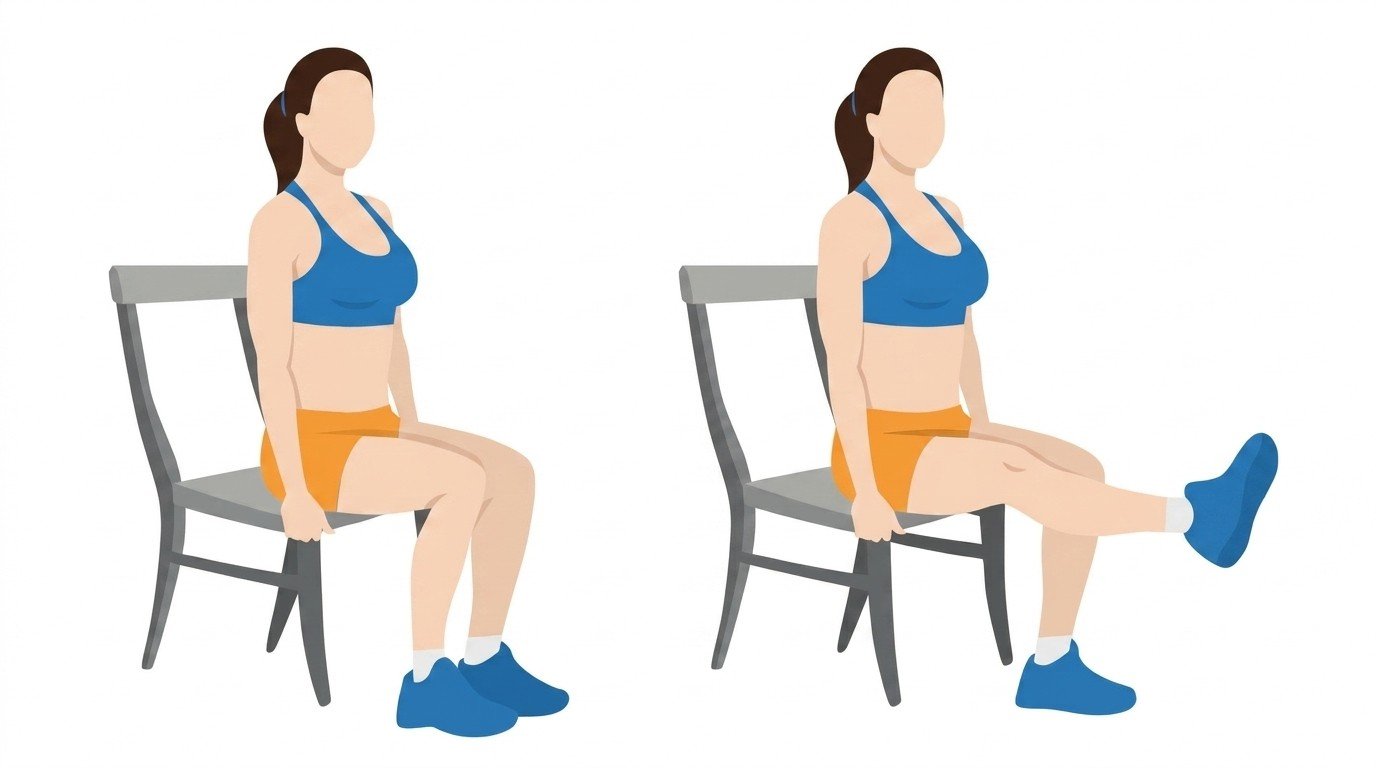
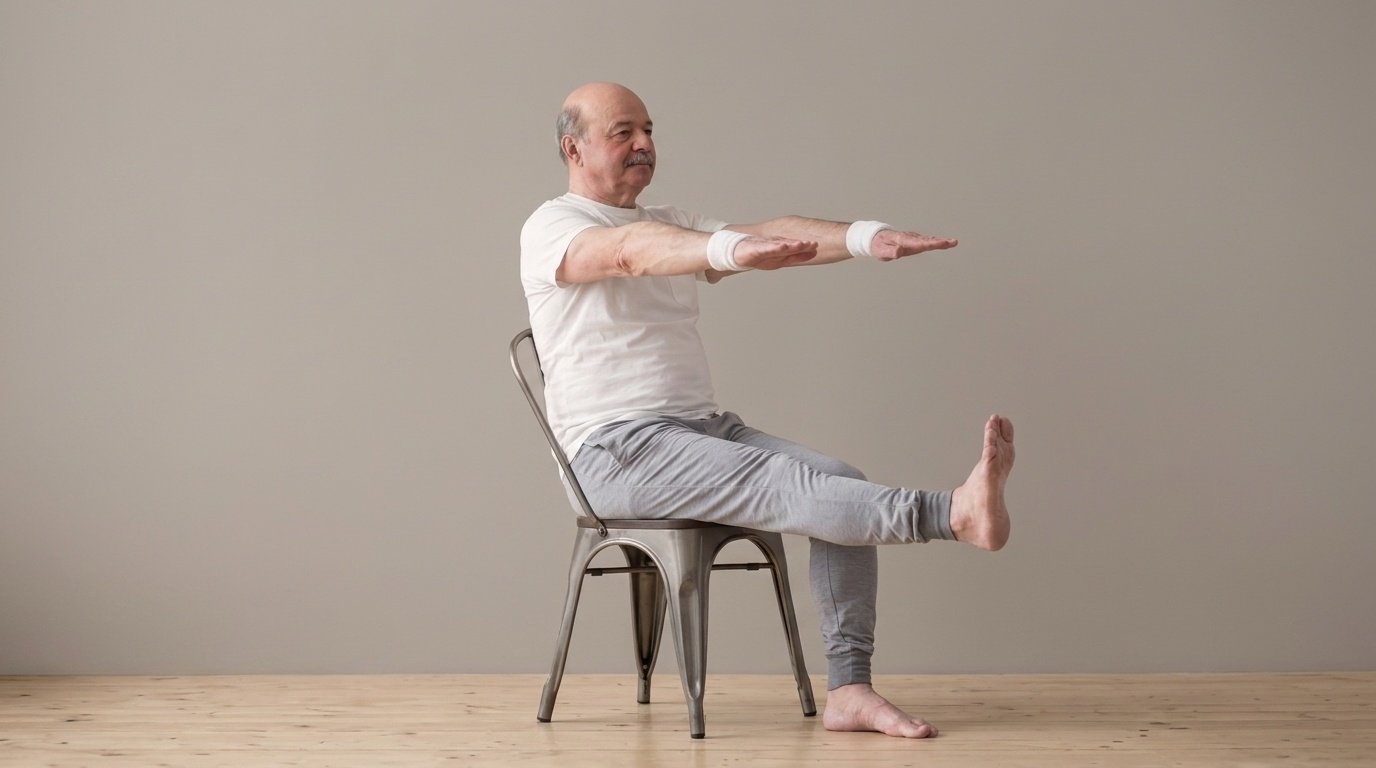
Sit upright in a chair with both feet flat on the floor. Slowly straighten one leg until it is almost parallel to the floor, hold briefly, then lower it. Keep the back of your thigh resting on the chair throughout.
Repeat 10 times per leg to strengthen the quadriceps, the muscles at the front of the thigh that help with walking, stairs, and rising from a chair.
4. Standing Calf Raises
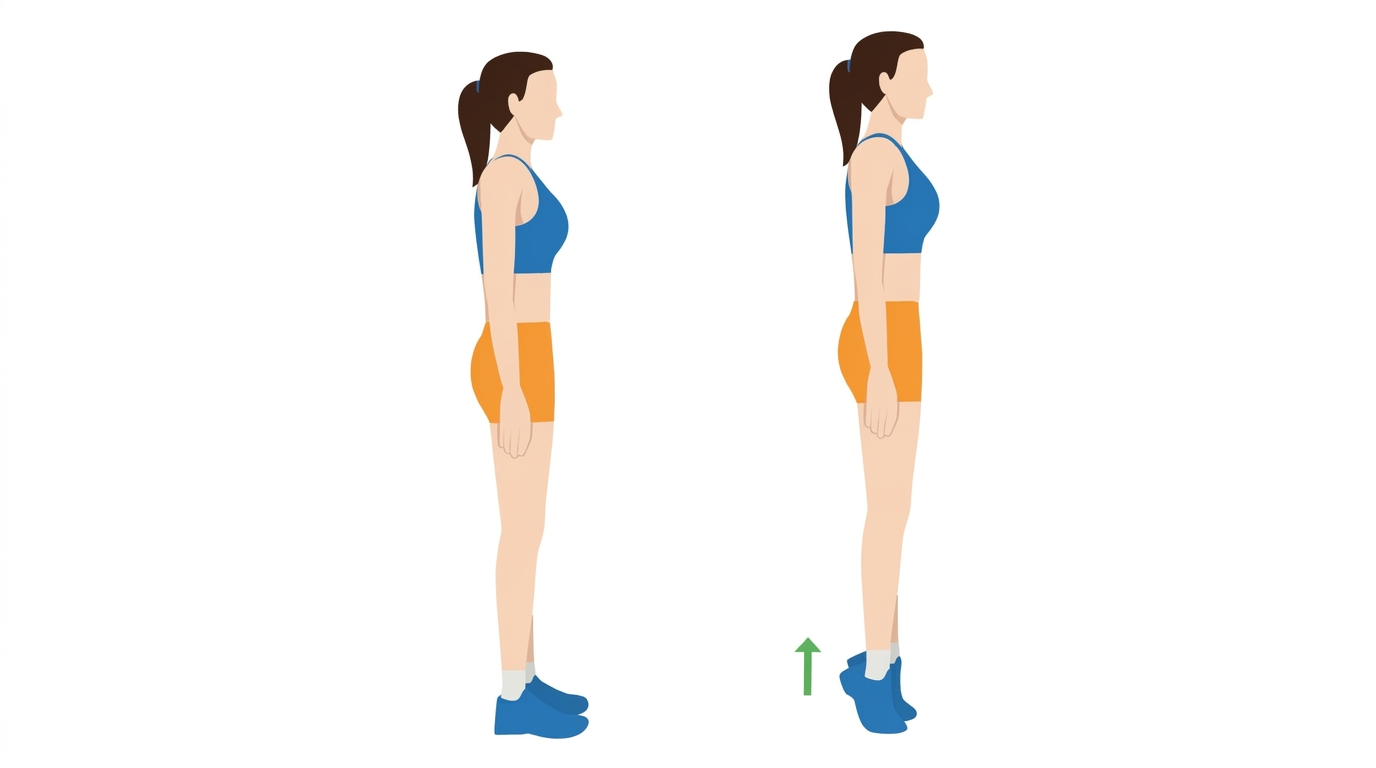
Stand behind a chair and hold the backrest for balance. Rise onto your toes, pause for a second, then slowly lower your heels.
This movement strengthens the calves and supports better balance and walking. Aim for 12 to 15 repetitions.
5. Toe Raises
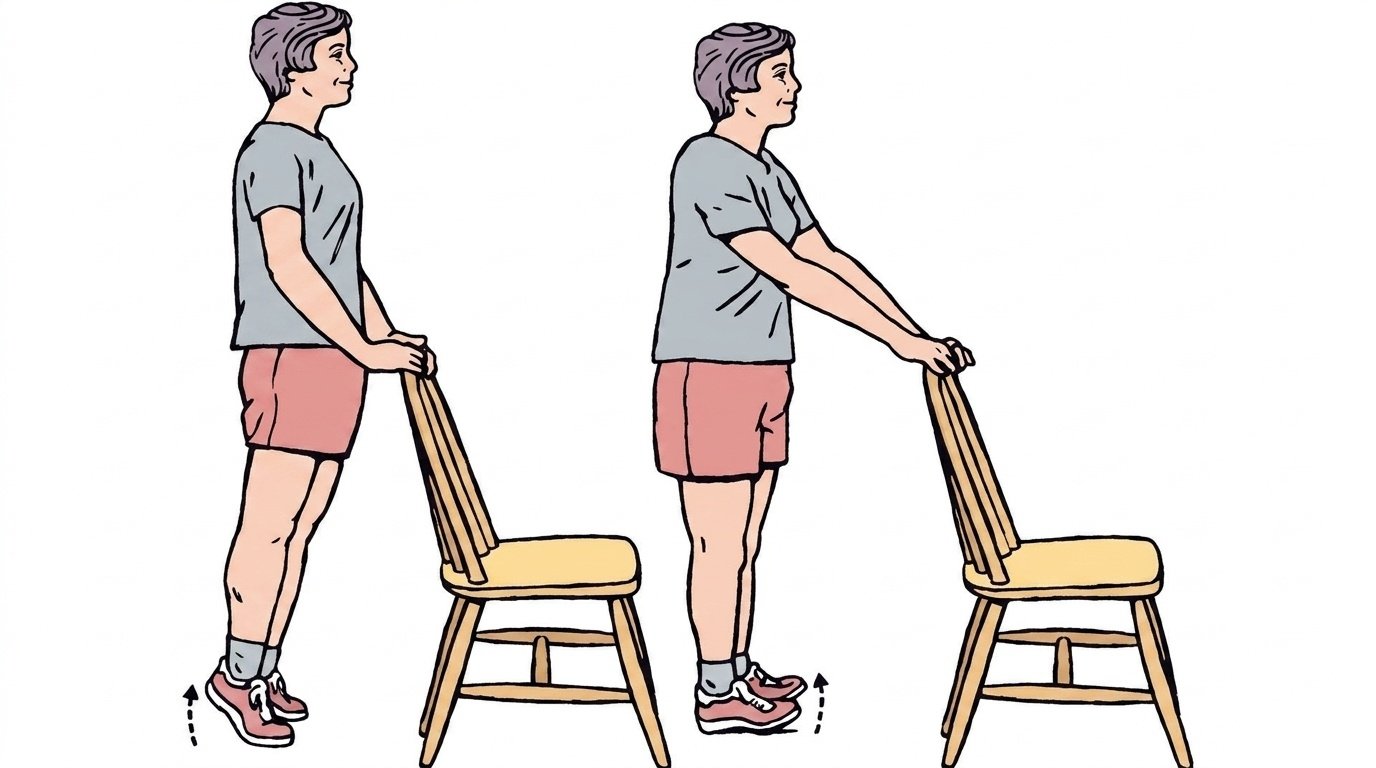
Stand with your back against a wall and your feet about a foot away from it. Lift the front of your feet off the floor so you're resting on your heels, then lower them back down.
This strengthens the muscles along your shins, which help stop you catching your own toes when you walk. Repeat 10 to 12 times.
6. Heel-to-Toe Walk
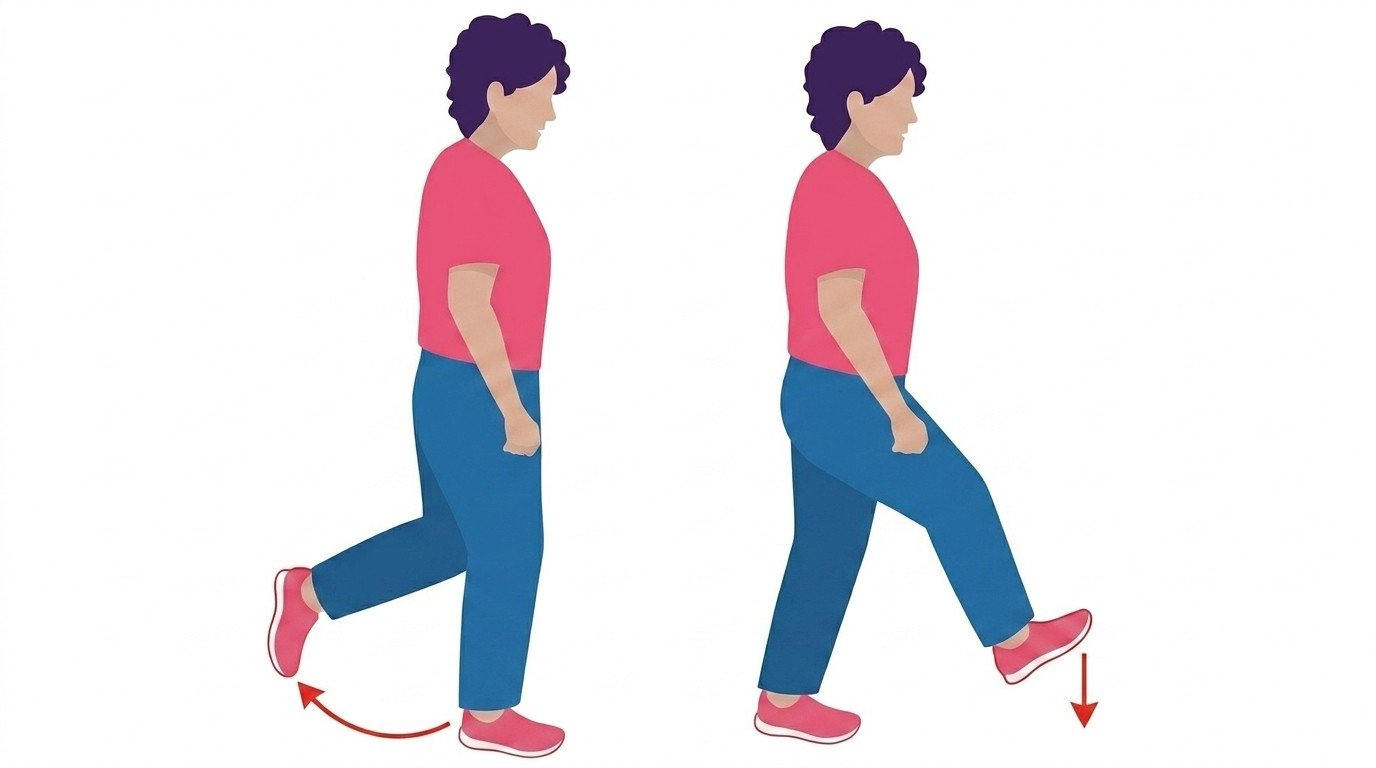
Walk in a straight line by placing the heel of one foot directly in front of the toes of the other. It should feel a little like walking a tightrope.
Move slowly and use a wall or countertop for support if needed. Take 3 to 5 steps forward, then carefully step backward the same way. This exercise improves balance and coordination.
7. Side Leg Raises
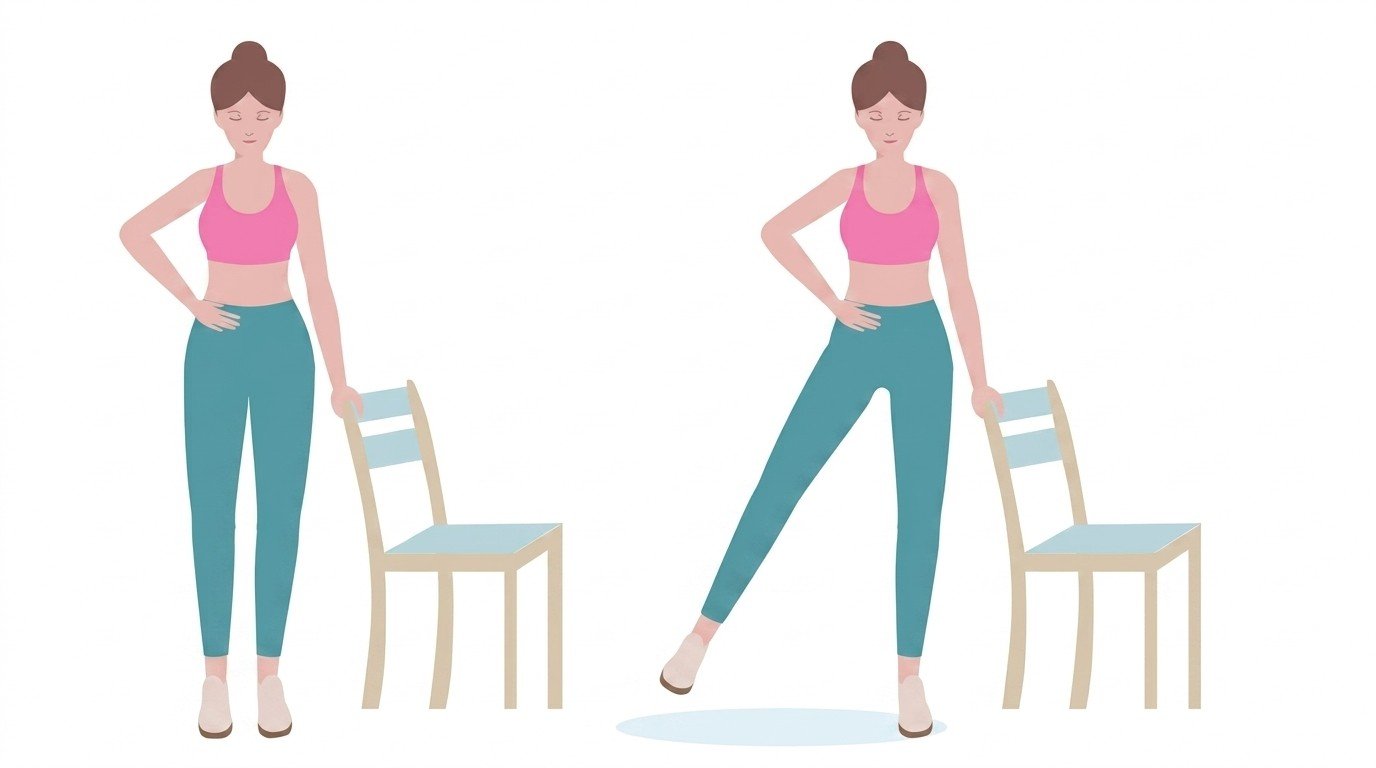
Stand tall while holding a chair for support. Lift one leg out to the side without leaning your body, then slowly lower it.
This trains sideways movement, which walking never does, and strengthens the hips and outer thighs to improve stability. Repeat 10 times per side.
8. Standing Hamstring Curls
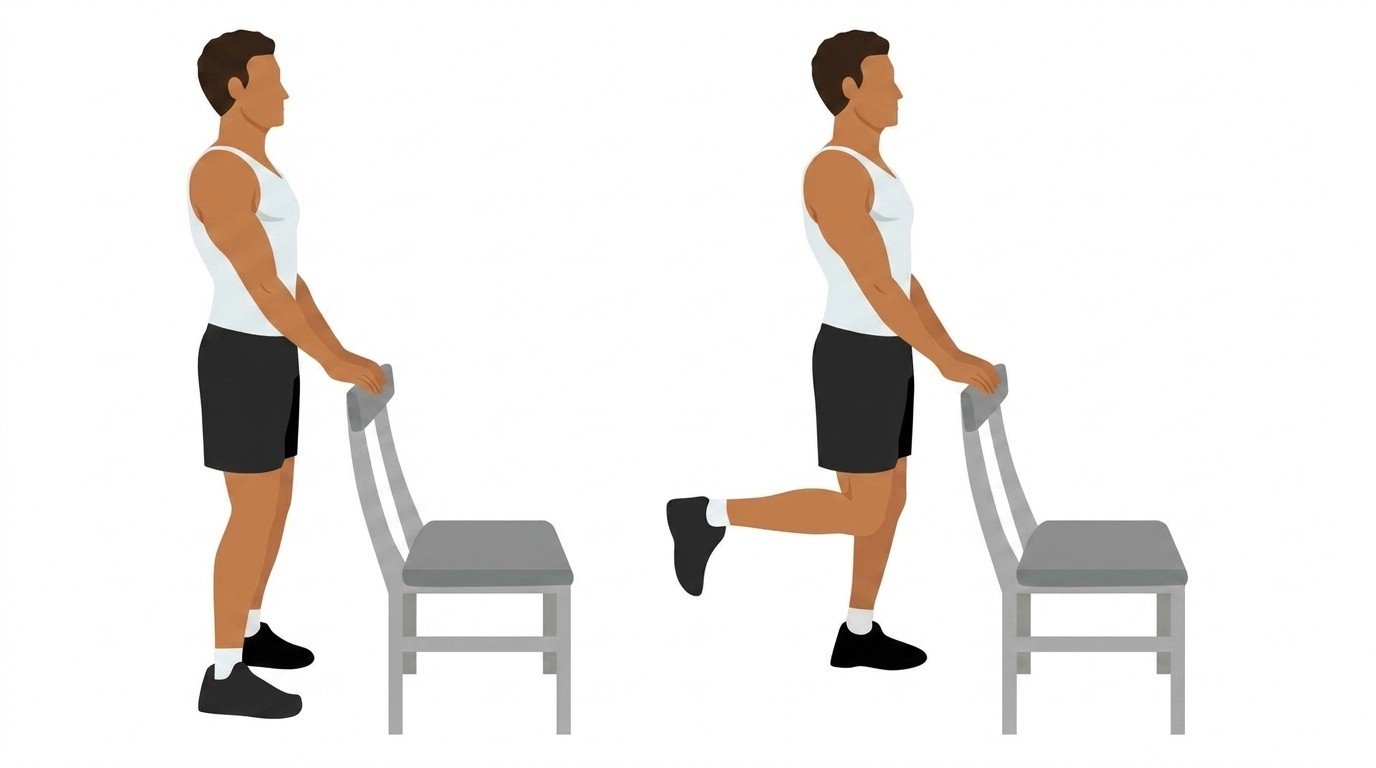
Hold the back of a chair and bend one knee, bringing your heel toward your buttocks. Lower your foot slowly and repeat on the other side.
Hamstring curls strengthen the back of the thighs and improve knee support. Aim for 10 repetitions per leg.
9. Step-Ups
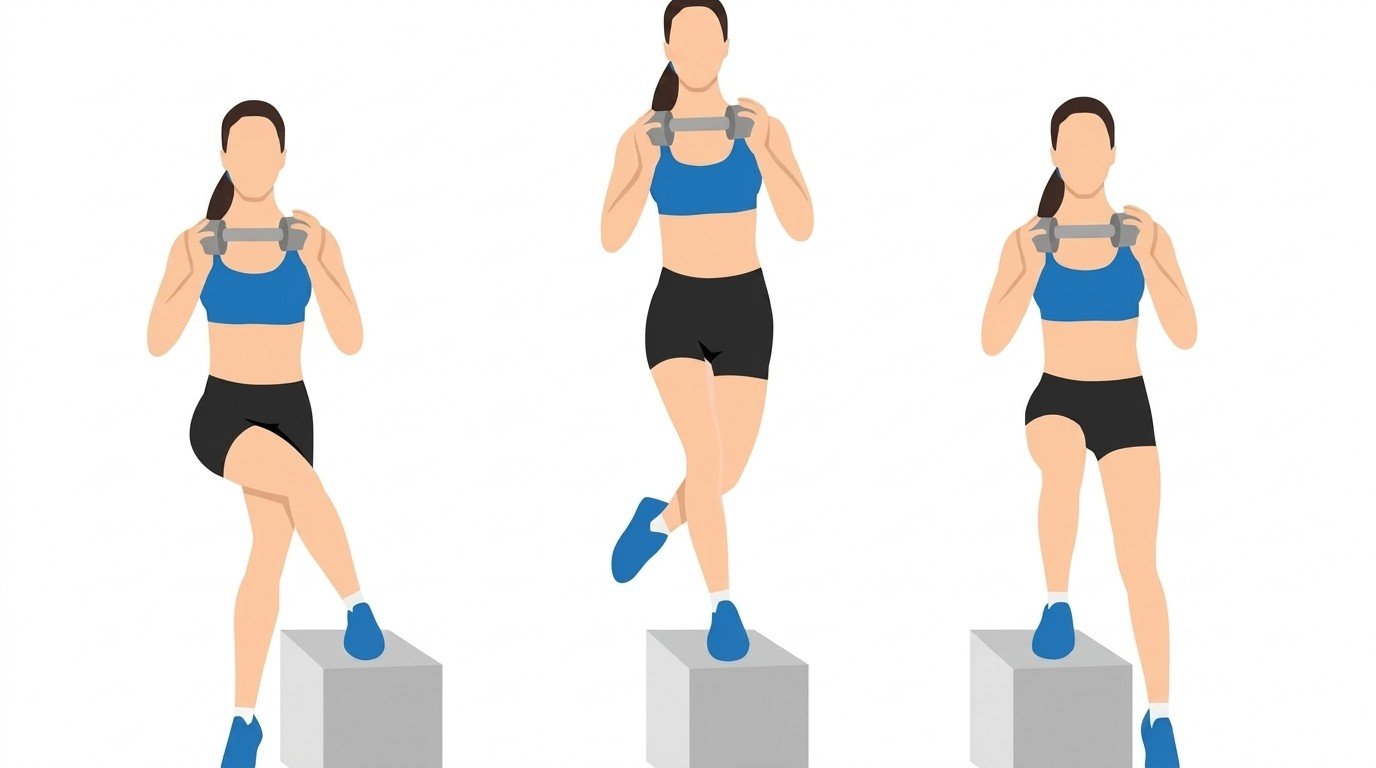
Step onto a low, sturdy step with one foot, bring the other foot up, then step back down one foot at a time.
This exercise builds strength in the thighs and glutes while improving balance for climbing stairs.
10. Single-Leg Hip Hinge
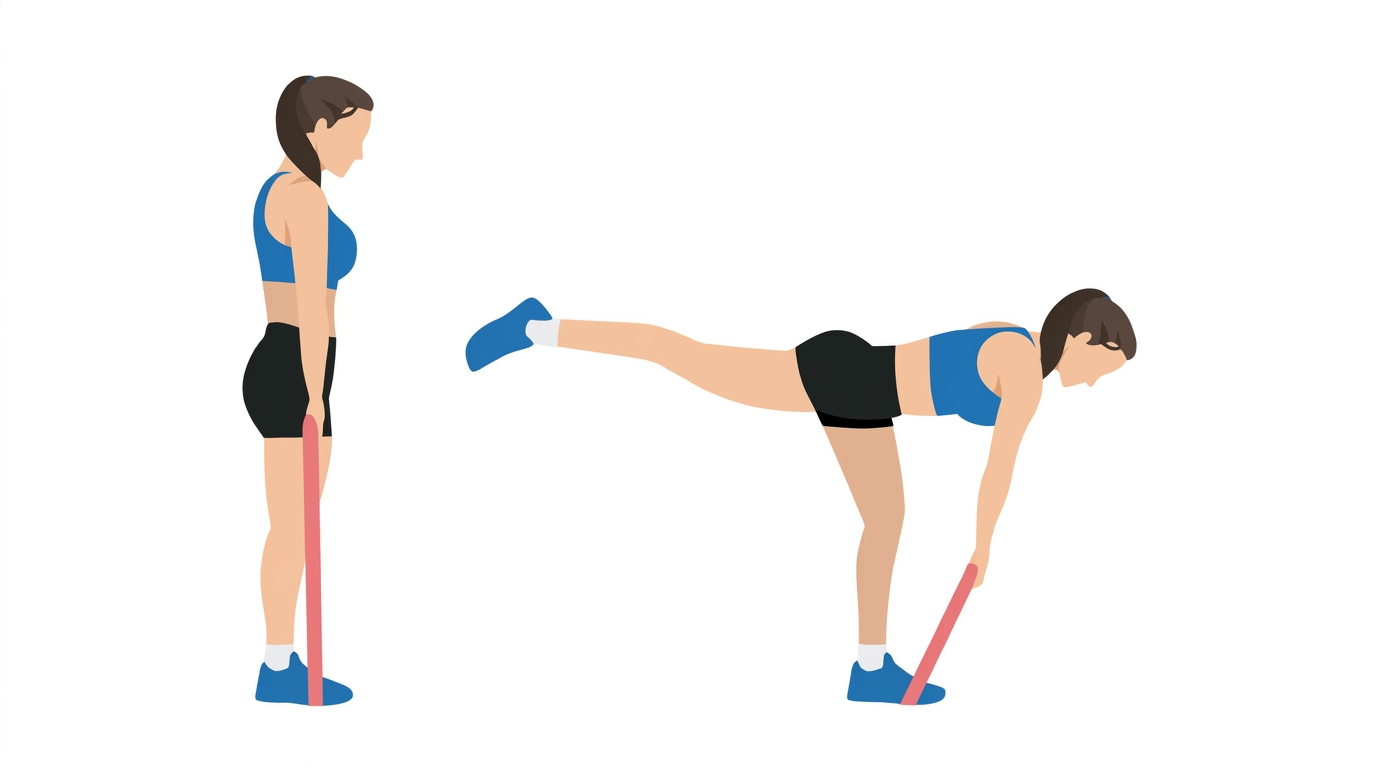
Stand tall and shift your weight onto one leg, with the heel of the other foot lifted. Rest your hands on your hips or a sturdy chair.
Let your standing knee bend slightly as you hinge forward from the hips, going only as far as feels comfortable, then return to standing.
Shifting weight forward on one leg is a skill that fades with age, and this rebuilds it. Repeat 3 to 5 times per side.
11. Wall Sits (Modified)
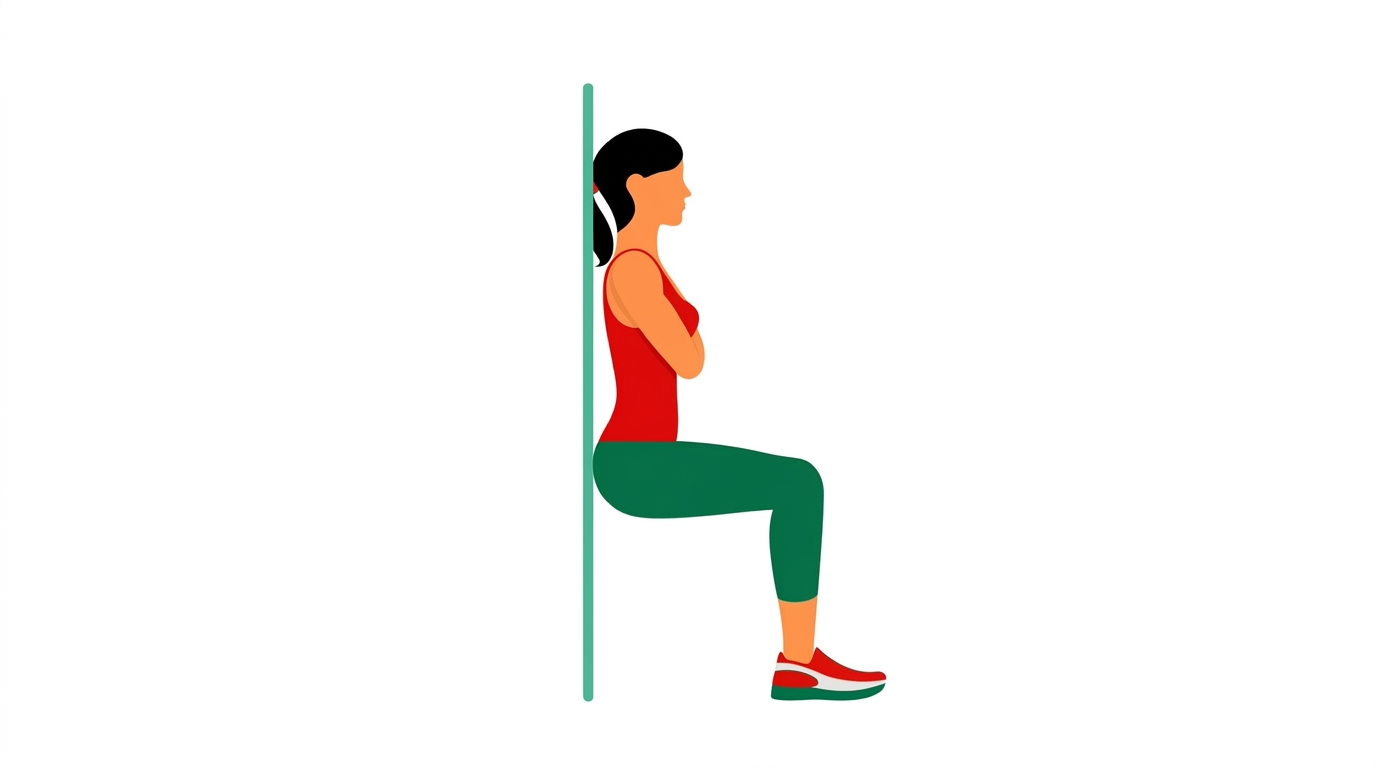
Stand with your back against a wall and slide down slightly until your knees are comfortably bent. Hold the position for a few seconds, then slowly stand up.
A modified wall sit strengthens the thighs without placing excessive strain on the joints.
12. Standing Marches
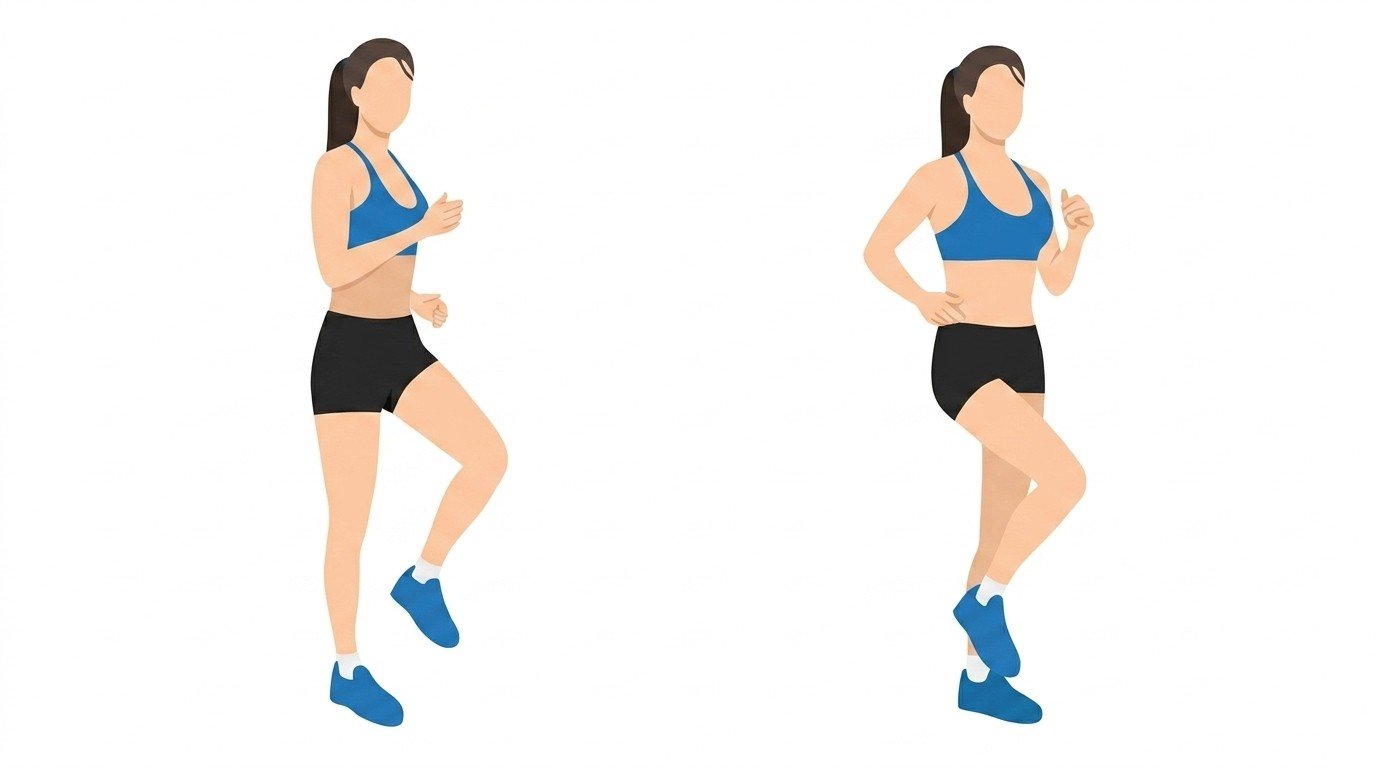
Stand behind a sturdy chair and hold the backrest for support. Slowly lift one knee toward your waist, lower it, and then lift the other knee. Continue alternating legs in a controlled motion.
This exercise strengthens the hips, thighs, and core while improving balance, coordination, and walking ability. Aim for 10 to 15 marches per leg and gradually increase as you become more comfortable.
13. Ankle Circles
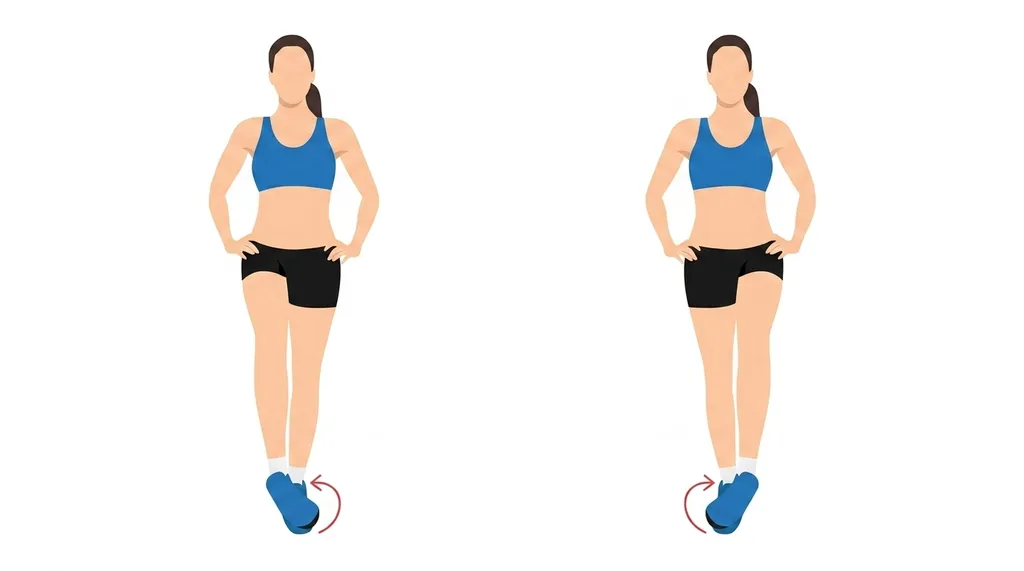
Sit or lie down and extend one leg. Rotate your ankle slowly clockwise for about 10 seconds, then counterclockwise, and switch legs. It's a small movement, but strong, mobile ankles support balance and circulation and are easy to overlook.
Start with the mini version. Nearly every exercise here has an easier variation. Squat only partway, hold the chair with both hands, or do fewer repetitions.
Physical therapists suggest starting where you can and building toward the harder version over time rather than skipping a movement entirely.
Weekly Leg Exercise Routine for Seniors
A simple routine makes it easier to stay active and build strength safely. Start with exercises that feel comfortable, and increase the number of repetitions or sets only when they become easier.
Rest days are just as important as exercise days because they give your muscles time to recover and grow stronger.
| Day | Exercises | Sets & Reps |
| Monday | Sit-to-Stand, Seated Leg Extensions, Standing Calf Raises | 2 sets of 8 to 12 reps |
| Tuesday | Gentle walk or light stretching | 20 to 30 minutes |
| Wednesday | Side Leg Raises, Standing Hamstring Curls, Heel-to-Toe Walk | 2 sets of 8 to 12 reps |
| Thursday | Rest or gentle stretching plus ankle circles | As comfortable |
| Friday | Chair Squats, Step-Ups, Toe Raises | 2 sets of 8 to 12 reps |
| Saturday | Easy walk or balance exercises | 20 to 30 minutes |
| Sunday | Rest and recovery | Light movement if desired |
Tip: If you're new to exercise, begin with one set of each movement and gradually work up to two or three sets as your strength and confidence improve.
Setting aside about 30 minutes a day, and pairing exercise with music or company, makes the habit far easier to keep.
Safety Tips Before You Start
Taking a few simple precautions before exercising can help you stay safe, reduce the risk of injury, and make your workouts more enjoyable.
Talk to Your Doctor First
Check with your healthcare provider or a physical therapist before starting, especially if you have a chronic condition, a past injury, or ongoing balance problems. They can suggest modifications that suit your situation.
Warm Up First
Spend 5 to 10 minutes doing gentle movements such as walking in place or easy leg stretches. A warm-up prepares your muscles and joints for exercise, and a short cool-down afterward helps prevent muscle strain.
Wear Supportive Shoes
Choose comfortable, well-fitting shoes with non-slip soles and good support. Proper footwear improves stability and helps reduce the risk of slips or falls.
Use a Chair for Balance
Keep a sturdy chair, countertop, or wall nearby for extra support during standing exercises. This can help you feel more confident while practicing new movements.
Stay Hydrated
Drink water before and after exercising. Good hydration supports mobility, muscle function, and recovery, and thirst becomes a less reliable signal with age.
Start Slowly
Begin with a small number of repetitions and light effort. As your strength and confidence improve, gradually increase the difficulty at a pace that feels comfortable.
Listen to Your Body
Some muscle fatigue is normal, but stop exercising if you feel sharp pain, dizziness, or unusual discomfort. Rest when needed and speak with your healthcare provider if symptoms continue.
Common Mistakes to Avoid
Avoiding these common mistakes can help you exercise more safely and get better results from your routine.
- Skipping Warm-Ups: Start with a few minutes of gentle movement to prepare your muscles and joints for exercise.
- Relying on Walking Alone: Walking is excellent for endurance, but it doesn't build the strength or the sideways movement your body needs.
- Using Poor Form: Focus on slow, controlled movements to target the right muscles and reduce the risk of injury.
- Doing Too Much Too Soon: Increase your repetitions and intensity gradually to give your body time to adapt.
- Holding Your Breath: Breathe steadily throughout each exercise to help your muscles work efficiently and avoid unnecessary strain.
- Skipping an Exercise Instead of Modifying It: If a movement feels too hard, try the smaller version rather than dropping it altogether.
- Ignoring Pain: Mild muscle fatigue is normal, but stop if you feel sharp pain, dizziness, or unusual discomfort.
- Rushing Through Exercises: Take your time with each movement to improve balance, coordination, and muscle engagement.
Conclusion
I hope these leg strengthening exercises for seniors help you feel more confident about staying active.
If I were beginning this routine, I'd remind myself that even a few minutes of movement each day is a step in the right direction.
You don't have to do everything at once. Build your strength little by little, and let those small wins keep you motivated.
If this guide helped you, leave a comment, share it with a friend or family member, or try our other senior fitness articles.
Frequently Asked Questions
What is the best leg exercise for seniors?
The sit-to-stand is hard to beat, since it strengthens the thighs, hips, and glutes while practicing a movement you make dozens of times a day. Chair squats are a close second for the same reasons.
How often should seniors strengthen their legs?
Most seniors can benefit from leg-strengthening exercises 2 to 3 times per week, with rest days between sessions for recovery. Around 30 minutes a day of combined movement and stretching is a reasonable goal.
Can leg exercises improve balance?
Yes. Stronger leg muscles provide better stability, and research links targeted strength and balance work to a lower risk of falls. Movements like the heel-to-toe walk and single-leg hip hinge train balance directly.
Are chair exercises effective for seniors?
Yes. Chair exercises are a safe and effective way to build strength, especially for beginners or those with limited mobility. Seated leg extensions, toe taps, and ankle circles can all be done sitting down.
Is walking enough to strengthen the legs?
No, though it helps. Walking supports endurance and heart health but moves you forward only. Adding strength exercises builds muscle, trains sideways and diagonal movement, and does more to protect your independence.
Do I need to see a doctor before starting?
It's worth checking, particularly if you have a chronic condition, a recent injury, or balance concerns. A physical therapist can also tailor these movements to your needs. If you have a Medicare Advantage plan, it may include a fitness benefit like SilverSneakers that covers classes designed for older adults.