If you want to build a fuller, stronger body, you are not alone. Many people search for the best way to get thick, but end up confused by bad advice or slow results.
This article covers the best exercises, diet tips, and a complete workout plan to help you build lean muscle in all the right places.
You will also find home workout options, top foods, and key supplements to speed up your progress.
I have spent years studying muscle growth and tested these strategies with real people, so everything here is practical and grounded in what actually works.
Whether your goal is bigger glutes, thicker thighs, or a fuller frame, this guide gives you a clear path forward.
What Does "Getting Thick" Really Mean?
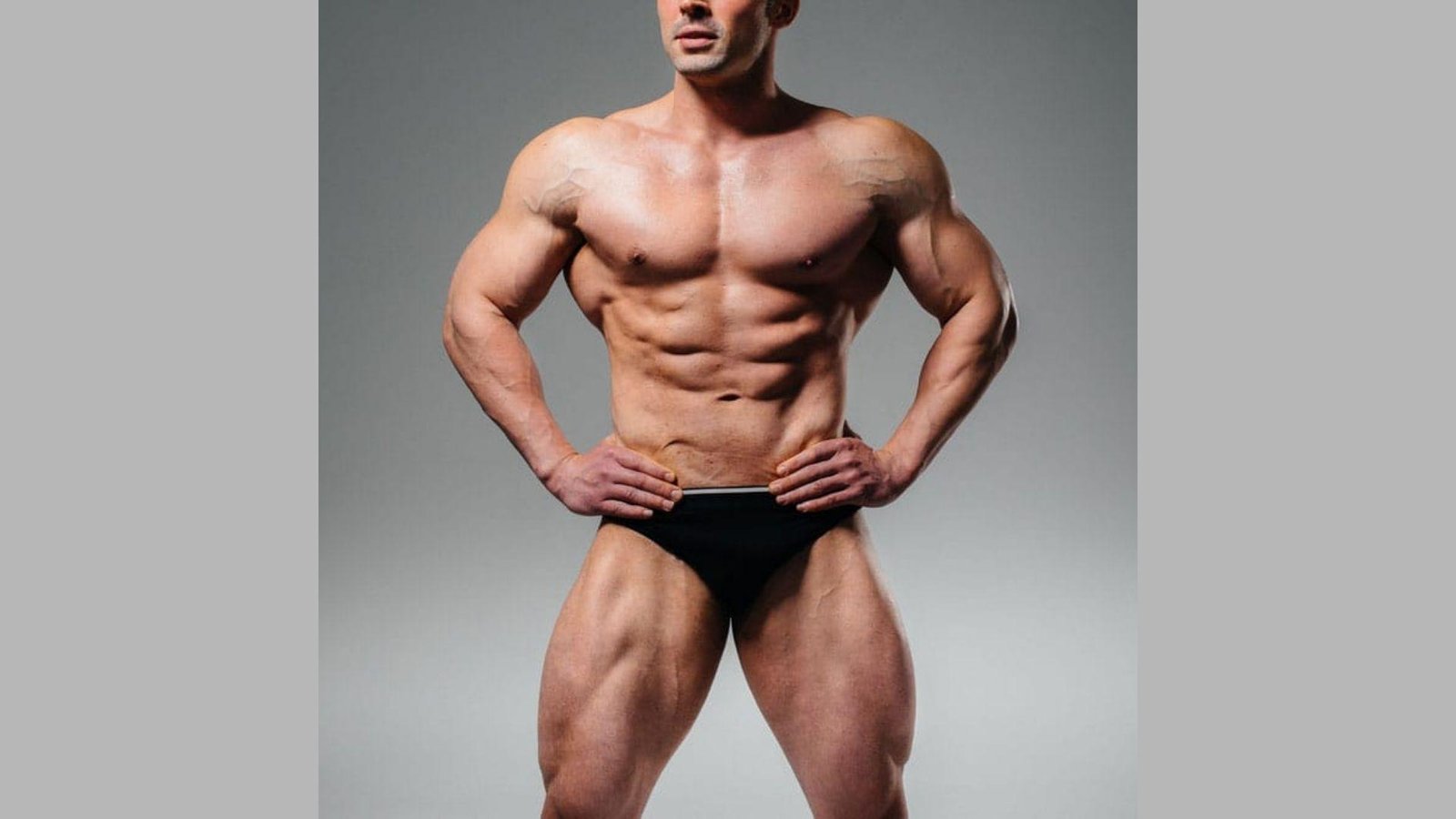
Getting thick is not about gaining random weight. It means building lean muscle in specific areas through a process called muscle hypertrophy.
Most people use the term to describe a fuller, curvier, or more muscular body shape. This includes bigger glutes, thicker thighs, and a stronger lower body. It is not the same as gaining fat. The goal is to add muscle mass while keeping your body healthy and strong.
Getting thick requires three things: the right training, enough food, and proper rest. You cannot out-train a poor diet. When all three align, your body changes in the ways you want.
Women tend to naturally store more fat in the glutes and thighs due to higher estrogen levels. Men often focus more on overall mass.
Either way, the foundation is resistance training and a calorie surplus from clean foods.
Your body type also matters. People with a gynoid body shape store fat in the hips and thighs. Those with an android body shape store more fat in the midsection. Knowing your tendency helps set realistic expectations, but it does not limit what you can build.
How to Get Thick Naturally
The natural path to getting thick is slower than most people expect, but the results last much longer.
No shortcuts, no quick fixes. Building a thicker body naturally means putting in consistent work over weeks and months. Here is what that looks like in practice.
Eat in a slight calorie surplus. Your body needs extra fuel to build muscle. Aim for 200 to 300 calories above your maintenance level and focus those calories on protein and complex carbs, not junk food.
Lift heavy and progressively. Your muscles grow when you push them harder over time. Increasing weight, reps, or sets as you get stronger is called progressive overload, and it is the core of natural muscle growth.
Stay hydrated. Around 75% of muscle tissue is water. When you are dehydrated, your muscles cannot recover or grow efficiently. Drink at least 8 to 10 cups of water per day, more on training days.
Prioritize sleep and recovery. Muscles grow while you rest. During sleep, fibroblasts repair microscopic muscle tears caused by lifting, making your muscles stronger and thicker over time. Aim for 7 to 9 hours each night.
Best Exercises to Get Thick Fast
The right exercises make all the difference when your goal is to build muscle in your glutes, thighs, and legs.
Do them with proper form, use progressive overload, and you will start to see real changes within a few weeks.
Squats
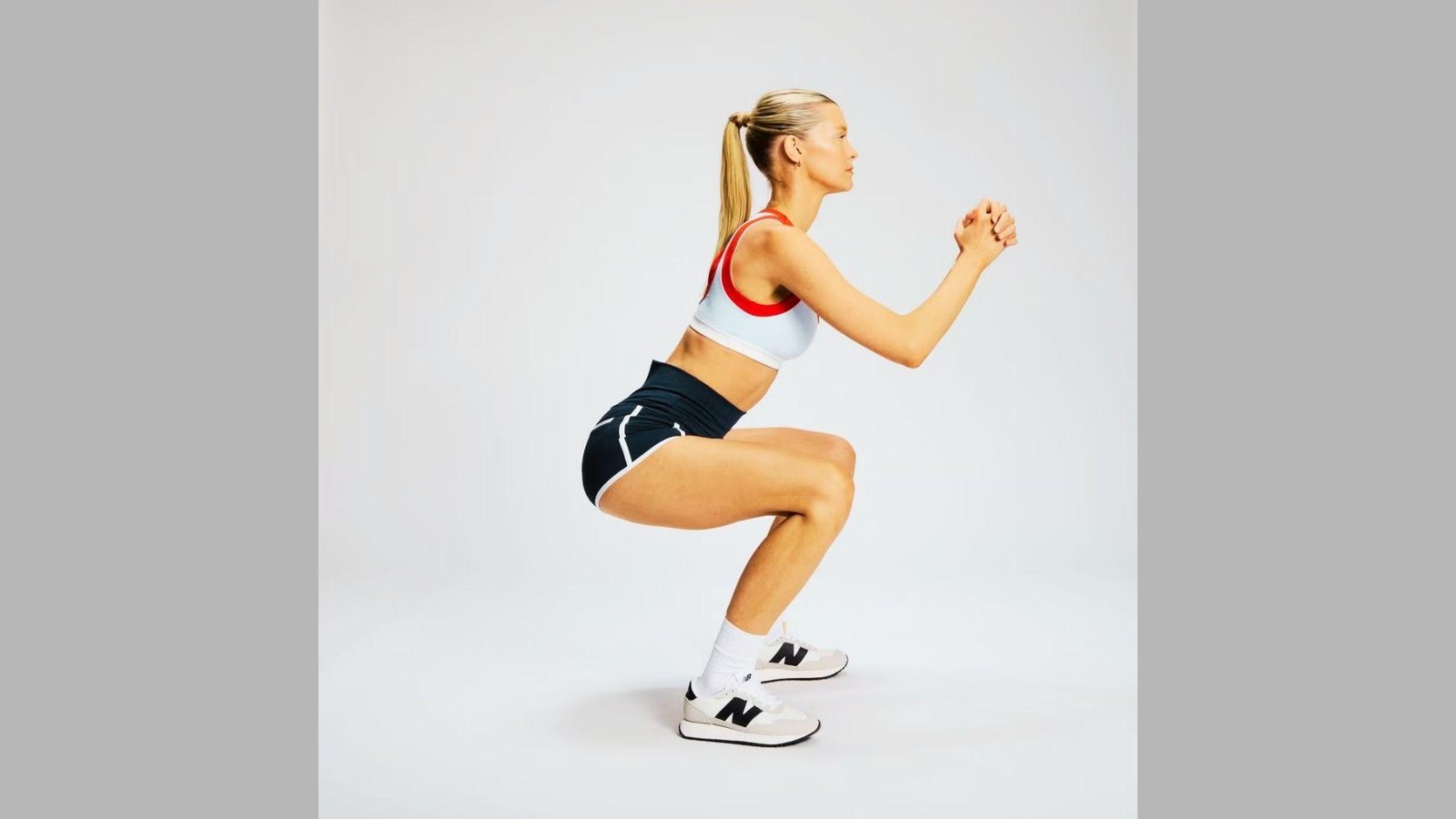
Squats are one of the most effective exercises for building thick thighs and glutes. They are a compound movement, meaning they work the quadriceps, hamstrings, glutes, core, and calves all at once.
Stand with feet shoulder-width apart, lower your hips until your thighs are parallel to the floor, then press back up. Keep your chest up and knees in line with your toes. Barbell back squats load the most weight.
Goblet squats work well for beginners. Aim for 3 to 4 sets of 8 to 12 reps.
Hip Thrusts
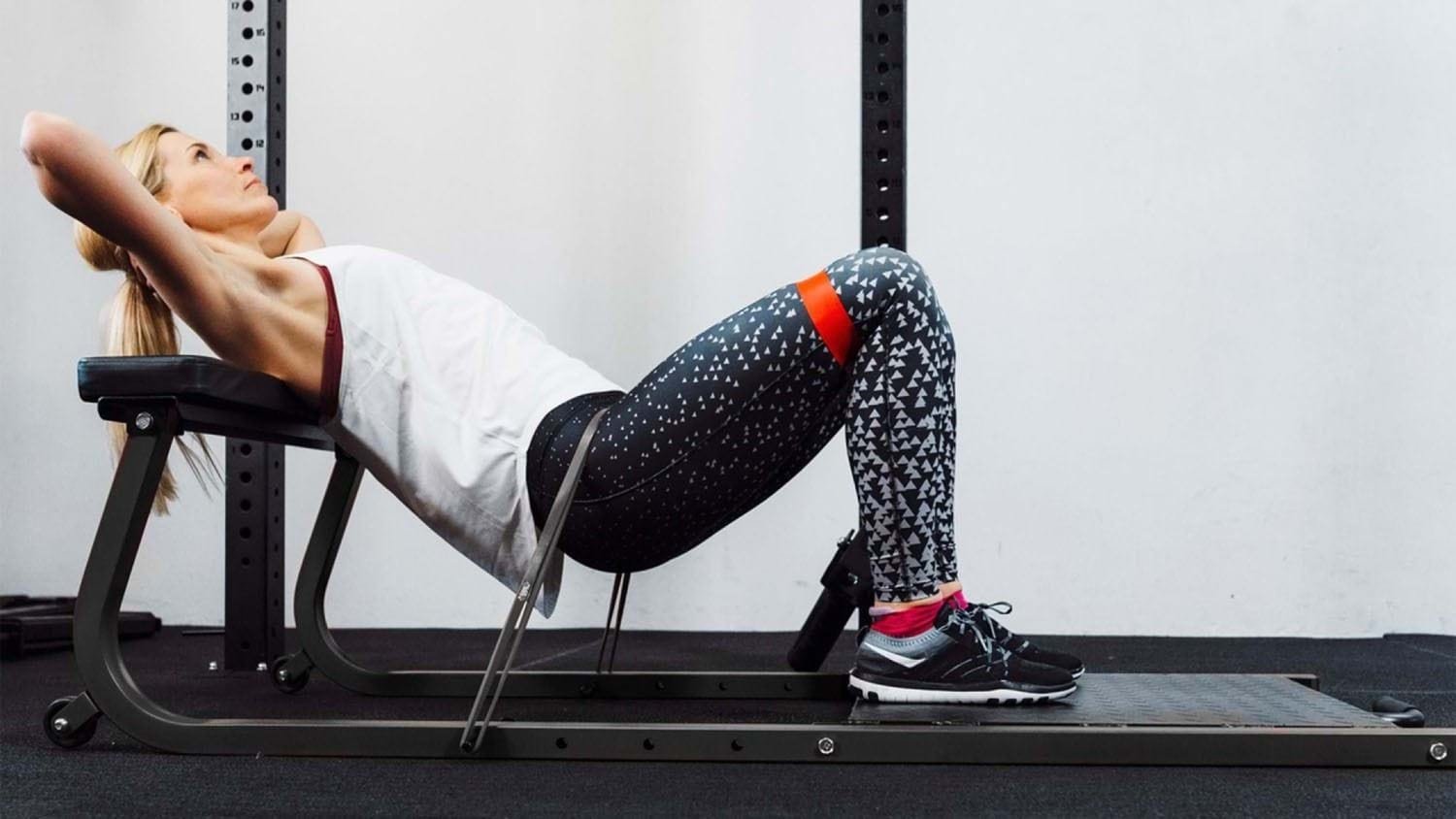
Hip thrusts are the top exercise for glute growth. Sit with your upper back against a bench, place a barbell across your hips, and drive your hips upward until your body forms a straight line from shoulders to knees.
Squeeze your glutes at the top and hold for one second. This movement targets the gluteus maximus directly and is one of the best ways to stimulate muscle hypertrophy in the glutes. Do 3 to 4 sets of 10 to 15 reps.
Romanian Deadlifts
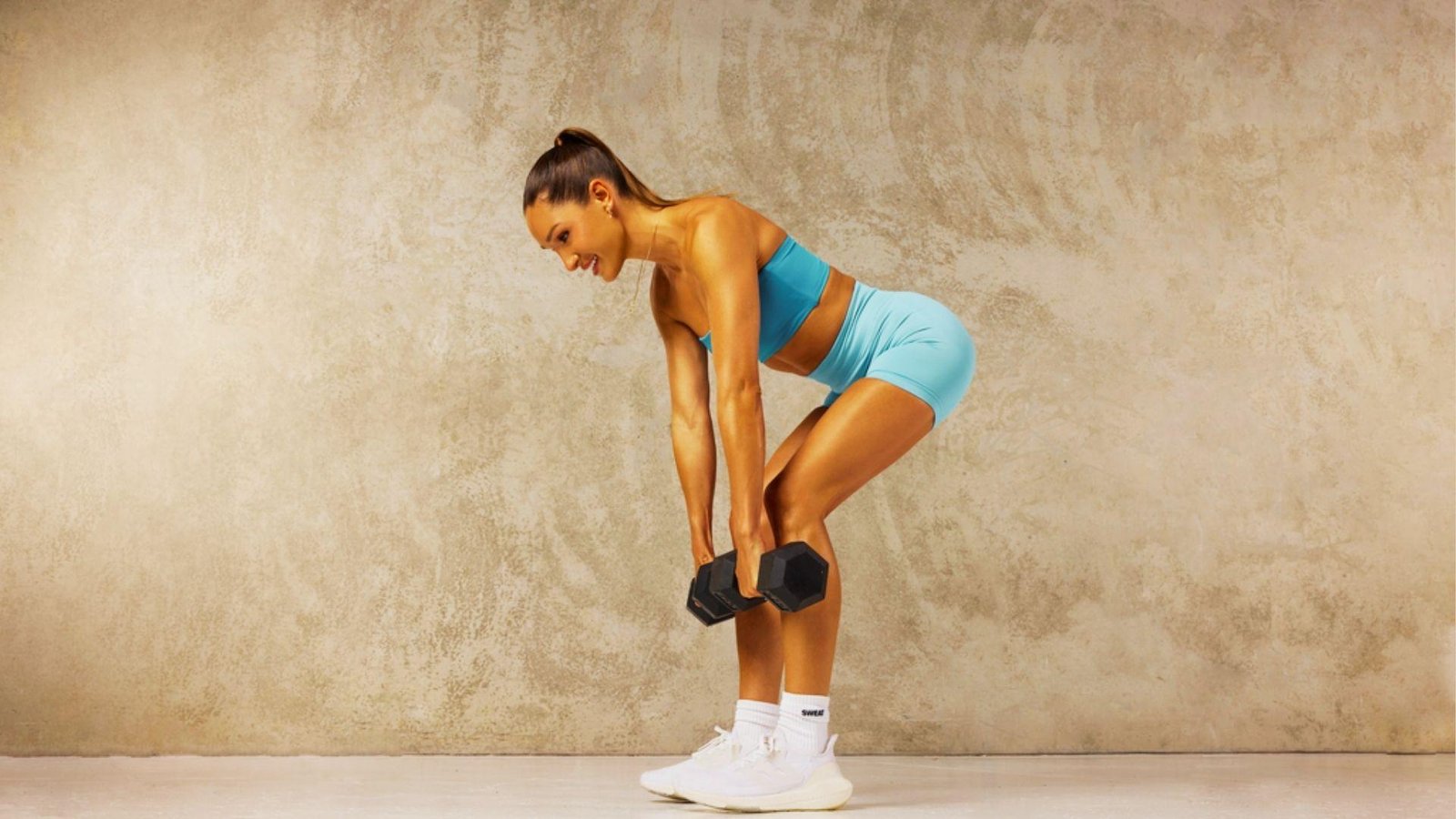
Romanian deadlifts work your hamstrings and glutes at the same time, making them a key exercise for building the posterior chain.
Hold a barbell or dumbbells in front of your thighs, hinge at the hips while keeping a flat back, and lower the weights until you feel a deep stretch in your hamstrings.
Drive your hips forward to stand back up. Control the movement on the way down for maximum muscle activation. Use 3 sets of 8 to 12 reps.
Bulgarian Split Squats
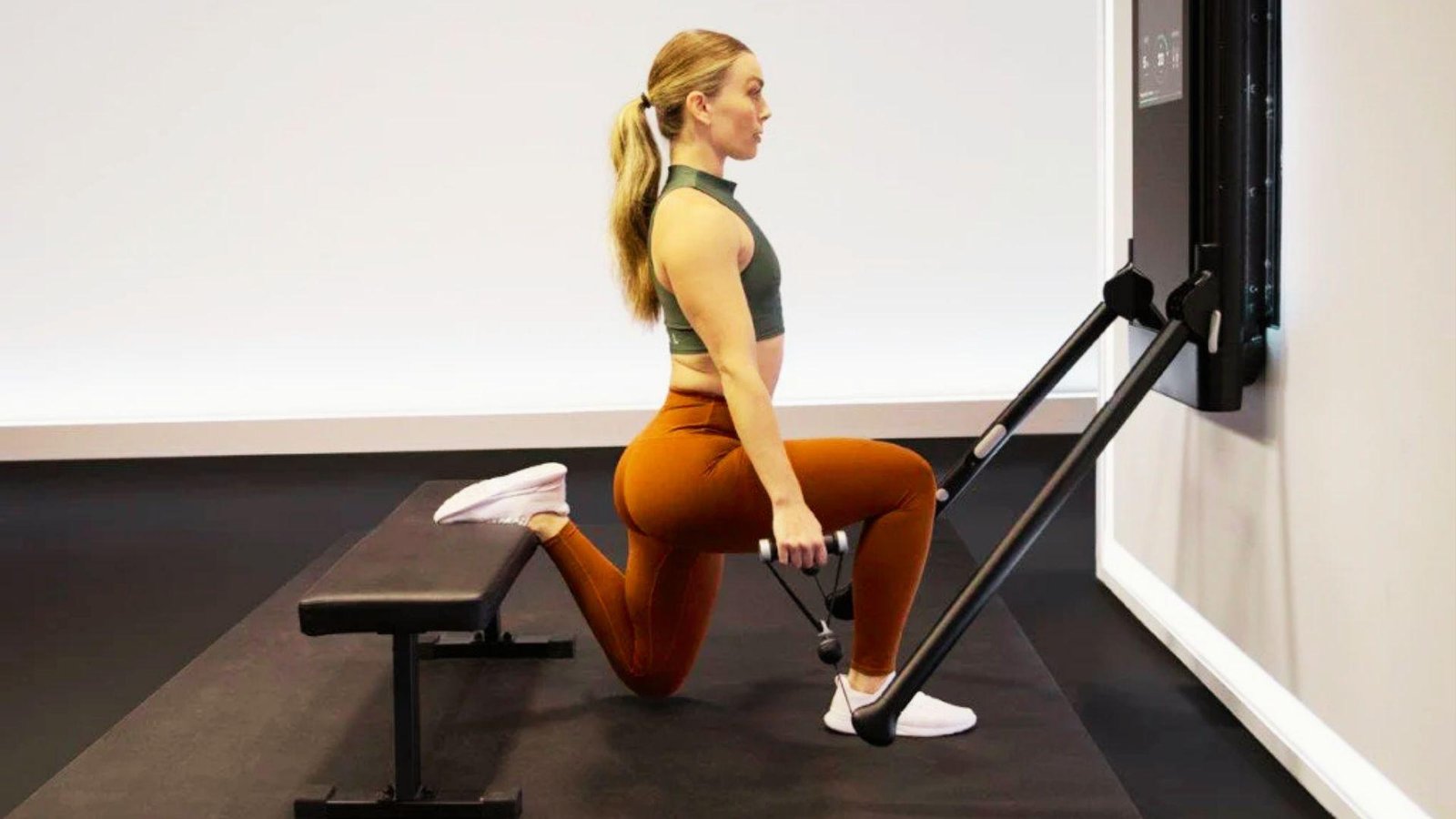
This single-leg exercise builds serious thickness in the thighs and glutes. Stand a few feet in front of a bench, place one foot behind you on the bench, and lower your front knee toward the floor.
Keep your torso upright and push through your front heel to return to the starting position. It also works the adductors and fixes muscle imbalances between legs. Try 3 sets of 10 reps per leg.
Walking Lunges
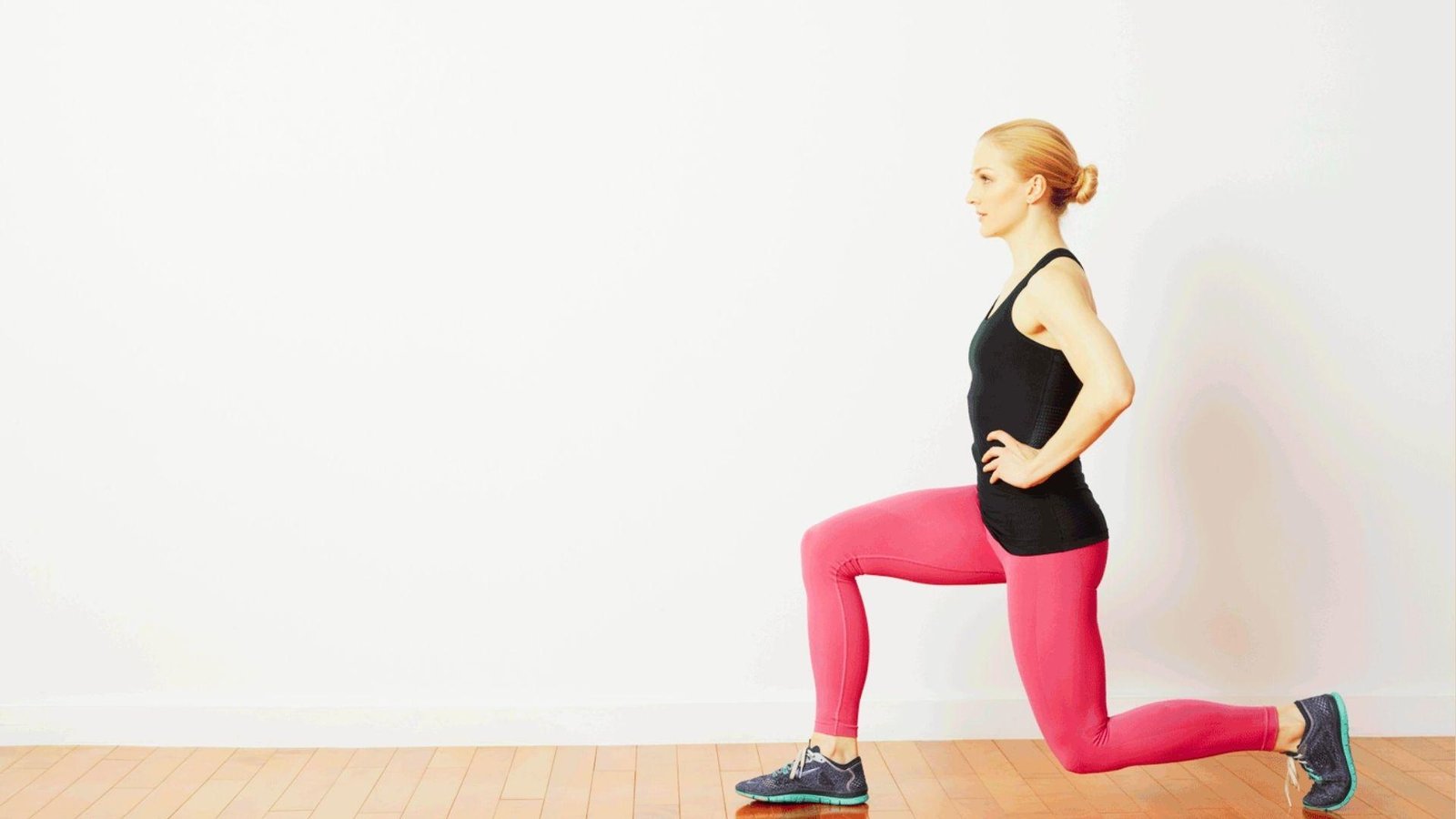
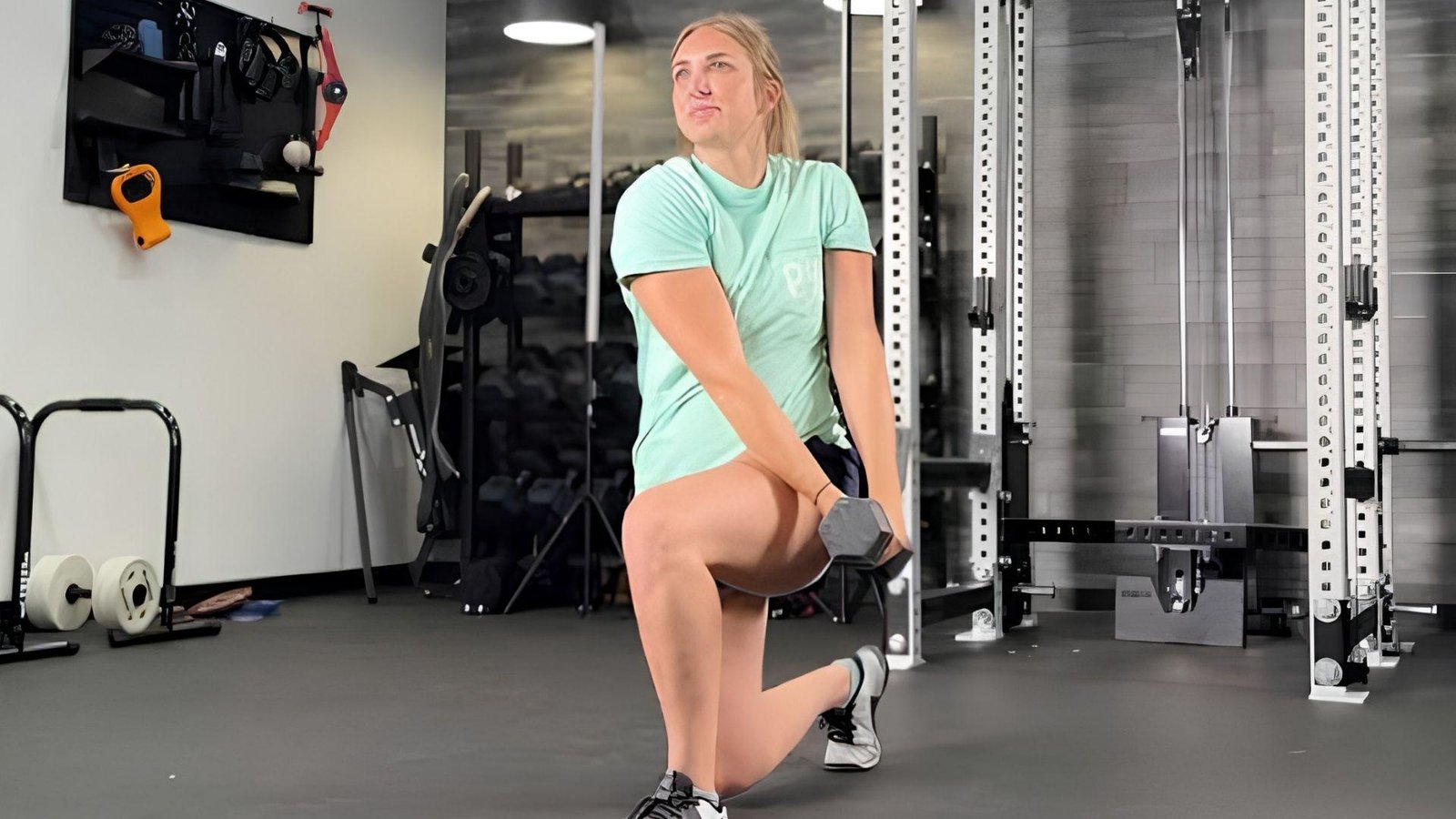
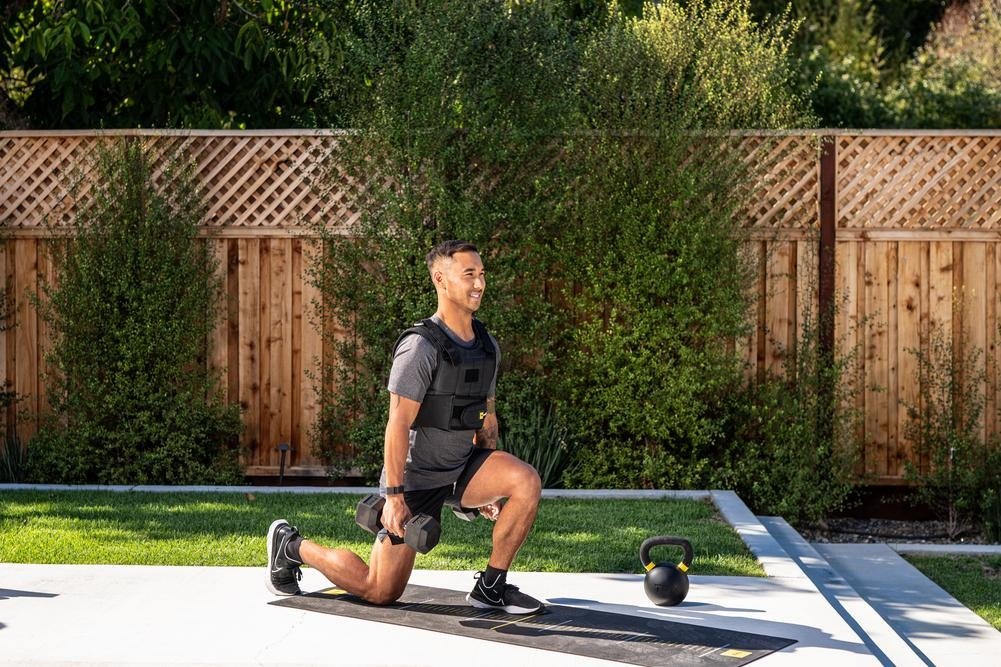
Walking lunges activate the glutes, quads, and hamstrings in one fluid movement. Step forward into a lunge, lower your back knee close to the ground, then bring your back foot forward into the next lunge.
Use dumbbells to add resistance as you get stronger. This exercise also improves balance and hip mobility. Aim for 3 sets of 12 steps per leg.
Leg Press
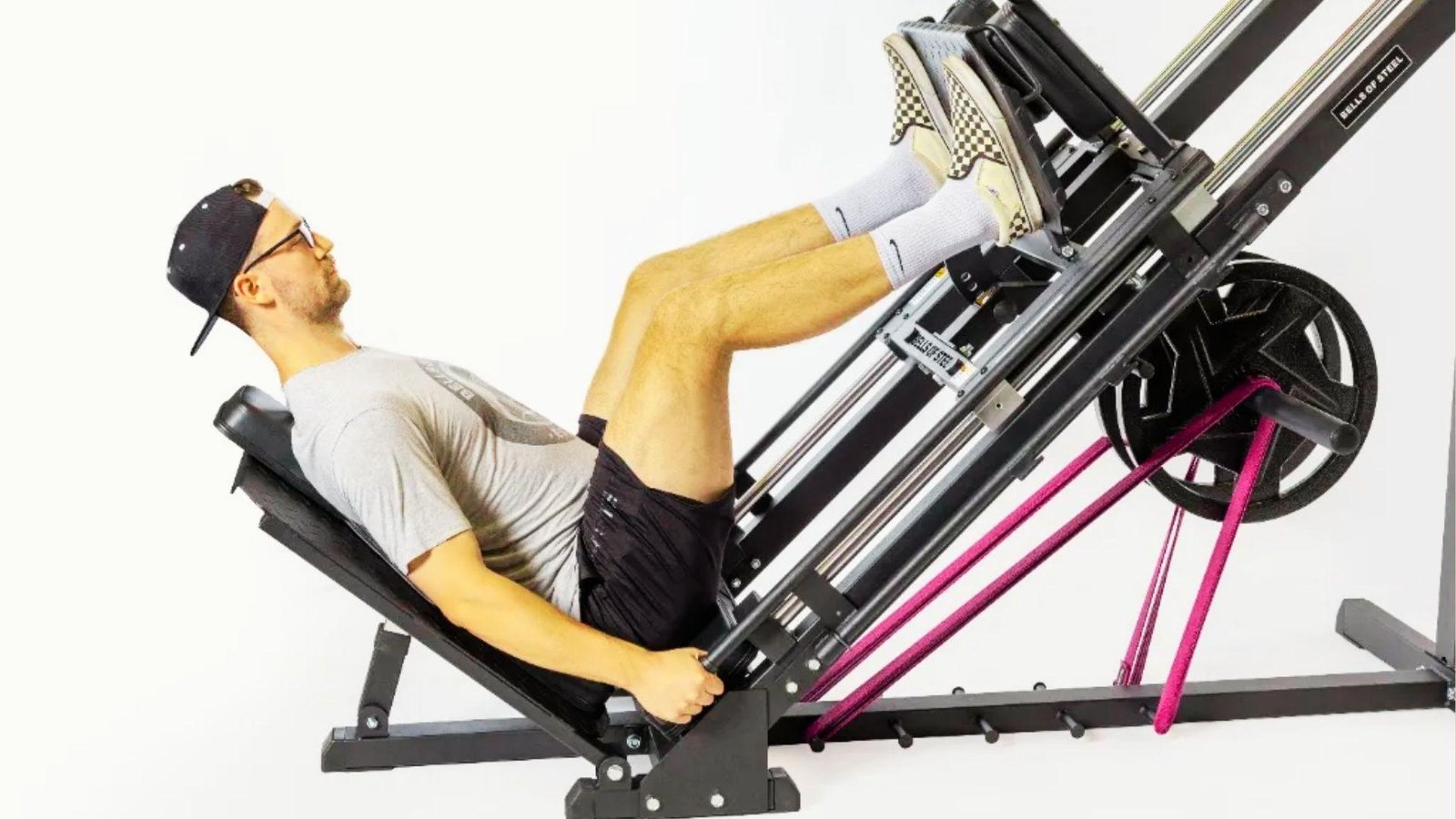
The leg press is a great machine exercise for loading the quads and glutes with heavy weight without stressing your lower back.
Place your feet high on the platform to shift more tension onto the glutes and hamstrings.
A wider stance targets the inner thigh adductors more. Lower the sled until your knees reach 90 degrees, then push back up without locking your knees. Use 3 to 4 sets of 10 to 15 reps.
Glute Bridges
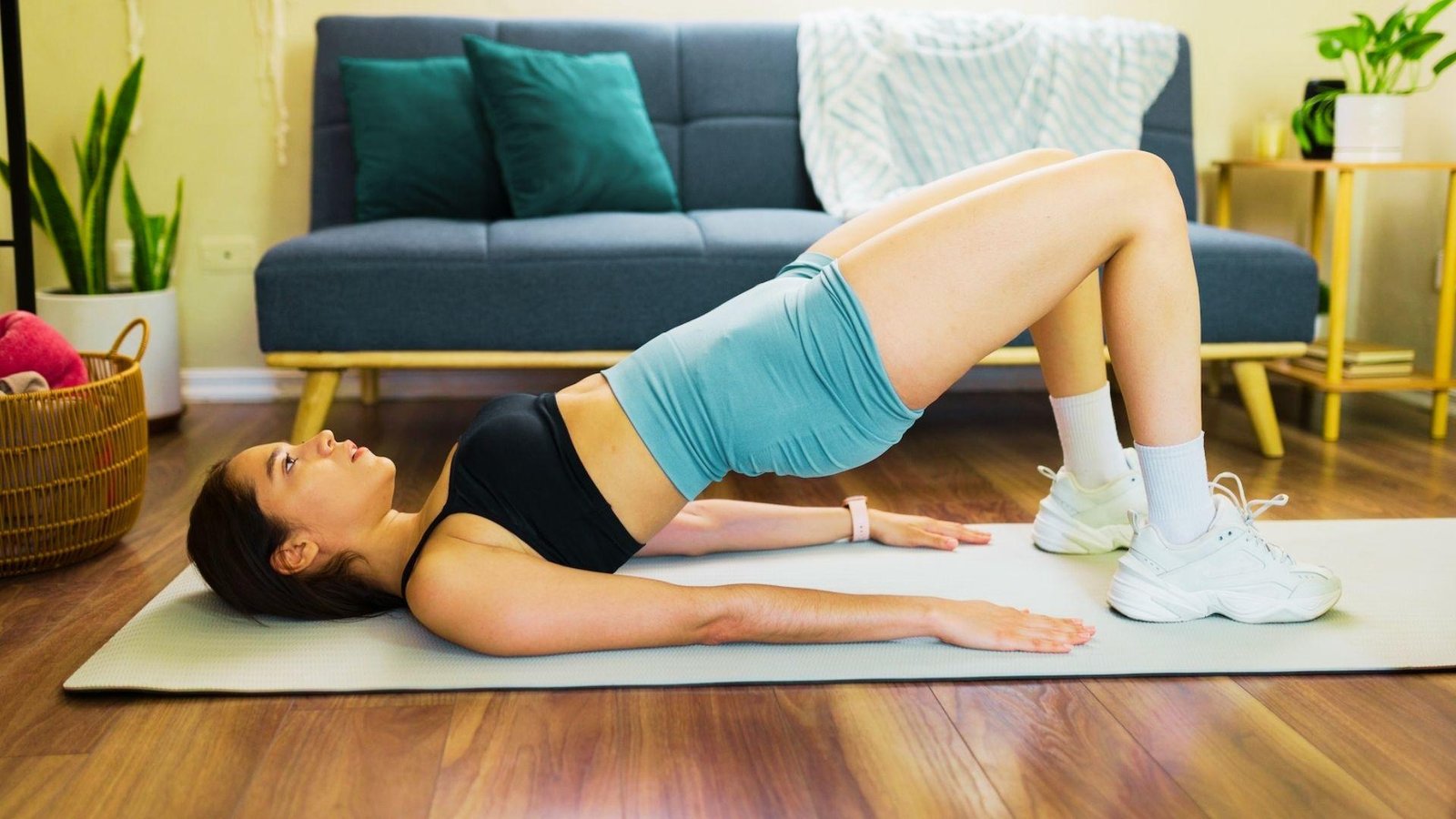
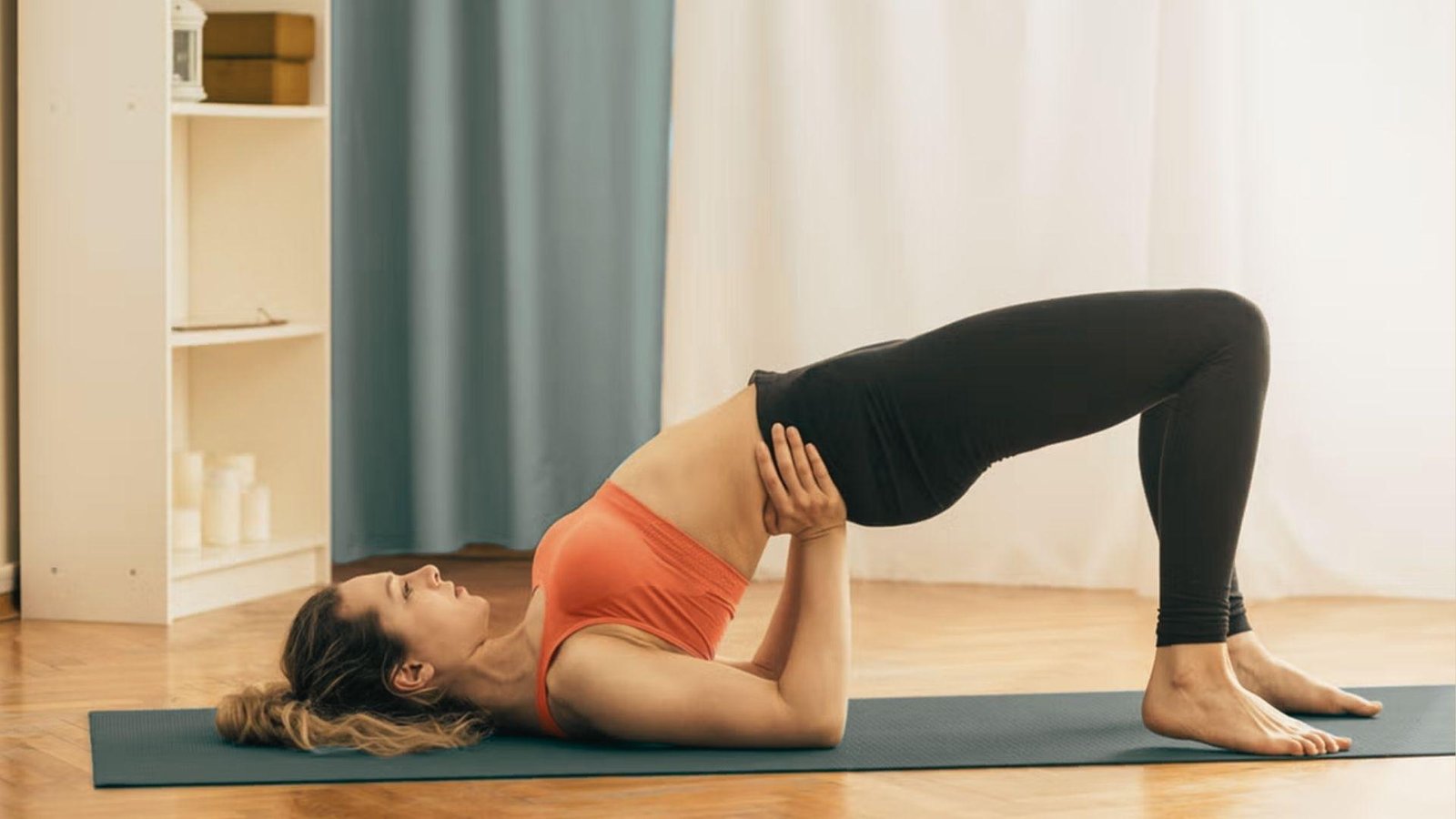
Glute bridges are similar to hip thrusts but performed lying flat on the floor. They are great for beginners or as a warm-up movement. Bend your knees, place your feet flat on the ground, and drive your hips up by squeezing your glutes.
Hold at the top for two seconds. You can add a resistance band above the knees or place a dumbbell on your hips for extra challenge. Do 3 sets of 15 to 20 reps.
Step-Ups
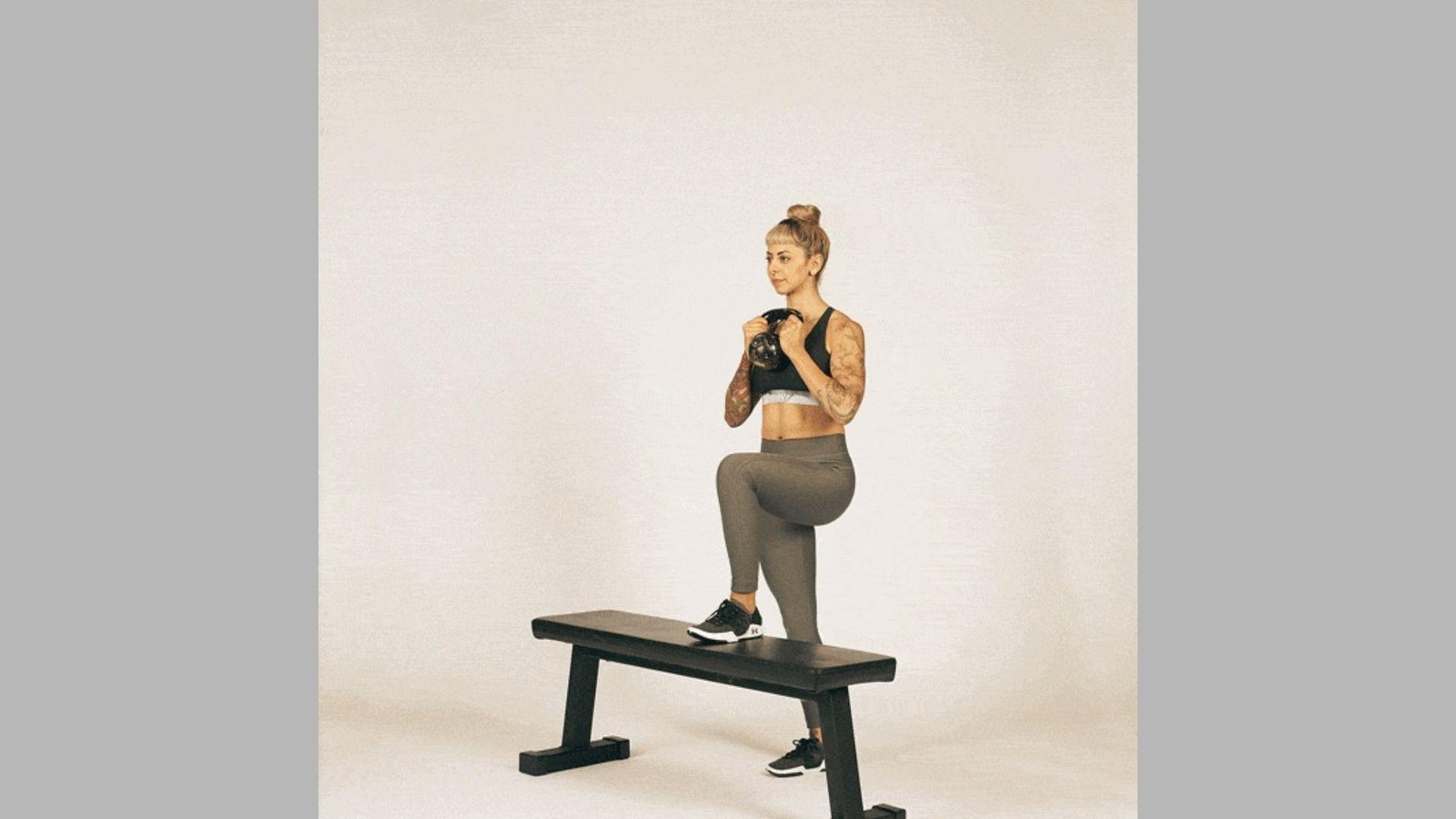
Step-ups are simple but powerful for building thicker legs and glutes. Step one foot onto a bench or platform, drive through that heel to lift your body up, then lower yourself back down with control.
This movement mimics walking uphill and activates your glutes through a full range of motion. Add dumbbells to increase the challenge. Try 3 sets of 12 reps per leg.
Cable Kickbacks
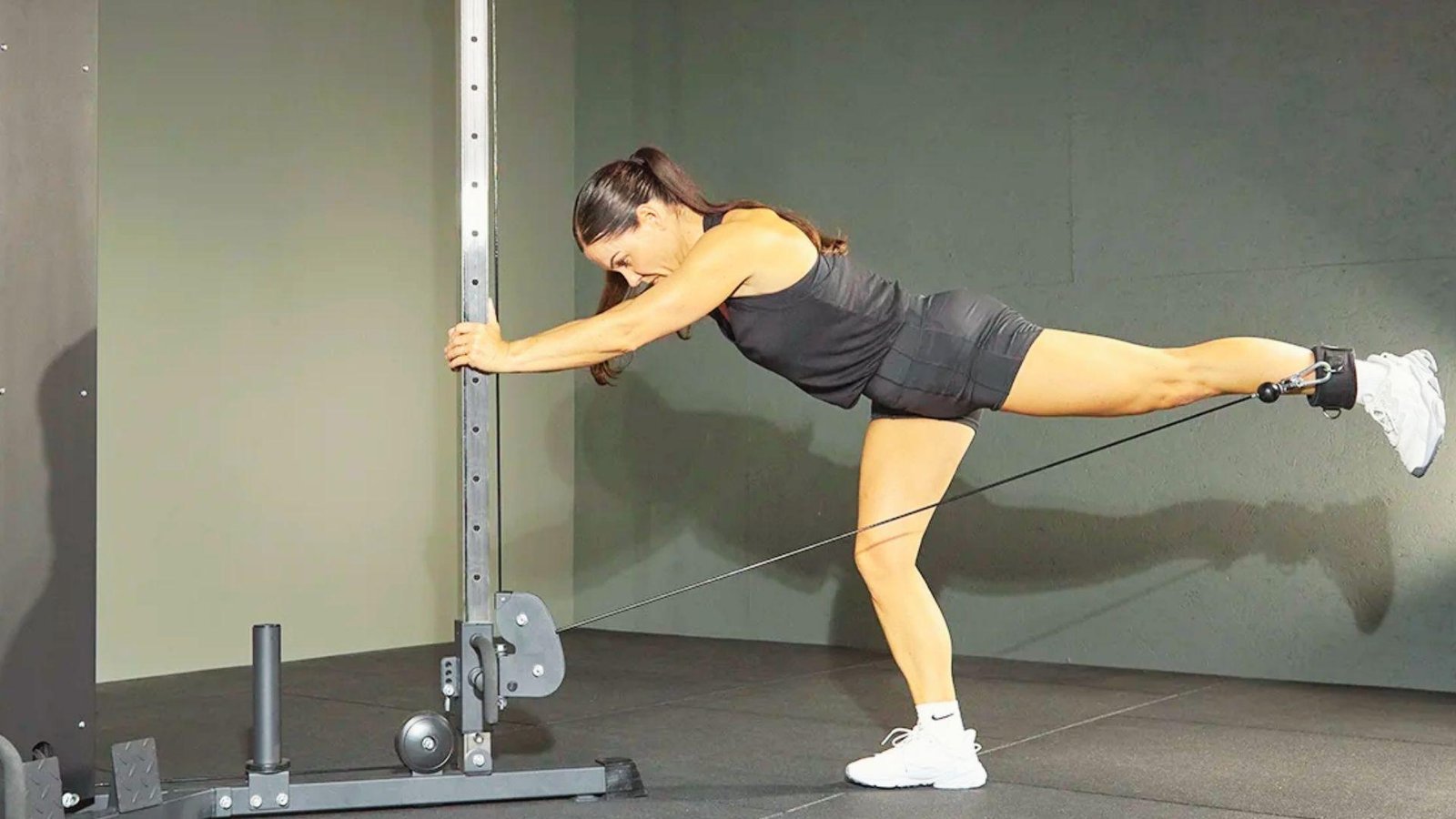
Cable kickbacks isolate the glutes in a way that free weights cannot always match. Attach an ankle strap to a cable machine, face the machine, and kick your leg back and up while squeezing your glute at the top of the movement.
Keep your hips square and avoid rotating your torso. This is a finishing exercise, best done at the end of a lower body session. Use 3 sets of 15 to 20 reps per leg.
Hip Abductions
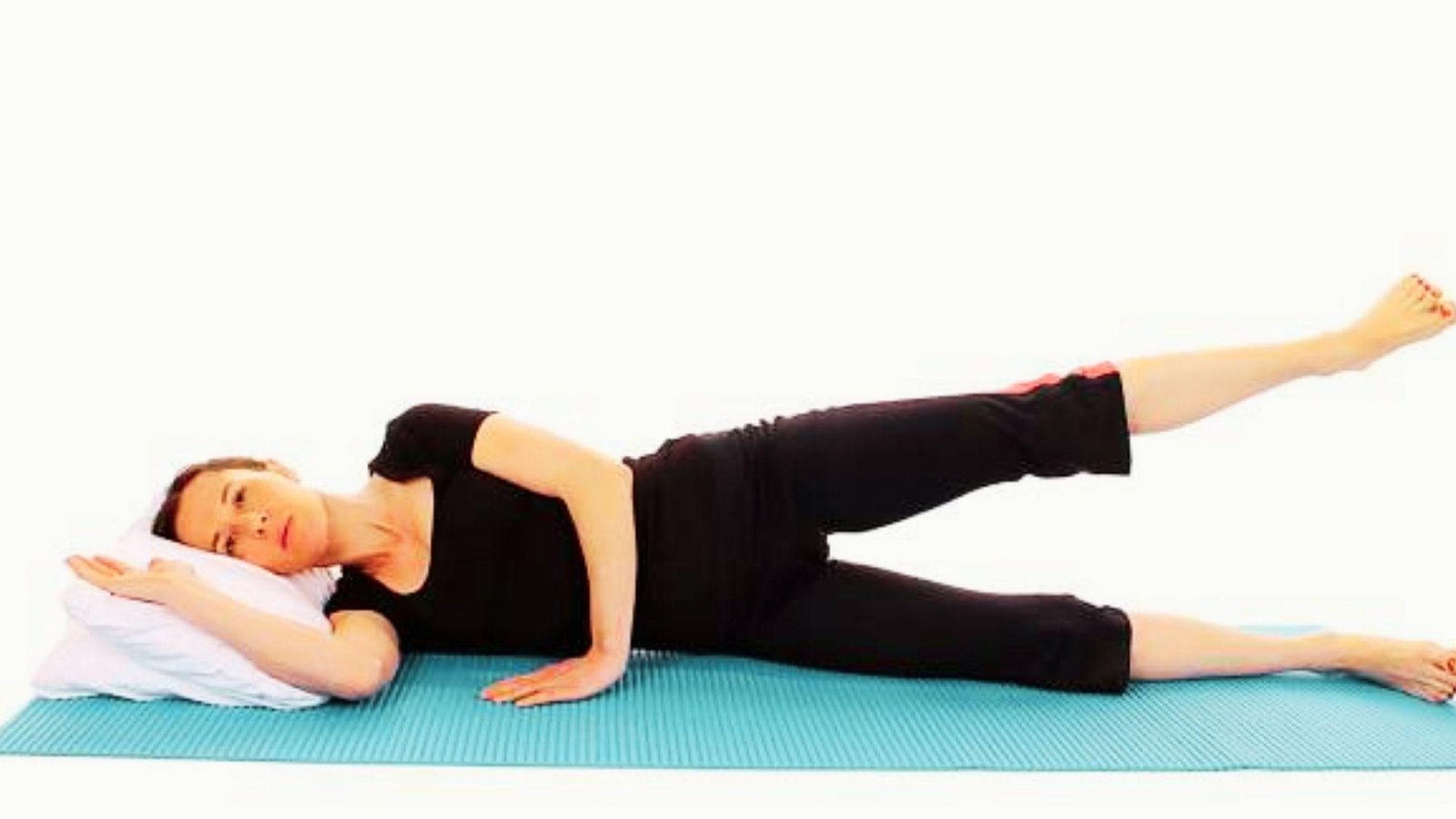
Hip abductions target the side of the glutes, known as the gluteus medius. This muscle gives your glutes a rounder, fuller look from the side. You can do this on a cable machine, a hip abduction machine, or with a resistance band.
Push your leg out to the side against resistance and bring it back slowly. Do 3 sets of 15 reps per side.
Leg Extensions
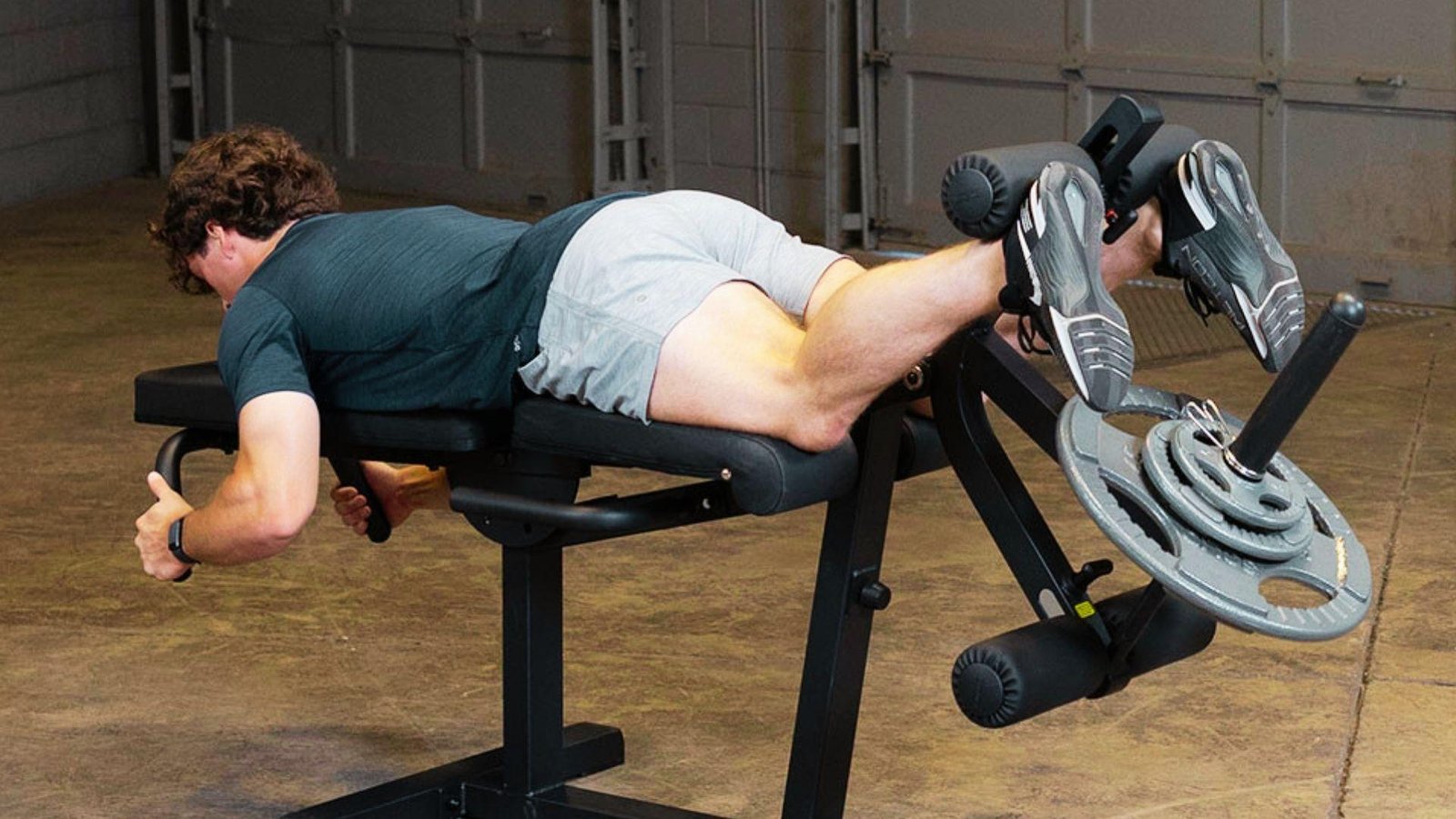
Leg extensions isolate the quadriceps at the front of the thigh, specifically the rectus femoris and vastus muscles. Sit on the machine, adjust the pad across your shins, and extend your legs to fully straighten.
Lower slowly for maximum tension on the muscle. This exercise is best used as an accessory movement, not your main quad builder. Use 3 sets of 12 to 15 reps.
Hamstring Curls
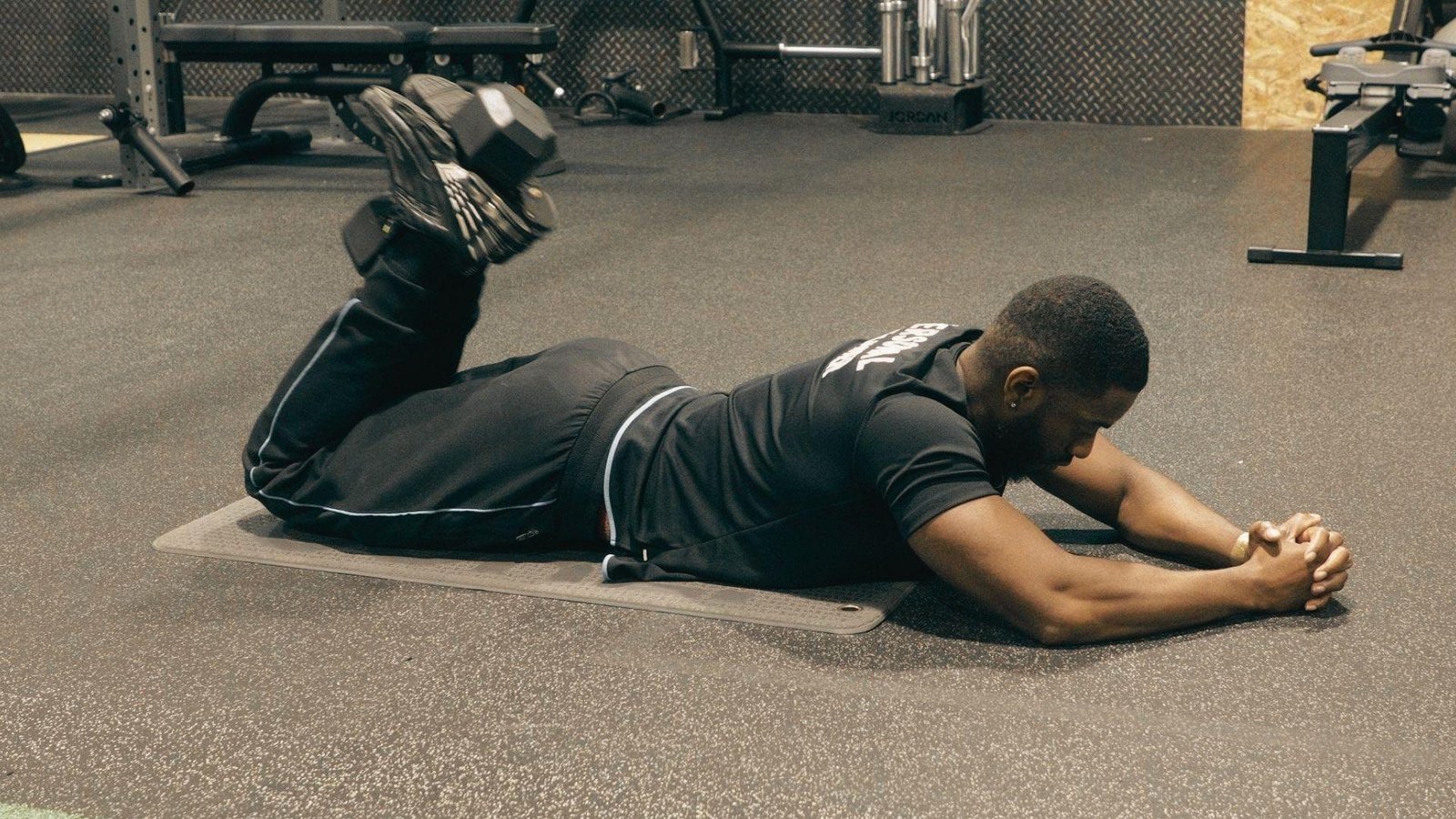
Hamstring curls build thickness in the back of the thigh by targeting the biceps femoris, semimembranosus, and semitendinosus. Lie face down on the machine, place the pad at the back of your ankles, and curl your heels toward your glutes.
Control the lowering phase. You can also do standing or seated variations depending on the equipment you have. Aim for 3 sets of 12 to 15 reps.
Calf Raises
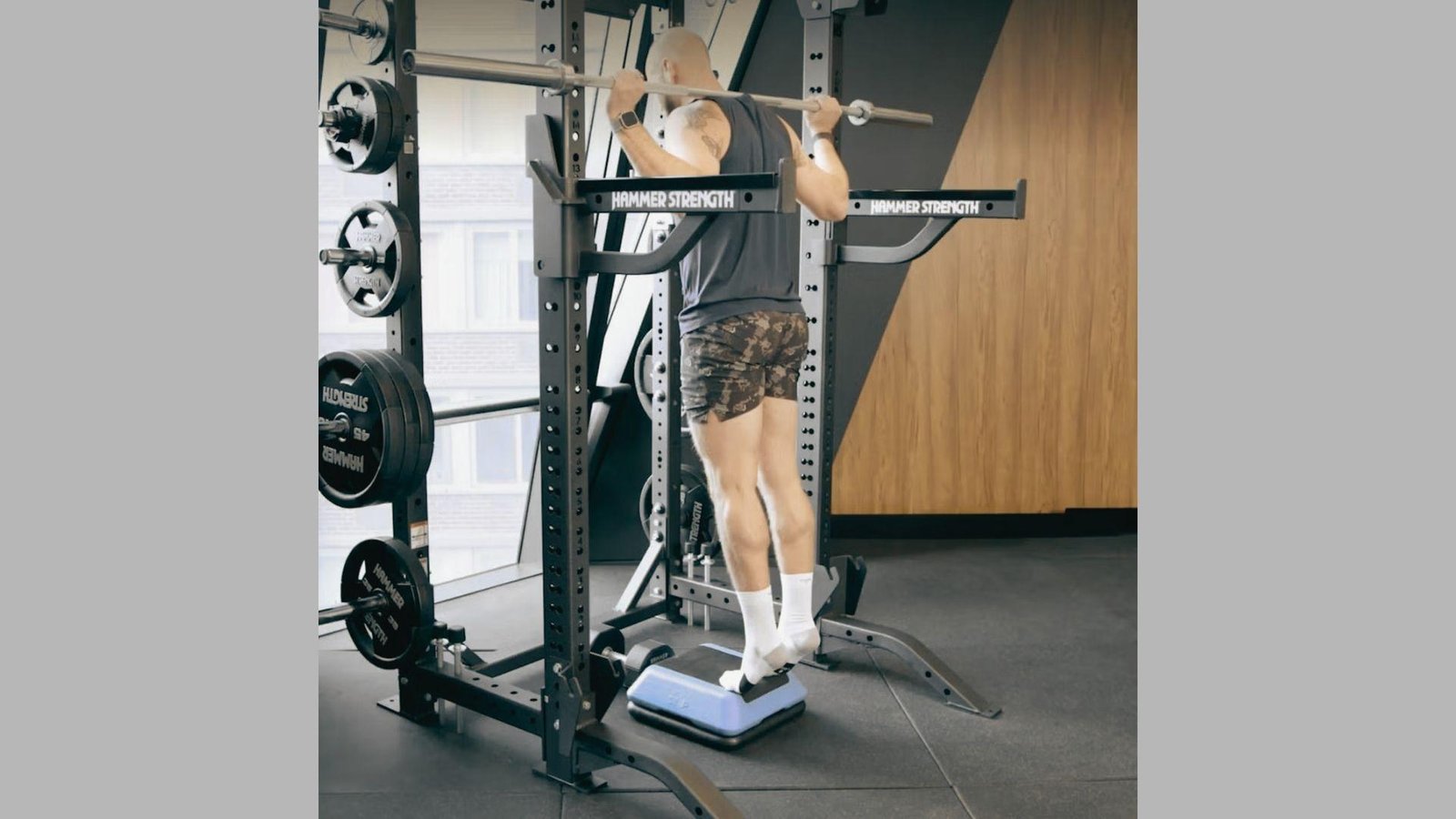
Thick calves complete a strong lower body. Stand on the edge of a step or the floor, rise onto the balls of your feet, then lower your heels below the platform for a deep stretch. Hold at the top for one second.
Use a barbell or dumbbell for added resistance. Do 4 sets of 15 to 20 reps to stimulate this stubborn muscle group.
Best Workout Plan to Get Thick
A structured workout plan removes the guesswork and helps you make steady progress every week.
Beginner 3-Day Lower Body Routine
This routine is for people who are new to strength training or returning after a long break.
Day 1: Squats, Glute Bridges, Walking Lunges, Leg Press, Calf Raises
Day 2: Rest
Day 3: Romanian Deadlifts, Step-Ups, Hip Abductions, Hamstring Curls, Calf Raises
Day 4: Rest
Day 5:Hip Thrusts, Bulgarian Split Squats, Leg Extensions, Cable Kickbacks, Glute Bridges
Days 6 and 7: Rest or light activity
Keep rest periods to 60 to 90 seconds between sets. Focus on learning proper form before adding heavy weight.
Intermediate 4-Day Muscle-Building Split
This plan is for people who have been training consistently for at least 3 months.
Day 1: Quad-focused lower body (Squats, Leg Press, Leg Extensions, Walking Lunges, Calf Raises)
Day 2: Upper body push (Chest, shoulders, triceps)
Day 3:Glute and hamstring focused (Hip Thrusts, Romanian Deadlifts, Hamstring Curls, Cable Kickbacks, Hip Abductions)
Day 4: Upper body pull (Back and biceps)
Days 5 to 7: Rest or active recovery
Weekly Training Schedule
Structure your week so lower body sessions are separated by at least one rest day. This gives your muscles time to recover before the next session.
For example: train Monday, rest Tuesday, train Wednesday, rest Thursday, train Friday, and rest on the weekend. Most research suggests training each muscle group 2 to 3 times per week produces the best muscle hypertrophy results.
Sets, Reps, and Progressive Overload
For muscle growth, most exercises should be done for 3 to 4 sets of 8 to 15 reps. As a general guideline, use a weight that falls between 65 and 85% of your one-rep max.
This range is heavy enough to stimulate muscle hypertrophy without burning you out. Use a weight that feels challenging for the last 2 to 3 reps of each set.
Every week or two, increase the weight slightly or add one more rep. This is progressive overload, and it is the most important principle for getting thick over time.
How to Get Thick at Home
You do not need a gym to build a thicker body. A resistance band and your bodyweight can take you further than you might think.
The key at home is working in higher rep ranges since you will have less weight available. Use resistance bands for hip thrusts, glute bridges, squats, and hip abductions. Add a filled backpack or heavy jugs of water to increase load.
Focus on slow and controlled reps to create more muscle tension. A 3-second lowering phase on every rep makes bodyweight exercises much harder and more effective.
Here is a simple home routine you can do 3 times per week:
Bodyweight squats (3 sets of 20), Resistance band hip thrusts (3 sets of 20), Walking lunges (3 sets of 15 per leg), Banded glute bridges (3 sets of 20), Resistance band hip abductions (3 sets of 15 per side), Calf raises on a step (4 sets of 20)
Progress by adding reps, band resistance, or extra load each week.
Best Foods to Get Thick
Food is what fuels your muscle growth. Without the right nutrition, your workouts will not produce the results you want.
Lean Proteins
Protein is the most important nutrient for building muscle. It directly stimulates muscle protein synthesis, the process your body uses to repair and grow muscle tissue after training.
Aim for 0.7 to 1 gram of protein per pound of body weight each day. Some research supports going up to 0.9 grams per pound for best results.
Great sources include chicken breast, turkey, eggs, Greek yogurt, cottage cheese, canned tuna, salmon, and lean ground beef. If you are plant-based, go for tofu, tempeh, lentils, and edamame.
Complex Carbohydrates
Carbs give your muscles energy during workouts. Without enough carbs, your performance drops and muscle growth slows.
Focus on brown rice, oats, sweet potatoes, quinoa, whole wheat bread, and beans. Eat a carb-rich meal before your workout for fuel and another after for recovery.
Healthy Fats
Healthy fats support hormone production, including testosterone and estrogen, both of which play a role in muscle growth and fat distribution.
Include avocado, olive oil, nuts, seeds, and fatty fish like salmon in your diet. Do not fear fat. It keeps you full and helps your body absorb vitamins.
Fruits and Vegetables
Fruits and vegetables provide vitamins, minerals, and antioxidants that speed up recovery and reduce inflammation.
Include spinach, broccoli, bell peppers, berries, bananas, and oranges regularly. Bananas before a workout are a great quick source of natural sugar and potassium.
High-Protein Snacks
Snacking on protein between meals helps you hit your daily protein goal and keeps muscle protein synthesis active throughout the day.
Good options include hard-boiled eggs, protein bars, string cheese, roasted chickpeas, Greek yogurt with fruit, and cottage cheese with nuts. These keep your muscles fed throughout the day and reduce cravings for junk food.
Best Supplements for Muscle Growth
Supplements are not magic, but the right ones can give your results a meaningful boost when your diet and training are already solid.
Whey Protein
Whey protein is the most studied muscle-building supplement on the market. It is quickly absorbed after a workout, making it ideal for post-training recovery and muscle protein synthesis.
Mix one scoop with water or milk after your session. It helps you hit your daily protein target without eating another full meal. If you are lactose intolerant, try a pea or rice protein blend instead.
Creatine Monohydrate
Creatine is one of the most well-researched supplements in sports nutrition. It increases the amount of energy available in your muscles during heavy lifting, which allows you to do more reps and lift more weight.
Over time, this leads to greater muscle hypertrophy. Take 3 to 5 grams per day, any time of day. It is safe for long-term use and effective for both men and women.
Caffeine for Better Workouts
Caffeine improves focus, endurance, and strength during workouts. A cup of coffee or a pre-workout with caffeine 30 minutes before training can significantly improve your performance.
Better workouts lead to better muscle growth. Stick to 150 to 200 mg and avoid taking it within 6 hours of bedtime.
Exercises That Build Muscle vs Burn Calories
Knowing which exercises build muscle and which mainly burn calories helps you choose the right movements for your goal.
| Exercise | Primary Goal | Muscle Built | Calories Burned |
| Squats | Muscle Building | Quads, Glutes | Moderate |
| Hip Thrusts | Muscle Building | Glutes | Low to Moderate |
| Romanian Deadlifts | Muscle Building | Hamstrings, Glutes, Posterior Chain | Moderate |
| Lateral Lunges | Muscle Building | Adductors, Quads, Glutes | Low to Moderate |
| Running | Calorie Burn | Minimal | High |
| Jump Rope | Calorie Burn | Minimal | High |
| Walking Lunges | Both | Quads, Glutes | Moderate |
| Leg Press | Muscle Building | Quads, Glutes | Moderate |
| Cycling | Calorie Burn | Light Quads | Moderate to High |
| Hip Abductions | Muscle Building | Glute Medius | Low |
| HIIT | Both | Minimal | Very High |
| Calf Raises | Muscle Building | Calves | Low |
| Glute Bridges | Muscle Building | Glutes | Low |
For getting thick, muscle-building exercises should make up 80% of your training. Cardio is useful for heart health but should not replace resistance training.
Why You're Not Getting Thick
If you have been training for weeks and nothing is changing, something in your approach needs to shift.
The most common reason is not eating enough. Many people eat too little out of fear of gaining fat. But without a calorie surplus, your body has nothing to build with. You need more food, not less.
The second reason is not lifting heavy enough. If you have used the same weight for months, your muscles have no reason to grow. Progressive overload is not optional. It is the engine of muscle hypertrophy.
The third reason is too much cardio. Running and cycling burn the calories your muscles need to grow. Cut back if building muscle is your main goal.
The fourth reason is inconsistency. Missing workouts breaks the progressive overload cycle. Consistency over three to six months produces real change.
Finally, poor sleep and dehydration slow your results. Your body releases growth hormone during deep sleep, and fibroblasts repair muscle tissue during that time.
Since roughly 75% of muscle tissue is water, even mild dehydration can hurt your performance and delay recovery.
How Long Does It Take to Get Thick?
Most people start noticing muscle changes in 4 to 6 weeks of consistent training and proper eating.
Visible thickness in the glutes and thighs usually takes 8 to 12 weeks. Significant body composition changes take 3 to 6 months. This is normal and expected.
Natural muscle hypertrophy happens slowly because your body is building actual tissue, not just swelling or retaining water.
Genetics play a role in how fast you build muscle and where it shows up first. Some people respond quickly while others take longer. But given enough time and consistent effort, almost everyone can build a noticeably thicker body.
Track your progress every 4 weeks with photos in the same lighting. The scale alone is not reliable because muscle weighs more than fat.
Expert Tips to Build Thicker Legs, Thighs, and Glutes
Small adjustments in how you train and eat can speed up your results significantly.
- Mind-muscle connection matters. Before each rep, actively focus on squeezing the muscle you are targeting. Research shows this increases muscle activation by up to 20%.
- Train your glutes 2 to 3 times per week. They are a large muscle group and can handle more volume than most people give them.
- Use full range of motion on every exercise. Partial reps build partial results. Go deep on squats and let your glutes stretch fully on hip thrusts.
- Do not skip warm-ups. Cold muscles do not perform well and are more prone to injury. Spend 5 to 10 minutes activating your glutes with banded exercises before heavy lifting.
- Deload every 4 to 6 weeks. A lighter week of training lets your body fully recover and come back stronger for the next training block.
Conclusion
Learning how to get thick takes time, but the process is straightforward when you follow the right steps.
Focus on resistance training, eat enough protein, stay in a slight calorie surplus, and be consistent over months, not days.
Small, steady progress beats sporadic effort every time. Start with one workout this week and build from there.
If this guide helped you, share it with someone who is working toward the same goal, or drop a comment below telling us where you are in your fitness progress.
For more content on muscle building and fitness, check out the related articles on this site.
Frequently Asked Questions
Can I get thick without going to the gym?
Yes. Resistance bands and bodyweight exercises at home can build muscle effectively when done with consistent effort and progressive overload.
Does getting thick mean gaining fat too?
Some fat gain is normal during a muscle-building phase, but keeping your calorie surplus small helps you gain mostly muscle over time.
How many calories should I eat to get thick?
Eat 200 to 300 calories above your daily maintenance level. This supports muscle growth without adding too much fat.