Your glutes do more than fill out your jeans. They hold your hips steady, protect your lower back, and power almost every move you make.
If you feel like your glutes look flat on the sides or your hips ache after a workout, your upper glutes might be the missing piece.
Some people call this flat spot the missing "glute shelf," that lifted look right at the top of your hips.
In this post, I will show you 11 upper glute exercises that target this exact area.
You will learn why these muscles matter, how to train them the right way, and which mistakes hold most people back.
I have tested these moves myself and used them with clients who wanted rounder, stronger glutes without wasting hours in the gym.
By the end, you will have a full plan you can start using today.
Why Your Upper Glutes Matter
Strong upper glutes shape your hips and keep your whole lower body working the way it should.
Most people focus only on squats and deadlifts. That builds the lower glutes but skips the upper part. Your upper glutes sit near your hip bones.
They help create that rounded look on the sides of your hips, often called the glute shelf. But looks are not the only reason to care about them.
These muscles keep your pelvis steady when you walk, run, or climb stairs. Weak upper glutes often lead to hip pain, knee pain, and even lower back strain.
Training them properly helps you move better and feel less pain during daily activities.
If you sit most of the day, your upper glutes likely feel weak and tight. Targeted training wakes them back up.
Upper Glute Anatomy Explained
Get to know the muscles behind those upper glute exercises and why each one plays its own role.
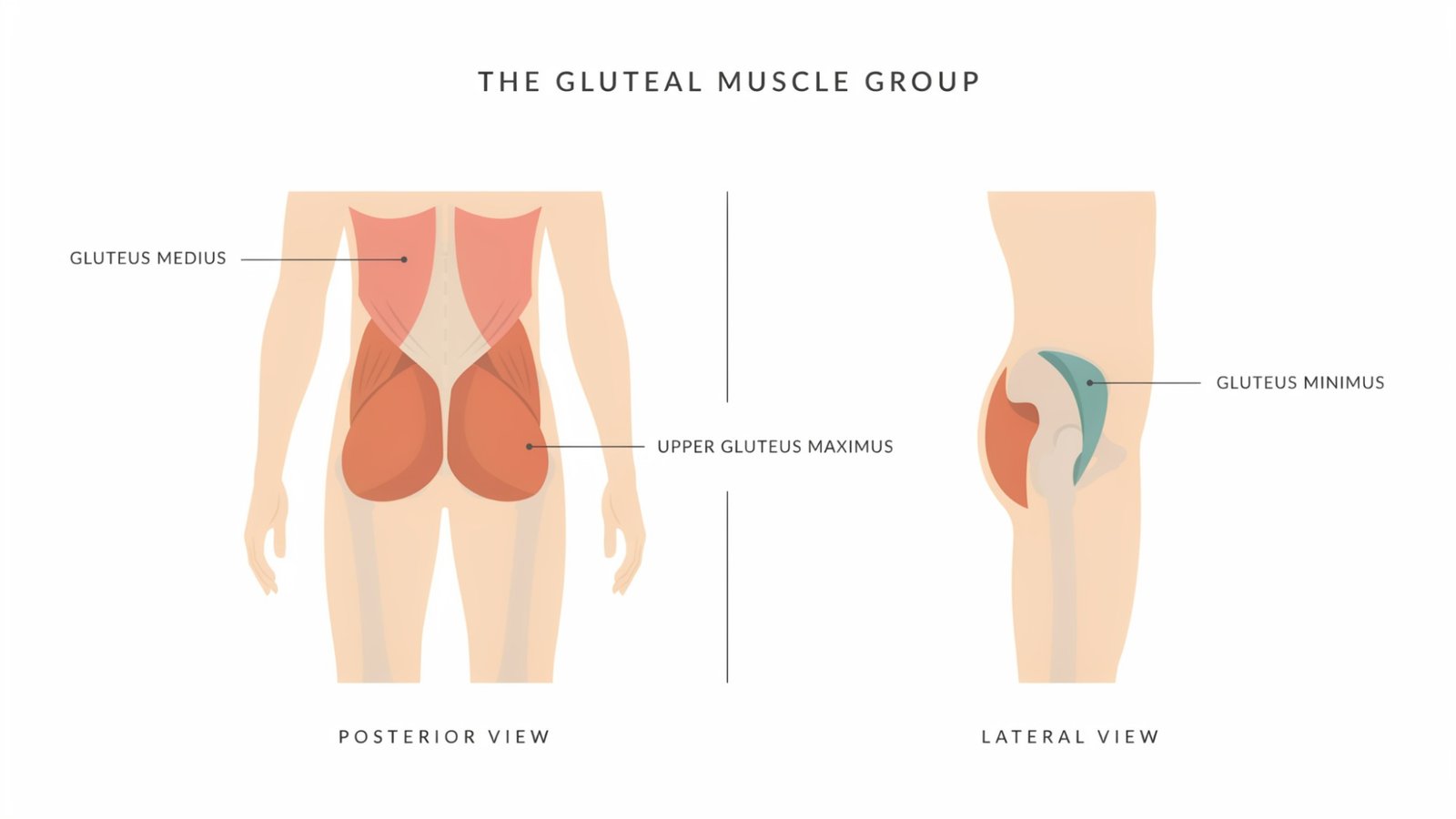
Gluteus medius
This muscle sits on the outer part of your hip. It works whenever you lift one leg off the ground, like during walking or climbing stairs.
A strong gluteus medius keeps your hips level instead of dropping to one side. Many runners get hip pain from a weak gluteus medius.
Gluteus minimus
This is the smallest and deepest of the three glute muscles. It sits right under the gluteus medius and shares the same job: hip abduction and keeping your pelvis steady.
It rarely gets its own dedicated move, but it fires alongside the medius on nearly every exercise on this list.
Upper fibers of the gluteus maximus
Your gluteus maximus is your biggest glute muscle. The upper fibers sit closer to your hip bone. They help lift your leg out to the side and rotate your hip.
Training this part adds shape to the top of your glutes and supports hip movement during sports and lifting.
How the upper glutes support movement and stability
Your upper glutes work as stabilizers first and movers second. They stop your knees from caving in, a pattern known as knee valgus, during squats or lunges.
They also help control your hip when you plant your foot to change direction. Strong upper glutes protect your joints during almost every lower body movement you do.
How to Get the Best Results from Upper Glute Exercises
Follow these simple training rules to see real growth instead of wasted effort.
Progressive overload
This means slowly adding more challenge over time. You can add weight, reps, or sets each week. Your muscles grow when you push them a little harder than before.
Without this, your upper glutes will stay the same size no matter how often you train.
Mind-muscle connection
This means actually feeling the muscle work during each rep. Slow down your reps and squeeze your glutes at the top of each move.
Slowing the lowering part of the rep, known as the eccentric phase, keeps tension on the muscle longer and builds better time under tension.
Many people let their quads or lower back take over instead. Focus on the squeeze, not just finishing the set.
Proper form and technique
Good form keeps you safe and makes each exercise more effective. Keep your core tight and avoid arching your lower back.
Control the movement instead of rushing through it. Poor form often shifts the work away from your glutes completely.
How often to train your upper glutes
Two to three sessions per week works well for most people. Give your muscles at least one rest day between sessions.
This allows time to recover and grow stronger. Training too often without rest can slow your progress instead of speeding it up.
11 Best Upper Glute Exercises for Stronger Glutes
Here are the top moves to build strength and shape in your upper glutes. Some are compound lifts that work several muscles at once.
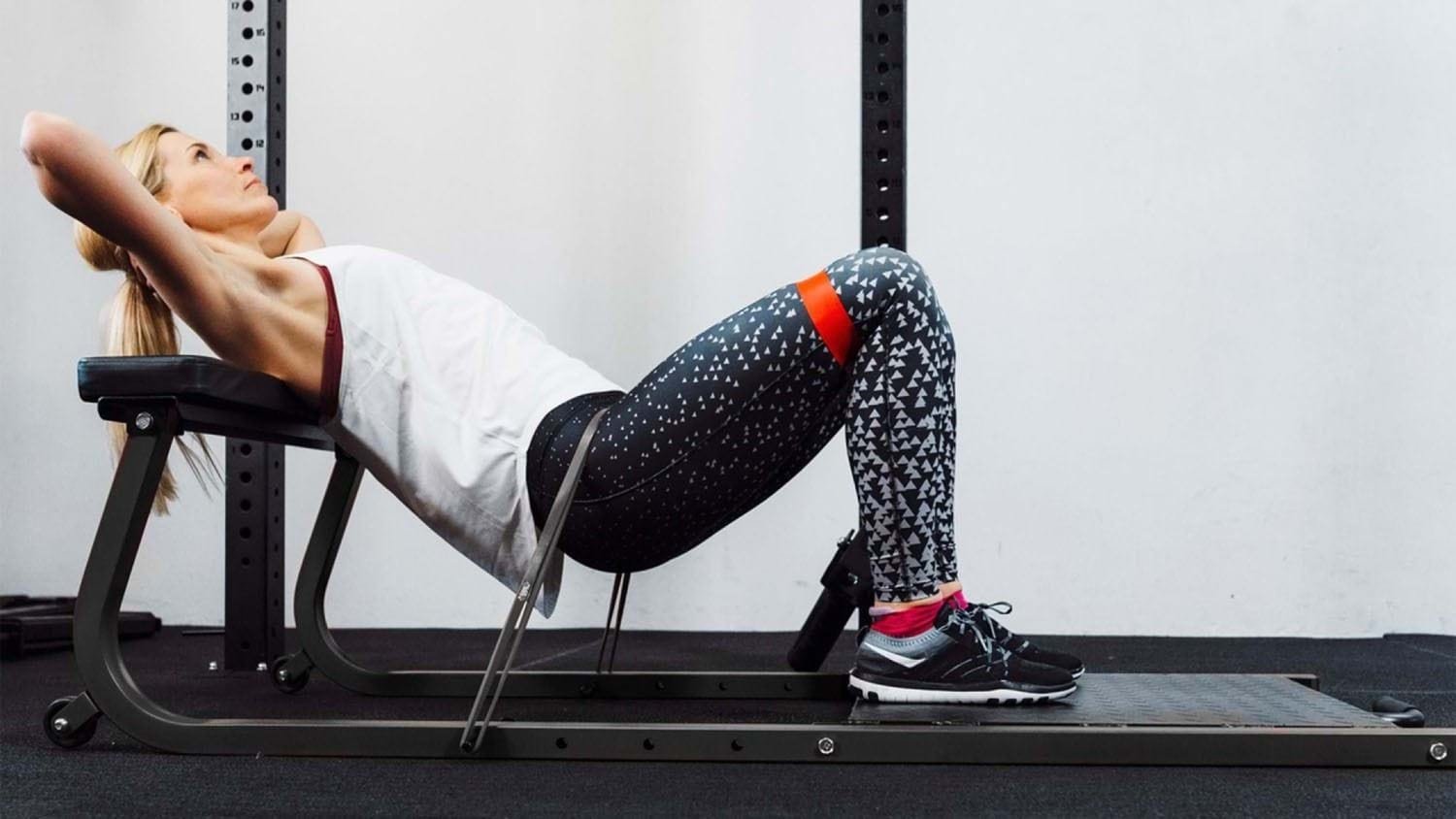
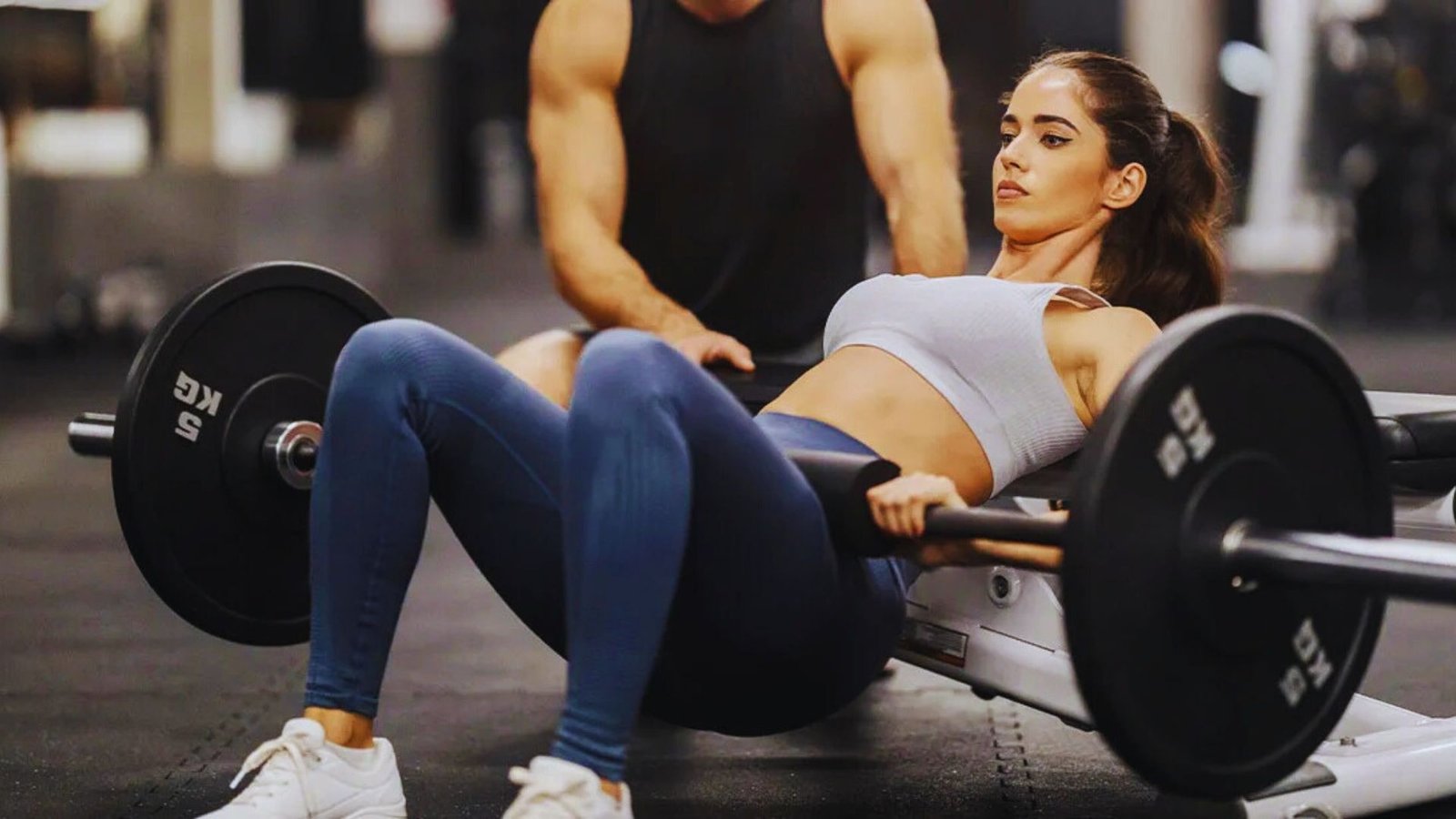
1. Barbell Hip Thrust
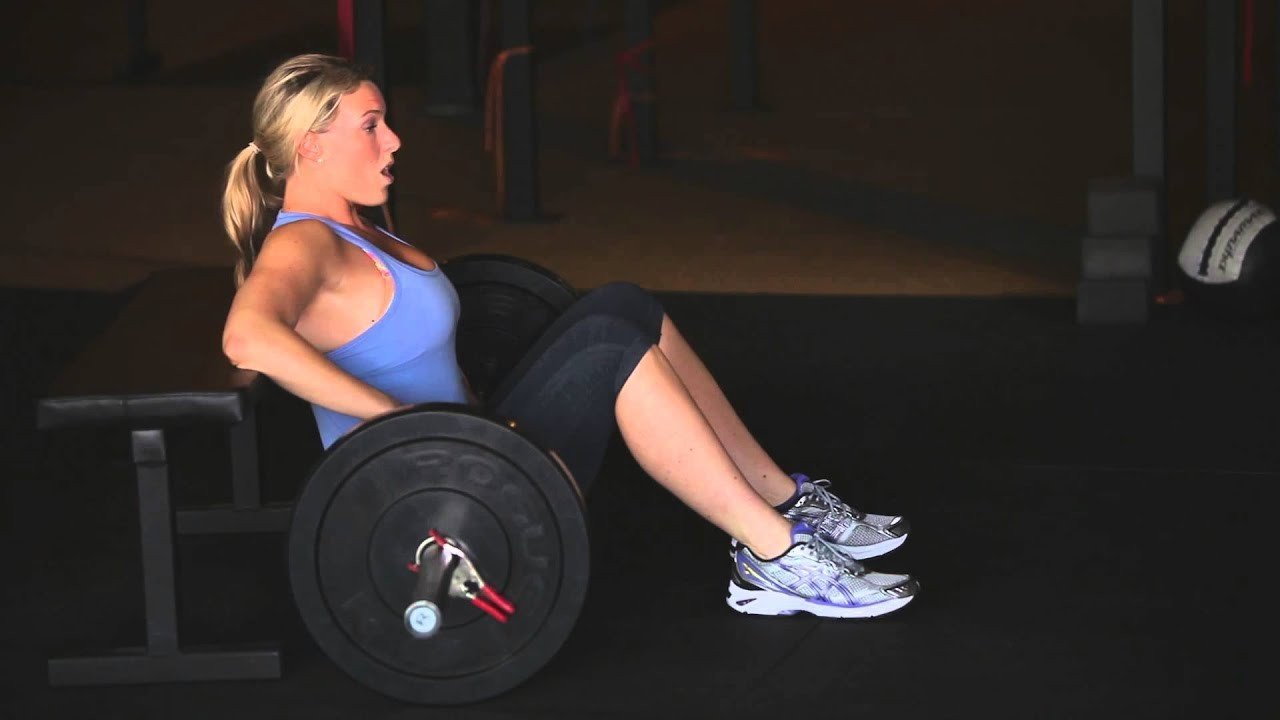
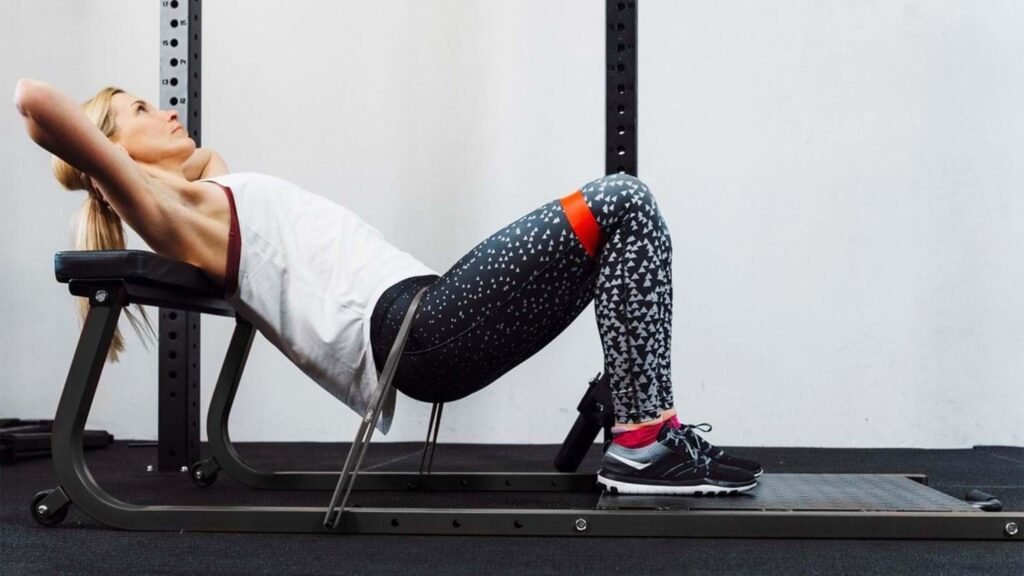
This move targets your entire glute area, especially the upper fibers at the top of the motion. Rest your upper back on a bench, plant your feet, and drive your hips up.
Squeeze hard at the top for one second before lowering back down.
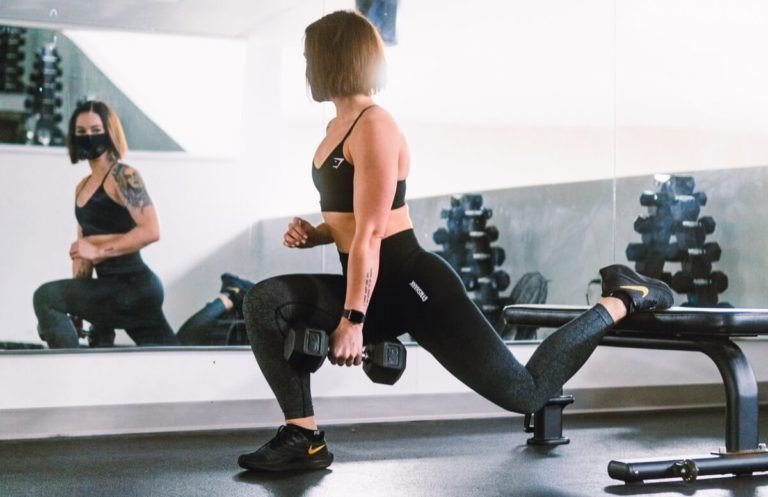
2. Bulgarian Split Squat
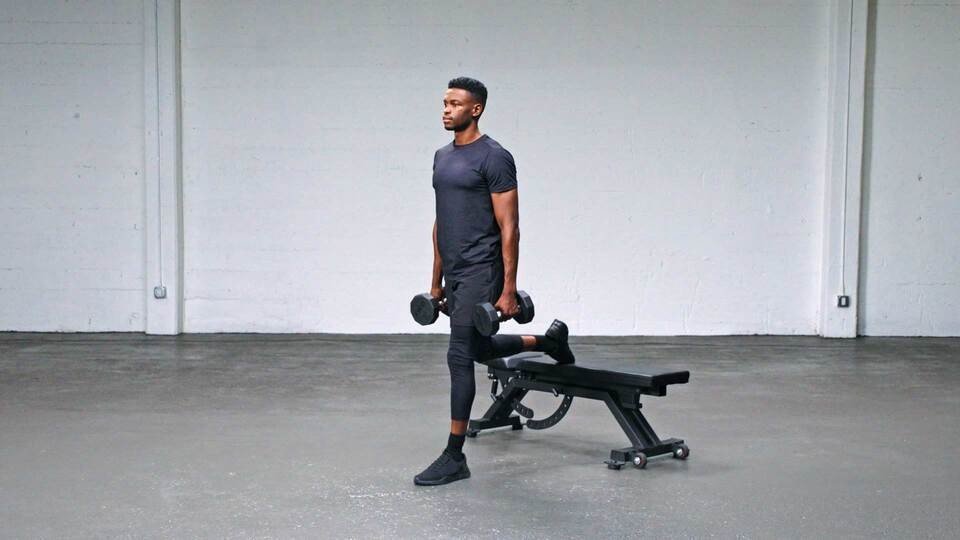
This single leg move challenges your balance while working your glutes hard. Place your back foot on a bench and lower your body until your front thigh is parallel to the floor.
Push through your heel to stand back up.
3. Cable Hip Abduction
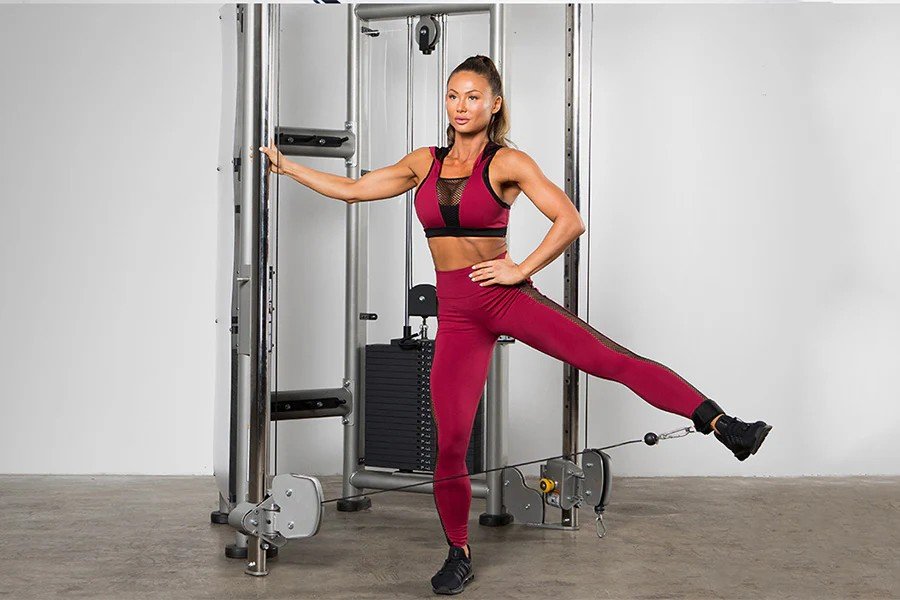
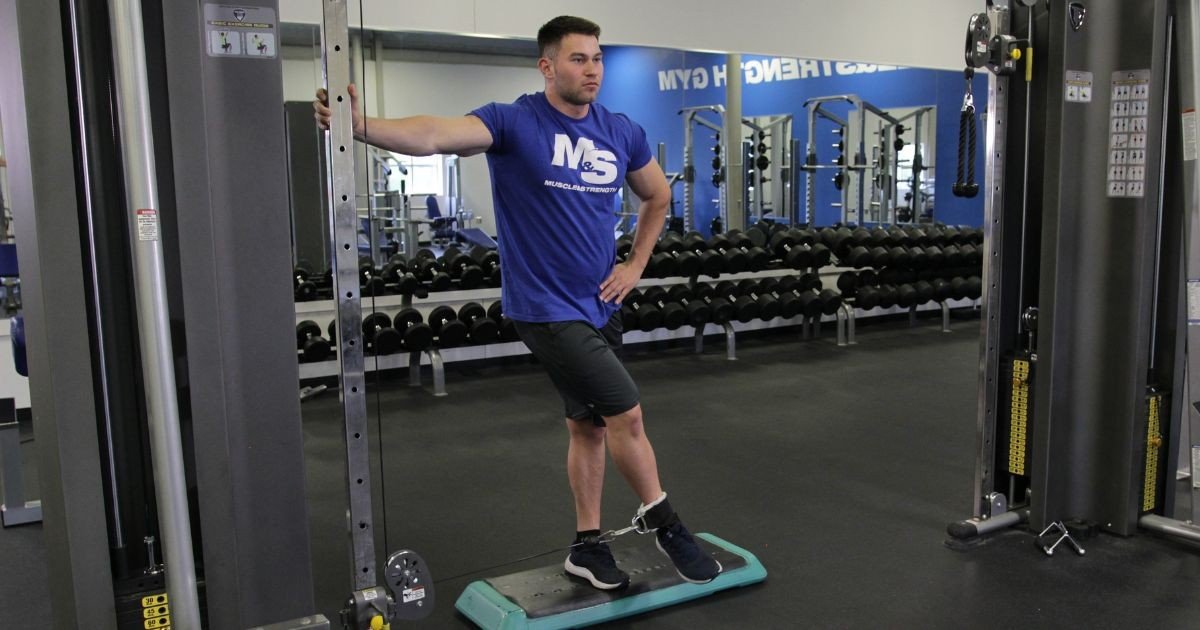
This exercise isolates the gluteus medius directly. Attach a cuff to your ankle and stand sideways to the cable machine.
Lift your leg out to the side against the resistance, then bring it back slowly.
4. Lateral Band Walk
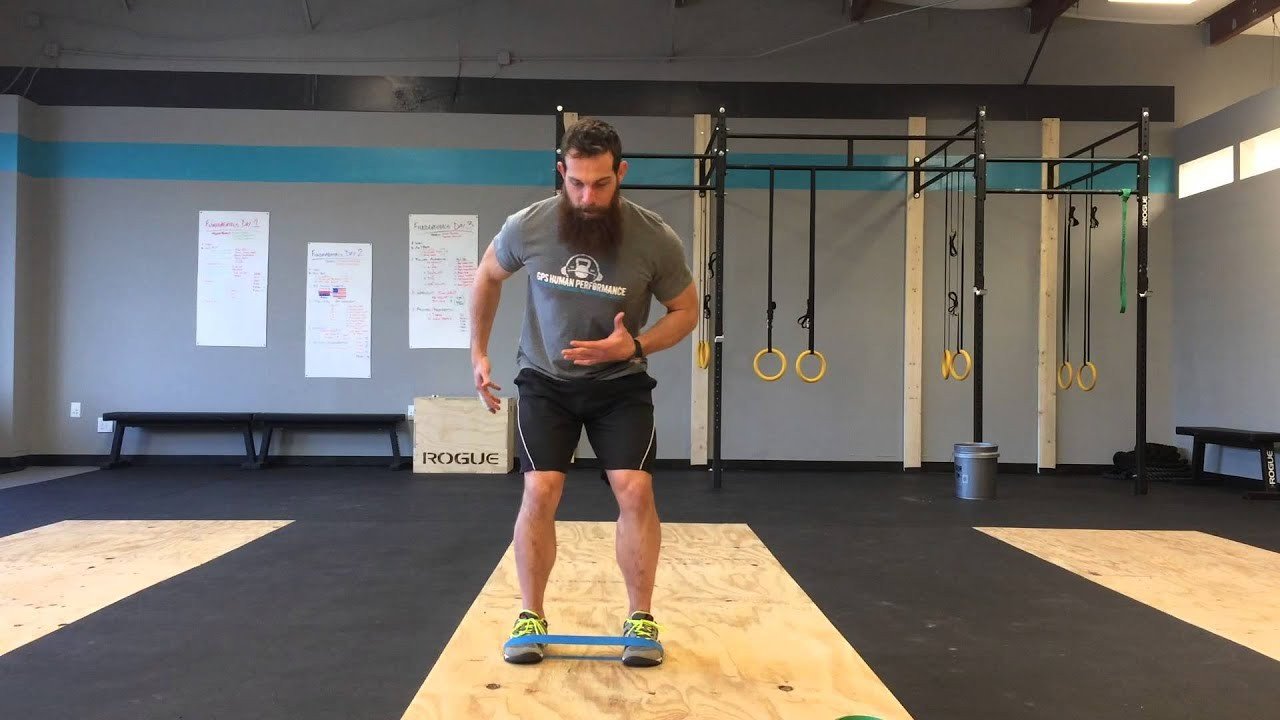
This simple move fires up your outer hips fast. Place a band around your ankles or knees and get into a half squat.
Step sideways while keeping tension on the band the whole time.
5. Single-Leg Romanian Deadlift
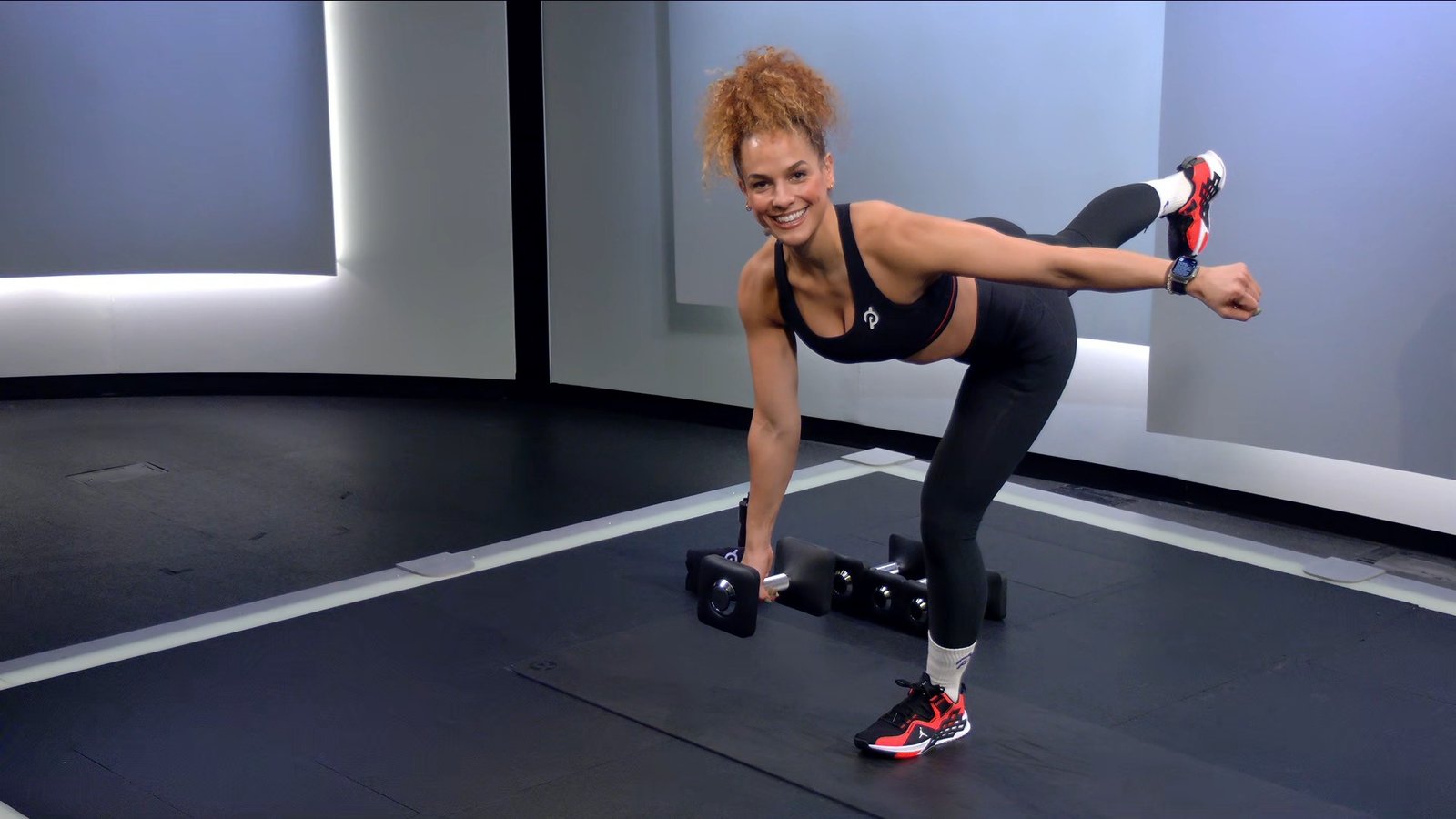
This move builds strength and balance at the same time. Stand on one leg, hinge at your hips, and lower your torso while your other leg lifts behind you.
Keep your back flat and return to standing.
6. Step-Up
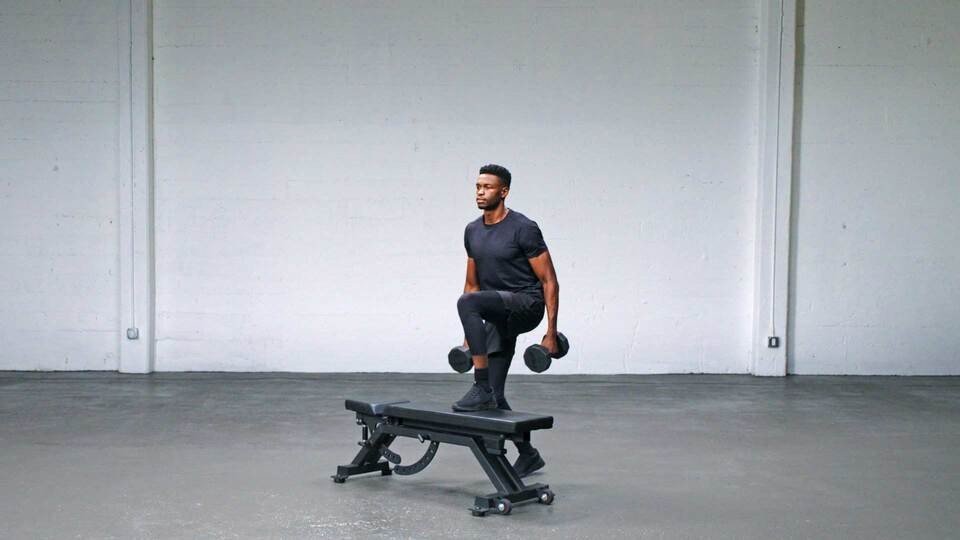
This move mimics real life movement like climbing stairs. Step onto a box or bench with one foot and push through your heel to lift your body up.
Lower back down with control.
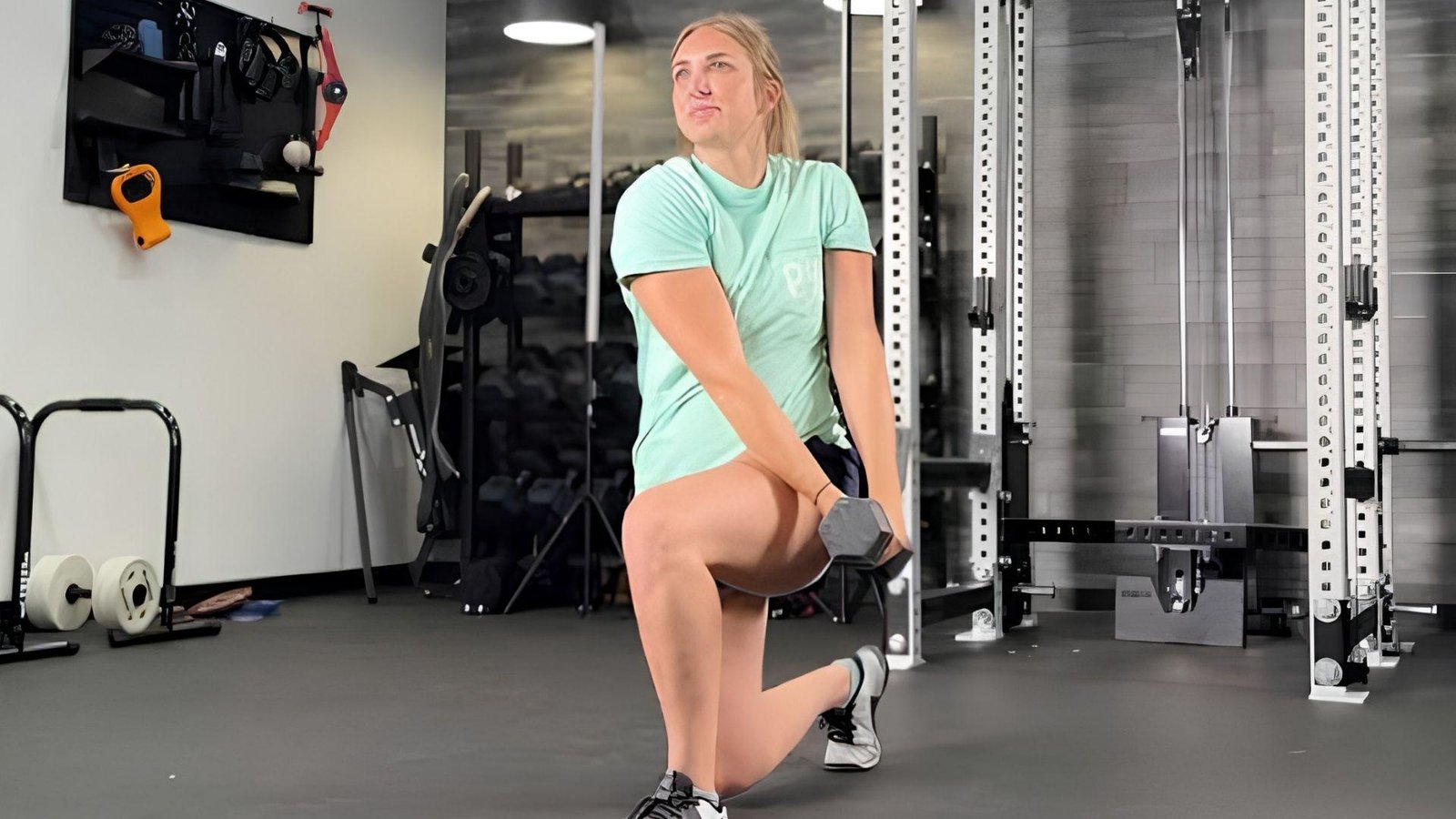
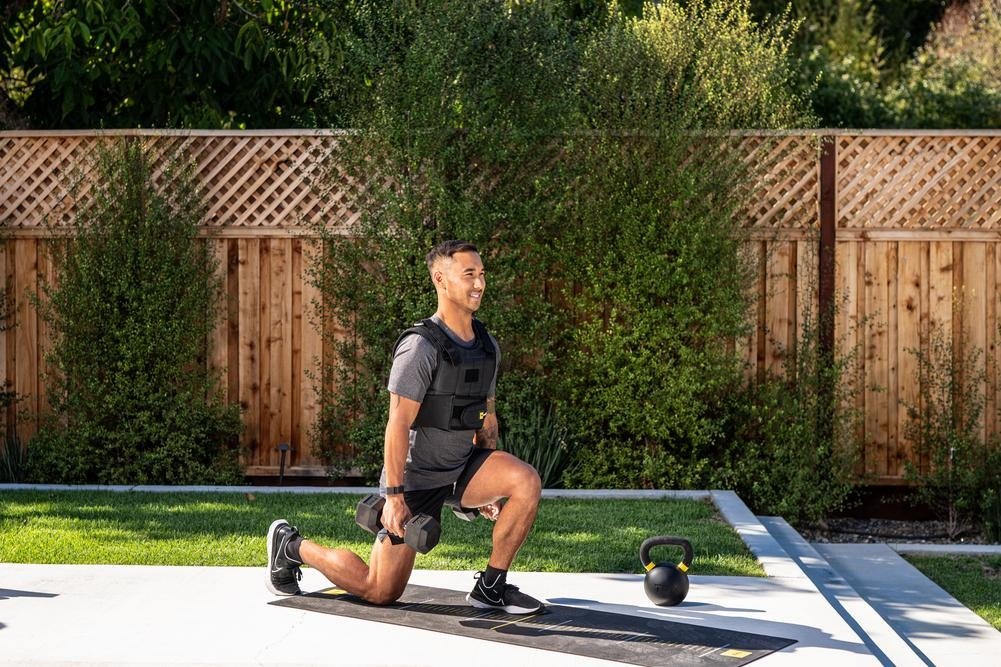
7. Reverse Lunge
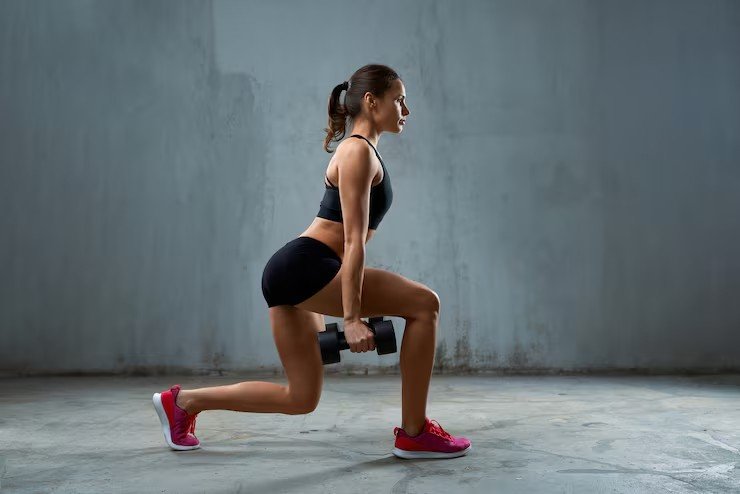
This lunge variation is easier on your knees than forward lunges. Step backward with one leg and lower your body until both knees form right angles.
Push through your front heel to return to standing.
8. Side Plank with Hip Abduction
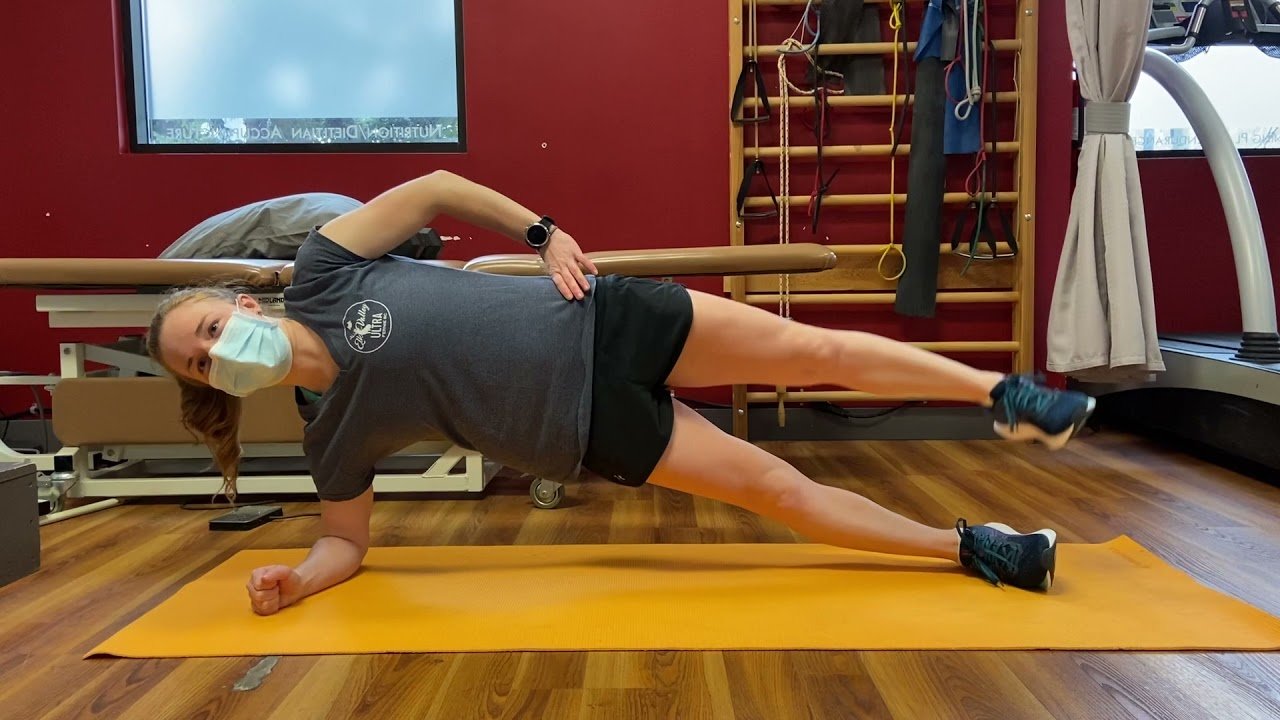
This move works your core and upper glutes together. Hold a side plank position and lift your top leg up and down slowly.
Keep your hips stacked and avoid rocking backward.
9. Cable Kickback
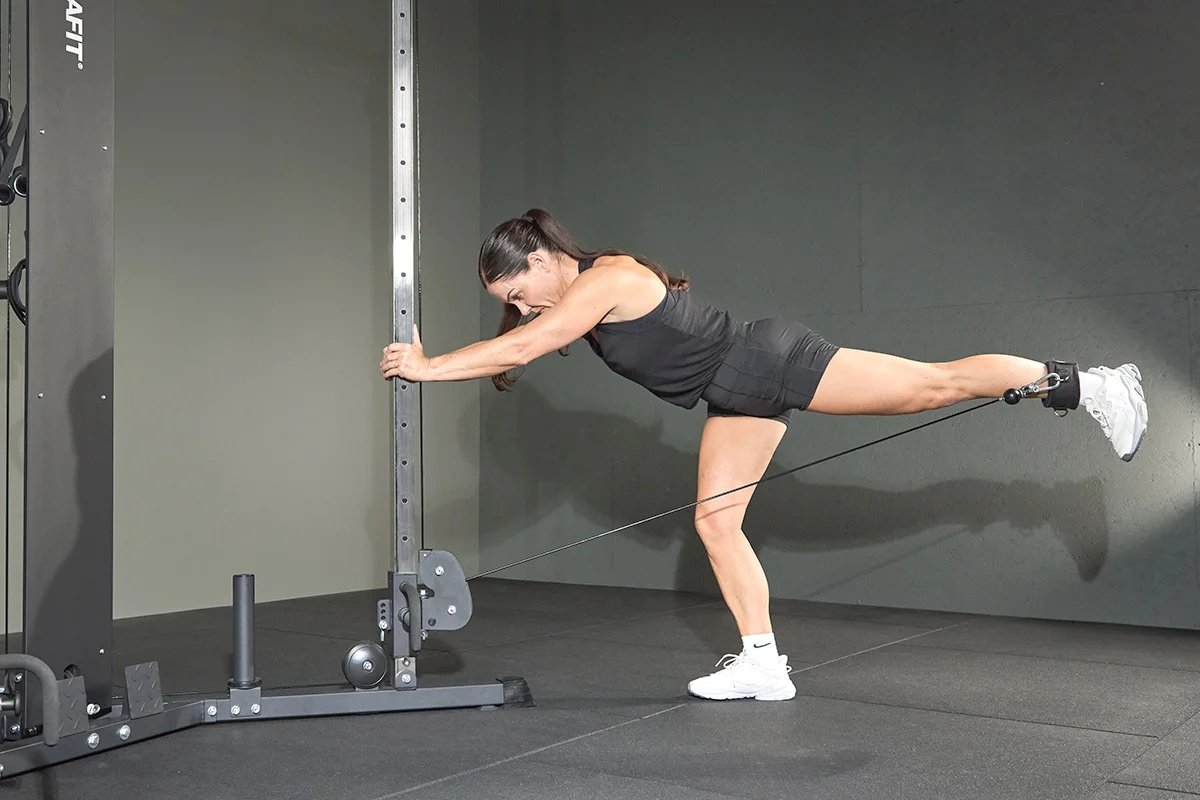
This isolation move targets your glutes directly. Attach a cuff to your ankle and kick your leg back against the cable resistance.
Squeeze your glute at the top before returning slowly.
10. Clamshell with Resistance Band
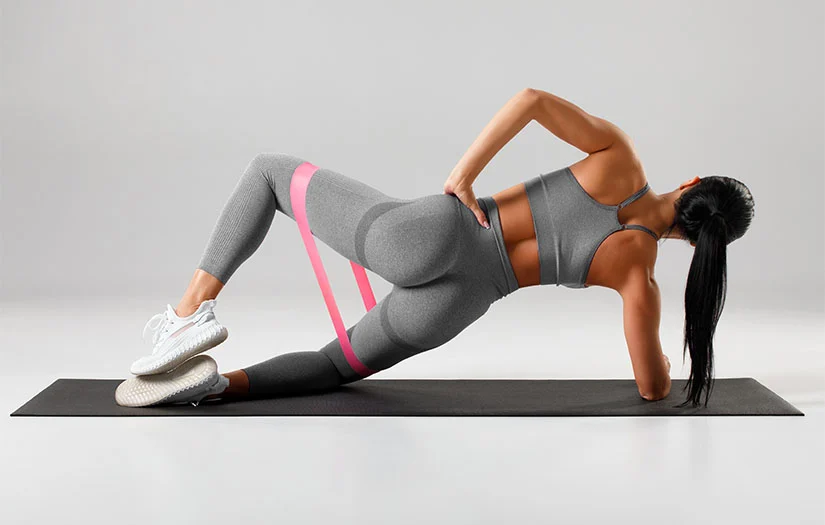
This move is small but effective for the gluteus medius. Lie on your side with knees bent and a band above your knees.
Open your top knee like a clamshell while keeping your feet together.
11. Frog Pumps
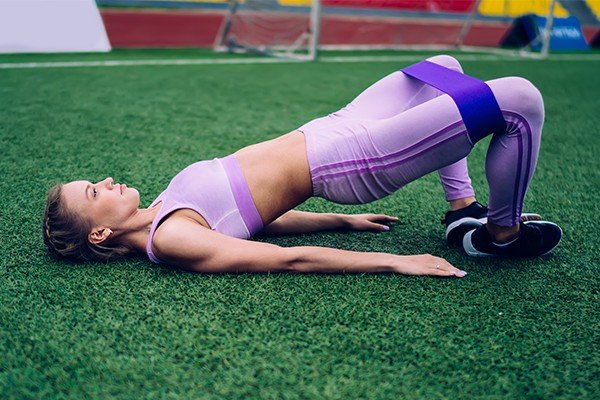
This move isolates your glutes without much strain on your lower back. Lie on your back with the soles of your feet together and knees out wide.
Pump your hips up and down in small controlled reps.
Sample Upper Glute Workout Routine
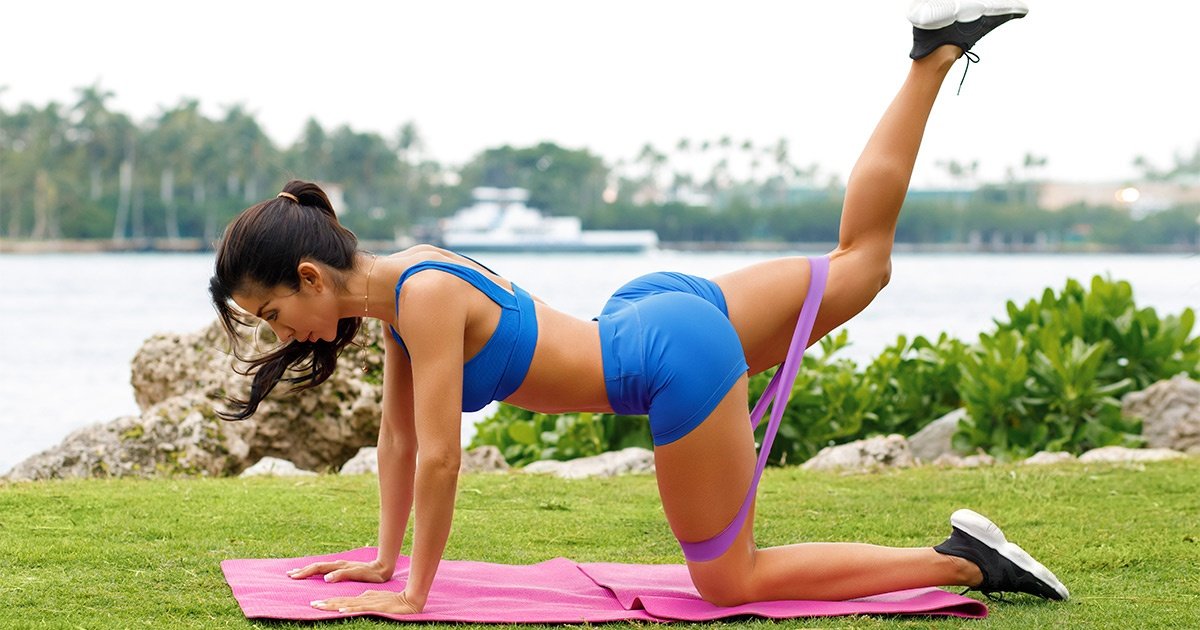
Pick the routine that matches your current fitness level and build from there.
Beginner routine
Start with bodyweight or light resistance to build the mind-muscle connection first. Do lateral band walks, clamshells, and frog pumps for 3 sets of 15 reps each.
Rest 30 seconds between sets. Train this routine twice a week.
Intermediate routine
Add some load and more variety once the basics feel easy. Pair barbell hip thrusts with step-ups and side planks with hip abduction.
Do 3 sets of 10 to 12 reps. Train this routine three times a week.
Advanced routine
Combine heavy compound lifts with focused isolation work for full development. Use Bulgarian split squats, single-leg Romanian deadlifts, and cable kickbacks in the same session.
Do 4 sets of 8 to 10 reps with shorter rest periods.
Tips to Grow Stronger Upper Glutes Faster
Small changes in your routine can speed up your results over time.
- Prioritize compound and isolation exercises: Combine big lifts like hip thrusts with smaller moves like clamshells for full muscle development.
- Increase training volume gradually: Add small amounts of weight or extra reps each week instead of jumping up too fast.
- Eat enough protein: Your muscles need protein to repair and grow after each workout session.
- Stay consistent with your workouts: Skipping sessions often slows down progress more than any single mistake.
- Track your progress: Write down your weights and reps so you know exactly when to push harder.
From Good Habits to Common Slip-Ups
Good tips only get you so far if small habits quietly work against you. Even with the right exercises picked out, small errors can block your progress without you noticing.
A missed warm-up here, a rushed rep there, and your upper glutes stop growing even though you feel like you're doing everything right.
Knowing what to avoid matters just as much as knowing what to do. Let's look at the common mistakes that keep people from growing their upper glutes.
Common Mistakes That Limit Upper Glute Growth
Avoid these common errors if you want steady progress in your glute training.
- Letting other muscles take over: Your quads or lower back often steal the work if your form breaks down.
- Using too much weight too soon: Heavy weight with poor form builds bad habits instead of muscle.
- Skipping warm-ups and activation drills: Cold muscles do not fire properly and raise your injury risk.
- Ignoring recovery and nutrition: Muscles grow during rest, not just during your workout. Some soreness, known as DOMS, is normal after a hard session, but constant pain means you need more rest days.
- Doing the same routine forever: Your body adapts fast, so change your exercises every few weeks.
Conclusion
You made it through the whole guide, and that says a lot about how serious you are about this. I remember when I first started training my upper glutes.
The progress felt slow at first, but it showed up within a few weeks. Pick two or three moves from this list and add them to your next workout.
Your hips will thank you later. Drop a comment and tell me which exercise you are trying first. Share this post if it helped, and check out more workout guides on the blog.
Frequently Asked Questions
How long does it take to see upper glute growth?
Most people notice small changes within four to six weeks of consistent training. Full results usually show up closer to three months with proper diet and rest.
Can I train upper glutes every day?
No, your muscles need rest to grow properly. Stick to two or three sessions per week with rest days in between.
Do I need a gym to train my upper glutes?
Not at all. Resistance bands and bodyweight moves like frog pumps and clamshells work well at home. A gym just gives you more equipment options.
Why do my upper glutes feel weak even though I train legs?
Most leg workouts focus on quads and lower glutes. You need specific moves like hip abductions and side planks to target the upper glutes directly.
What is the best exercise for upper glute growth?
The barbell hip thrust works the entire glute area, including the upper fibers, better than most other exercises. Cable hip abduction is a close second for isolation work.