
I wanted to lose 20 pounds, but I didn't know where to start. So many diets promised fast results. Most of them left me tired and hungry. That's when I found a better way.
If you're searching for how to lose 20 pounds, you're not alone. I get it. The number can feel big. But with the right plan, it's doable in 8 weeks.
In this guide, I'll show you the exact steps I used. Small meal changes. Simple workouts. Easy habits that stick. No starving. No crazy rules.
You'll learn how to set a real goal, track your progress, and stay on track when things get hard. I'll also share tips to keep the weight off for good.
Ready to start? Let's get into the plan.
Can You Lose 20 Pounds in 2 Months

Yes, it's possible to lose 20 pounds in 2 months. But is it realistic? For most people, it's an ambitious goal that requires dedication and consistency.
Is it safe? Health experts generally recommend losing 1 to 2 pounds per week. Reaching 20 pounds in 8 weeks means averaging about 2 to 2.5 pounds weekly, which may be appropriate for some people under healthy conditions.
Those with more weight to lose often see faster results at first, while people closer to their goal weight usually lose more slowly. That's completely normal.
The best approach is to create a moderate calorie deficit, eat protein-rich meals, exercise regularly, sleep well, and stay consistent. Avoid crash diets because they rarely lead to lasting success.
What It Takes to Lose 20 Pounds in 2 Months
To lose 20 pounds, you need a calorie deficit, which means burning more calories than you eat each day.
Since one pound of body fat equals about 3,500 calories, losing 20 pounds requires a total deficit of roughly 70,000 calories over 8 weeks.
That averages around 1,250 calories per day through a mix of healthy eating and regular exercise. While workouts help increase calorie burn, your diet plays the biggest role.
You can't outrun a poor diet, so focus on lean protein, fiber-rich vegetables, whole grains, and fewer processed foods.
Remember, progress won't always be steady. Stay patient, stay consistent, and let small daily habits lead to lasting results.
Step 1: Calculate Your Calories Before You Start
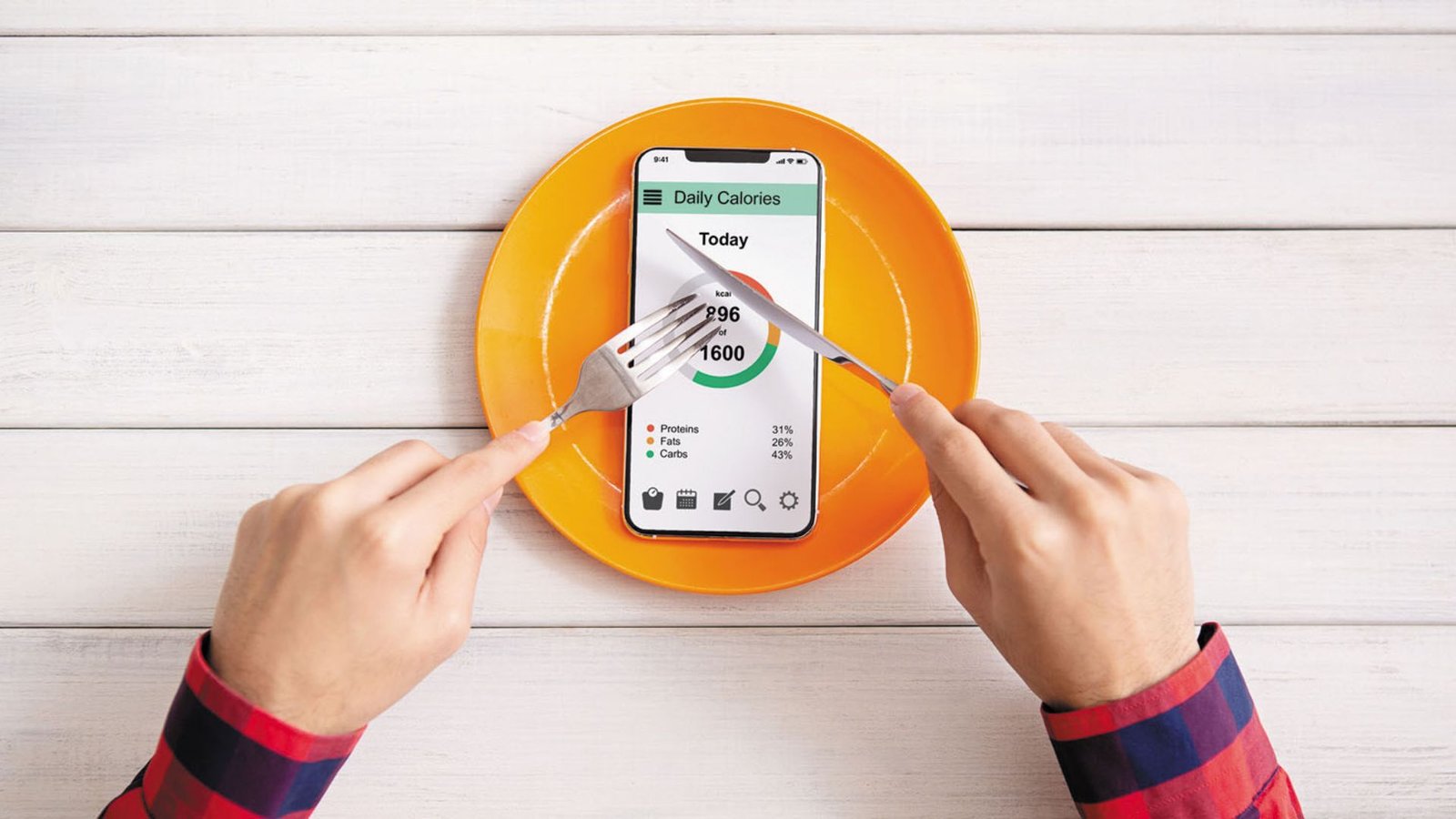
Before you start, you need numbers. Guessing won't work. Let's figure out your calories, your deficit, and your protein needs. This sets the base for your whole plan.
1. Find Your Maintenance Calories (TDEE)
TDEE stands for total daily energy expenditure. It's the number of calories your body burns each day. This includes walking, working, and even breathing.
You can find this using a free online calculator. Enter your age, weight, height, and activity level. This number is your starting point before you create a deficit.
2. Create a Safe Daily Deficit
Once you know your TDEE, subtract calories to lose weight. A safe deficit is 500 to 1,000 calories a day. This leads to steady, healthy weight loss.
Going too low can slow your metabolism and leave you tired. Stick to a deficit you can maintain daily without feeling drained or overly hungry.
3. Set Your Protein Goal
Protein keeps you full and protects your muscle while you lose fat. Aim for a high-protein intake each day. Good sources include chicken, eggs, fish, beans, and Greek yogurt.
Spread protein across your meals. This helps control hunger and supports your workouts during your 8-week plan.
| Goal | Recommendation |
| Daily deficit | 500–1,000 calories |
| Protein | High-protein intake |
| Fiber | 25–35 g/day |
| Water | Plenty throughout the day |
Step 2: Build a Diet You Can Actually Follow
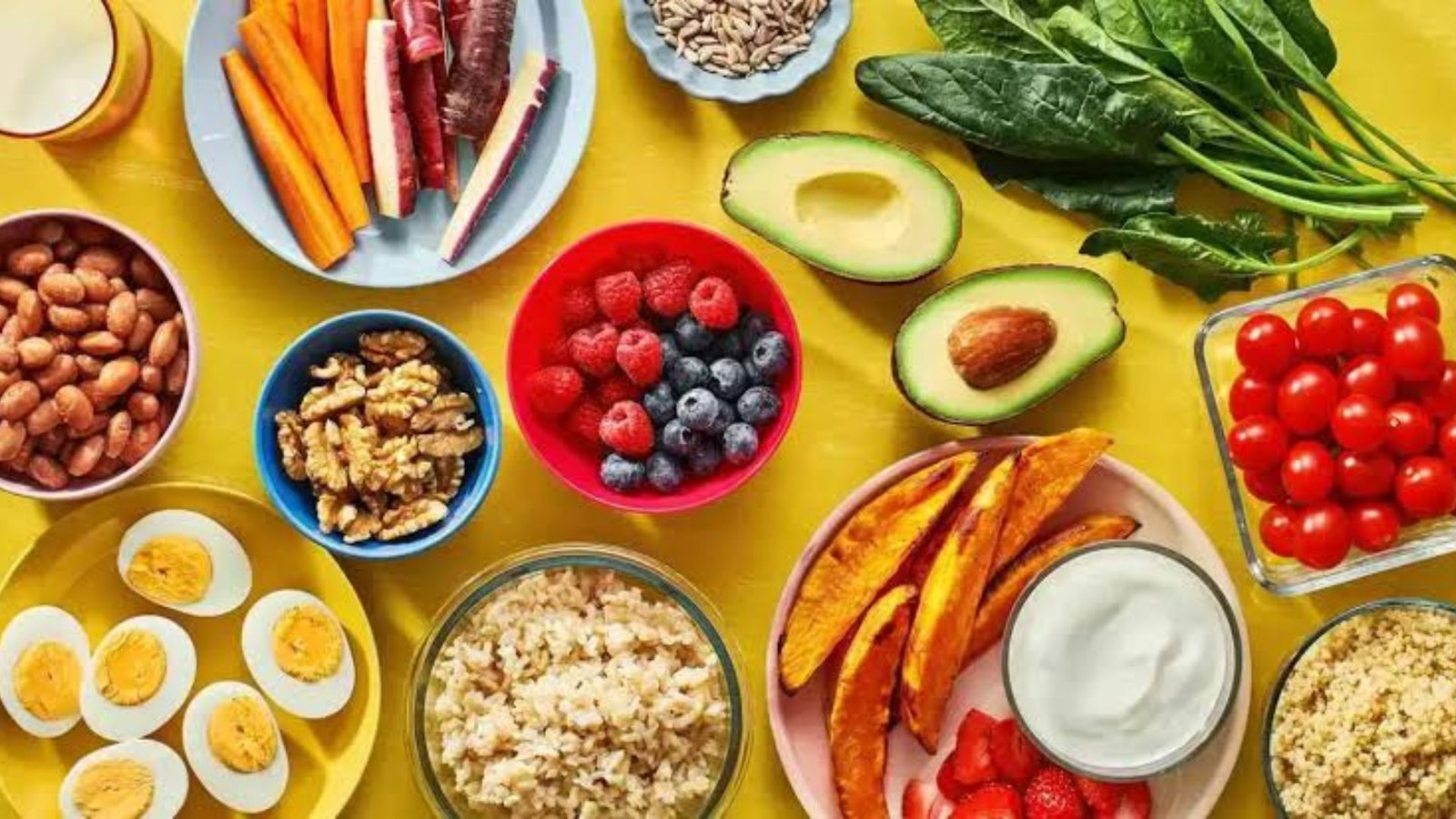
A good diet isn't about starving yourself. It's about smart, simple choices. Let's look at what to eat more of, and what to cut back on, so your plan actually sticks for the full 8 weeks.
1. Foods to Eat More Often
Fill your plate with foods that keep you full and fuel your body. Lean protein, vegetables, fruit, whole grains, Greek yogurt, and beans are great picks.
They give you steady energy, control hunger, and support fat loss without leaving you drained. Build most of your meals around these foods. They keep you satisfied longer, so you snack less and stay on track daily.
2. Foods to Limit
Some foods work against your goal. Soda, candy, alcohol, fried foods, pastries, and sugary coffee drinks add extra calories fast, often without you noticing.
They don't fill you up either, so you end up eating more later. You don't need to cut them out fully. Just eat them less often, watch your portions, and save them for special days instead of daily habits.
| Eat More | Limit |
| Lean protein | Soda |
| Vegetables | Candy |
| Fruit | Alcohol |
| Whole grains | Fried foods |
| Greek yogurt | Pastries |
| Beans | Sugary coffee drinks |
Step 3: Follow an Exercise Plan That Burns Fat

Diet alone isn't enough to hit your goal. Movement speeds up fat loss and keeps your body strong. Here's how to build a simple workout routine that fits into your daily life.
1. Strength Training
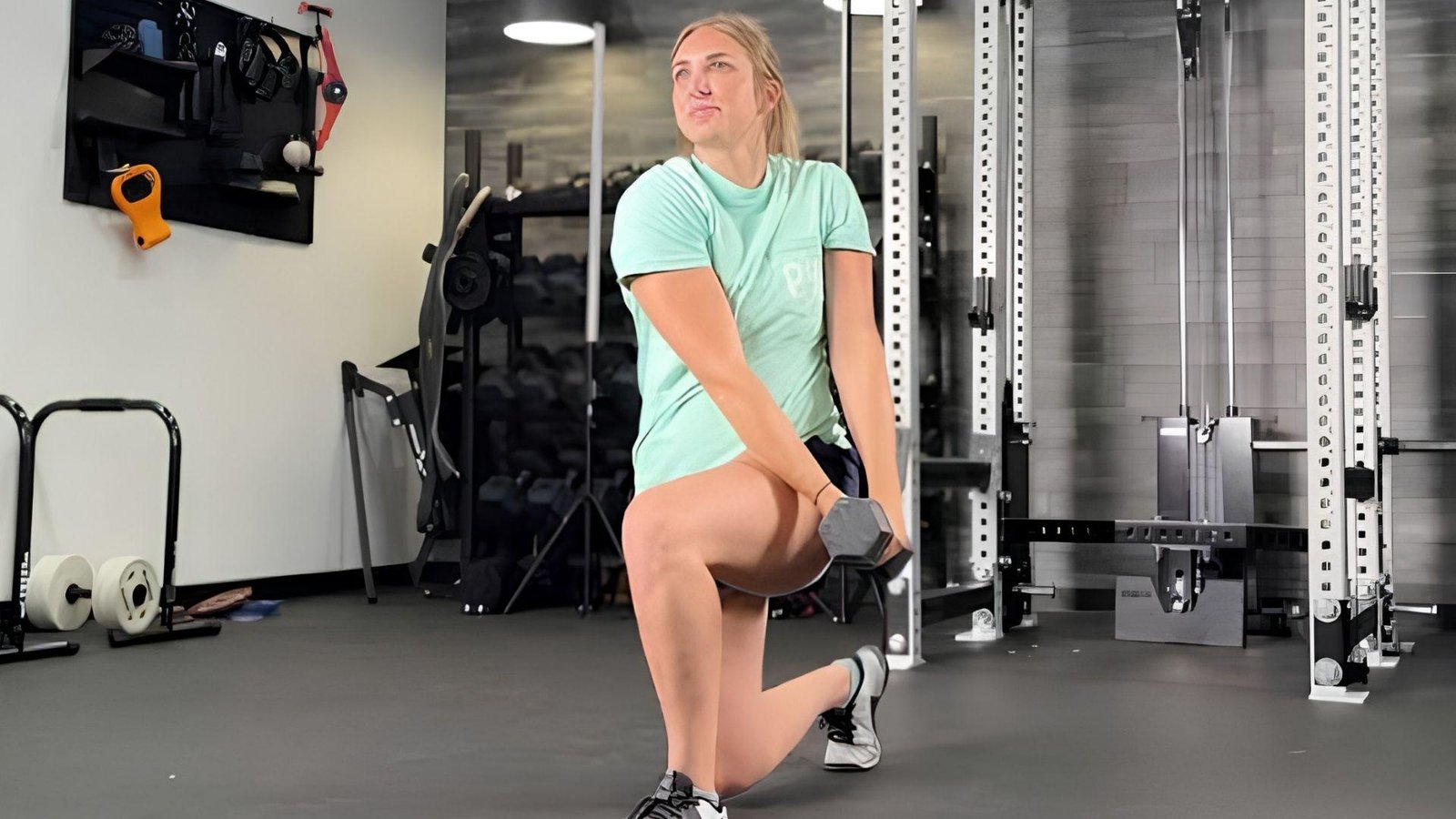
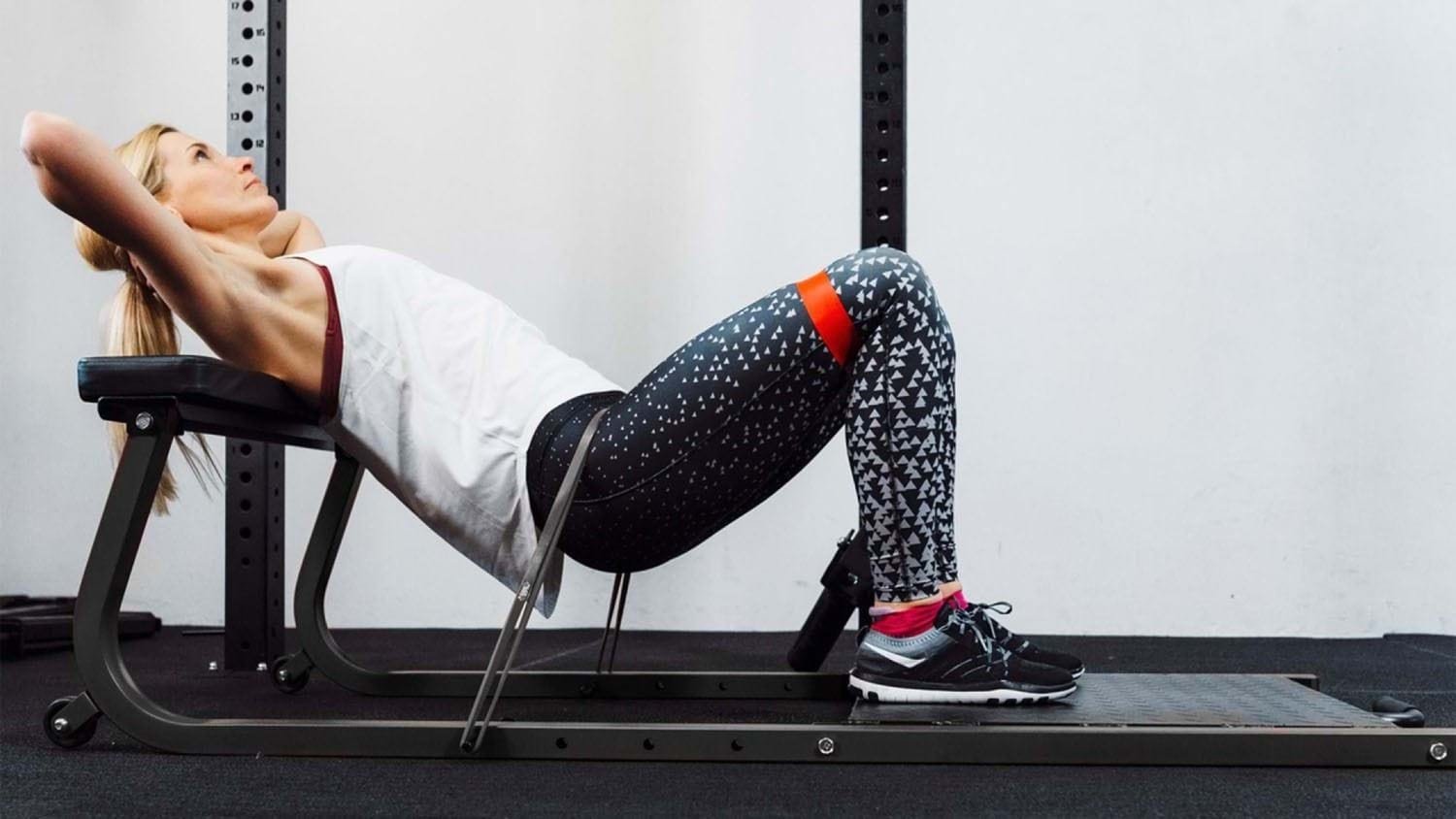
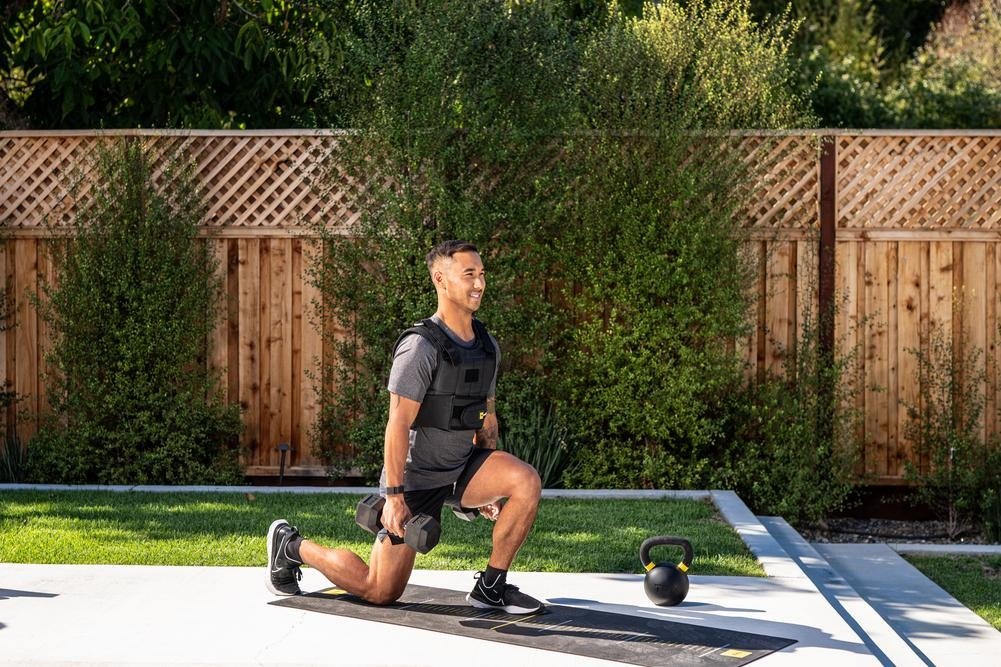
Lift weights 3 to 4 days a week. This builds muscle and keeps your metabolism active, even on rest days. You can use dumbbells, machines, or just your own body weight at home.
Focus on major muscle groups like legs, back, chest, and arms. More muscle means your body burns more calories, even while you sleep or sit still.
2. Cardio
Cardio burns calories and supports your heart health during your 8-week plan. Try walking, running, cycling, or short HIIT workouts a few times a week.
Mixing it up keeps things interesting and works different muscles. You don't need long sessions either. Even 20 to 30 minutes helps. Pick activities you enjoy, so you stick with them.
3. Increase Daily Movement
Small movements matter just as much as workouts. Set a daily step goal, like 8,000 to 10,000 steps, and track it on your phone. Take the stairs instead of the elevator when you can.
Walk after meals to help digestion and burn a few extra calories. These small habits add up fast and support your bigger weight loss goal over time.
Sample Weekly Meal Plan to Lose 20 Pounds in 2 Months
This sample plan focuses on lean protein, fiber-rich carbs, healthy fats, and plenty of vegetables to help you stay full while maintaining a calorie deficit.
| Day | Breakfast | Lunch | Dinner | Snack |
| Monday | Greek yogurt with berries and chia seeds | Grilled chicken salad with olive oil dressing | Baked salmon, brown rice, and broccoli | Apple with almond butter |
| Tuesday | Oatmeal with banana and walnuts | Turkey and avocado whole-grain wrap | Grilled shrimp, quinoa, and roasted vegetables | Cottage cheese with cucumber |
| Wednesday | Scrambled eggs with spinach and whole-grain toast | Chicken, brown rice, and steamed green beans | Lean beef stir-fry with mixed vegetables | Handful of mixed nuts |
| Thursday | Protein smoothie with spinach, berries, and Greek yogurt | Tuna salad with whole-grain crackers | Baked chicken breast with sweet potato and asparagus | Carrot sticks with hummus |
| Friday | Cottage cheese with pineapple and flaxseeds | Grilled turkey burger with salad | Baked cod with quinoa and roasted Brussels sprouts | Greek yogurt |
| Saturday | Veggie omelet with whole-grain toast | Chicken burrito bowl with black beans and salsa | Grilled steak, roasted vegetables, and brown rice | Fresh berries |
| Sunday | Overnight oats with berries and almonds | Grilled salmon salad with avocado | Turkey chili with mixed vegetables | Pear and a handful of almonds |
Meal Planning Tips
- Prep your meals 1–2 days in advance to avoid last-minute unhealthy choices.
- Include a source of lean protein at every meal to help preserve muscle and keep you full.
- Fill at least half your plate with vegetables whenever possible.
- Choose whole grains instead of refined carbohydrates for longer-lasting energy.
- Drink water with every meal and limit sugary drinks and alcohol.
- Adjust portion sizes to match your personal calorie goal and activity level.
Weekly Workout Schedule
This sample schedule mixes strength training, cardio, and rest days to help you burn fat while protecting your muscle.
| Day | Workout |
| Monday | Strength training: legs and glutes |
| Tuesday | Cardio: 30-minute brisk walk or cycling |
| Wednesday | Strength training: back and chest |
| Thursday | Cardio: HIIT session, 20 minutes |
| Friday | Strength training: arms and core |
| Saturday | Cardio: running or a long walk |
| Sunday | Rest or light stretching |
Workout Tips
- Warm up for 5 minutes before every session to lower injury risk.
- Rest at least one full day each week to let your muscles recover.
- Increase weight or reps slowly each week to keep building strength.
- Pick cardio activities you enjoy, so you stay consistent.
- Track your workouts to see progress and stay motivated.
- Adjust the schedule to fit your fitness level and daily routine.
Healthy Habits That Speed Up Weight Loss

Small habits make a big difference over time. Drink more water each day. It helps control hunger and keeps your body working well. Aim for 7 to 9 hours of sleep each night.
Poor sleep raises hunger hormones and slows fat loss down. Manage stress too, since high stress often leads to overeating and poor choices. Meal prep saves time and stops last-minute unhealthy decisions during busy days.
Eat slowly and notice when you feel full, so you avoid overeating at meals. Track your calories so you always know what you're eating daily. Hit your protein goal every single day to stay full longer.
Stay consistent on weekends too. Many people eat well all week, then undo it on Saturday and Sunday without realizing it.
Common Mistakes That Make Losing 20 Pounds Harder

Some habits slow your progress without you even noticing them. Skipping meals often backfires badly. You end up hungrier later and eat more overall.
Eating too little protein leaves you tired, weak, and hungry fast. Drinking your calories through soda or juice adds up quickly each day. Doing only cardio, without any strength training, can slow your results over time.
Weekend overeating is common and often erases progress made all week long. Poor sleep raises cravings and makes fat loss much harder to manage. Expecting quick results can lead to frustration and giving up early.
Quitting after one bad week is a big mistake too. One off day won't ruin your full plan. Stay patient and keep moving forward daily.
Quick Tips to Stay Consistent
Staying consistent is the hardest part. I found a few tricks that helped me a lot along the way.
- Set small, weekly goals instead of focusing only on the big number
- Plan your meals ahead so you're not caught off guard when hunger hits
- Keep healthy snacks close by, and skip the ones that trip you up
- Move your body daily, even if it's just a short walk
- Track your progress each week through weight, measurements, or photos
- Watch how your clothes fit, since the scale doesn't always tell the full story
- Celebrate small wins along the way to stay motivated
- If you slip up one day, don't quit. Get back on track the next meal, and keep going
Conclusion
Losing 20 pounds in 2 months isn't easy, but it's doable with the right plan. Along the way, I learned that it comes down to a few key things.
Track your calories, eat enough protein, and stay in a safe daily deficit. Add strength training and cardio to your week to burn fat and build muscle at the same time. Small habits, like drinking more water, sleeping well, and managing stress, add up faster than you'd think.
You'll have good days and bad days. That's completely normal, so don't let one slip-up throw off your whole week. What matters most is staying consistent, even when progress feels slow or the scale won't budge.
Ready to start your own 8-week plan? Pick one habit from this guide, and start today. Your future self will thank you for it.
Frequently Asked Questions
How long does it take to realistically lose 20 pounds?
Most people can safely lose 20 pounds in about 10–20 weeks by maintaining a healthy calorie deficit and staying active.
What is the quickest way to lose 20lbs?
The fastest safe approach is to combine a calorie-controlled diet, regular strength training, cardio, and consistent healthy habits.
How did Kim Kardashian lose 16 lbs in 3 weeks?
Kim Kardashian said she followed a strict diet and intense workout routine under professional guidance, but such rapid weight loss isn't recommended for most people.
Can I lose 25 lbs in 3 months?
Yes, some people can lose 25 pounds in 3 months, especially if they have more weight to lose, but results vary and should be achieved through healthy, sustainable methods.