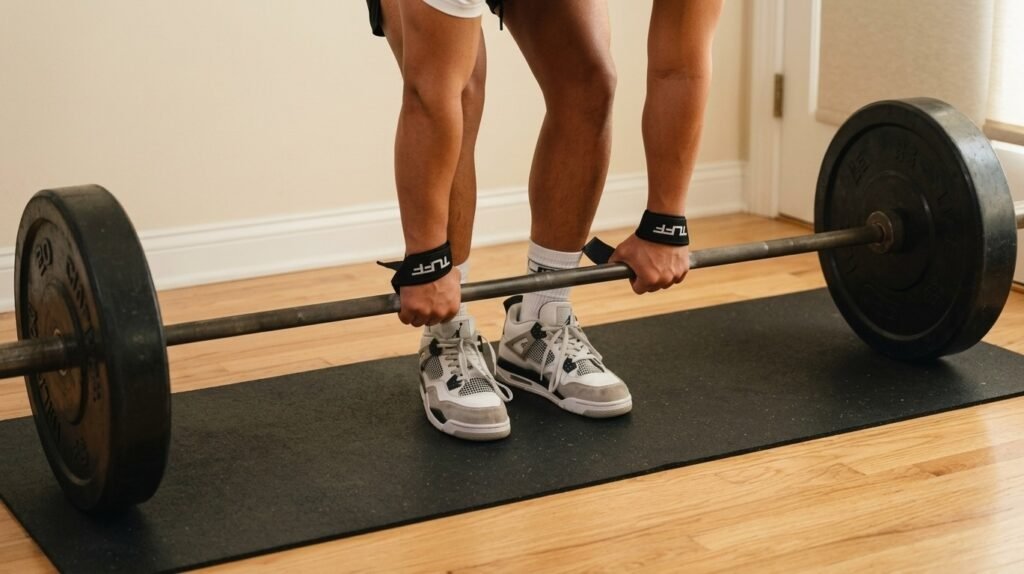
Every time I finished leg day, my lower back was talking to me. Not in a good way.
I started wondering if RDLs were helping me or slowly breaking me down. I kept pushing through the soreness, telling myself it was just muscle fatigue.
But the doubt stayed. Was I building a stronger back or setting myself up for a real injury?
So I started digging. I looked at the research, talked to people who train for a living, and paid closer attention to what my body was actually doing during the movement.
Here is what I found out, and what I wish someone had told me sooner. This article covers how RDLs affect your lower back, why pain happens, and exactly how to fix it.
So, let's get into it.
Are RDLs Good for Lower Back or Bad for It?

RDLs can be good for your lower back when done correctly. The lower back is not the main target muscle here. It works as a stabilizer, not the mover.
The real work comes from your hamstrings, glutes, core, and erector spinae. These muscles make up your posterior chain.
When this chain gets stronger, your spine gets better support. That means better mechanics
when you lift, better control when you move, and less strain on the lower back over time. So yes, RDLs can help, but only when the form is right.
How Do RDLs Affect Your Lower Back?

During a Romanian deadlift, your lower back plays a supporting role. It keeps your spine stable while your hips hinge and your hamstrings stretch.
Done right, RDLs improve your hip hinge pattern, build core stability, and train your lower back to hold a strong position under load.One benefit that often gets overlooked is lower back endurance.
Higher rep sets build the staying power of the muscles along your spine, not just raw strength. That endurance matters more for everyday life than most people think.
It also improves your posture and body control. The key point is this: you should feel tension, not sharp pain. Tension means your muscles are working. Pain means something is off.
Why Does My Lower Back Hurt During RDLs?

Most of the time, lower back pain during RDLs comes down to a few fixable mistakes.
Poor Hip Hinge Technique
If you bend at your spine instead of pushing your hips back, the stress moves straight to your lower back.
Your lower back was not built to carry that kind of load in a bent position. The fix is simple. Push your hips toward the wall behind you.
Keep your chest up. Let the hips do the work, not the spine. Practicing the hip hinge with a stick or wall can help you feel the difference fast.
Using Too Much Weight
Heavy loads make it hard to keep good form. When the weight gets too heavy, the body finds shortcuts. Those shortcuts usually involve rounding or shifting through the lower back.
This puts stress on the wrong places. If you are just learning the movement, start with a dumbbell in each hand.
Dumbbells allow a more natural grip and are easier to control than a barbell. Add weight only after the form feels solid. More weight with bad form does less for you than less weight with good form.
Losing a Neutral Spine
Rounding your lower back or over-arching it both increase stress on the spine and can place direct force on your intervertebral discs.
A neutral spine means a natural, slight curve, not flat and not exaggerated. Losing this position under load is a common reason for lower back soreness.
Before each set, take a breath, brace your core, and set your back in a neutral position. Keep it there from the top of the movement all the way to the bottom.
Lowering the Weight Too Far
Going too low is a mistake many people make. Hamstring flexibility varies a lot from person to person.
Once you pass your own natural range of motion, your lower back starts to compensate. It rounds forward to make up for tight hamstrings. That rounding places real stress on your spine.
Lower the bar only as far as your flexibility allows while keeping the spine stable. A shorter range with good form is always better than a longer range with a broken position.
Moving Too Quickly
Rushing through the lowering phase is another common problem. RDLs are built around a slow, controlled descent.
When you drop the weight fast, your muscles do not have time to do their job. The lower back ends up absorbing the load instead of your hamstrings and glutes.
Slow the eccentric phase down and stay in control from top to bottom.
Should You Feel RDLs in Your Lower Back?
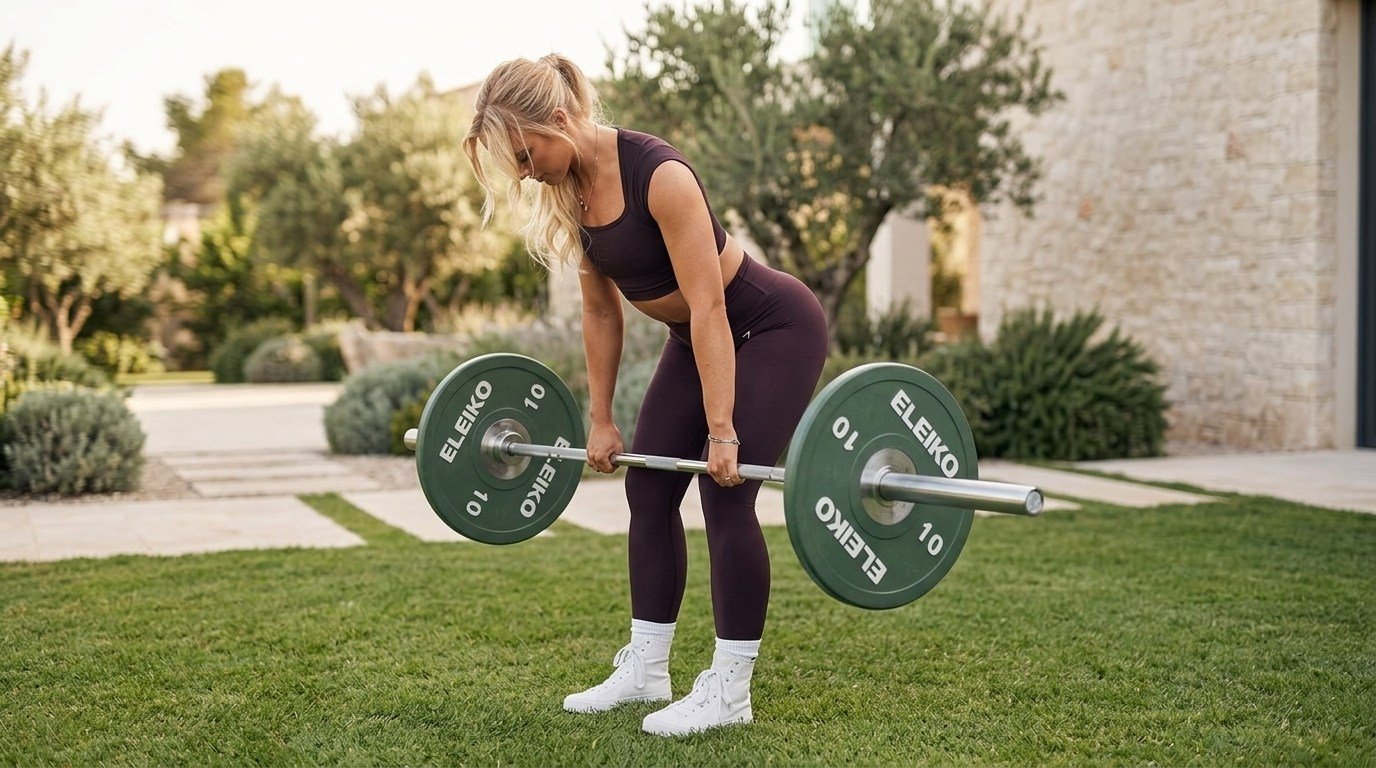
Yes, some lower back activation is normal. Your erector spinae muscles are working to keep the spine stable throughout the movement.
That is their job. But most of the effort should come from your hamstrings, glutes, and hip muscles. They are the primary movers. The lower back supports them.
There is a clear difference between normal muscle fatigue and a warning sign. Normal means mild tension or a dull fatigue after your set.
Concerning means sharp pain, a pinching feeling, or discomfort that stops you mid-rep. If you feel that second type, stop and check your form, or see a professional.
How to Do RDLs Without Hurting Your Lower Back

Good form is the difference between an exercise that builds you up and one that breaks you down. Here is how to do it right.
Keep a Neutral Spine
Keep your back flat from your hips to the top of your head. Do not tuck your chin or let your neck drop forward.
Your neck should stay in line with your spine the whole way down and back up. Before you start the movement, take a breath in and brace your core.
Hold that brace through the whole rep. A stable spine protects you and helps you feel the right muscles working.
Master the Hip Hinge
The hip hinge is the core skill of the RDL. Push your hips straight back, like you are trying to touch the wall behind you.
Keep a slight bend in your knees. Do not let the knees travel far forward. This is not a squat.
The movement comes from the hips moving back and the torso following. When the hips hinge correctly, the hamstrings take the load instead of the lower back.
Keep the Weight Close to Your Legs
This one is easy to miss. As you lower the weight, keep it close to the front of your legs.
Your lats, the muscles on the sides of your back, help hold the weight in tight. If the bar or dumbbells drift away from your body, the torque on your lower back goes up fast.
Think about pulling the weight toward your legs as you hinge down.
Control Your Range of Motion
Lower the weight slowly and with control. Stop the moment you feel your lower back starting to round or your hips beginning to tilt.
That point is your current range of motion. Work within it. Over time, as your hamstrings get more flexible and your form improves, that range will grow.
Do not force it. Forcing range of motion is one of the most common ways people get hurt on this exercise.
Check Your Foot Placement
Your feet should be directly under your hips, roughly hip-width apart a detail that's easy to overlook but crucial to get right.
If your stance is too wide or too narrow, your weight distributes unevenly, disrupting the entire hinge pattern.
Before you add any load to the movement, take a moment to set your feet correctly. This one small adjustment lays the foundation for everything else that follows.
Choose the Right Weight
Start lighter than you expect to. This is not a contest. Lighter weight lets you focus on the movement, feel the right muscles, and build the pattern correctly.
Once the form feels natural and controlled, add a small amount of weight. Keep progressing slowly.
Proper technique built at lighter loads will carry over when the weights do go up. Skipping this step is what leads to pain.
Benefits of RDLs for Lower Back Strength

When done correctly, RDLs offer real value beyond just building muscle. They support how your whole body moves and functions day to day.
- Builds posterior chain strength: Your hamstrings, glutes, and spinal muscles all get stronger together, which supports your lower back from multiple angles.
- Improves lifting mechanics: A stronger hip hinge pattern makes all your other lifts cleaner and safer, from squats to picking things off the floor.
- Strengthens core stability: Your core has to stay braced throughout each rep, which builds the kind of functional stability that protects your spine.
- Supports better posture: Stronger posterior chain muscles pull your body into a better resting position, which reduces daily strain on your lower back.
- Improves everyday movement patterns: Bending, lifting, and even walking become more controlled when your hips and back work together properly.
- Builds lower back endurance: Higher rep sets train your spinal muscles to hold up over time, not just under a single heavy load.
Are RDLs Safe If You Have Lower Back Pain?

RDLs are not the right choice for everyone, especially during active pain.
If you are dealing with sharp lower back pain, a spine injury, a herniated disc, or you have had recent surgery, avoid this exercise until a professional clears you.
Even mild ongoing discomfort is a reason to pause and get proper guidance.Pain during the exercise itself is a clear signal to stop.
Pushing through it almost always makes things worse. A physical therapist or qualified coach can help you figure out what is safe for your situation and how to build back up without causing more damage.
Lower Back-Friendly Alternatives to RDLs
Not ready for RDLs yet? These options help you build the same strength patterns with less risk.
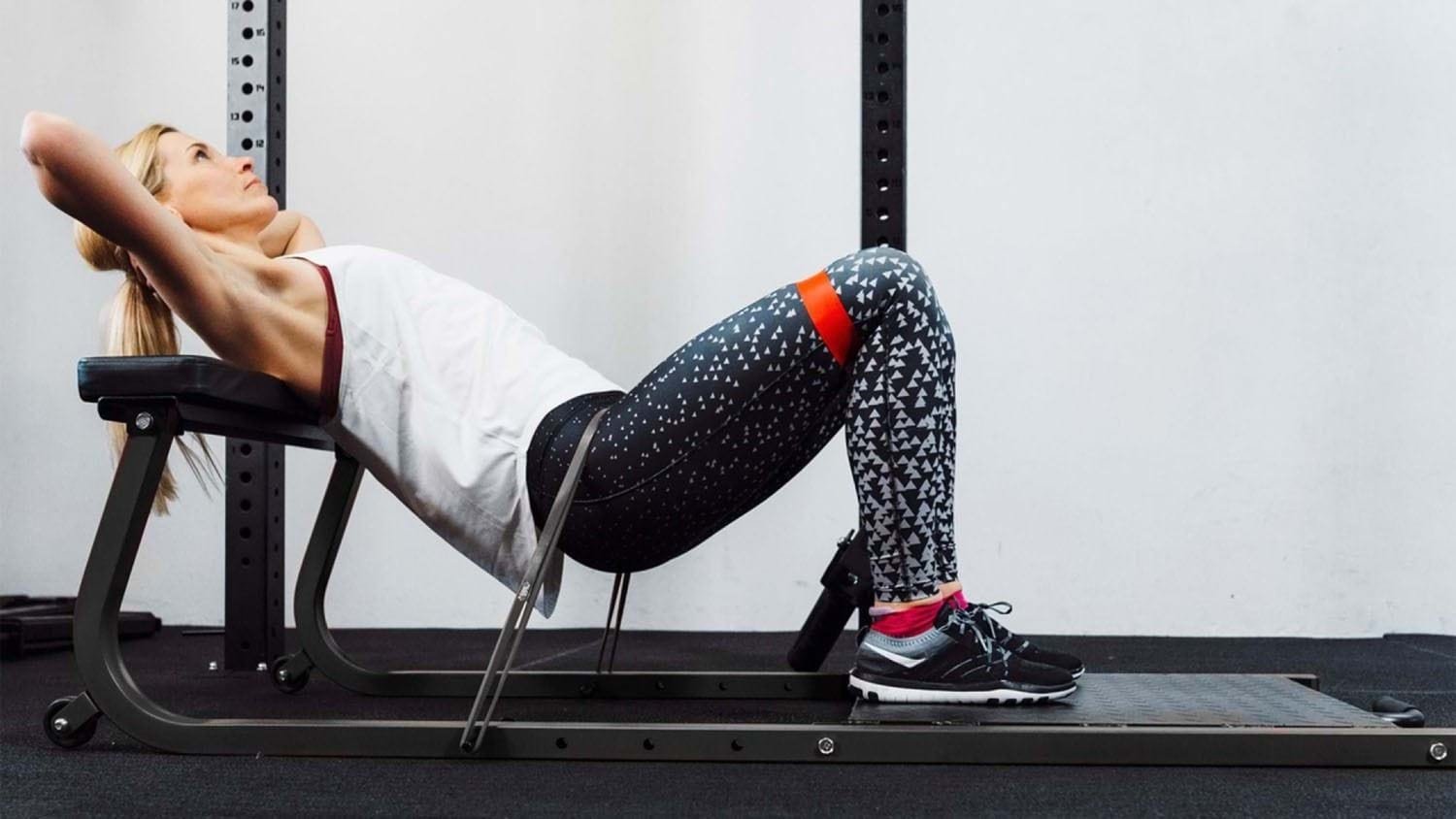
- Glute bridges: These teach your hips to extend while keeping your spine supported by the floor. A great starting point for anyone with lower back sensitivity.
- Hip hinge drills: Using a dowel rod or wall, these drills train the exact movement pattern of the RDL without any load. Perfect for building the skill before adding weight.
- Bodyweight RDLs: The same movement as a loaded RDL but with no added weight. This lets you focus entirely on form and feel where the tension should be.
- Good mornings: A hip hinge movement with a light barbell on your upper back. It trains the posterior chain in a similar way and builds spinal stability.
- Hip hinge with a resistance band: A gentle way to feel the movement pattern and activate the hamstrings and glutes with very low load on the lower back.
These options are a solid starting point. Build the movement skill first, and the strength will follow.
Conclusion
I have been there. Lower back soreness after RDLs made me question the whole exercise. But once I fixed my form, everything changed.
Are RDLs good for lower back health? Yes, when done right. They build the muscles that support your spine, not break it down.
Start with lighter weight. Focus on the hip hinge. Keep your spine neutral. That is it.
If this helped you, drop a comment below and tell me what worked for you. Share it with someone who keeps asking the same question. You might save their back too.
Frequently Asked Questions
How many sets and reps of RDLs should I do for lower back strength?
Do 3 to 4 sets of 8 to 12 reps with a weight that challenges you by the last rep but still lets you keep good form throughout.
Should I do RDLs if I sit at a desk all day?
Yes, RDLs are one of the best moves for desk workers because they strengthen the exact muscles that weaken and tighten from long hours of sitting.
What is the difference between an RDL and a deadlift for lower back safety?
RDLs are generally easier on the lower back than conventional deadlifts because the weight never touches the floor, the range of motion is shorter, and the movement puts more load on the hamstrings than the spine.
Can tight hamstrings cause lower back pain during RDLs?
Yes, tight hamstrings pull on your pelvis and force your lower back to round when you hinge, which shifts the load from your muscles to your spine and causes pain.