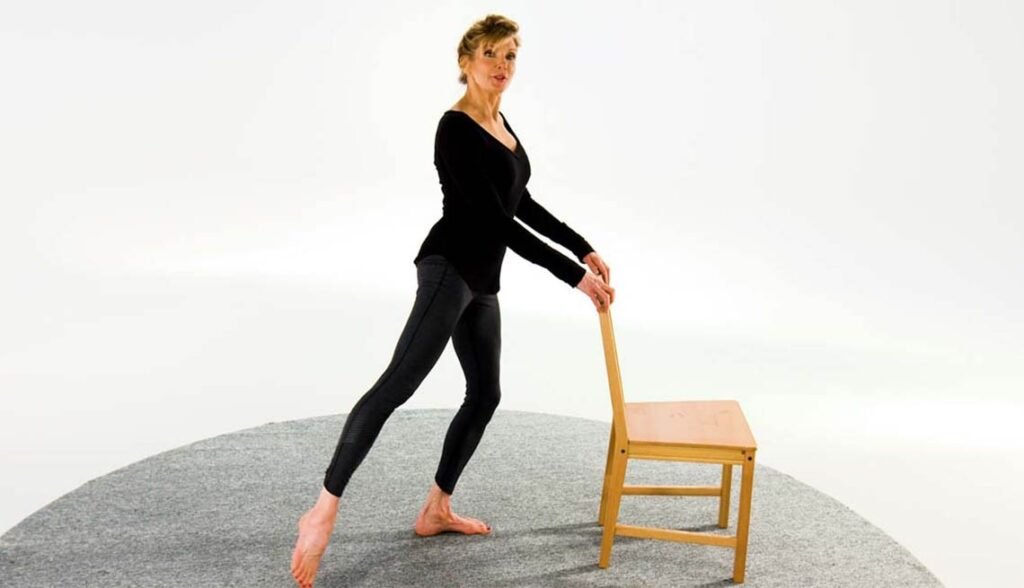
Barre workouts look simple, but they hit muscles you didn't know you had.
If you want strength, better balance, and a toned body without leaving your living room, this list has you covered. This guide covers 11 barre moves you can do at home, plus tips on form, common mistakes, and how to build a full routine.
You do not need dance experience or special equipment to get started. Each exercise below explains what it does, which muscles it works, and how to build a simple routine that fits your schedule. By the end, you will know exactly how to start and stick with it.
What Are Barre Exercises?
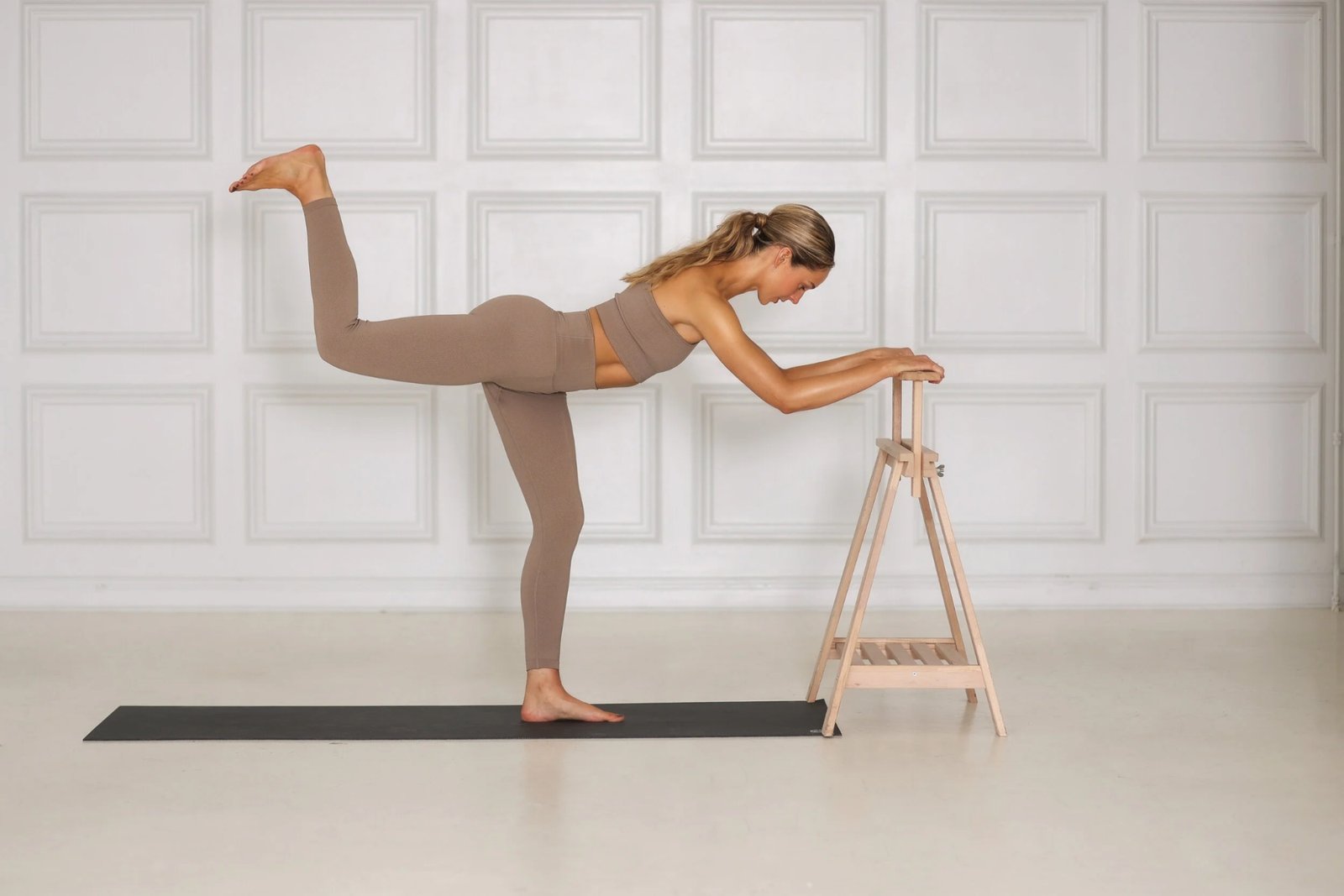
Barre exercises use small, controlled movements inspired by ballet training to build strength and control in your muscles.
Barre exercises mix ballet-style moves with strength training and light stretching. You use small pulses, holds, and slow reps instead of big movements. Most moves target your legs, glutes, and core. You do not need a dance background to try it. A chair or countertop works just as well as a real barre.
The goal is control, not speed. Small movements done right build more strength than fast, sloppy ones.
Benefits of Following a Barre Exercises List
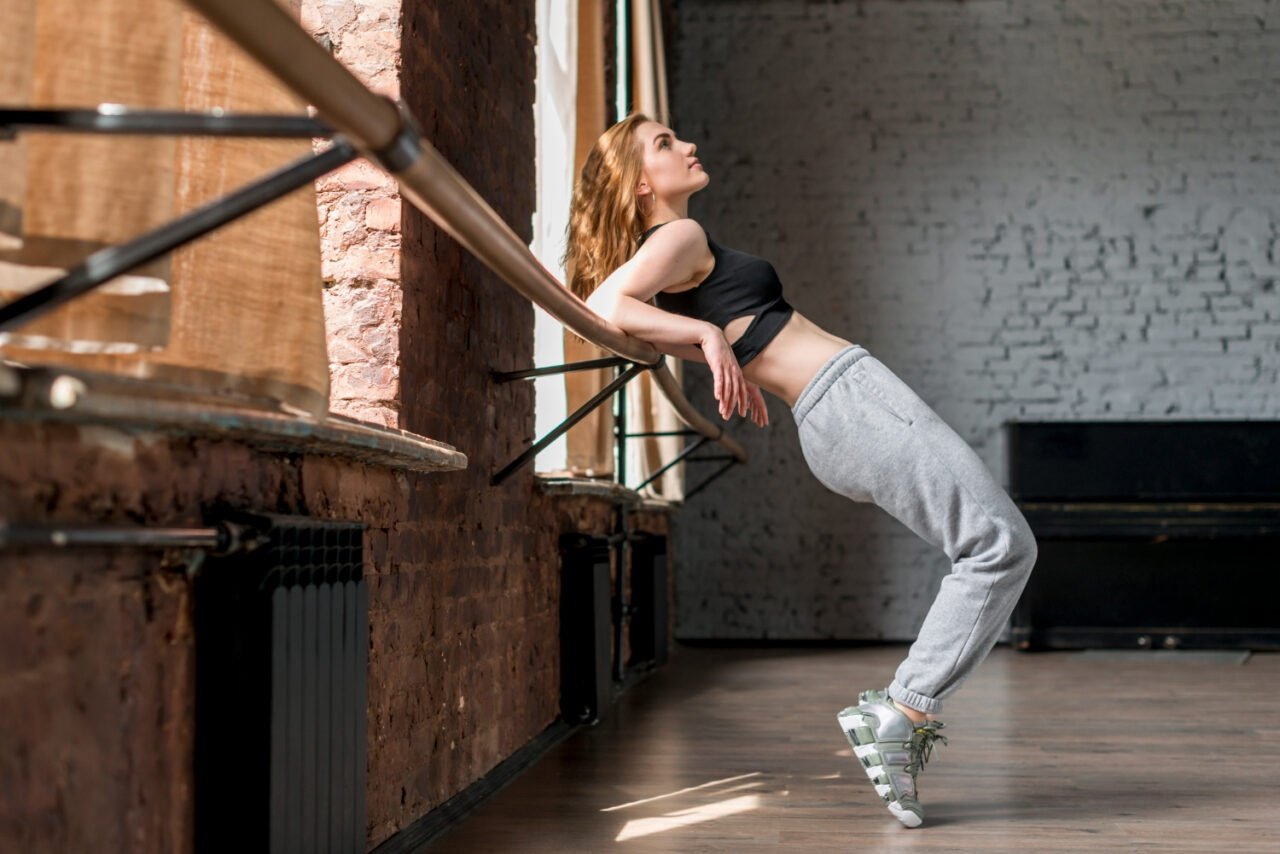
Builds Full-Body Strength
Barre works your legs, arms, back, and core in one session. The pulses and holds fatigue your muscles fast. This builds strength without heavy weights.
You will feel your legs shake during small pulses. That shake means the muscle is working hard.
Improves Balance, Flexibility, and Posture
Many barre moves ask you to hold one position while balancing on one leg. This trains your body to stay steady.
Over time, your posture gets better too. You start standing taller without even trying. Your core learns to support your spine on its own.
Low-Impact and Joint-Friendly
Barre has no jumping or pounding on hard floors. Your joints stay safe while your muscles still work hard.
This makes it a good pick if you have knee or hip pain. You still get a real workout, just without the joint stress. It fits people at almost any age or fitness level.
Helps Tone Muscles and Increase Endurance
Repeating small pulses for a full minute builds muscle endurance fast. Your muscles learn to work longer without tiring out.
This gives your body a firmer look over weeks of practice. You do not need heavy weights to see the change. Consistency matters more than intensity here.
Barre Exercises List: 11 Full Body Workouts
Here are 11 barre moves that work your whole body, one muscle group at a time.
1. Relevé Plié
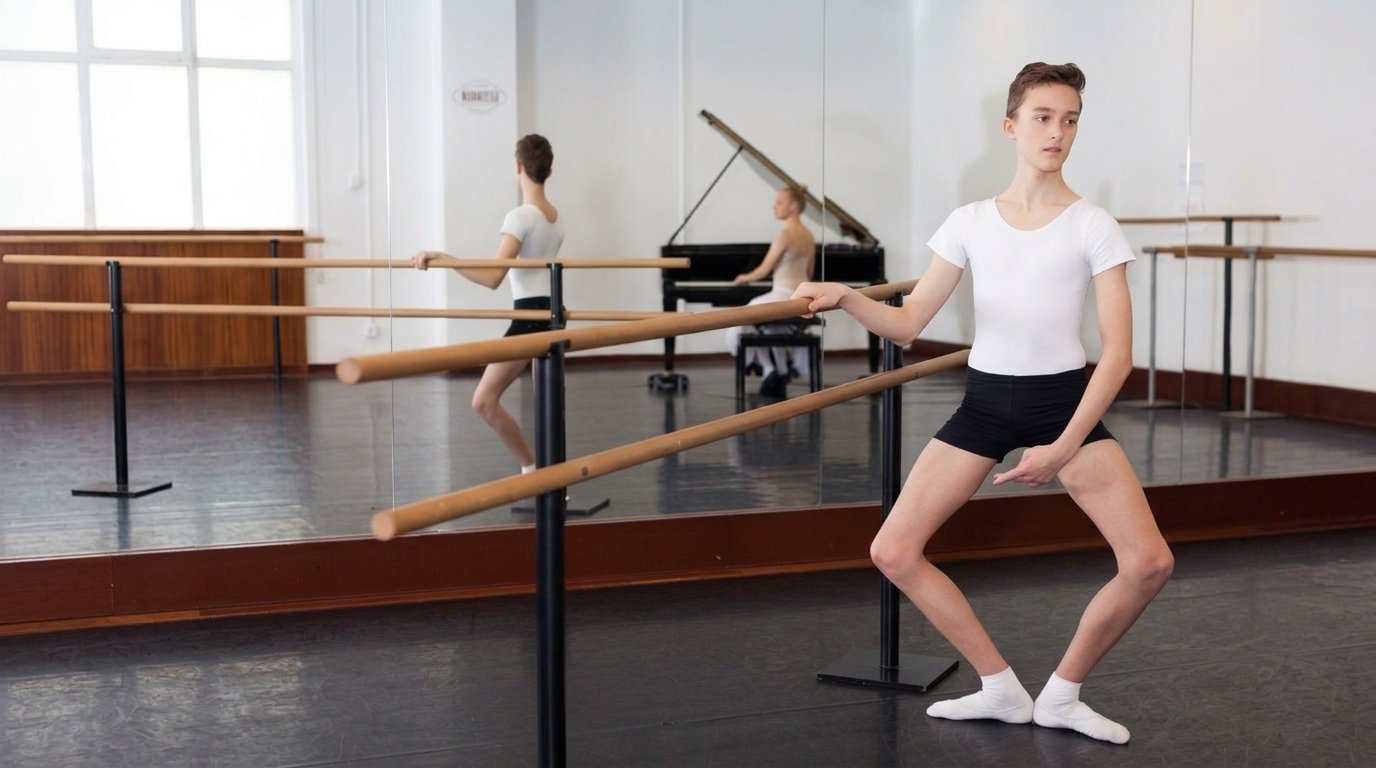
Stand with feet in a small V shape. Bend your knees into a small squat, then rise onto your toes. Lower your heels back down slowly.
Repeat this for one minute. This move works your calves, thighs, and glutes together.
2. Parallel Plié Pulse
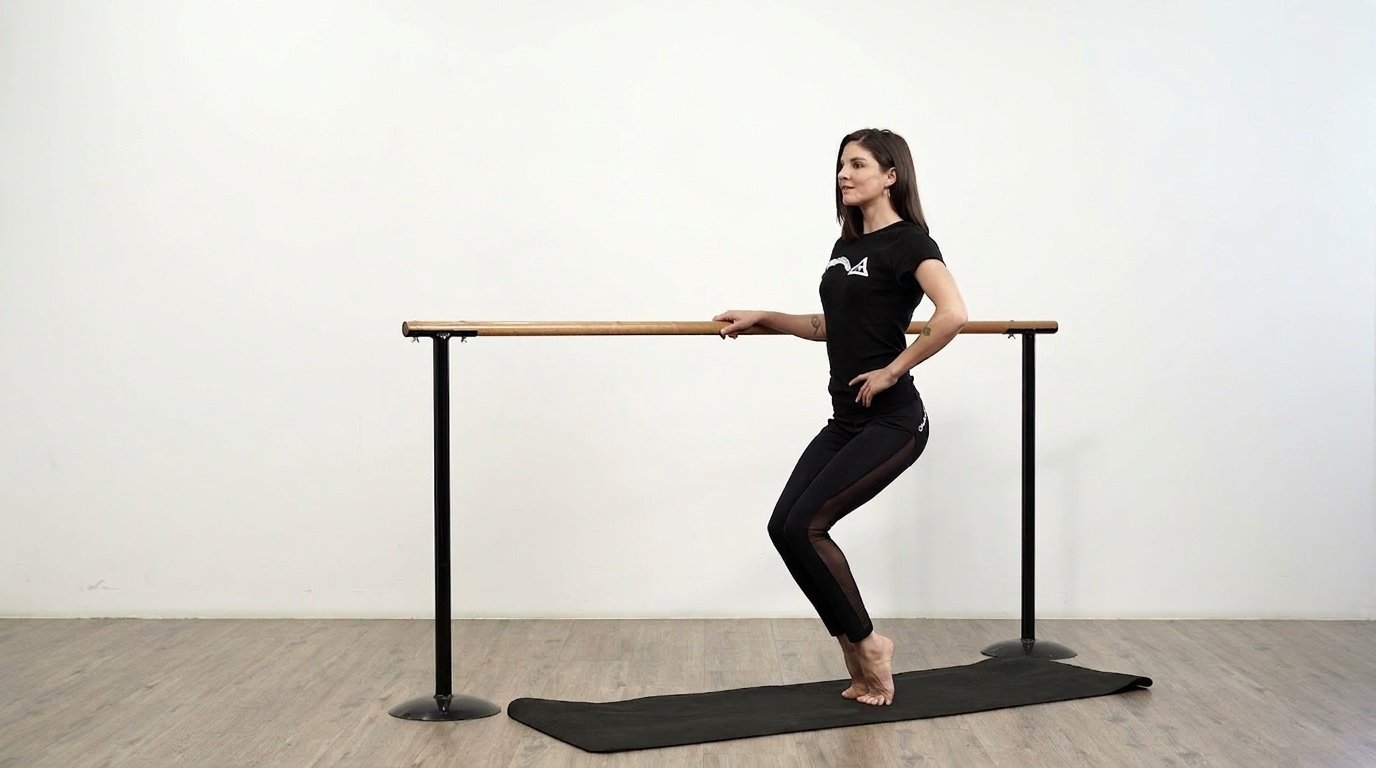
Stand with feet hip-width apart, knees bent in a small squat. Pulse up and down in tiny movements. Keep your knees over your toes the whole time.
This targets your quads and inner thighs directly. Small pulses matter more than big bends here.
3. Arabesque Leg Lift
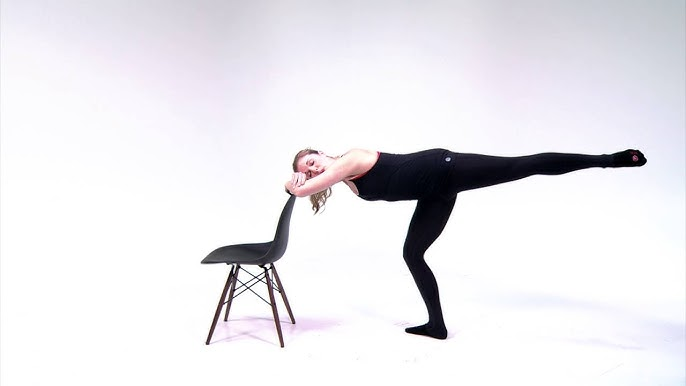
Stand on one leg and lift the other leg straight behind you. Keep your chest lifted and core tight. Lower the leg slowly without dropping it fast.
Switch sides after 30 to 45 seconds. This move builds balance and glute strength.
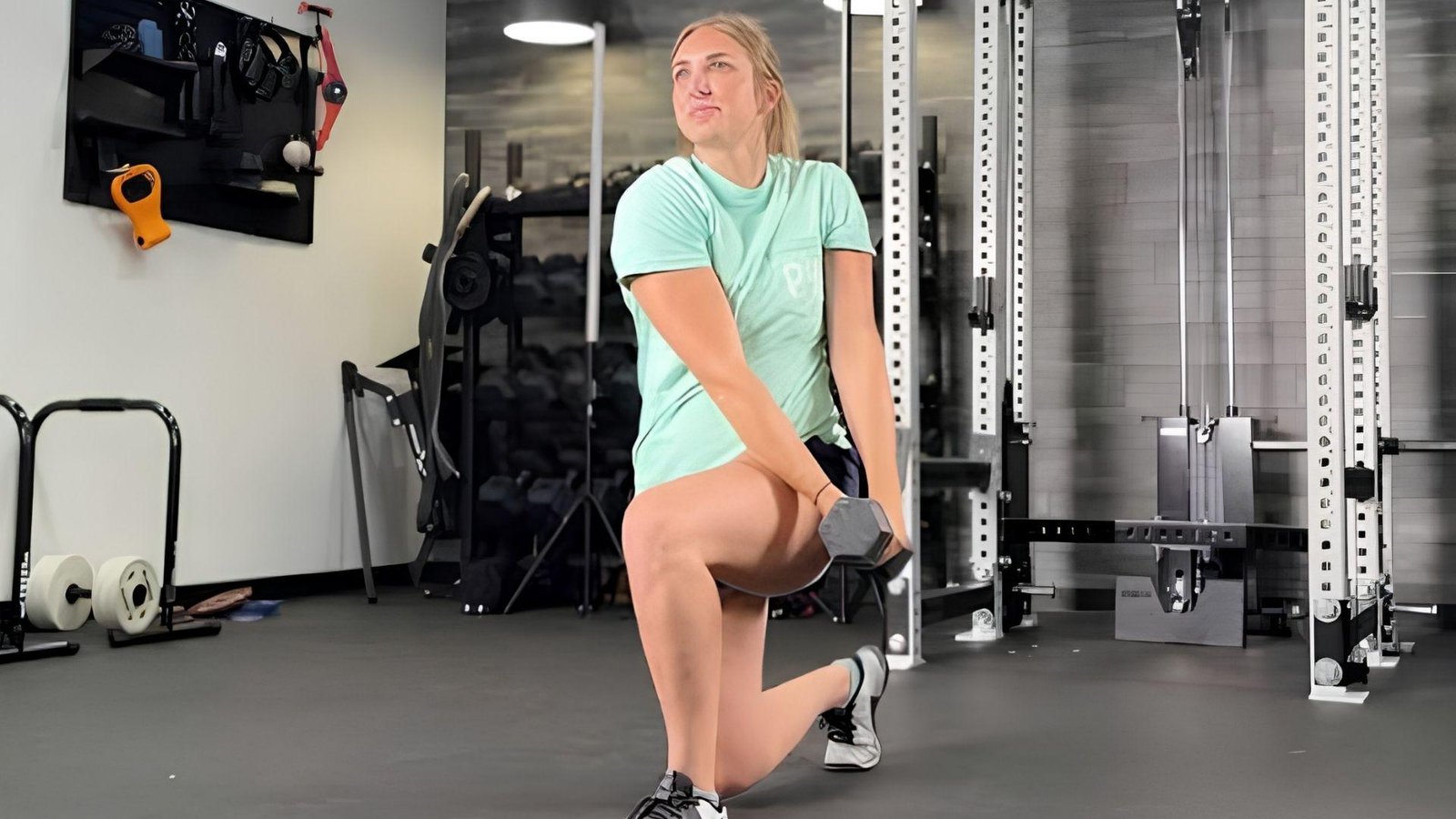
4. Curtsy Lunge
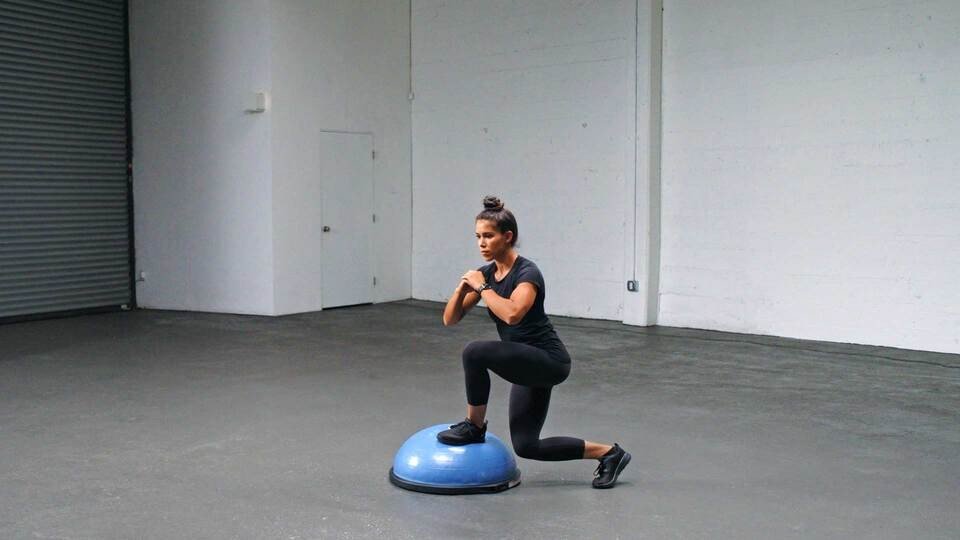
Step one leg behind and across your standing leg, like a curtsy. Bend both knees into a lunge. Push back up to standing. Switch legs and repeat.
This works your glutes and outer thighs at once.
5. Second Position Thigh Hold
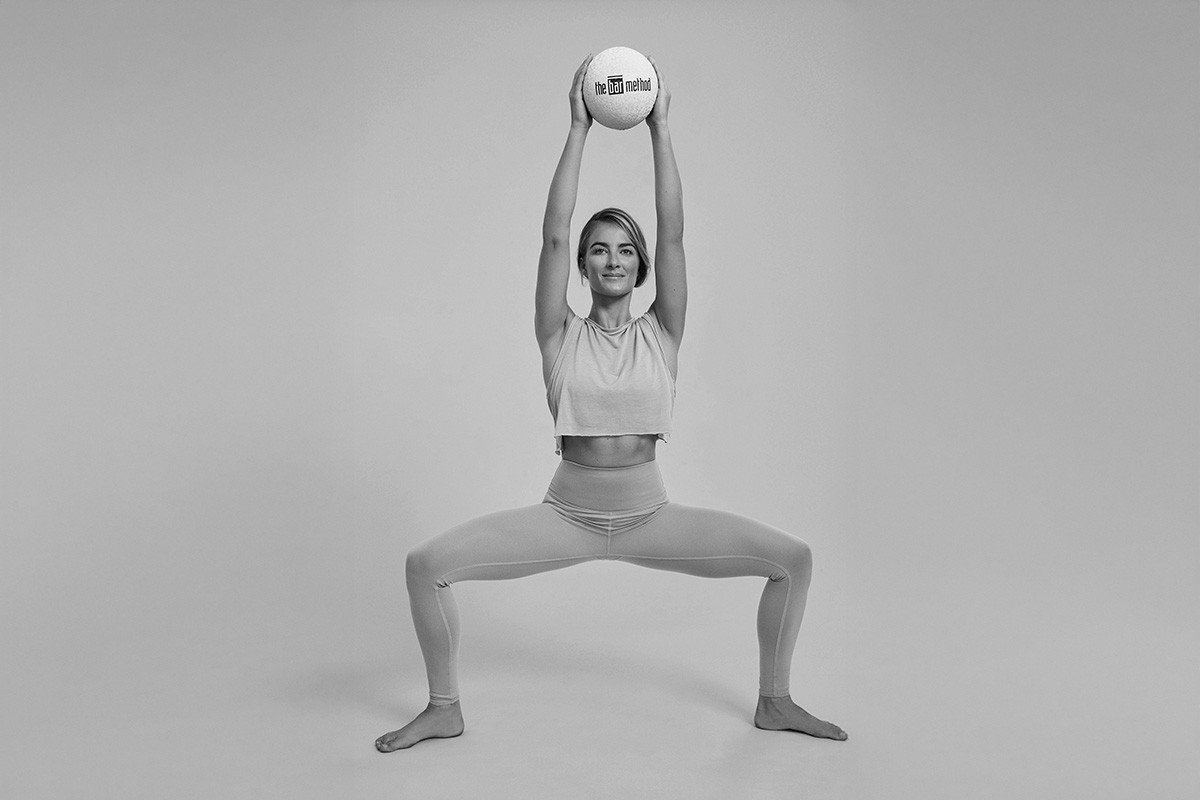
Stand with feet wide apart and toes turned out. Bend your knees into a low squat and hold. Stay in that position for 30 seconds or more.
Your thighs will start to shake, and that is normal. This builds serious lower body endurance.
6. Leg Lifts
Hold onto a chair or barre for support. Lift one leg out to the side in small pulses. Keep your hips facing forward the whole time. Switch legs after one minute.
This isolates your hip and outer thigh muscles.
7. Push-Ups at the Barre
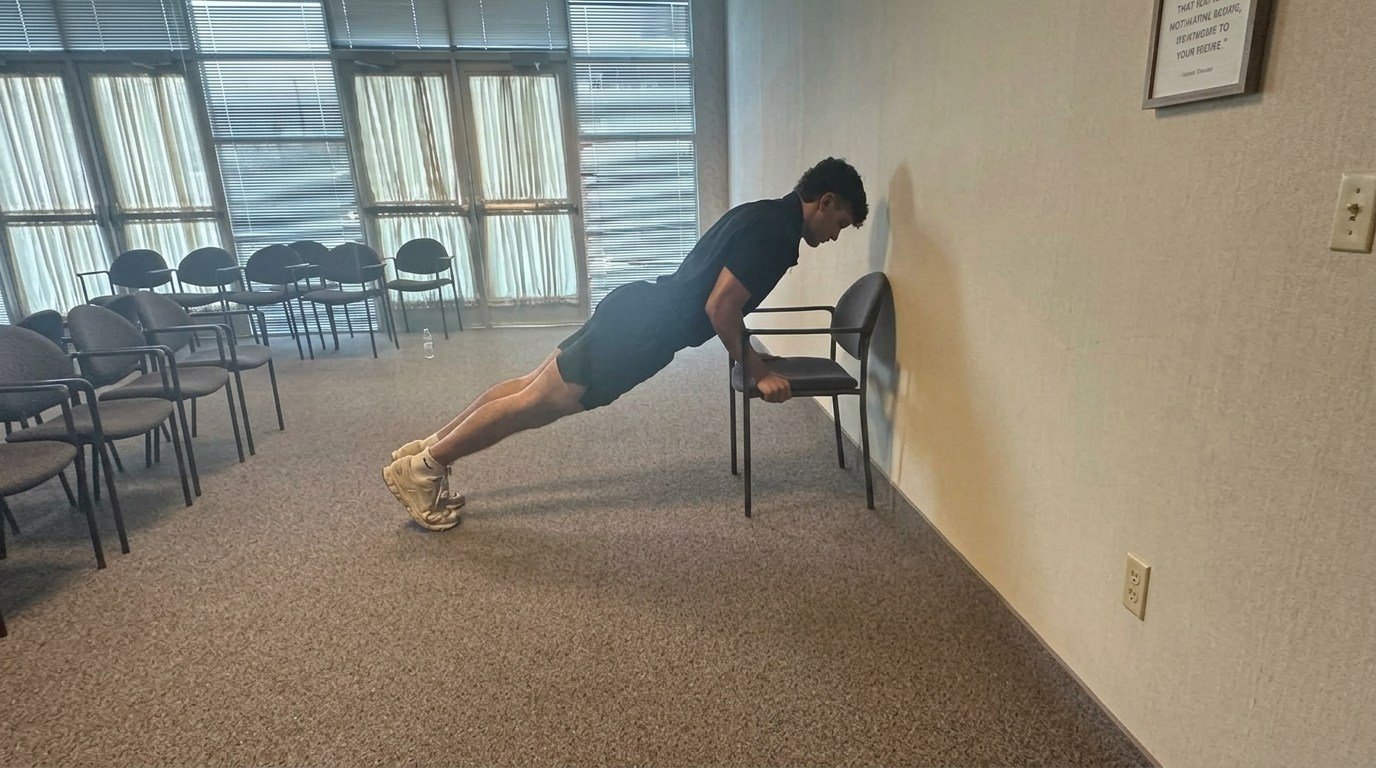
Place your hands on a barre, chair, or counter at an angle. Lower your chest toward the surface, then push back up. Keep your core tight throughout the move.
This works your chest, arms, and shoulders. It is a good upper body add to any barre day.
8. Pretzel
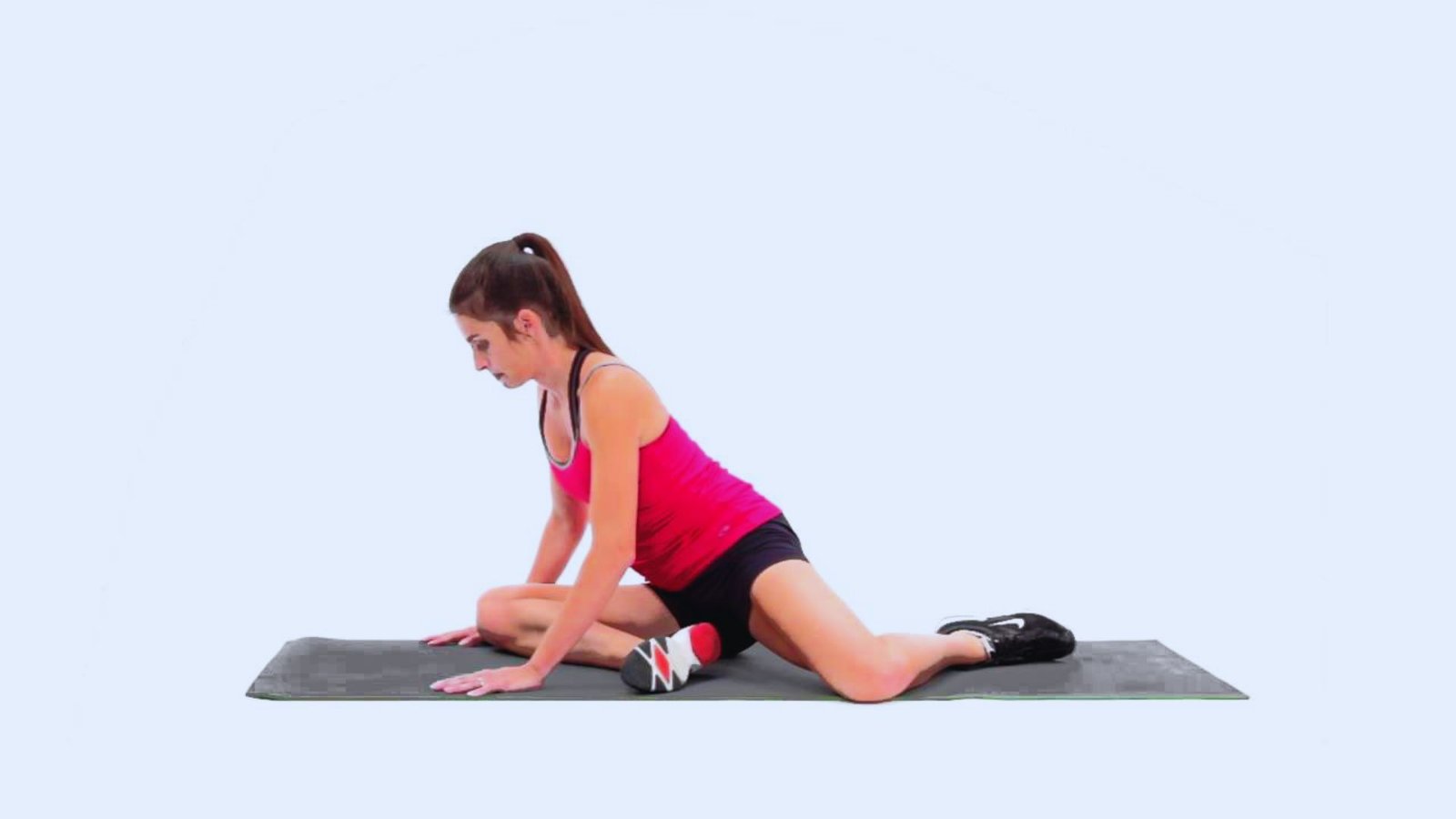
Sit on the floor with one leg bent in front and one leg bent behind you. Lift your back leg a few inches off the floor. Lower it slowly and repeat.
This move targets your glutes and hips at a deep level.
9. Side Plank with Leg Lift
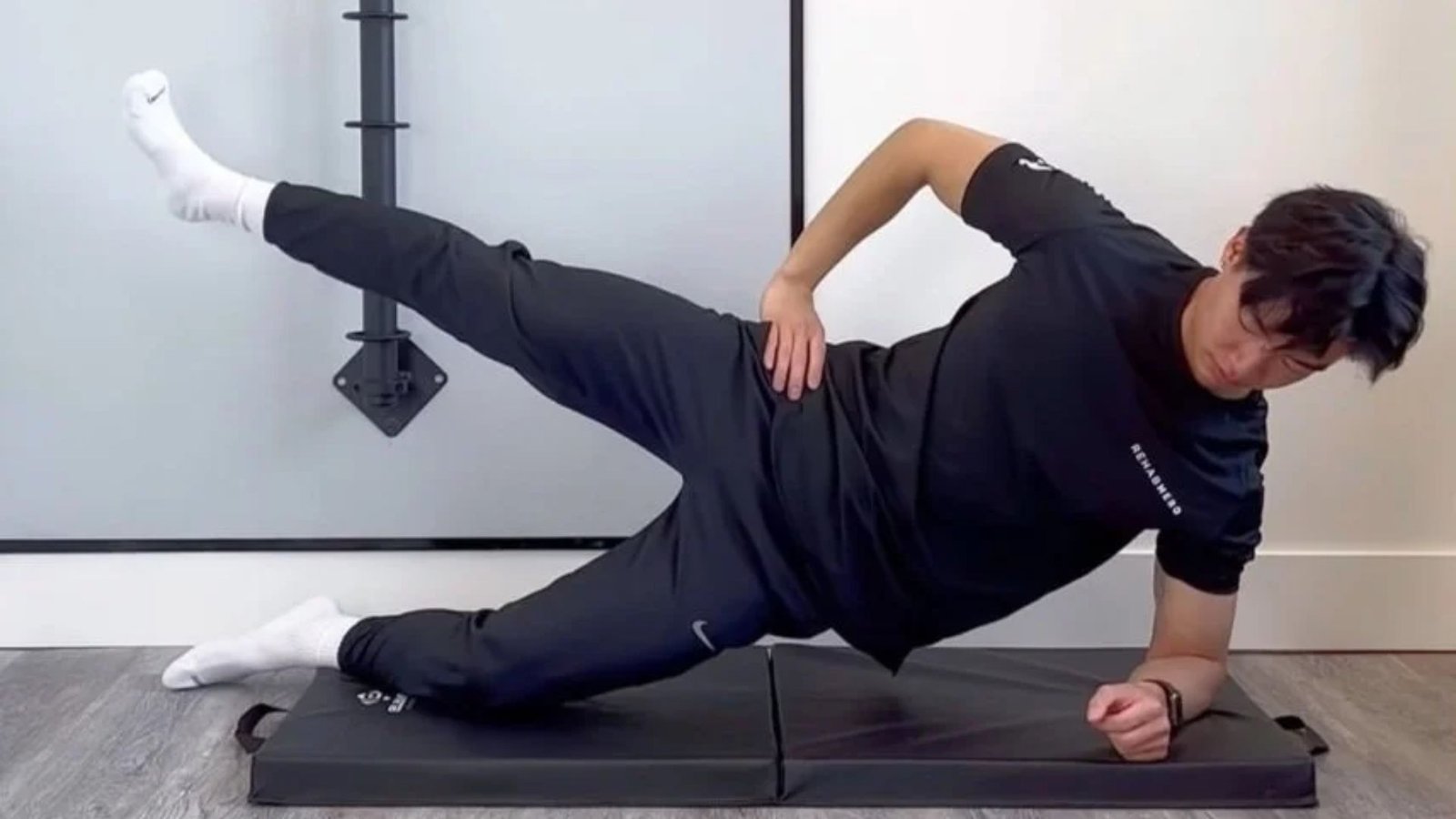
Get into a side plank position on your forearm. Lift your top leg up and down in small pulses. Keep your hips lifted the entire time.
Switch sides after 30 seconds. This works your core, obliques, and outer thigh together.
10. Straight-Leg Clam
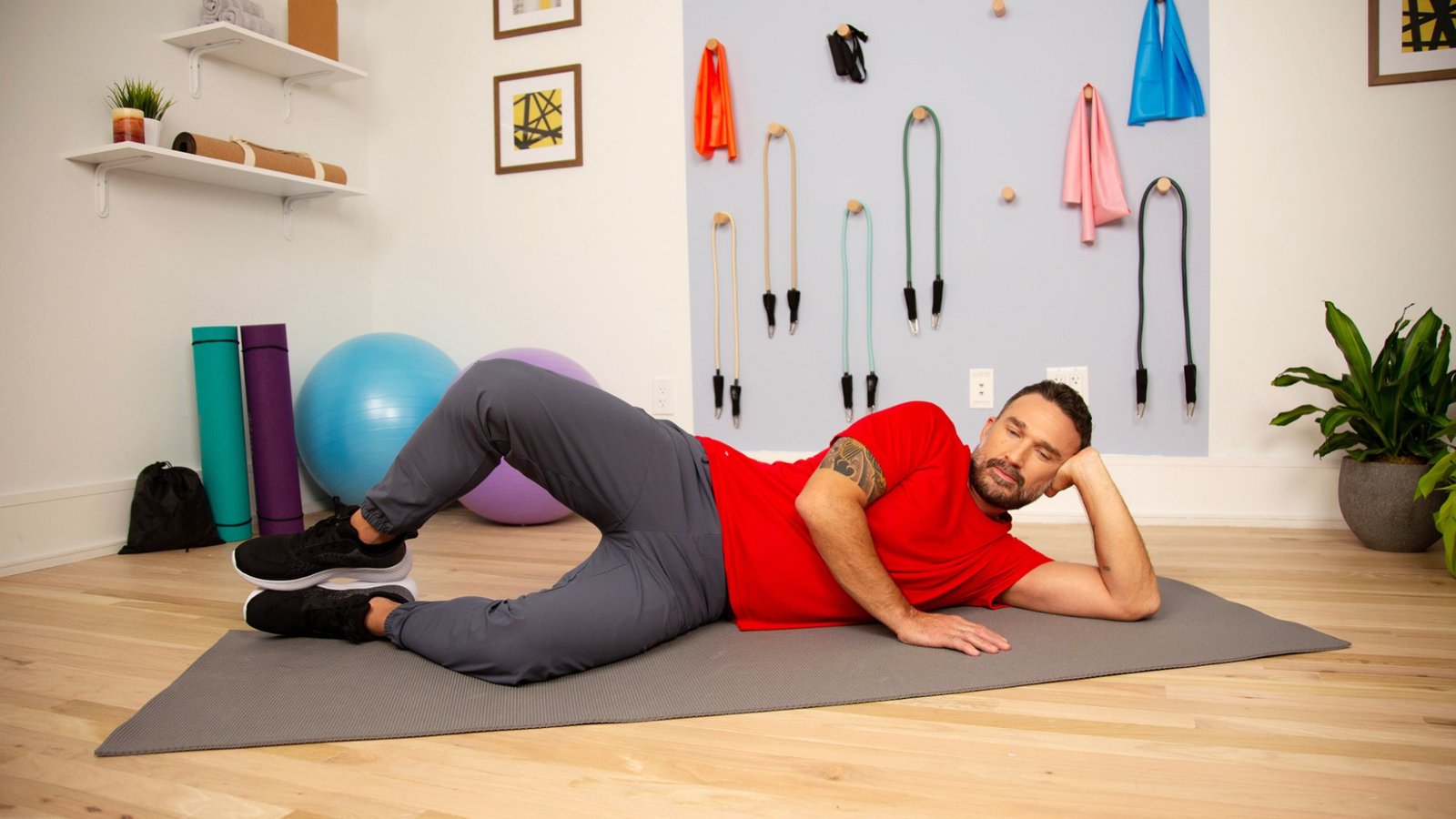
Lie on your side with both legs straight and stacked. Lift your top leg up while keeping it straight. Lower it slowly without touching the bottom leg.
This move fires up your glutes and hip muscles. It feels small but works fast.
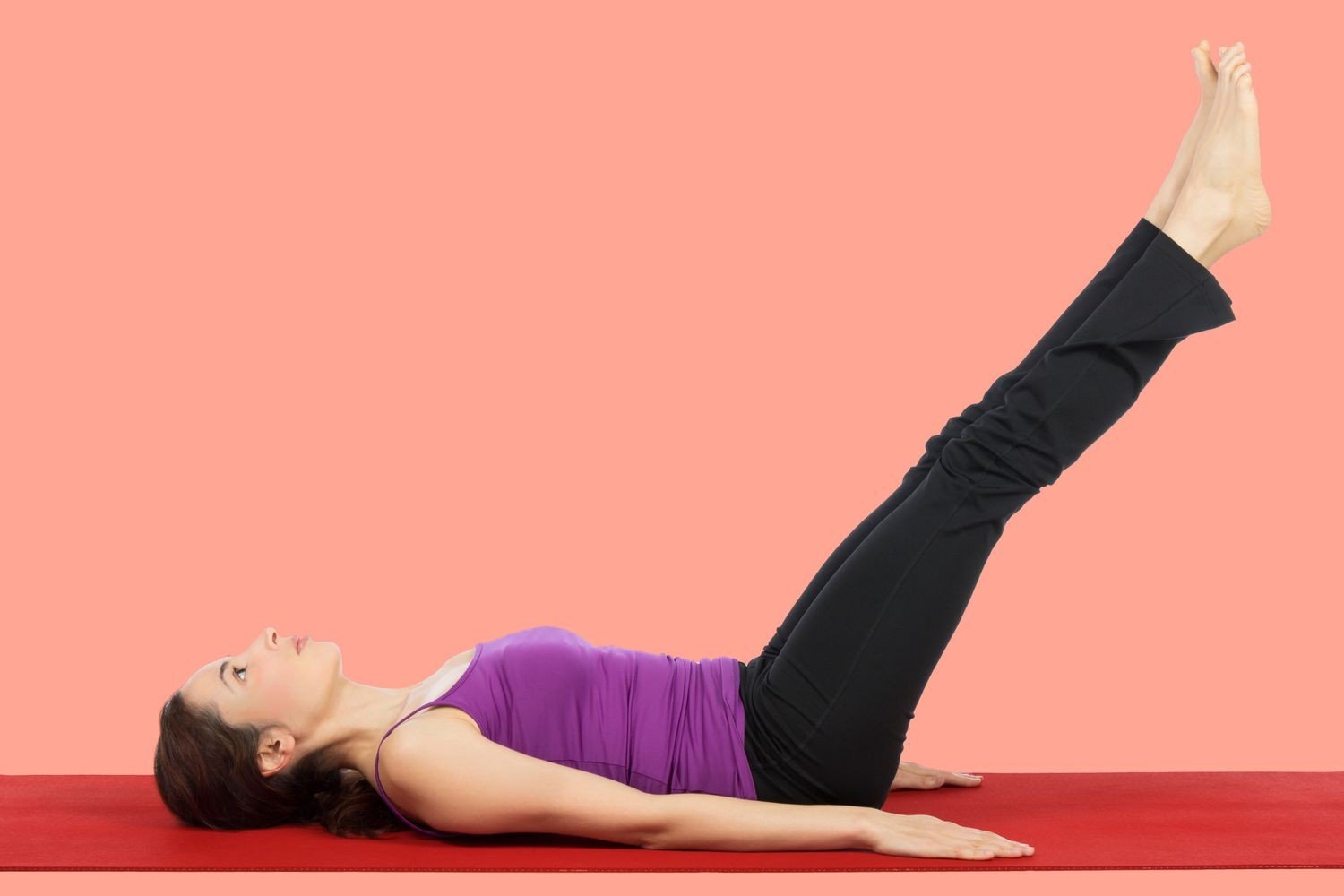
11. Pilates Hundred
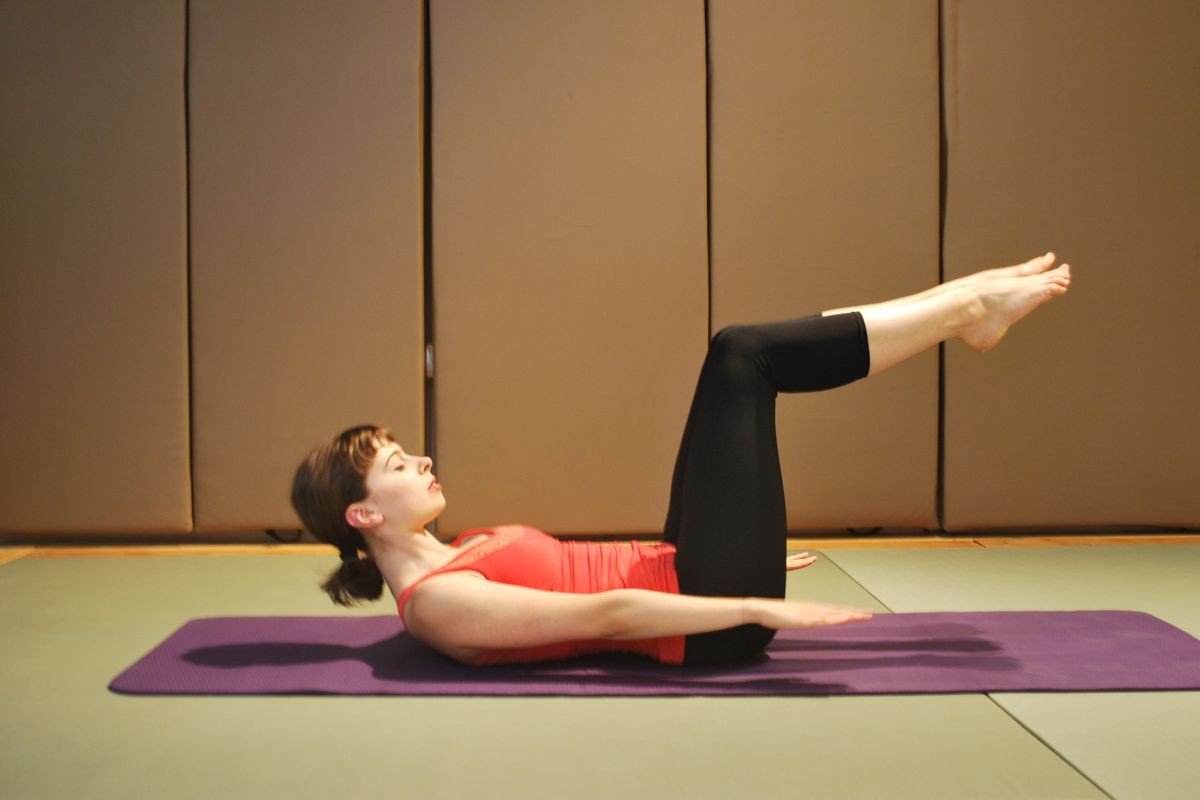
Lie on your back and lift your legs into a tabletop position. Lift your head and shoulders off the floor. Pump your arms up and down while breathing in for five counts and out for five.
Repeat for 100 total pumps. This move fires up your entire core.
How to Build a Full-Body Barre Routine
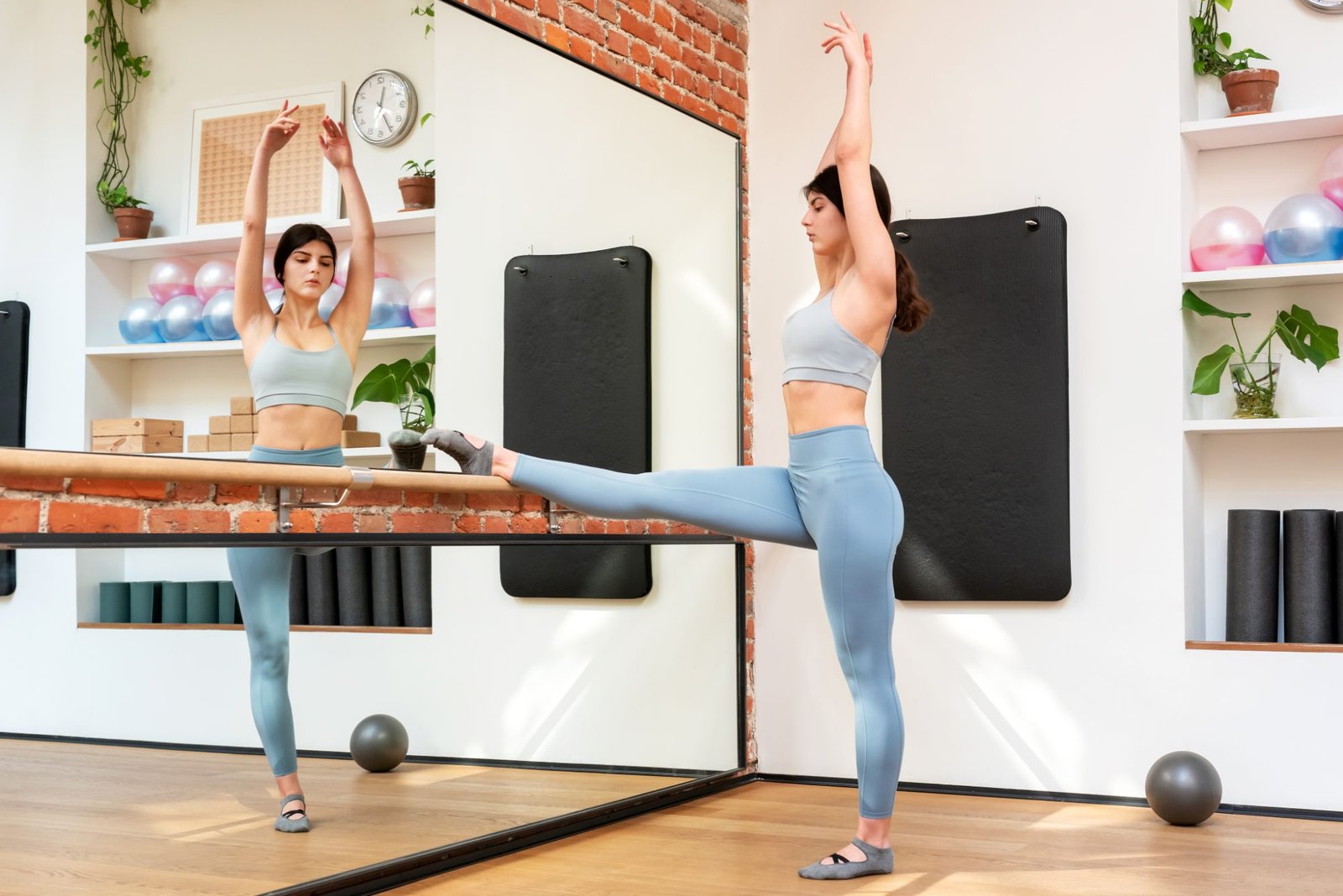
A full routine needs the right order and mix, and here is how to put it together.
Warm Up Before You Start
Spend five minutes on light movement before your first pulse. Try marching in place or arm circles. This gets blood flowing to your muscles.
A warm body handles small controlled moves much better. Skipping this step raises your chance of strain.
Combine Lower Body, Upper Body, and Core Exercises
Do not just repeat leg moves the whole session. Mix in push-ups, planks, and core work too. This keeps your full body balanced and working.
A good routine covers legs, arms, and core in one sitting. Aim for at least one move from each group.
Finish with Stretching and Cool Down
End your session with slow stretches for your legs, hips, and back. Hold each stretch for 20 to 30 seconds. This helps your muscles recover faster.
Cool down time also lowers your heart rate gently. Skipping this step can leave your muscles tight the next day.
Do You Need Equipment for Barre Exercises?
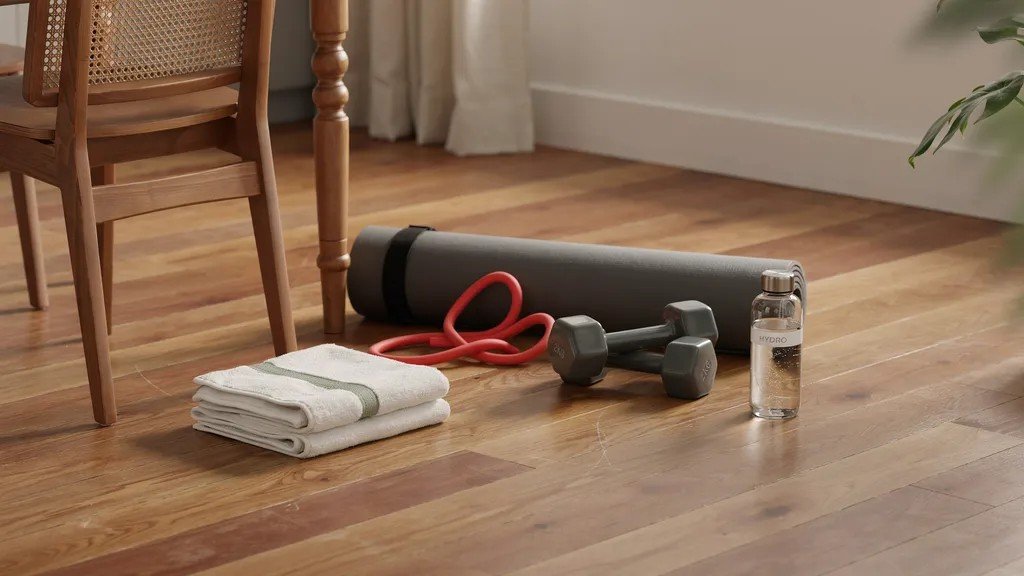
You can start barre with items already in your home, no special gear required.
Household Items You Can Use Instead of a Barre
A sturdy chair back works well as a barre substitute. Your kitchen counter or a wall can also give you support.
Just make sure whatever you use will not slide or tip over. You really do not need a fancy setup to start.
Optional Equipment for Better Comfort and Support
A yoga mat adds comfort for floor moves like the Pretzel or Pilates Hundred. Light ankle weights can add resistance once you get stronger.
A resistance band is another low-cost option. None of this is required to see results.
Tips to Get Better Results from Barre Workouts
Small changes in how you train can make a big difference in your results.
- Slow down every rep so your muscles feel the full range of motion
- Keep your core pulled in tight during every single move
- Breathe steadily instead of holding your breath through pulses
- Track your workouts so you can see your progress over weeks
- Rest one day between sessions so your muscles can recover
Why Good Form Matters More Than Speed
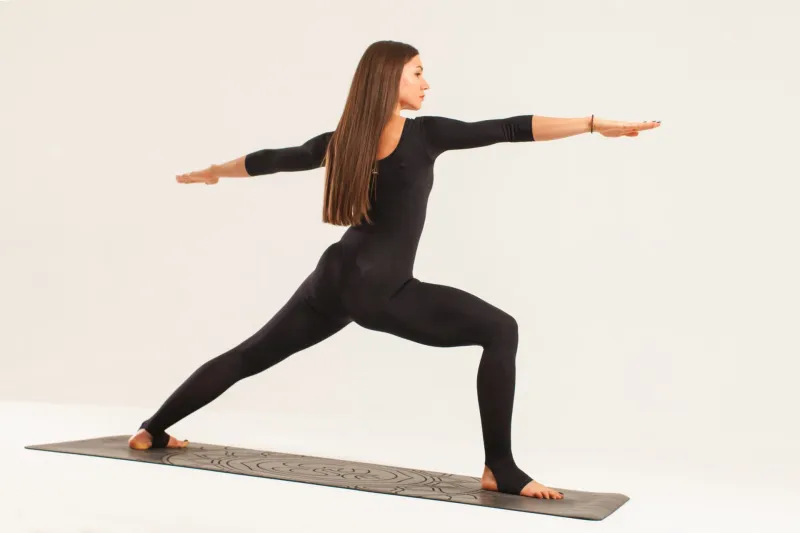
Barre is all about control, not rushing through each move. Slowing down helps your muscles stay under tension longer, which is what makes barre so effective.
Focus on proper posture, steady breathing, and small, controlled movements instead of trying to finish quickly.
Good form also lowers your chance of injury and helps you get better results from every workout.
Even a short barre session can feel challenging when each movement is done correctly.
Common Barre Exercise Mistakes to Avoid
A few small errors can slow down your results, so watch out for these common mistakes.
- Swinging your leg with big movements instead of small controlled pulses
- Letting your lower back arch instead of keeping your core engaged
- Jumping straight into moves without warming up first
- Rushing through reps just to finish the set faster
- Locking your knees instead of keeping a soft bend
Conclusion
I know it can feel hard to stay active when life gets busy, but small steps really do add up. When I first started, I used a kitchen counter and focused on one move at a time.
That simple habit helped me stay consistent. I hope this barre exercises list gives you the confidence to do the same.
Keep practicing, listen to your body, and enjoy the progress along the way.
Leave a comment with your favorite move, share this guide with a friend, or check out our other workout tips.
Frequently Asked Questions
Is barre good for beginners?
Yes, barre works well for beginners since moves are low-impact and easy to modify. You can go at your own pace and build up slowly.
How often should I do barre exercises?
Three to four sessions a week works well for most people. This gives your muscles time to recover between workouts.
Can barre help with weight loss?
Barre builds muscle and improves tone, which supports weight loss over time. Pairing it with a balanced diet gives the best results.
Do I need a real barre to do these exercises?
No, a chair, counter, or wall works just as well as a real barre. The support just needs to be steady and at hip height.
How long before I see results from barre?
Most people notice better strength and balance within three to four weeks. Visible tone usually shows up after consistent practice for a month or more.