
Your glutes do more than fill out your jeans. They power almost every strong move you make, from a heavy squat to a fast sprint.
But most workouts skip them. People train quads and forget the muscles right behind them.I learned this the hard way.
My squat numbers stalled for months until I added hip dominant exercises to my routine. Within weeks, my lifts felt stronger, my sprints felt faster, and my lower back pain faded too.
Hip dominant exercises train your glutes and hamstrings through hip extension, the motion of pushing your hips forward.
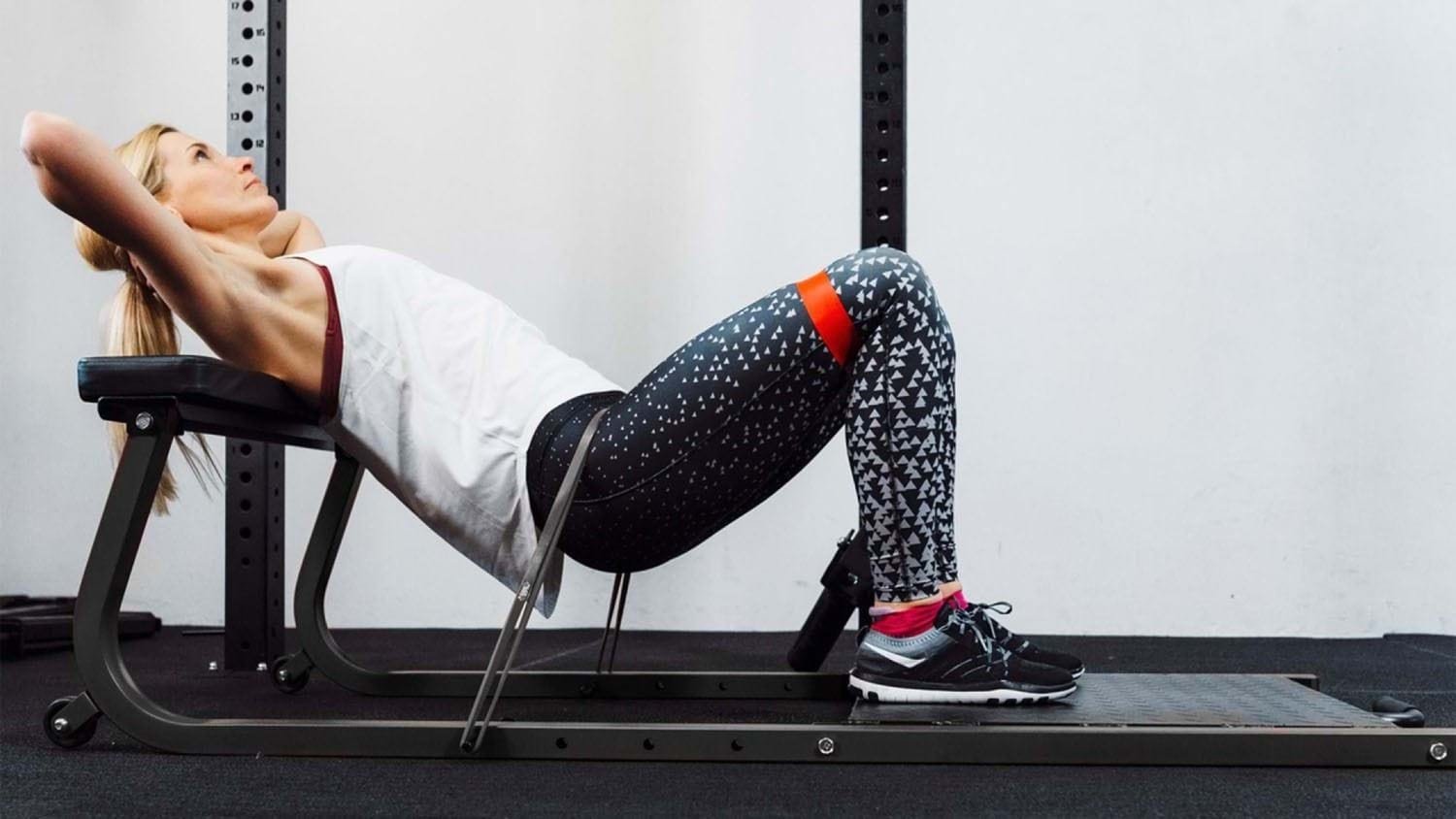
Think deadlifts, hip thrusts, glute bridges, and kickbacks. These moves build real strength and power, not just muscle size.
In this list, I'll walk you through various hip dominant exercises you can add to your training. Each one builds glute strength, boosts power, and keeps your lower body balanced and injury free.
What Are Hip Dominant Exercises?

Hip dominant exercises are moves that start at your hips, not your knees. You bend forward at the hips and push them back, then drive them forward to stand tall. This motion is called a hip hinge.
These exercises work your glutes the most. They also train your hamstrings, lower back, and core. Your core stays tight to keep your spine safe. Your lower back helps you hold good posture through the move.
The hip hinge matters because it builds strength in a safe way. It teaches you to lift with your hips, not your spine. This protects your back and builds more power.
Once you learn this pattern, you'll move better in the gym and in daily life.
Beginner-Friendly Hip Dominant Exercises
These exercises are a great place to start. They teach you the hip hinge pattern without heavy weight or tricky balance work. Master these first, and everything else gets easier.
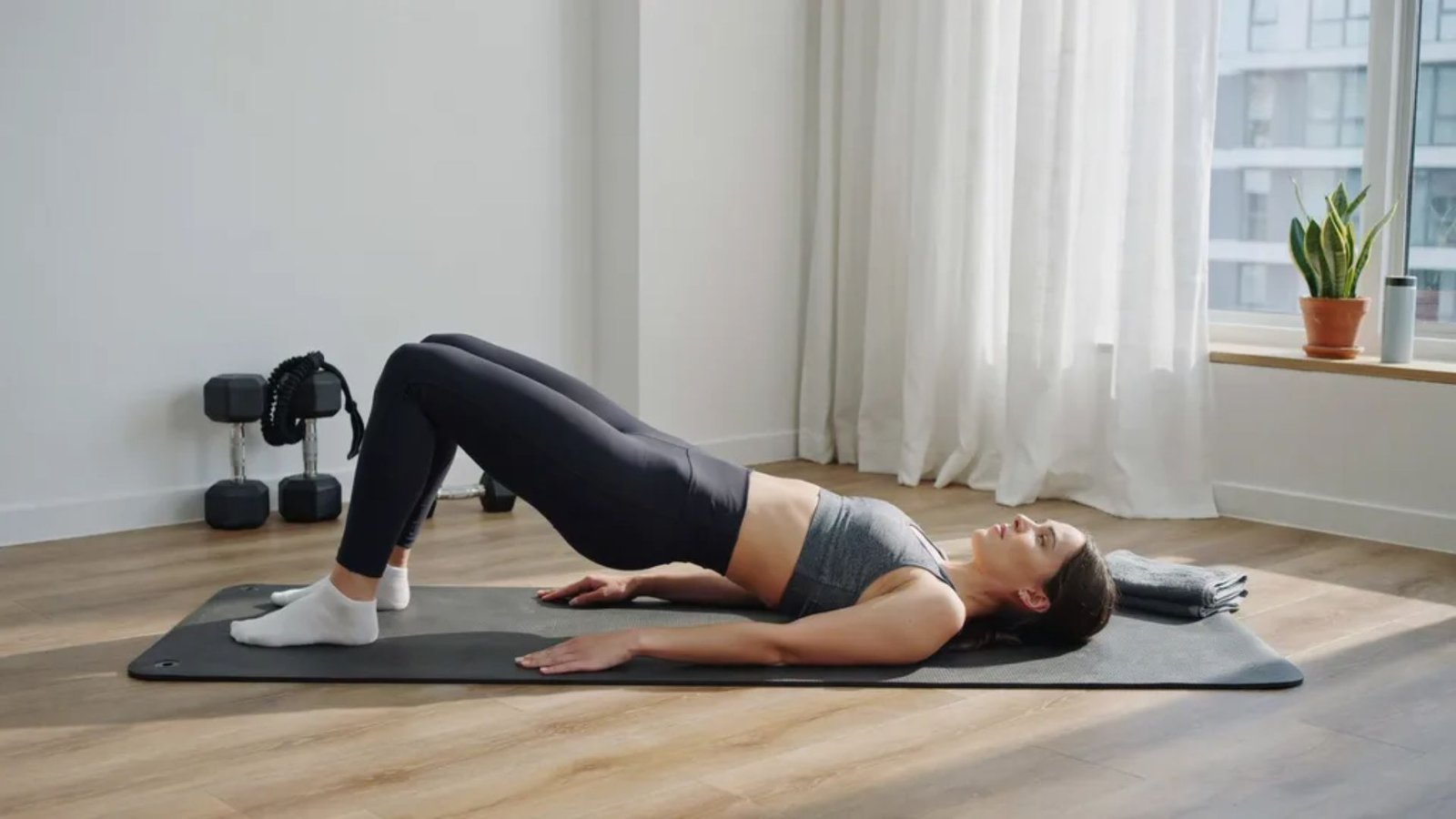
1. Glute Bridge
How to do it:
- Lie on your back with bent knees and your feet flat on the floor, close to your hips.
- Press your arms into the floor alongside your body.
- Push through your heels and lift your hips up as high as you can.
- Squeeze your glutes hard at the top.
- Hold this position for 2-3 seconds.
- Lower back down with control. Do 10-15 reps.
Why we like it: It teaches your body how to fire the glutes without any equipment. It's simple and safe for almost anyone.
Safety tip: Don't arch your lower back. Keep your ribs down and squeeze your abs at the top.
2. Dumbbell Romanian Deadlift

How to do it:
- Stand tall holding a dumbbell in each hand in front of your thighs.
- Keep a slight bend in your knees.
- Push your hips back and lower the weights along your legs.
- Stop when you feel a stretch in your hamstrings.
- Squeeze your glutes and drive your hips forward to stand back up. Do 10-12 reps.
Why we like it: It builds hamstring and glute strength while teaching a smooth hip hinge with light, easy-to-control weight.
Safety tip: Keep the dumbbells close to your legs the whole time. Don't round your back.
3. Cable Pull-Through
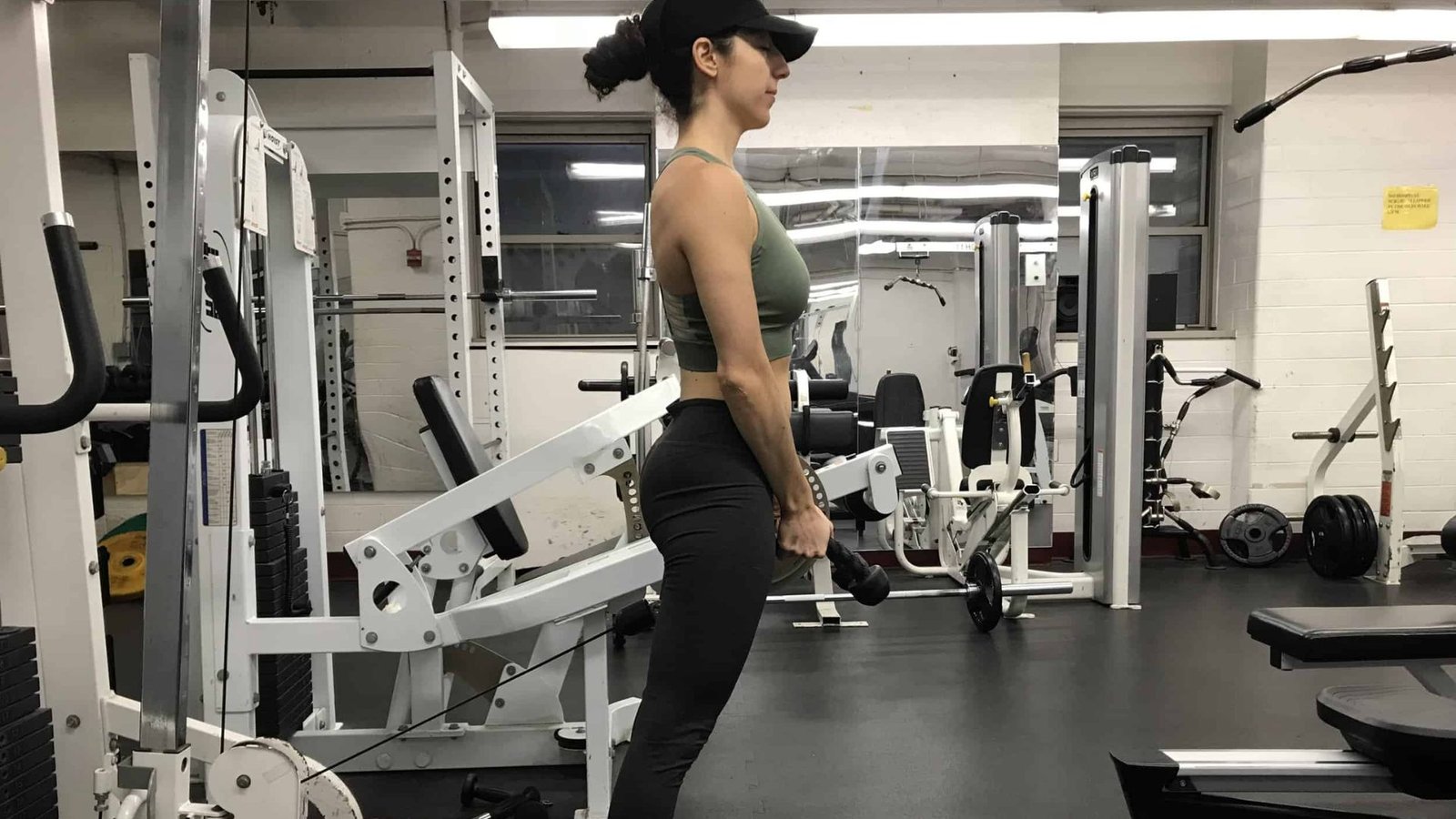
How to do it:
- Stand facing away from a low cable, rope between your legs.
- Walk forward until there's tension on the cable.
- Hinge at your hips and let the rope pull back between your legs.
- Keep your back flat as you lower down.
- Drive your hips forward hard to pull the rope through. Do 12-15 reps.
Why we like it: The cable keeps tension on your glutes the entire time. It's forgiving on your spine, which makes it great for learning.
Safety tip: Keep your back flat. Let your hips do the work, not your arms.
4. Hip Thrust
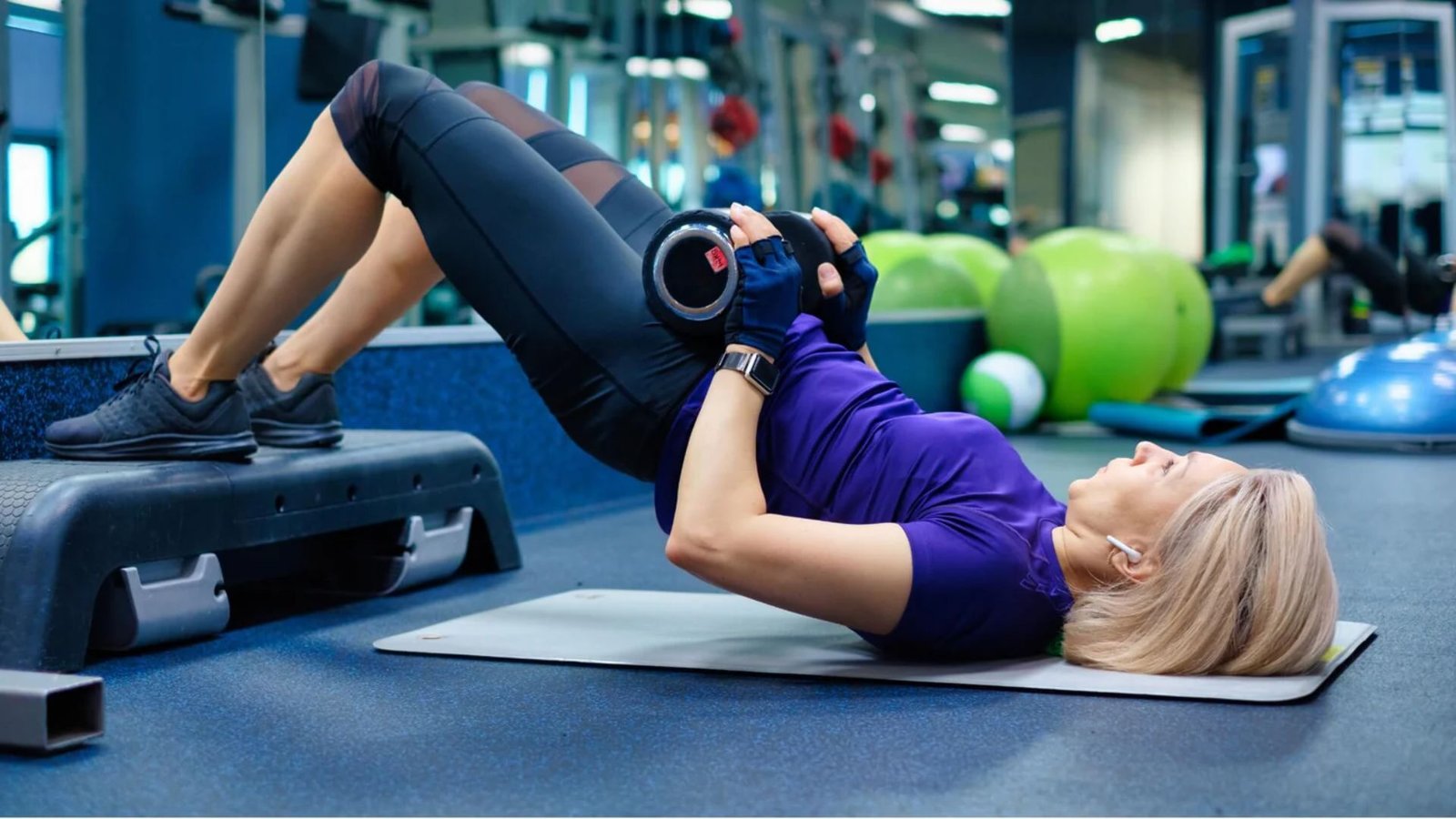
How to do it:
- Sit on the floor with your upper back against a bench.
- Roll a barbell over your hips and hold it steady.
- Plant your feet flat, close to your hips.
- Drive through your heels and push your hips up high.
- Squeeze your glutes at the top, then lower back down. Do 10-12 reps.
Why we like it: It targets the glutes better than almost any other move. You can also add weight as you get stronger.
Safety tip: Tuck your chin slightly and avoid overextending your lower back at the top.
Disclaimer: If you're new to strength training or still learning the hip hinge movement, start with these exercises. They are easier to learn, help build proper technique, and reduce the risk of injury. Once you're comfortable with these, gradually move on to intermediate and advanced variations.
Intermediate Hip Dominant Exercises
Once you know the hip hinge well, these exercises add more load and more skill. They ask for better balance, control, and body awareness.
5. Sumo Deadlift

How to do it:
- Stand with your feet wider than shoulder-width, toes turned out slightly.
- Grip the bar with your hands inside your knees.
- Brace your core and keep your chest up.
- Push through your feet and drive your hips forward to lift the bar.
- Stand tall at the top, then lower back down with control. Do 6-8 reps.
Why we like it: The wide stance shortens the range of motion and puts more focus on your glutes and inner thighs. It's easier on your lower back than a conventional deadlift for many lifters.
Safety tip: Keep your knees pushed out in line with your toes. Don't let them cave inward as you lift.
6. Conventional Deadlift
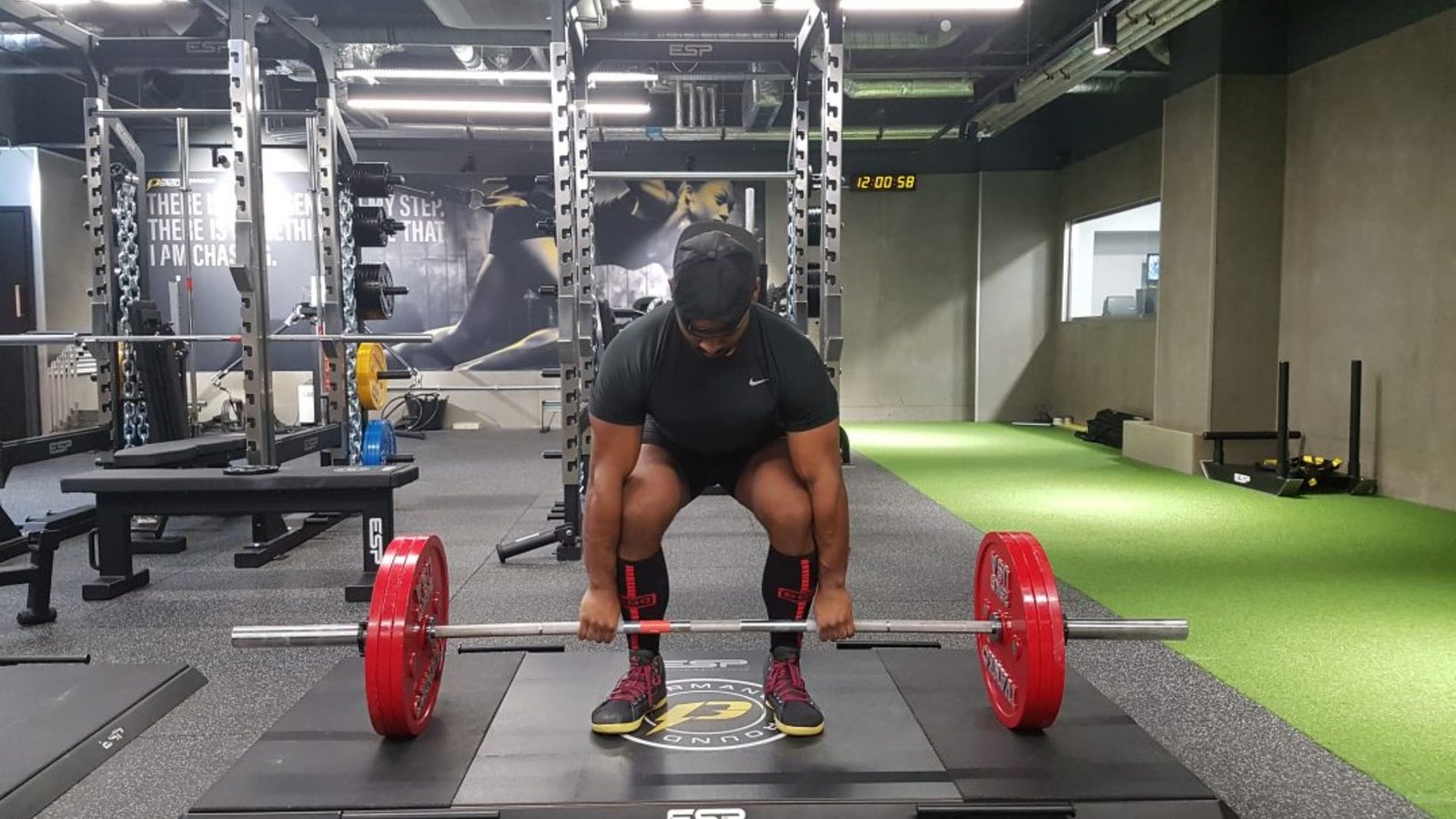
How to do it:
- Stand with feet hip-width apart, bar over your midfoot.
- Bend down and grip the bar just outside your knees.
- Brace your core and flatten your back.
- Drive through your feet and push your hips forward to stand.
- Lock out at the top, then lower the bar back down. Do 5-8 reps.
Why we like it: It works your whole posterior chain at once. Few exercises build as much total strength.
Safety tip: Keep the bar close to your shins. Brace your core before you pull.
7. Good Morning
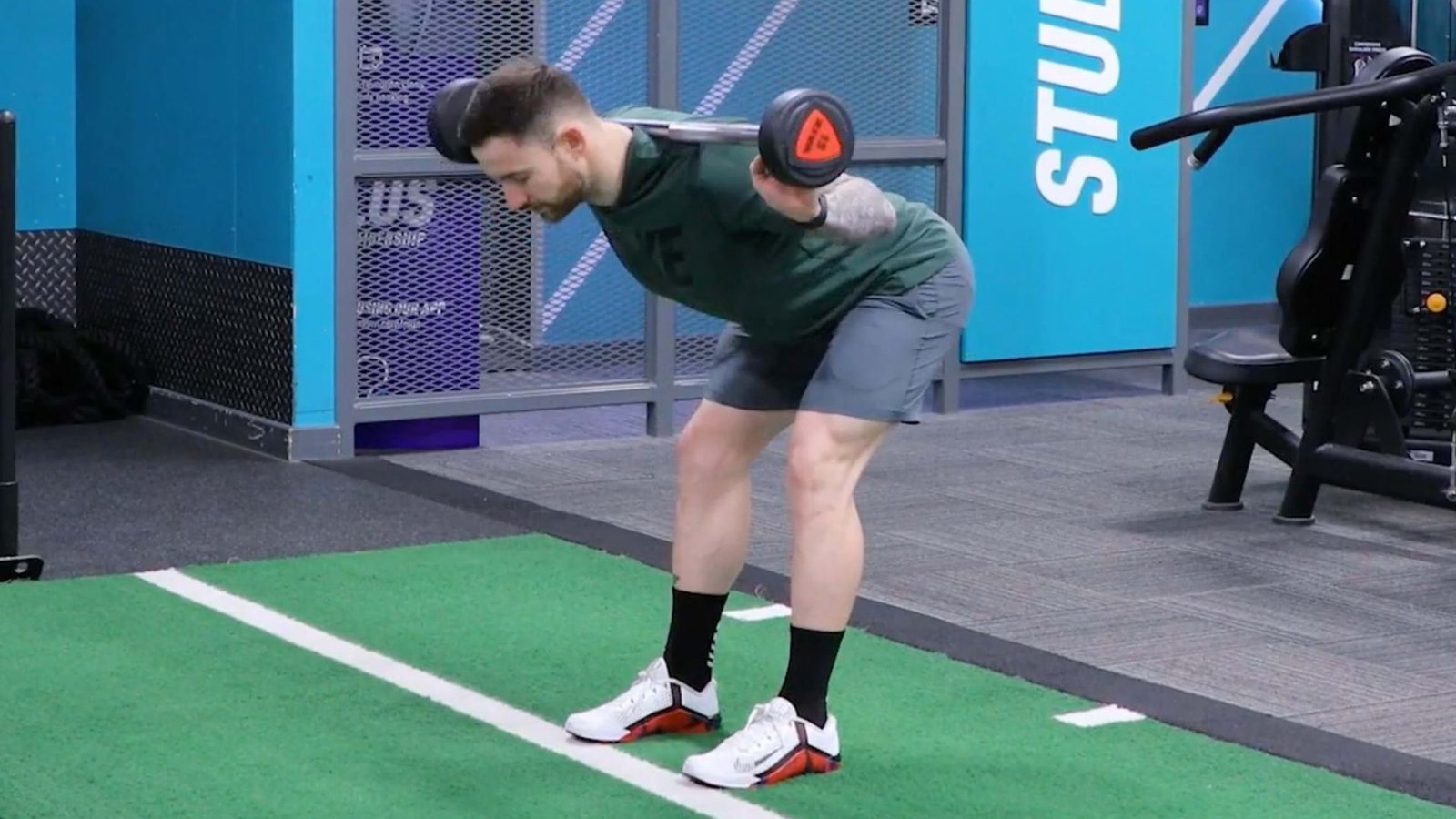
How to do it:
- Rest a barbell on your upper back, not your neck.
- Stand with feet shoulder-width apart.
- Push your hips back and lower your chest forward.
- Keep your knees soft and your back flat.
- Squeeze your glutes to return to standing. Do 10-12 reps.
Why we like it: It builds strong hamstrings and a strong lower back. It also improves your hip hinge under load.
Safety tip: Use light weight at first. Never round your back during this move.
8. Kettlebell Swing
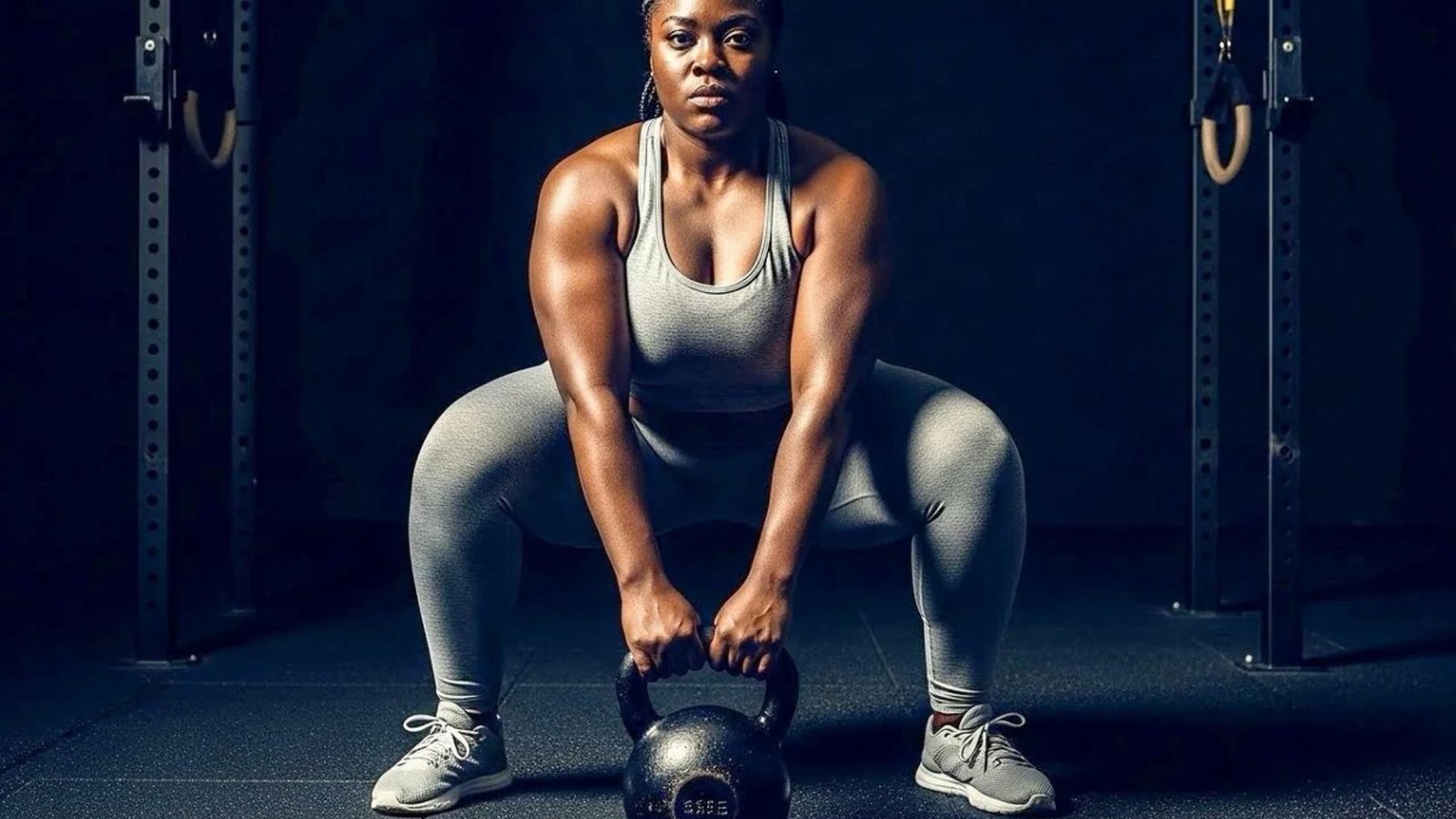
How to do it:
- Stand with feet shoulder-width apart, kettlebell on the floor in front of you.
- Hinge at your hips and grab the kettlebell with both hands.
- Swing it back between your legs.
- Snap your hips forward hard to swing it up to chest height.
- Let it swing back down and repeat. Do 15-20 reps.
Why we like it: It builds power and speed, not just strength. It also gets your heart rate up fast.
Safety tip: The power should come from your hips, not your arms or shoulders.
9. Single-Leg Romanian Deadlift
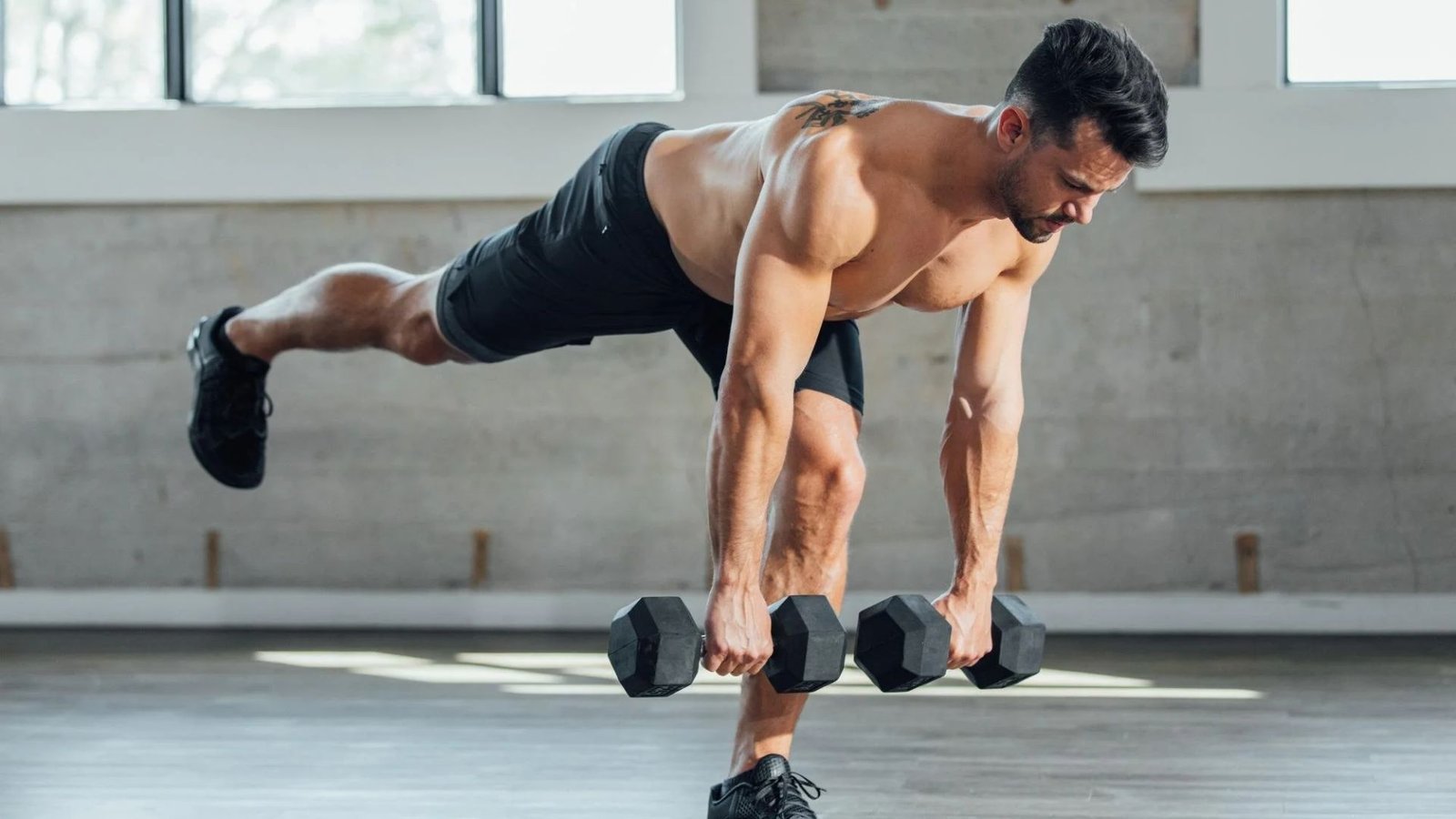
How to do it:
- Stand on one leg, holding a dumbbell in the opposite hand.
- Keep a slight bend in your standing knee.
- Hinge forward as your other leg lifts straight behind you.
- Lower until your body is nearly flat, keeping your hips level.
- Squeeze your glute to return to standing. Do 8-10 reps per side.
Why we like it: It builds balance and fixes strength gaps between your left and right sides.
Safety tip: Move slowly. Keep your hips level and avoid twisting your torso.
Advanced Hip Dominant Exercises
These moves ask more of your body. They need solid hip hinge form, good balance, and the ability to handle heavier loads or harder positions.
10. Deficit Deadlift
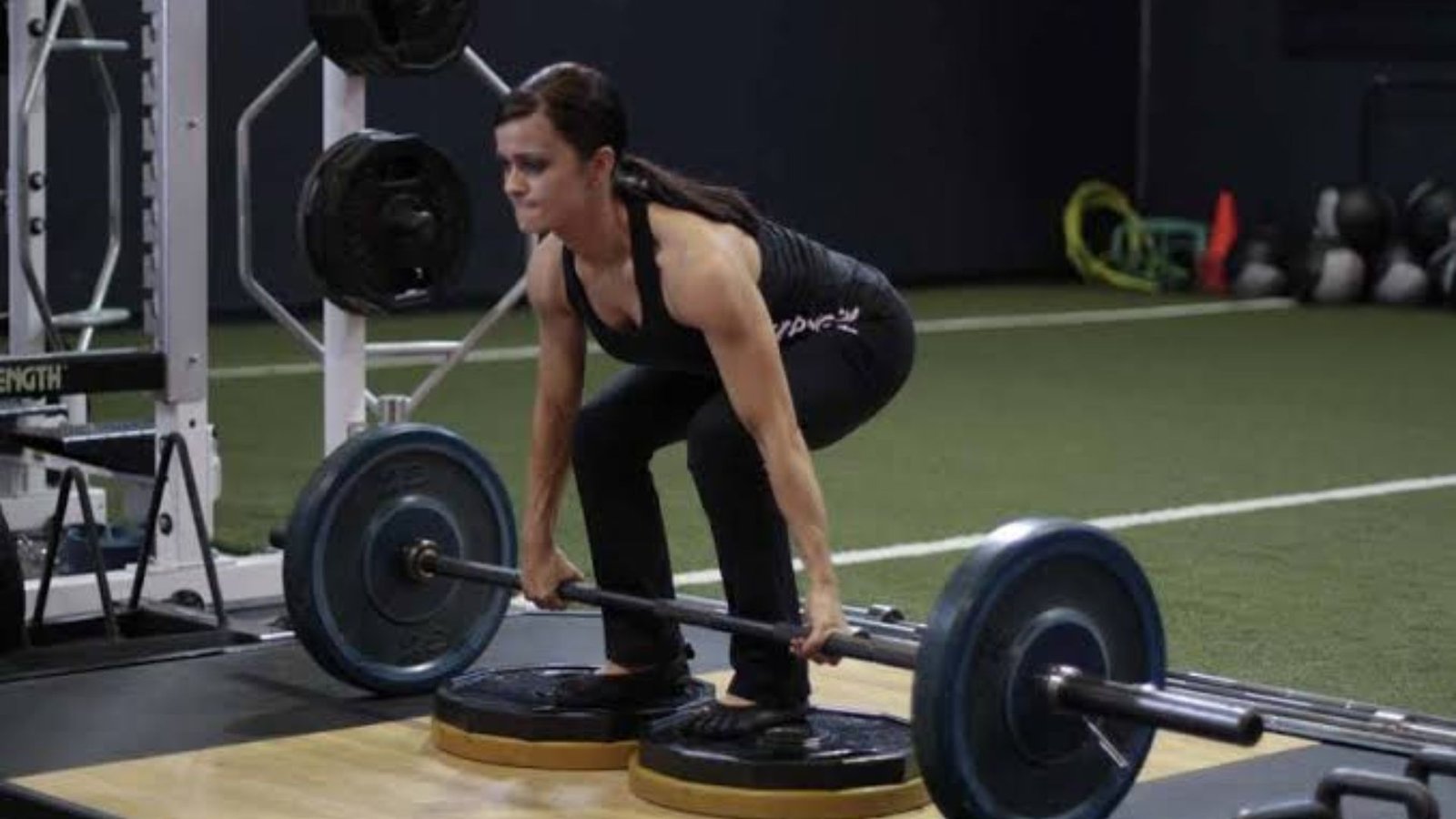
How to do it:
- Stand on a small platform, one to two inches high.
- Set your feet hip-width apart with the bar over your midfoot.
- Bend down and grip the bar, bracing your core.
- Drive through your feet and push your hips forward to stand.
- Lower the bar back down with control. Do 5-8 reps.
Why we like it: The extra range builds more strength and flexibility in your hips and hamstrings.
Safety tip: Keep the platform low. A deep deficit can pull you out of good form.
11. Reverse Hyperextension
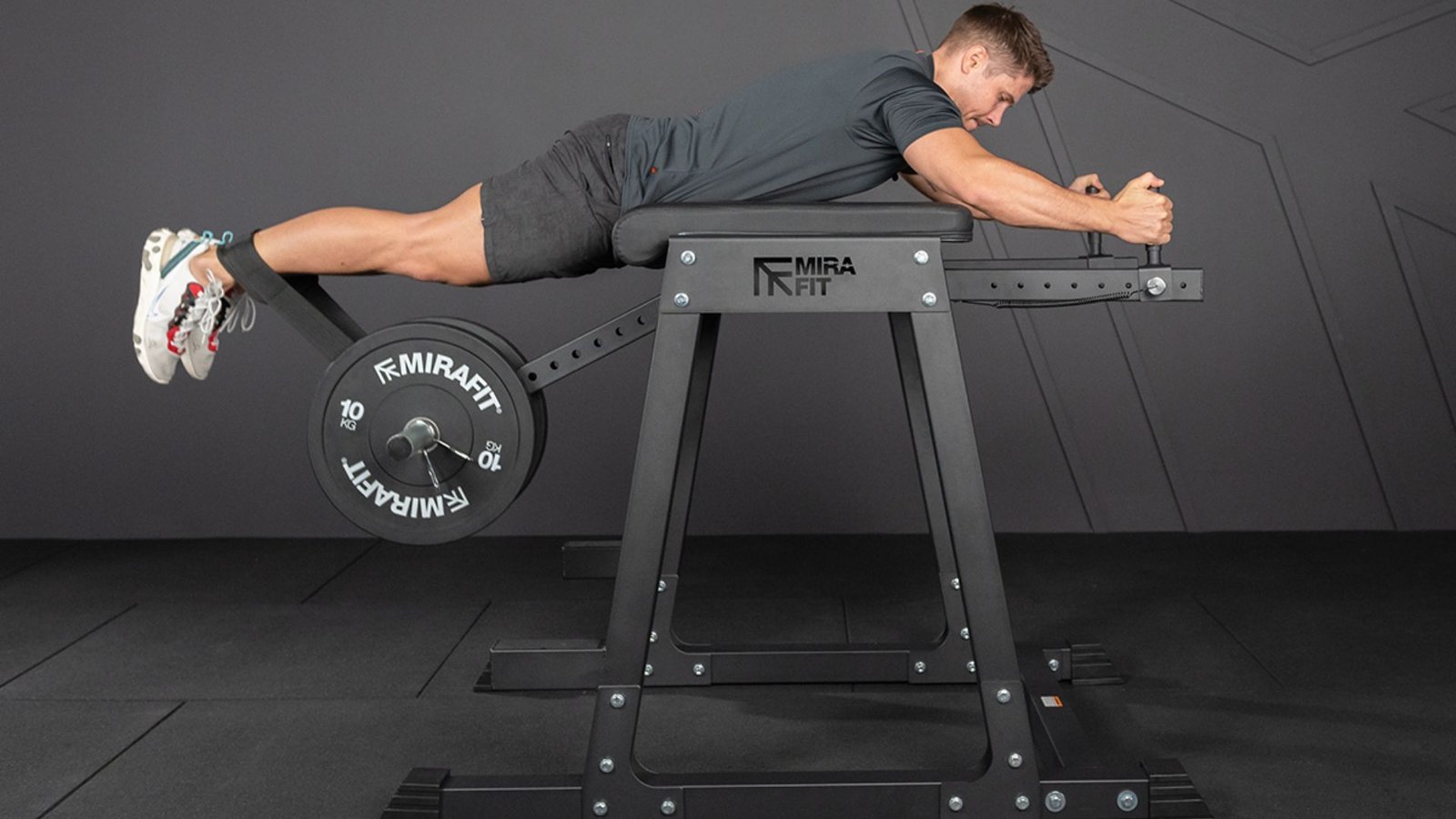
How to do it:
- Lie face down on a bench or machine, hips at the edge.
- Let your legs hang straight down toward the floor.
- Squeeze your glutes and lift your legs up until they're in line with your torso.
- Hold for a second at the top.
- Lower back down with control. Do 12-15 reps.
Why we like it: It strengthens your lower back and glutes without loading your spine. It's easy on tired joints.
Safety tip: Don't swing your legs. Use a slow, controlled motion each time.
12. Nordic Hamstring Curl
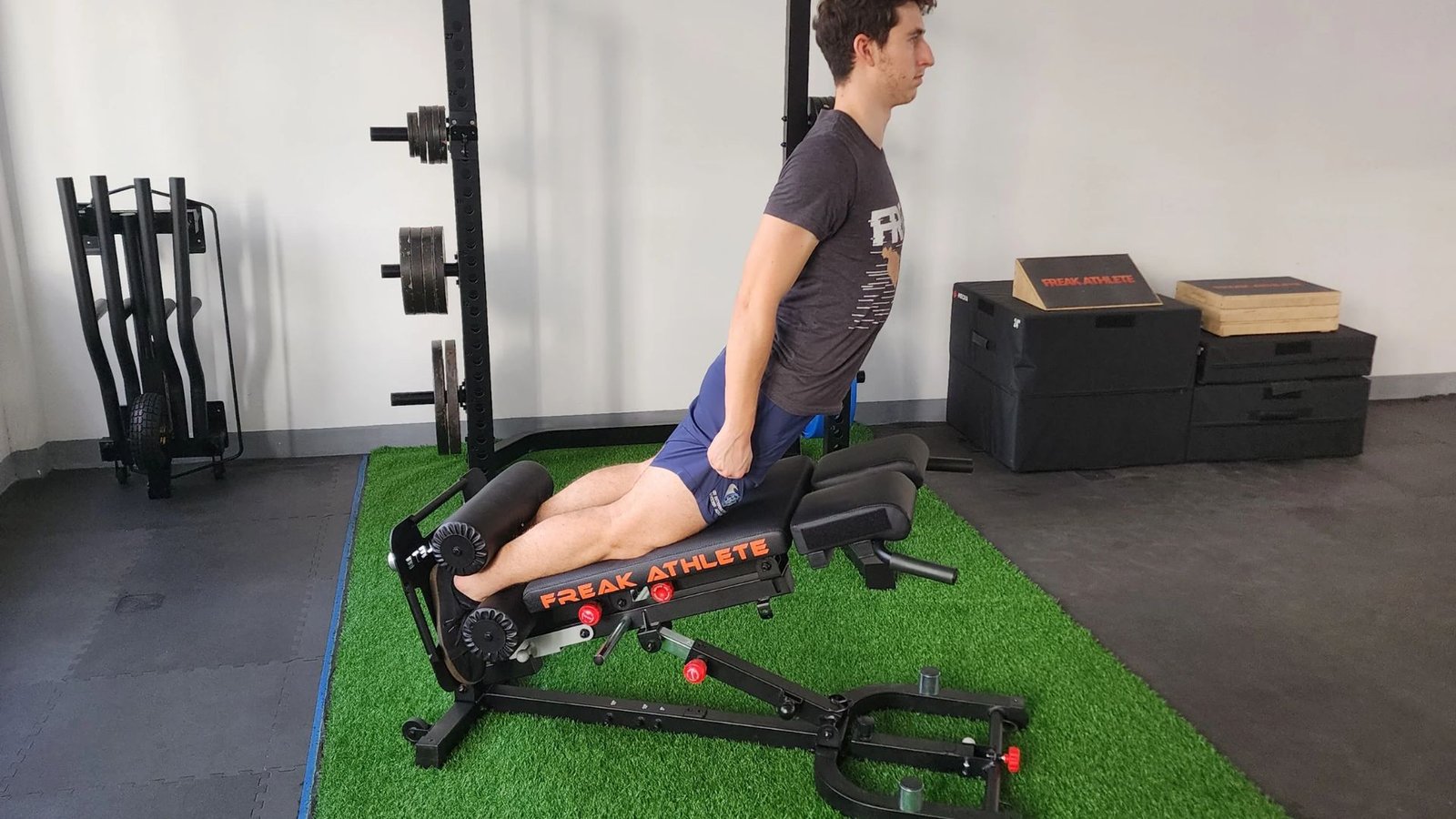
How to do it:
- Kneel on a soft surface with your ankles locked under a pad or held by a partner.
- Keep your body straight from your knees to your head.
- Slowly lower your body forward toward the floor.
- Use your hamstrings to control the drop as long as you can.
- Catch yourself with your hands, then push back up. Do 5-8 reps.
Why we like it: It builds serious hamstring strength and helps prevent hamstring injuries.
Safety tip: Start with small range of motion. This move is harder than it looks.
13. Back Extension (45° or GHD)
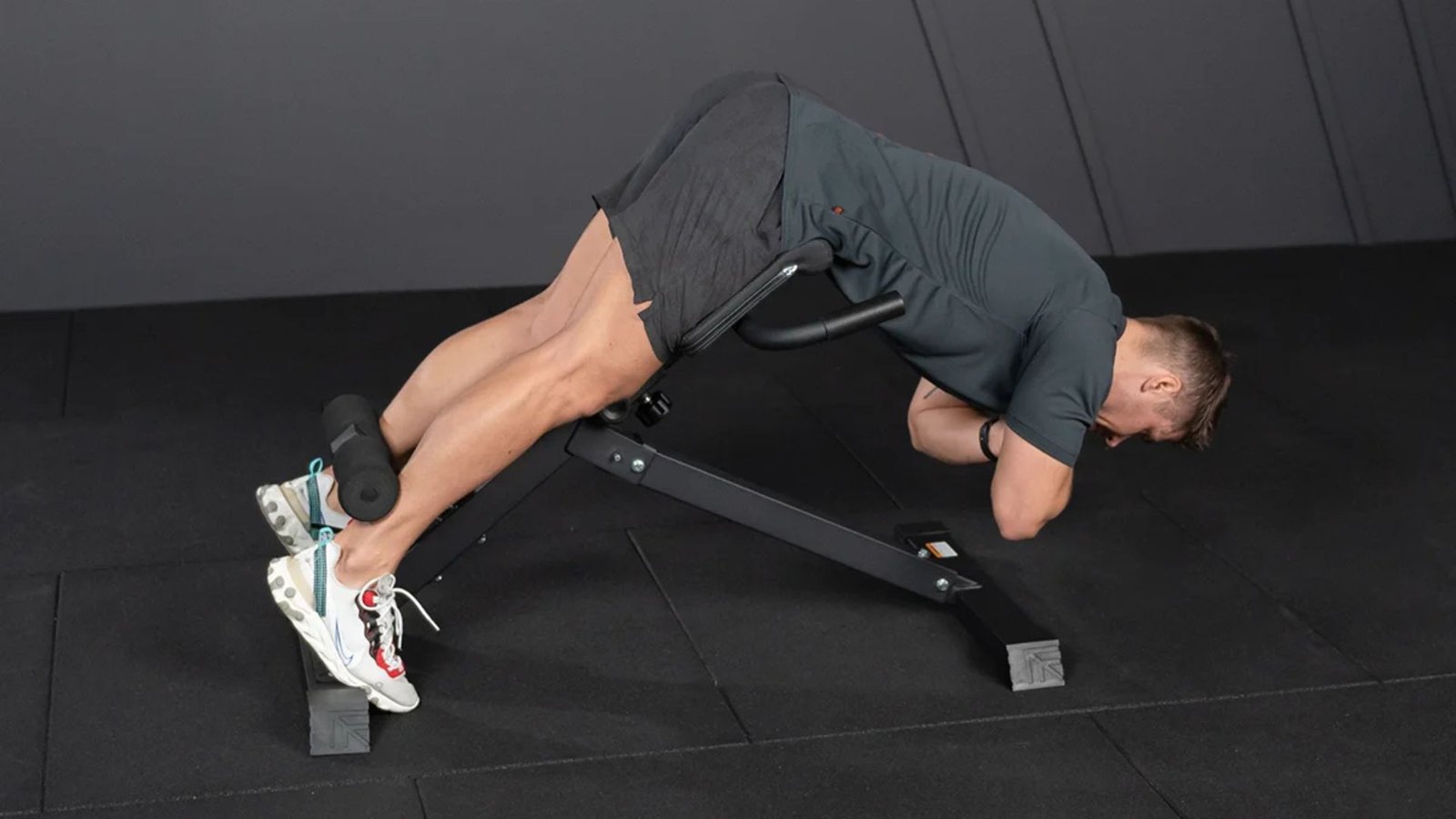
How to do it:
- Position your hips on the pad with your feet locked in behind you.
- Cross your arms over your chest or hold light weight.
- Lower your upper body down toward the floor.
- Squeeze your glutes and hamstrings to raise back up.
- Stop when your body forms a straight line. Do 12-15 reps.
Why we like it: It builds strong glutes, hamstrings, and a strong lower back all in one move.
Safety tip: Avoid hyperextending at the top. Rise until your body is in a straight line.
Note: These exercises require good hip hinge mechanics, balance, or heavier loading. If you still struggle to keep a neutral spine or control the movement, master the beginner and intermediate exercises first.
Benefits of Hip Dominant Exercises
Training your hips pays off in more than one way. These exercises build strength you can see and feel, both in the gym and in daily life. Below's a quick look at what you gain.
| Benefit | Why It Matters |
| Stronger glutes | Improves power and posture |
| Bigger hamstrings | Supports knee health |
| Better athletic performance | Jump, sprint, and lift better |
| Reduced lower back stress | Better movement mechanics |
| Improved balance | Especially with single-leg exercises |
How to Know You're Doing Hip Dominant Exercises Correctly
Good form makes these exercises safe and effective. Bad form can lead to strain or injury. Below's how to check your technique.
Signs your form is right
- You feel your glutes working
- Hamstrings tighten during the lowering phase
- Neutral spine throughout the movement
- Weight stays close to your body
- Hips move backward first
Signs you need to fix your form
- Knees bend too much
- Lower back feels strained
- Weight shifts onto your toes
- You mostly feel your quads
If you notice the second list more than the first, slow down. Practice the movement with no weight. Focus on pushing your hips back before you bend your knees. Your form will improve fast with practice.
Common Mistakes That Limit Your Results
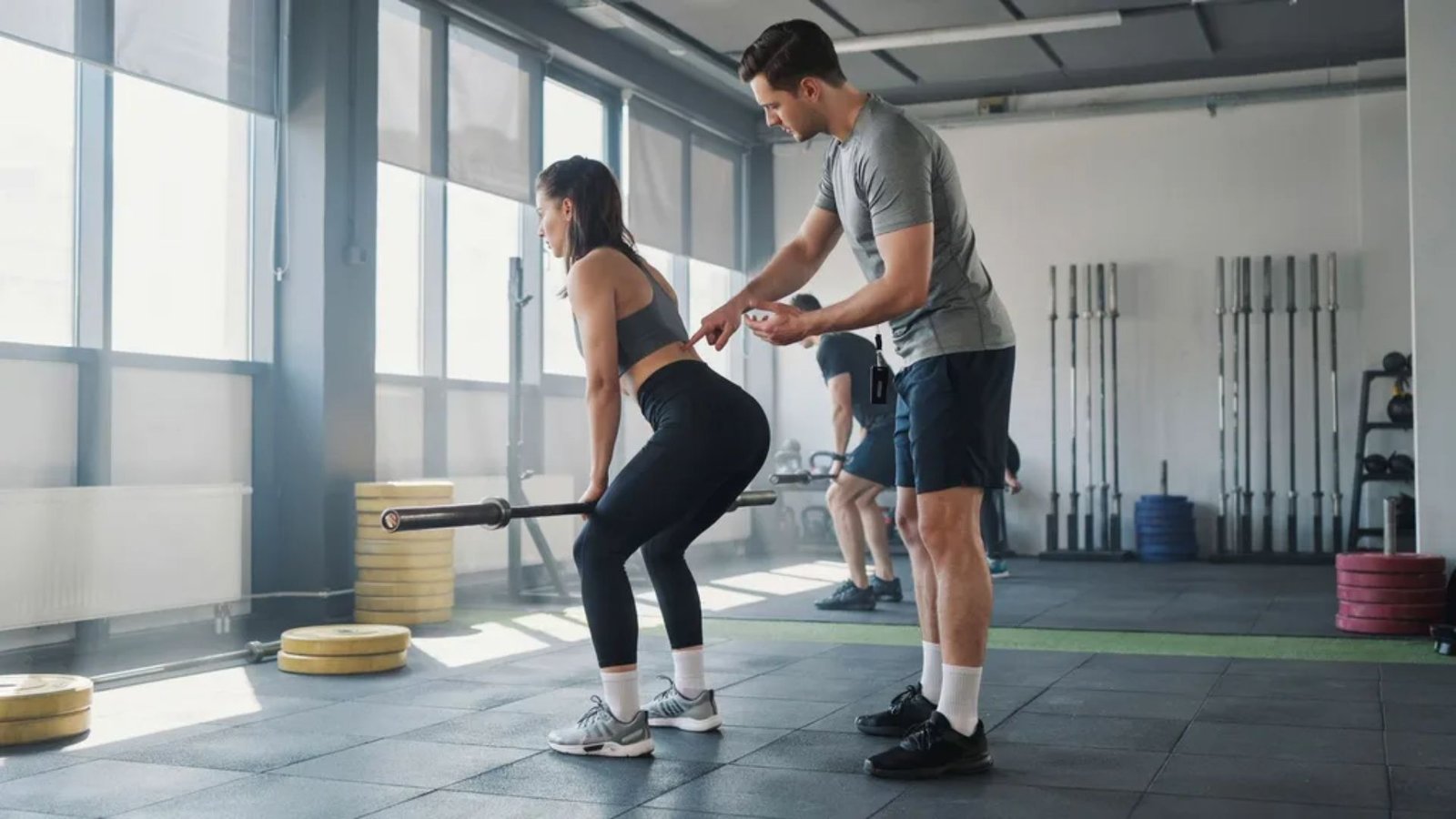
Small form errors can stop you from building strength. Many lifters bend their knees too much and turn a hip hinge into a squat, which shifts the work away from your glutes and hamstrings.
Others round their lower back under load, raising injury risk fast.Adding heavy weight before your form is solid is another common trap, and skipping a warm-up leaves your hips stiff and unprepared.
Some lifters forget to squeeze their glutes at the top of each rep, which cuts the benefit short.
Swinging your body to move the weight, instead of using muscle control, makes the exercise far less effective. Fixing these small errors will speed up your results.
Worst Exercises for Hip Dominant Training
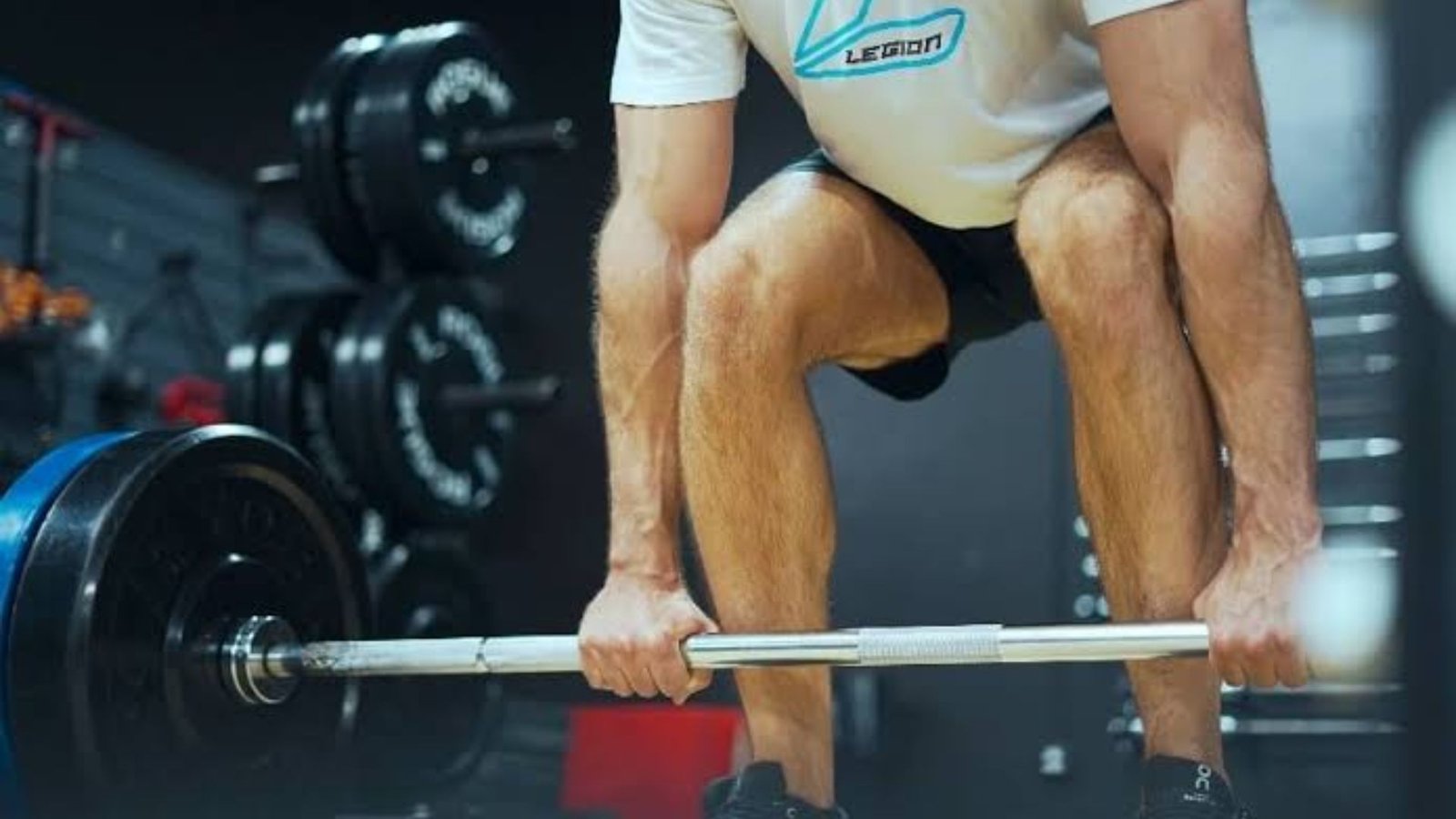
Not every leg exercise builds your glutes and hamstrings well. Some moves put most of the work on your quads instead. Knowing the difference helps you pick better exercises.
Leg extensions mostly train your quads and barely touch your hips. Leg press with a high foot position does the same thing. Walking lunges with a short stride shift the work to your knees, not your hips.
Standing calf raises train your lower legs, not your posterior chain at all. Front squats with an upright torso also lean heavily on your quads. None of these are bad exercises, but they won't build hip strength.
If your goal is strong glutes and hamstrings, stick to hinge-based moves like deadlifts, hip thrusts, and glute bridges instead.
How to Add Hip-Dominant Exercises to Your Weekly Routine
Below is a simple workout to help you start training your hips. Do these exercises in order, resting one to two minutes between sets. Adjust the weight so the last few reps feel hard but controlled.
| Exercise | Sets | Reps |
| Romanian Deadlift | 3 | 8–10 |
| Hip Thrust | 3 | 10–12 |
| Glute Bridge | 3 | 12–15 |
| Back Extension | 2 | 15 |
Weekly recommendation
- Beginners: 2 sessions
- Intermediate: 2–3 sessions
- Advanced: 3 sessions with varied intensity
Quick Tips to Ace the Exercises
A few small habits can make a big difference in your results. These tips will help you get more out of every session. Keep them in mind each time you train.
- Warm up your hips before you start
- Push your hips back before you bend your knees
- Keep the weight close to your body
- Squeeze your glutes hard at the top of each rep
- Keep your spine neutral, not rounded or arched
- Start light and build up slowly
- Film yourself to check your form
- Breathe out as you stand up from each rep
Conclusion
Hip dominant exercises changed how I train. Once I learned the hip hinge, my squats got stronger, my sprints got faster, and my nagging lower back pain finally eased.
From beginner moves like the glute bridge to advanced ones like the Nordic hamstring curl, each exercise builds stronger glutes, hamstrings, and lower back muscles. Good form matters more than heavy weight, so master the movement first.
Don't just read this list, use it. Pick two or three exercises today and add them to your next workout. Stay consistent and add weight slowly.
Start your first hip dominant workout now, and share your reviews with us in the comments below!
Frequently Asked Questions
What is the number one exercise for hips?
The hip thrust is often considered the top exercise for building strong glutes and improving hip strength.
What does it mean to be hip dominant?
Being hip dominant means an exercise mainly uses your glutes, hamstrings, and hips rather than your quads to create movement.
What is the 8-8-8 rule for glutes?
The 8-8-8 rule is a glute workout method where you perform three glute exercises for 8 reps each with little or no rest between them.
How do you become hip dominant?
Practice proper hip hinge form and regularly include exercises like Romanian deadlifts, hip thrusts, glute bridges, and kettlebell swings in your workouts.