If you want a stronger chest, better pressing power, and balanced upper-body strength, choosing the right horizontal push exercises can make a big difference.
These movements train your chest, shoulders, and triceps while helping you improve strength, muscle growth, and everyday pushing ability.
With so many exercise options available, it can be hard to know which ones are worth your time. This guide breaks everything down in a simple way.
You'll learn the best horizontal push exercises, the muscles they target, common mistakes to avoid, and practical training tips to get better results.
What Are Horizontal Push Exercises?
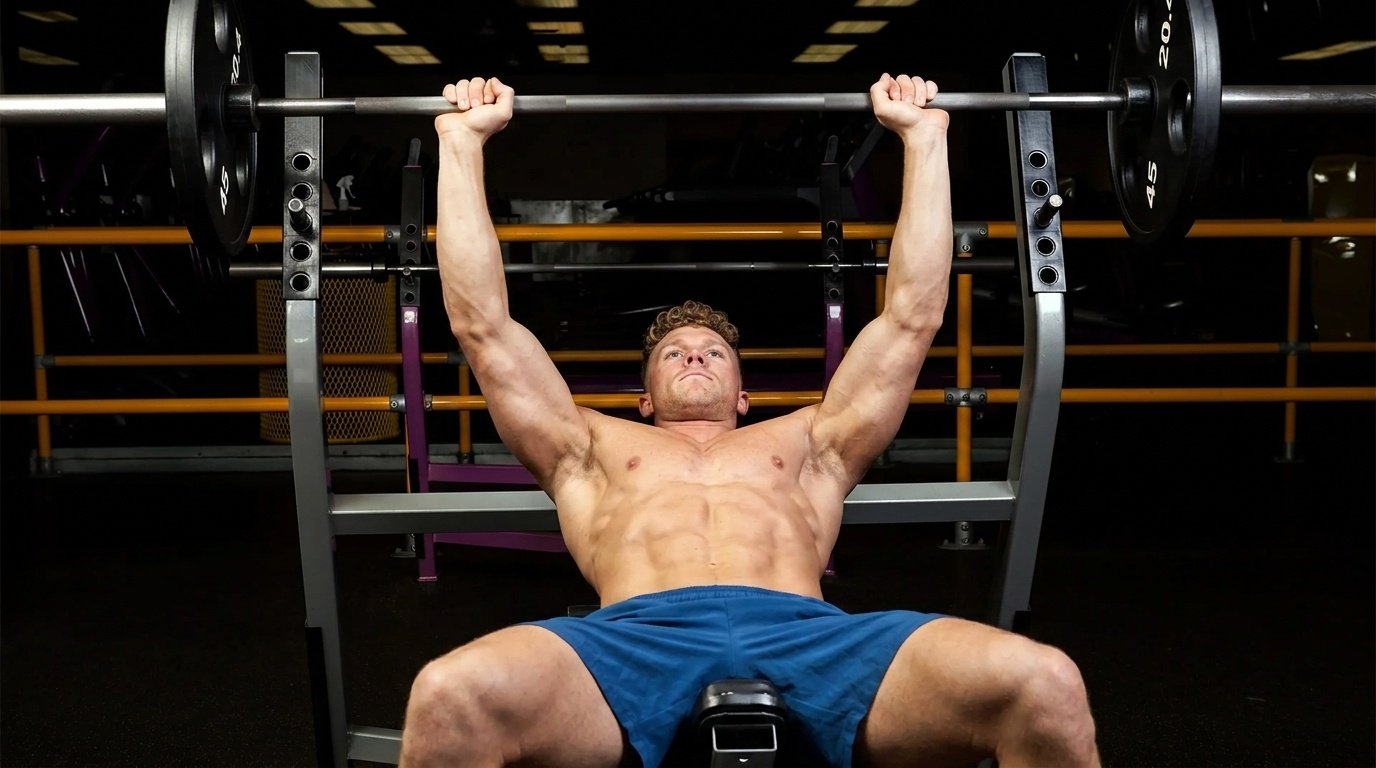
Horizontal push exercises are upper-body movements where you push a weight or your body away from your chest in a straight, forward direction.
Unlike vertical push exercises, which involve pressing overhead, these movements focus on pushing in front of your body. They mainly work the chest, front shoulders, and triceps while also engaging your core and upper back for stability.
Popular examples include the bench press, push-ups, dumbbell chest press, and cable chest press. Adding horizontal push exercises to your workout helps build pressing strength, improve muscle balance, and support better performance in sports and everyday activities.
They are a key part of any well-rounded strength training program for beginners and experienced lifters alike.
Muscles Worked During Horizontal Push Exercises
Horizontal push exercises mainly strengthen your chest, shoulders, and triceps, but they also recruit several supporting muscles to improve stability and control.
- Pectoralis Major: The primary chest muscle responsible for pushing the weight away from your body. It produces most of the force during presses and push-ups.
- Anterior Deltoids: The front part of the shoulder assists the chest during pressing movements and helps move your arms forward with control.
- Triceps Brachii: Located at the back of the upper arm, the triceps straighten the elbows and provide the final pushing force during each repetition.
- Serratus Anterior: This muscle supports smooth shoulder blade movement and helps keep the shoulders stable while pressing.
- Rotator Cuff: A group of small shoulder muscles that stabilize the shoulder joint and help maintain safe movement during pressing exercises.
- Core Stabilizers: The abdominal and lower back muscles keep your torso steady, improve balance, and help transfer force efficiently throughout the movement.
- Upper Back Muscles: Muscles such as the rhomboids and trapezius provide stability by keeping the shoulder blades in a strong, supported position during each press.
Training all of these muscles together helps improve strength, build muscle evenly, and support better performance during both workouts and everyday activities.
11 Best Horizontal Push Exercises for Strength and Muscle Growth
The best horizontal push exercises combine compound and isolation movements to build chest strength, improve pressing power, and develop balanced upper-body muscles.
1. Barbell Bench Press
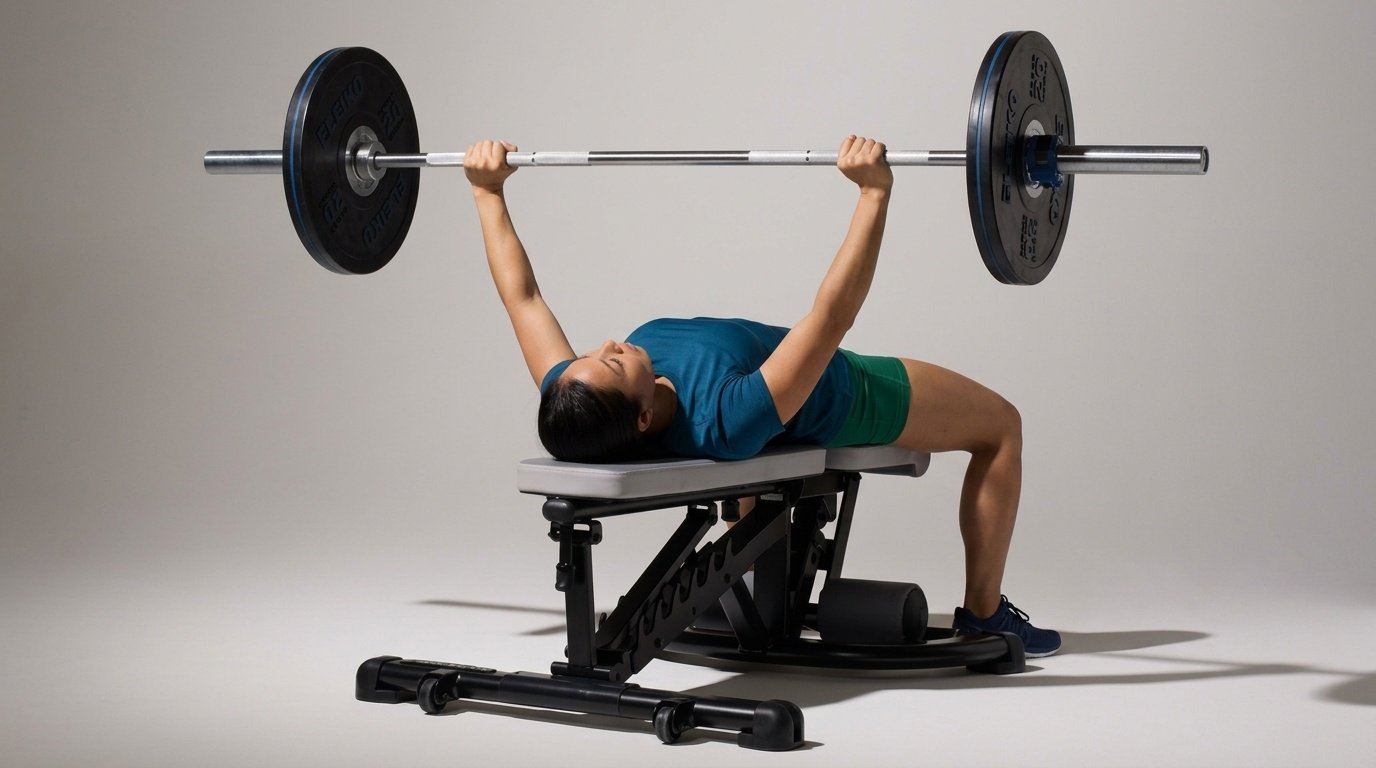
The barbell bench press is one of the best exercises for building upper-body strength. It mainly targets the chest while also working the shoulders and triceps.
Since both arms move together, you can lift heavier weights and improve overall pressing power. Keep your feet firmly on the floor, maintain a slight arch in your back, and lower the bar under control for the best results.
2. Dumbbell Bench Press
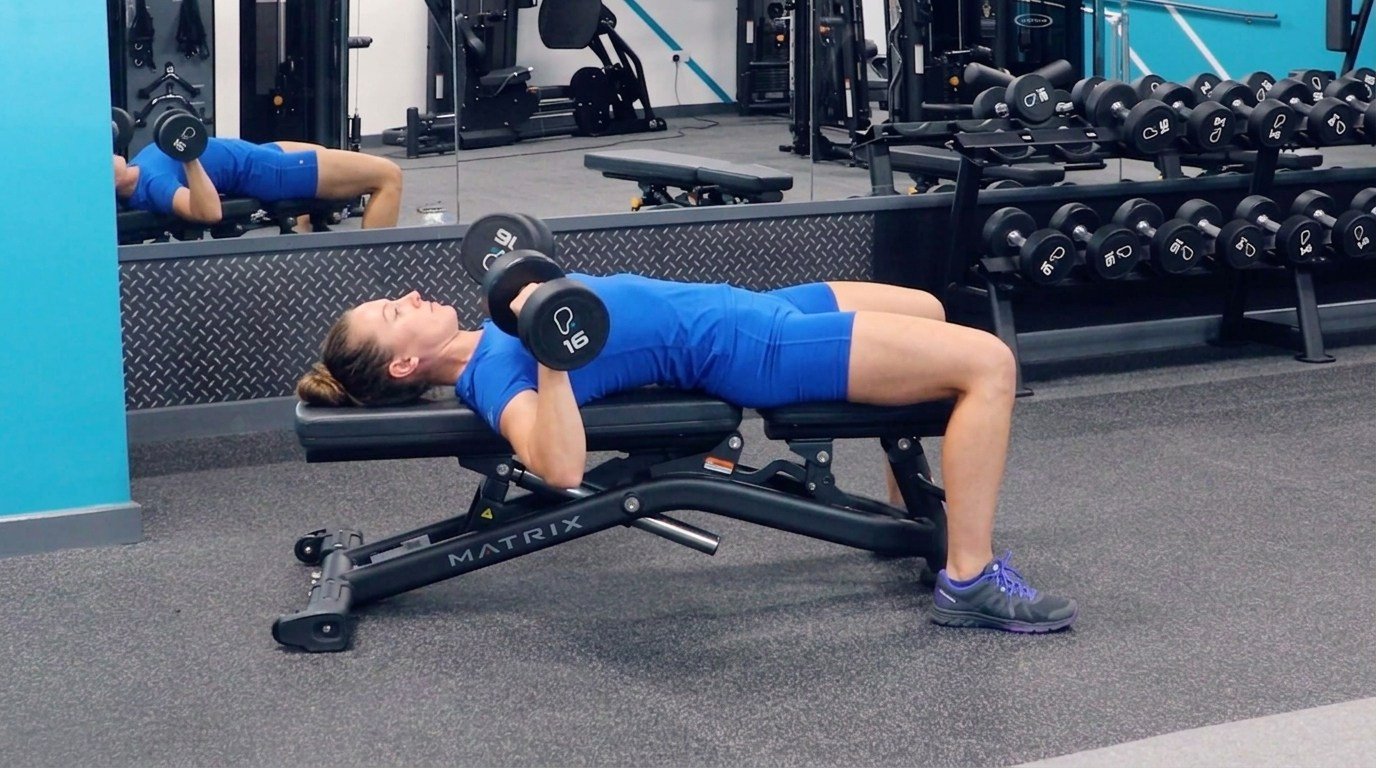
The dumbbell bench press offers a greater range of motion than the barbell version, helping improve muscle activation and flexibility. Since each arm works independently, it also corrects strength imbalances between sides.
Lower the dumbbells slowly until your elbows are slightly below the bench, then press them back up while keeping your wrists straight and movements controlled.
3. Push-Up
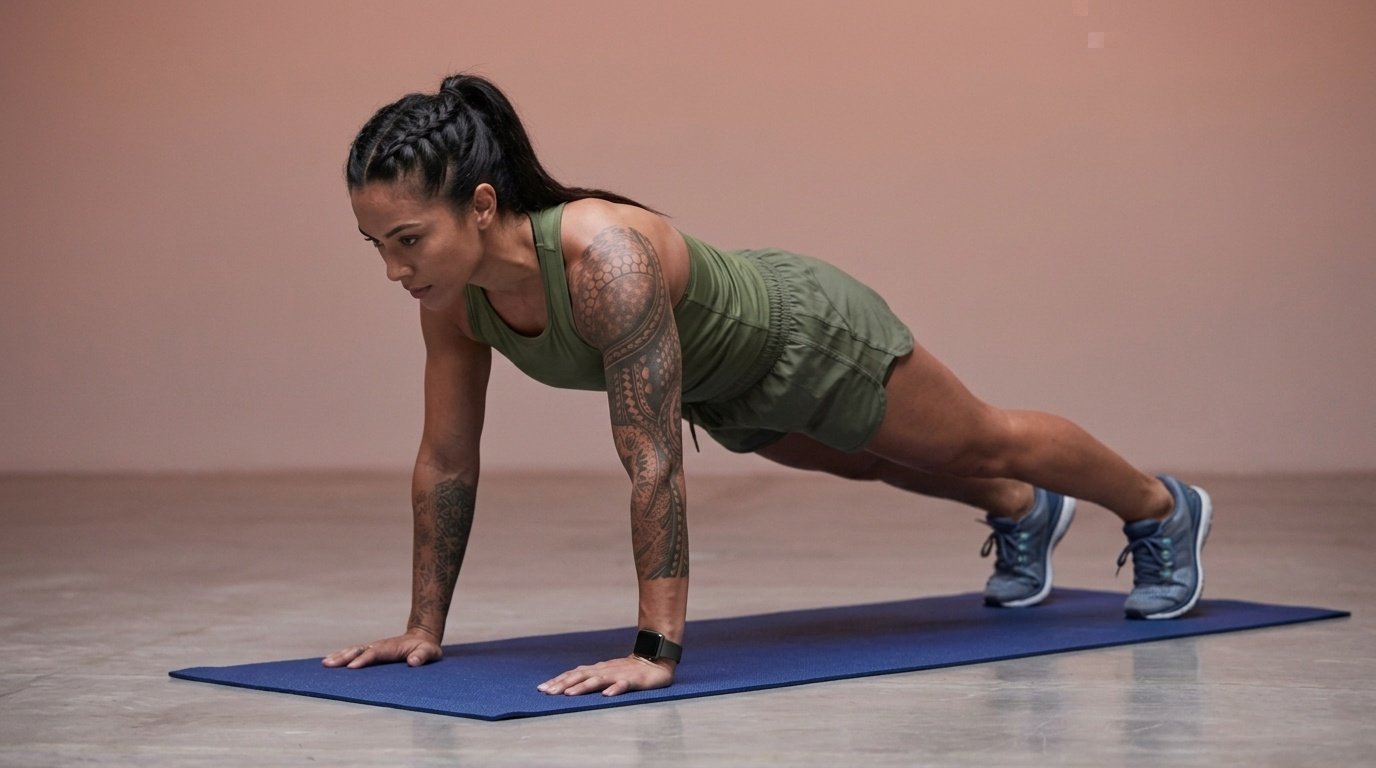
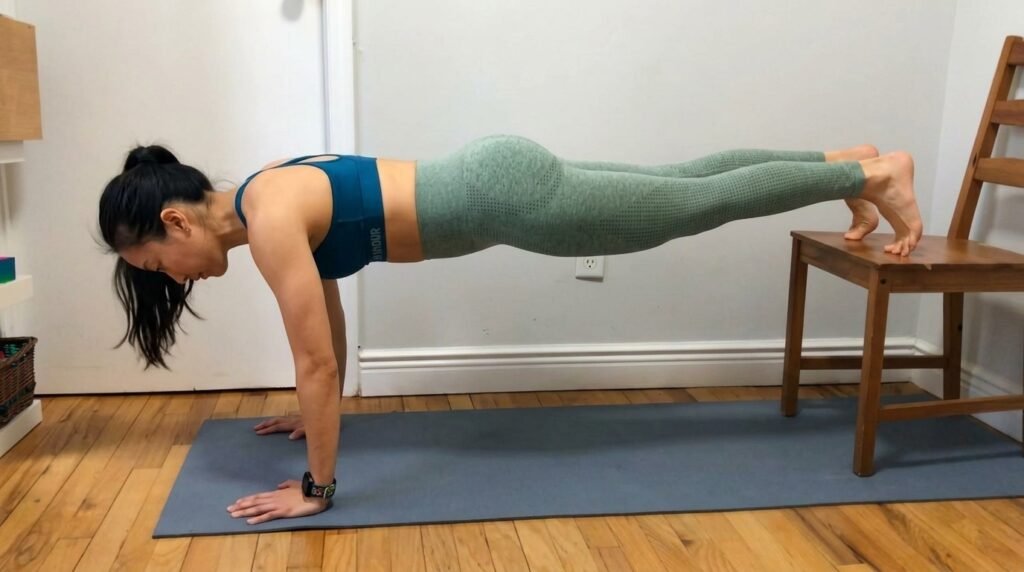
Push-ups are one of the most effective bodyweight horizontal push exercises for beginners and experienced lifters alike. They strengthen the chest, shoulders, triceps, and core without requiring any equipment.
Beginners can start with incline push-ups, while advanced lifters can progress to decline or weighted variations. Keep your body in a straight line and avoid letting your hips sag.
4. Incline Dumbbell Press
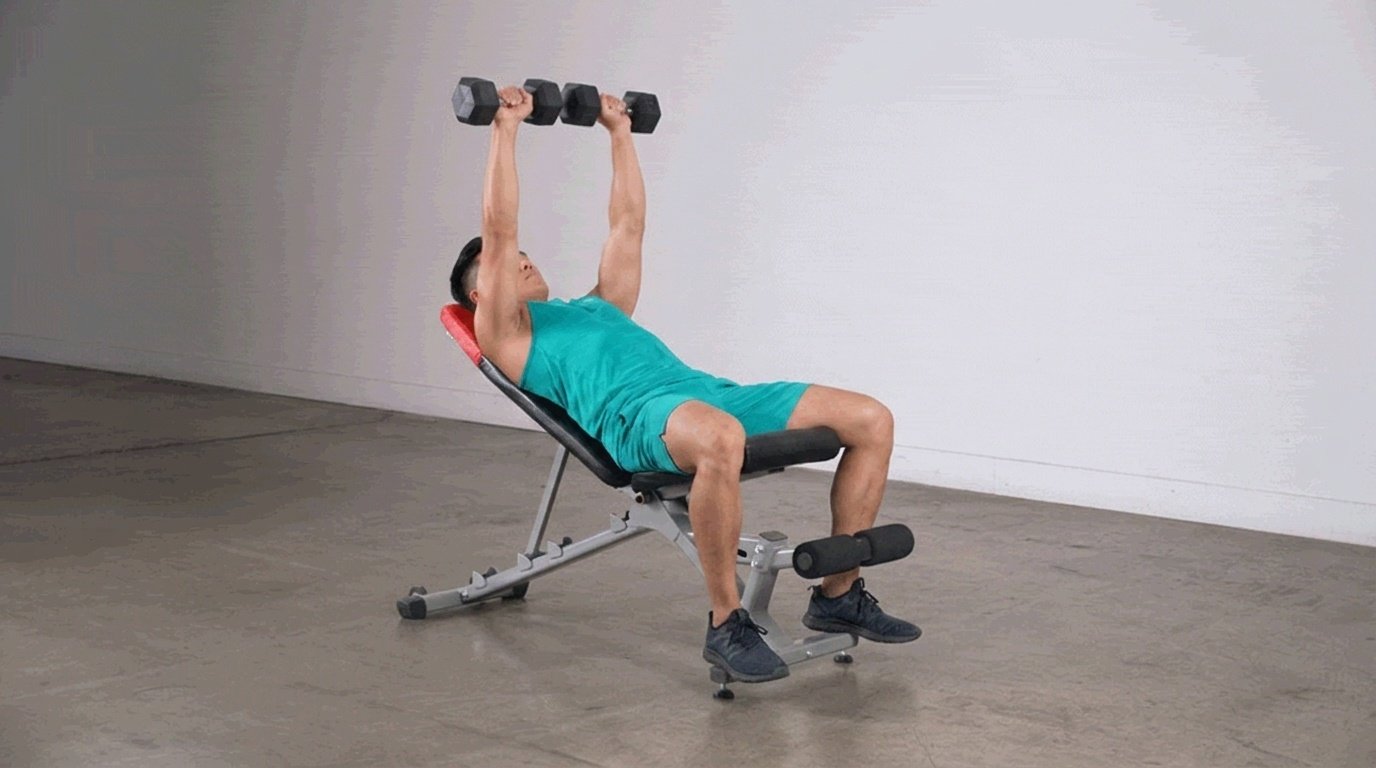
The incline dumbbell press shifts more focus to the upper chest while still training the shoulders and triceps.
It is also a comfortable option for many people because it allows a more natural arm path. Set the bench to about a 30 to 45-degree angle and press the weights smoothly without locking your elbows at the top.
5. Incline Barbell Bench Press
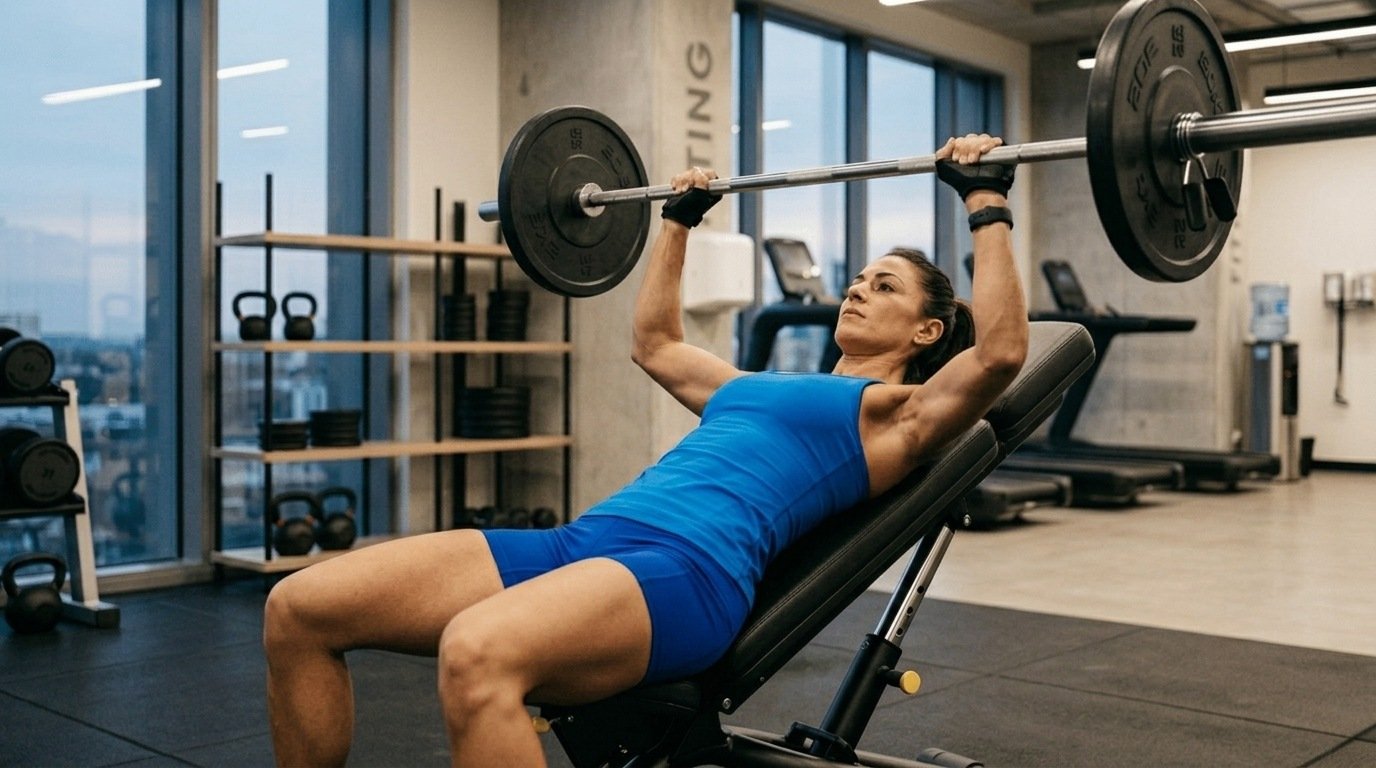
The incline barbell bench press is ideal for building upper chest strength while allowing you to handle heavier loads than dumbbells.
It is a valuable addition to any chest workout focused on muscle growth and strength. Keep your shoulder blades pulled back throughout the movement and lower the bar to your upper chest with steady control before pressing upward.
6. Decline Bench Press
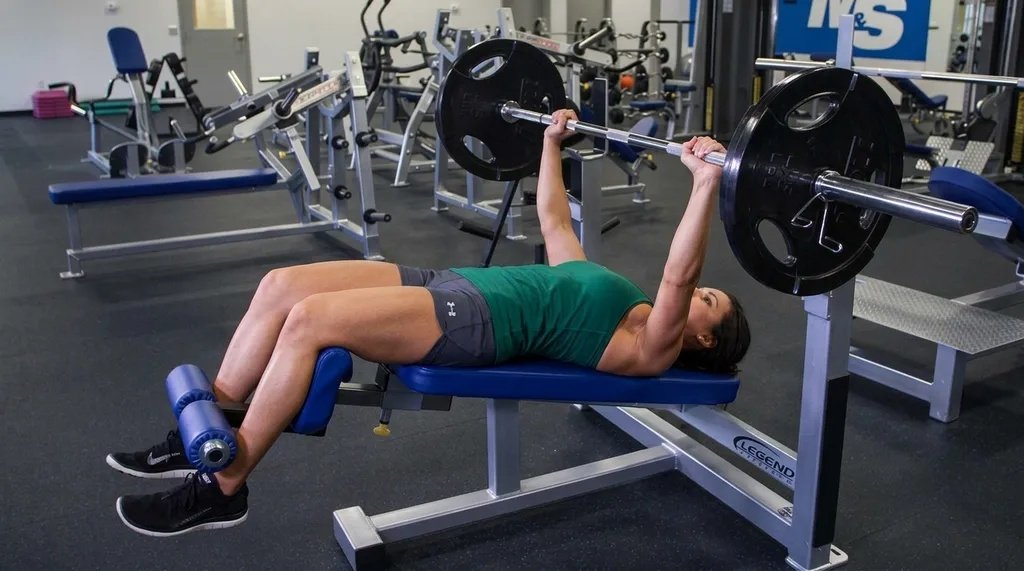
The decline bench press places greater emphasis on the lower chest while reducing shoulder involvement compared to flat pressing.
It works well as a secondary pressing movement after your main bench press. Use a controlled tempo throughout the exercise and avoid bouncing the bar off your chest to maintain proper form and muscle engagement.
7. Weighted Push-Up
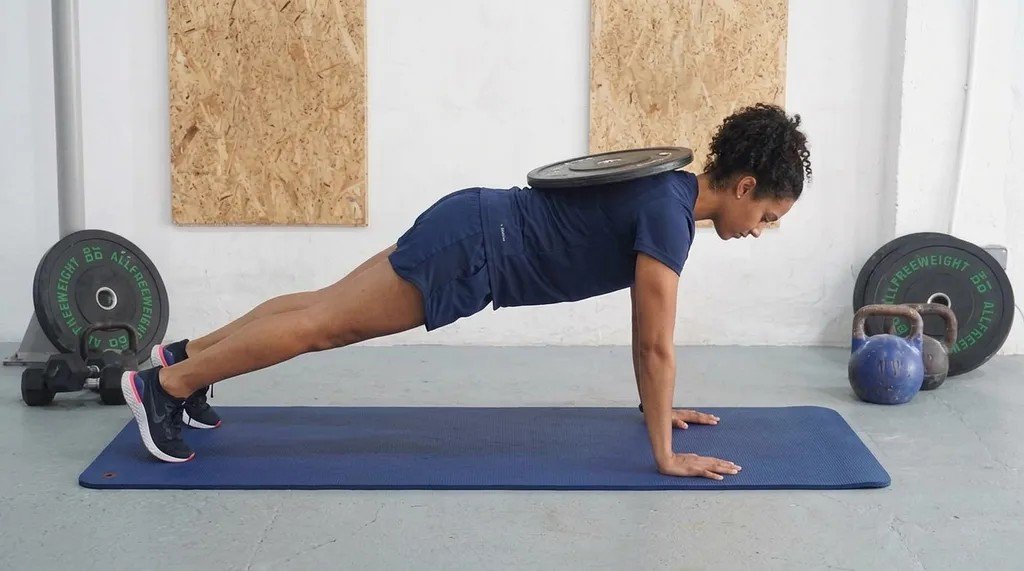
Weighted push-ups add resistance to a classic bodyweight exercise, making them an excellent way to build strength and muscle once regular push-ups become too easy.
A weight plate or weighted vest can increase the challenge while maintaining a natural movement pattern. Keep your core tight and lower your chest fully before pressing back to the starting position.
8. Chest Dips
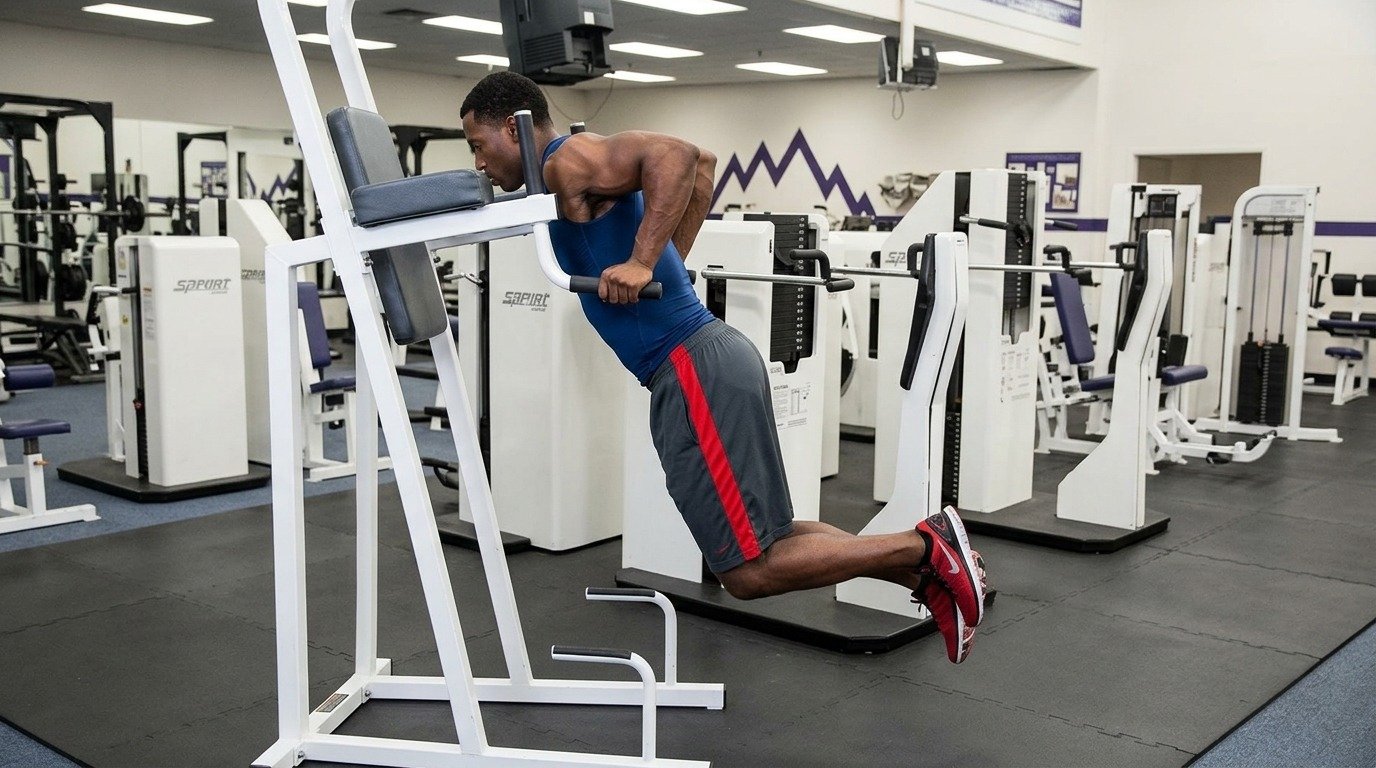
Chest dips are a powerful bodyweight exercise that targets the lower chest, front shoulders, and triceps. Lean your torso slightly forward during the movement to place greater emphasis on the chest instead of the triceps.
Lower yourself until your shoulders are comfortable, then press back up without swinging or using momentum to complete each repetition.
9. Cable Chest Press
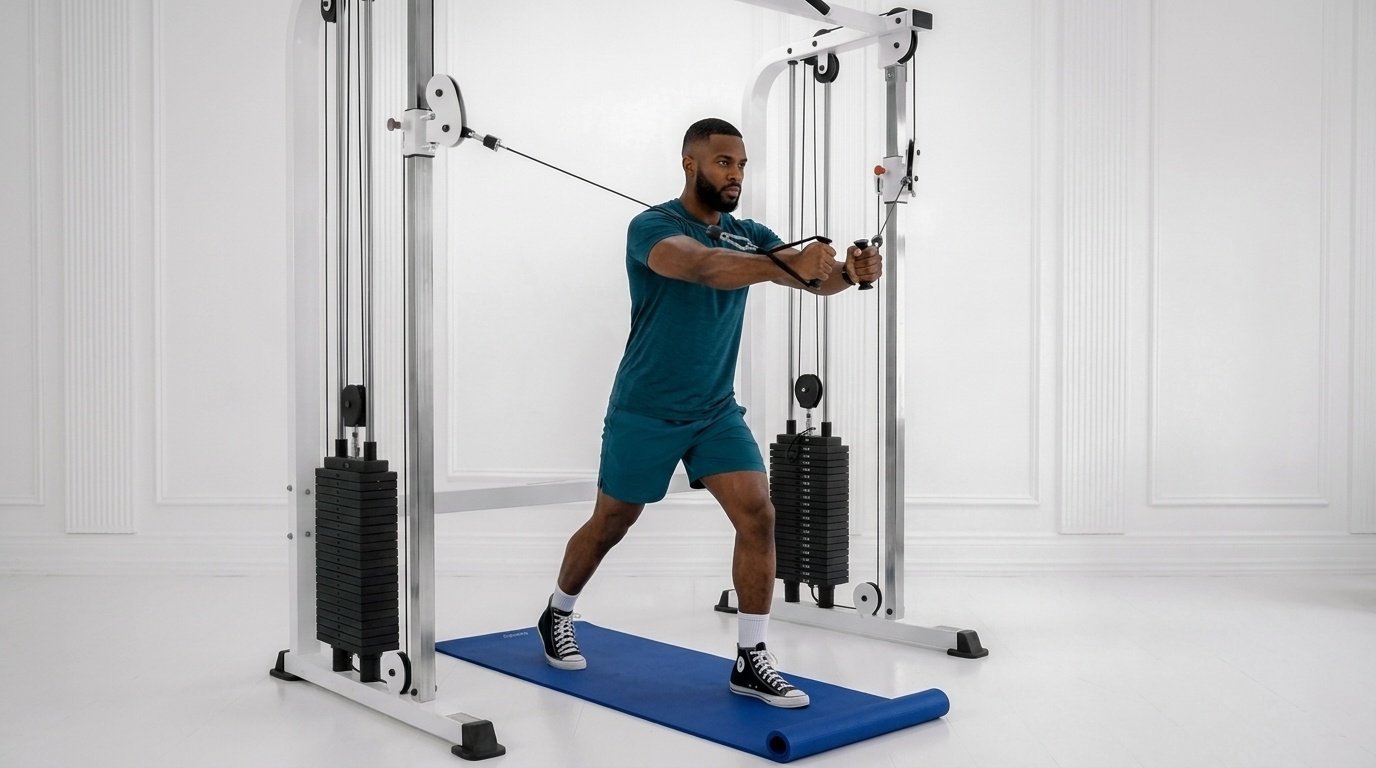
The cable chest press keeps constant tension on the chest throughout the entire movement, making it an excellent exercise for muscle growth.
It also improves balance and coordination because each arm works independently. Stand with one foot forward for stability, keep your core engaged, and press the handles forward without allowing your shoulders to round.
10. Machine Chest Press
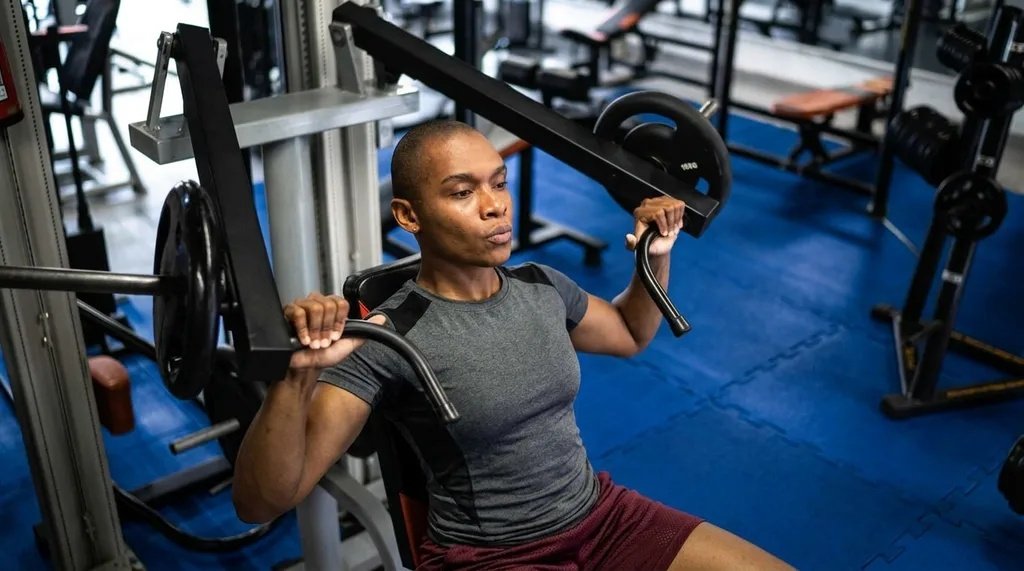
The machine chest press is a beginner-friendly exercise that provides extra stability and allows you to focus on proper technique. It reduces the need for balance, making it easier to train close to muscle fatigue safely.
Adjust the seat so the handles align with the middle of your chest and press with slow, controlled repetitions.
11. Resistance Band Chest Press
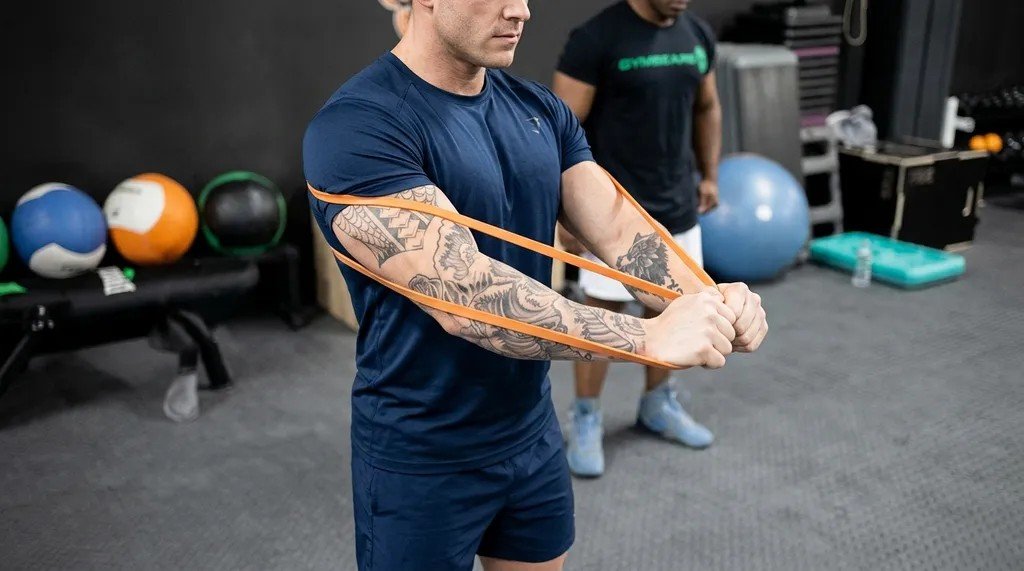
The resistance band chest press is a practical option for home workouts, travel, or warm-ups before heavier pressing exercises.
As the band stretches, resistance increases, helping strengthen the chest and triceps through the full range of motion. Secure the band properly before starting and maintain steady tension throughout every repetition.
Expert Tips to Improve Horizontal Push Strength
Building stronger horizontal push exercises is not just about lifting heavier weights. Small improvements in your technique and training habits can help you gain strength safely while reducing the risk of injury.
- Master technique before increasing weight: A strong movement pattern helps you activate the right muscles and makes it safer to add more weight over time.
- Keep your elbows around 45 degrees: It reduces stress on your shoulders while allowing your chest and triceps to produce more force.
- Retract your shoulder blades: Pull your shoulder blades back and down before each repetition. This creates a stable base for pressing and helps protect your shoulder joints.
- Brace your core throughout each rep: Tighten your abdominal muscles before pressing. A stable core improves balance, supports your spine, and helps transfer more force into every repetition.
- Control the lowering phase:. A controlled movement increases muscle tension, improves technique, and can lead to better muscle growth.
- Track progressive overload: Gradually increase the weight, repetitions, or sets as you get stronger. Small, consistent improvements help you keep making progress without overtraining.
- Balance push exercises with horizontal pulls: Pair chest presses with rowing exercises to strengthen your upper back. This helps maintain muscle balance, improves posture, and supports healthier shoulders.
Using these tips consistently will help you perform horizontal push exercises more effectively. Better technique and smart progression often lead to better results than simply lifting heavier weights.
Conclusion
Adding horizontal push exercises to your training plan is a simple way to build stronger pressing muscles and improve overall upper-body performance.
Choosing movements that match your fitness level and practicing them with good form can help you make steady progress over time.
Stay consistent, pay attention to recovery, and increase the challenge gradually as you get stronger. Small improvements often add up to noticeable results.
If you found this guide helpful, leave a comment with your favorite exercise, share it with someone who enjoys strength training, or explore our other fitness guides for more workout ideas.
Frequently Asked Questions
Can I do horizontal push exercises if I have shoulder discomfort?
Yes, but choose comfortable variations, reduce the range of motion if needed, and consult a healthcare professional if the discomfort continues or becomes more severe.
Do horizontal push exercises improve athletic performance?
Yes, they can improve pushing power used in sports that involve blocking, throwing, tackling, or explosive upper-body movements while supporting overall strength development.
Is it better to train horizontal push exercises before cardio?
Yes, strength training is generally more effective before cardio because your muscles have more energy for pressing movements and heavier lifts.
Can resistance bands replace free weights for horizontal pushing?
Resistance bands are a good alternative for general strength, home workouts, and travel, though free weights usually offer more options for long-term progression.
Should older adults include horizontal push exercises in their workouts?
Yes, when performed with appropriate resistance and proper form, these exercises can help maintain upper-body strength, support daily activities, and improve functional fitness.