Wondering how long it actually takes to do the splits? You are not alone. It is one of the most searched questions in flexibility training, and the answer is not the same for everyone.
Progress depends on your starting flexibility, how often you stretch, and a few factors you can't fully control, like joint structure.
Someone who sits at a desk all day and starts with almost no flexibility might take close to a year. Someone with a dance or sports background might get there in a couple of months.
In this guide, you'll get a realistic timeline, the factors that speed up or slow down progress, a simple stretch routine to follow, and how to track your improvements along the way. By the end, you'll know exactly what to expect on your own split journey.
What Determines How Long It Takes to Do the Splits
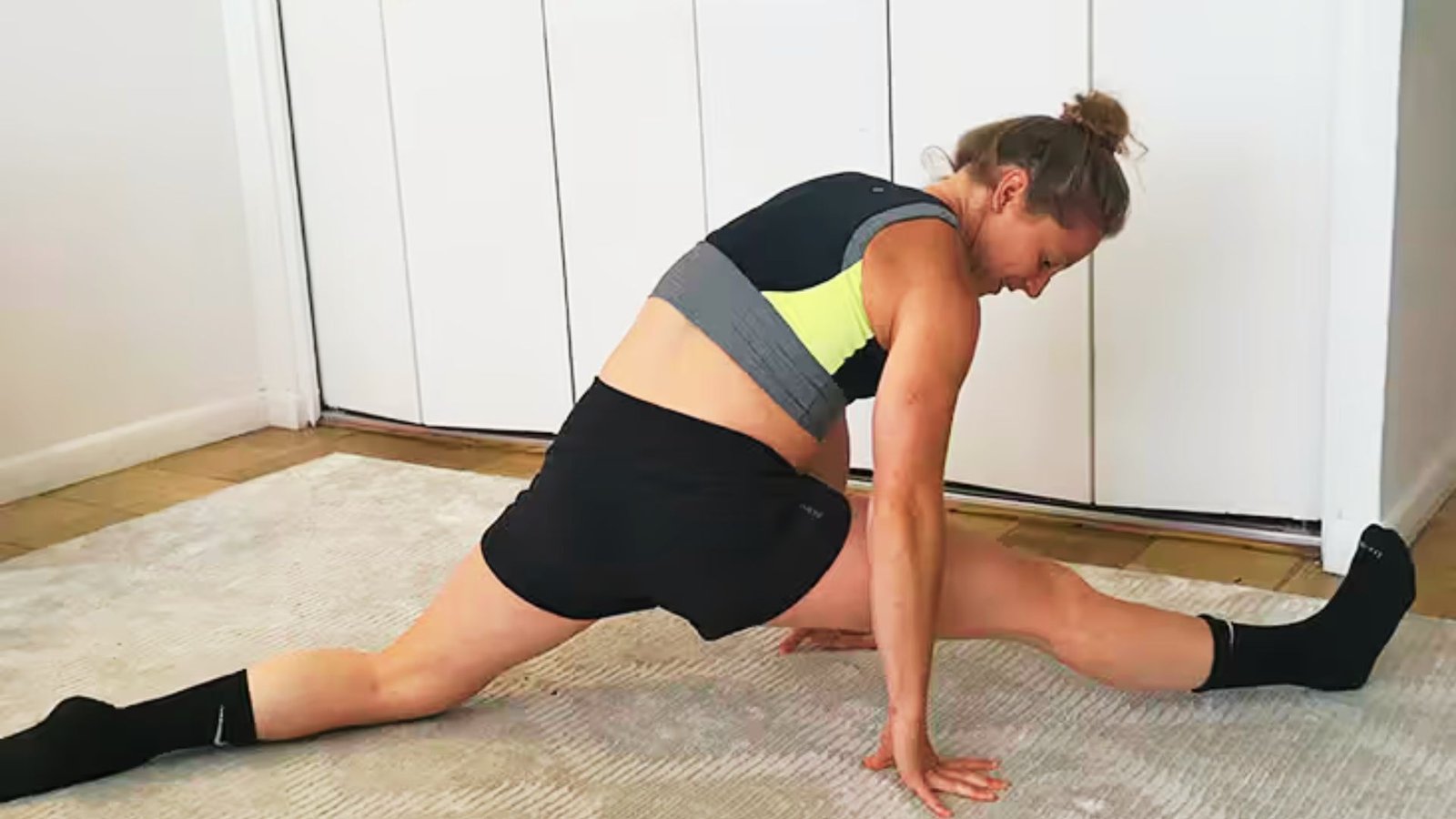
It depends on which split you are working toward and where you are starting from.
If you have ever watched a dancer drop into a full split with ease, you probably wondered how long that took them. The truth is it depends on a lot of things. Some people get there in weeks. Others need months or even a year.
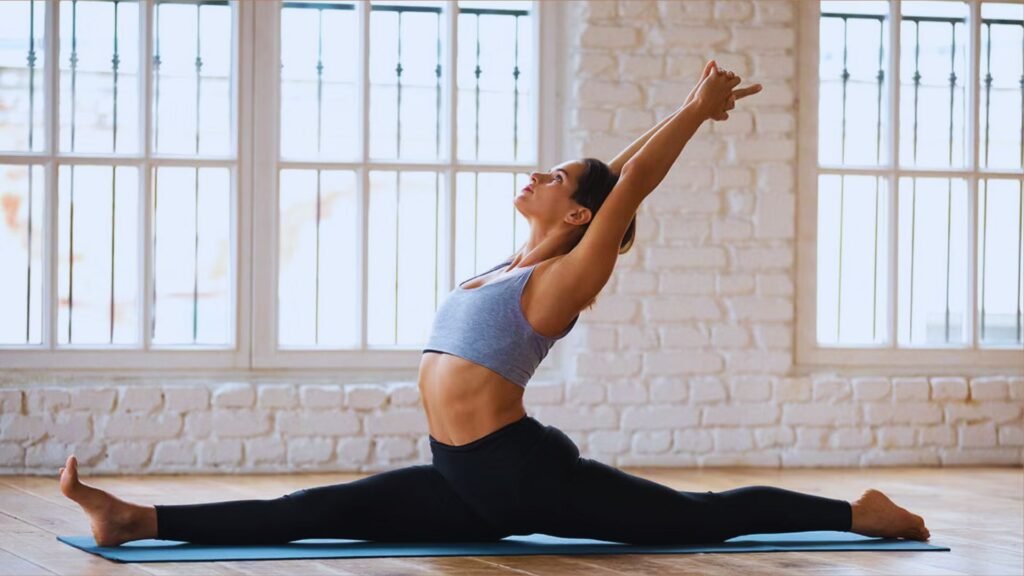
There is also more than one split to aim for. A front split stretches one leg forward and one back, working your hamstrings and hip flexors.
A side split (also called a middle split) opens your legs out to each side and targets your adductors. Most people find the front split easier to reach first, so the routine later in this guide focuses on that one.
Before you start, check with a doctor if you have a recent leg or hip injury, a hip condition, or are pregnant. Stretching should never cause sharp pain, and a quick check beforehand can save you weeks of setbacks.
Your pace depends on your genes, past activity level, and how often you stretch. Progress happens in small steps, not one big leap, so do not rush it.
Realistic Timeline to Learn the Splits

Everyone's body responds differently. But most people follow a similar pattern of small wins that add up over time.
Weeks 1–4: Building flexibility and mobility
The first month is all about getting your muscles used to stretching. You will not see huge changes yet. But your hips and hamstrings will start loosening up.
Stick to short daily sessions. Ten to fifteen minutes is enough at this stage. Pushing too hard now can lead to strain.
Months 2–3: Noticeable improvements
By month two or three, you should notice you can go lower without pain. Your range of motion starts opening up. This is the stage where sticking to your routine really pays off.
Months 3–6: When many people achieve the splits
A lot of people reach a full split somewhere between three and six months. This is not a hard rule though. Your starting flexibility plays a big role here.
If you were already fairly flexible before starting, say from dance, gymnastics, or martial arts, you might get there faster. If not, that is completely normal too.
6–12+ months: What to expect if you're starting from scratch
Coming from little to no flexibility, expect the process to take closer to a year. Your joints and muscles need time to adapt safely. Do not compare your timeline to someone else's. Everyone starts from a different point.
What Affects How Long It Takes to Do the Splits?
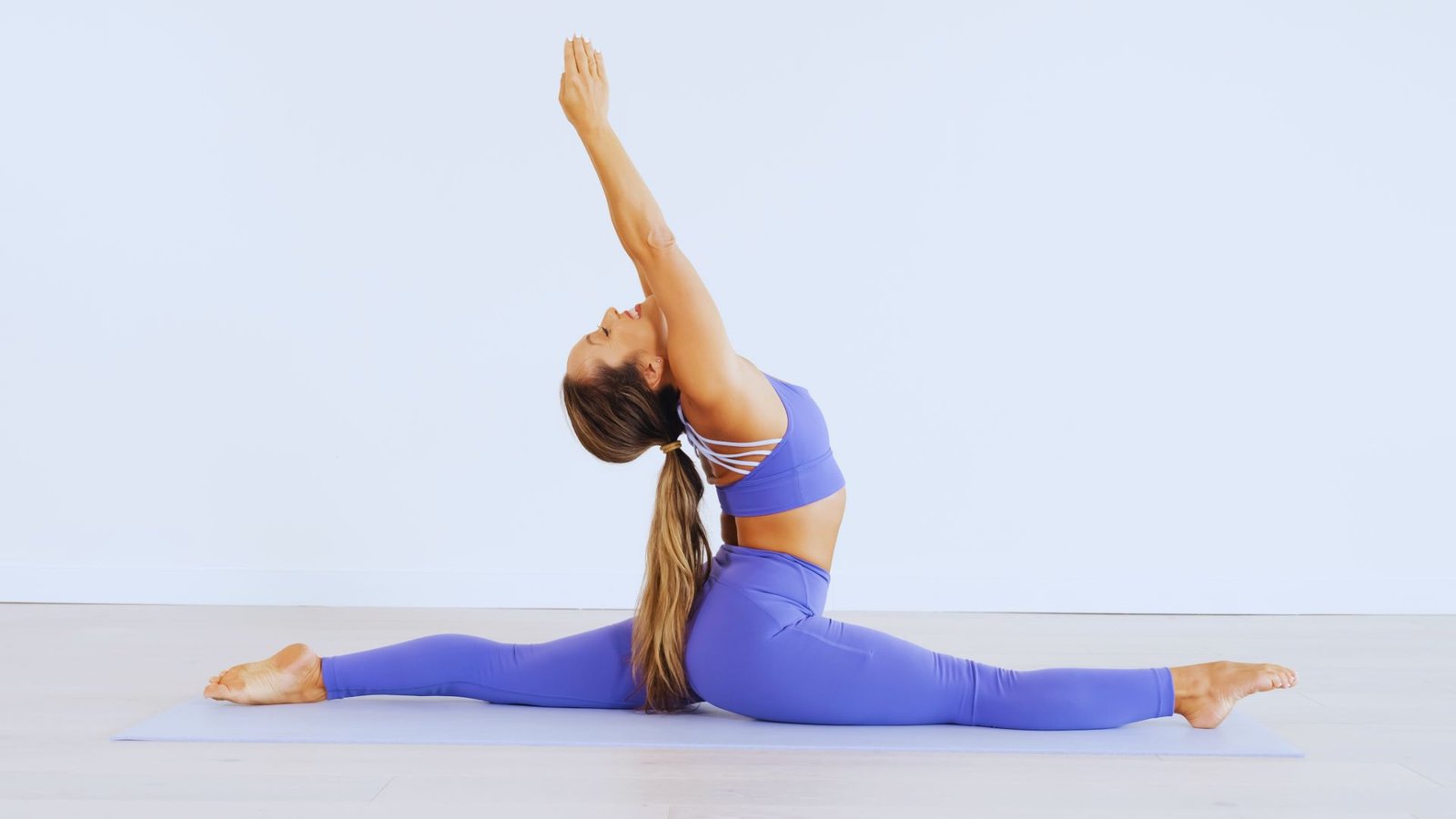
Several things play into how quickly you can do the splits. Understanding them helps you set fair expectations for yourself.
- Current flexibility level: If you already stretch regularly or come from a dance or martial arts background, you have a head start. Beginners with tight hips will need more time.
- Age: This plays a role too, but a smaller one than most people think. Younger bodies tend to be more flexible naturally, and connective tissue does get stiffer as we age. Still, plenty of adults build real flexibility with steady work.
- Bone structure and hip shape: Some people's joints are simply built for a wider range of motion, and no amount of stretching changes that.
- Stretch frequency: How often you stretch matters more than how hard you stretch. Short, regular sessions beat occasional long ones every time. Your rate of progress also depends on how well you recover between sessions, so aim for four to five sessions a week rather than daily maximum effort.
- Recovery, sleep, and hydration: Your muscles repair and loosen up while you rest. Poor sleep or a bad diet can slow that down, and staying hydrated helps keep muscles pliable. Water plays a bigger role in flexibility than most people realize.
- How much you sit: Sitting for long hours tightens your hip flexors. If your job keeps you seated most of the day, your split journey might take longer unless you counter it with movement breaks.
How to Get the Splits Faster (Safely)
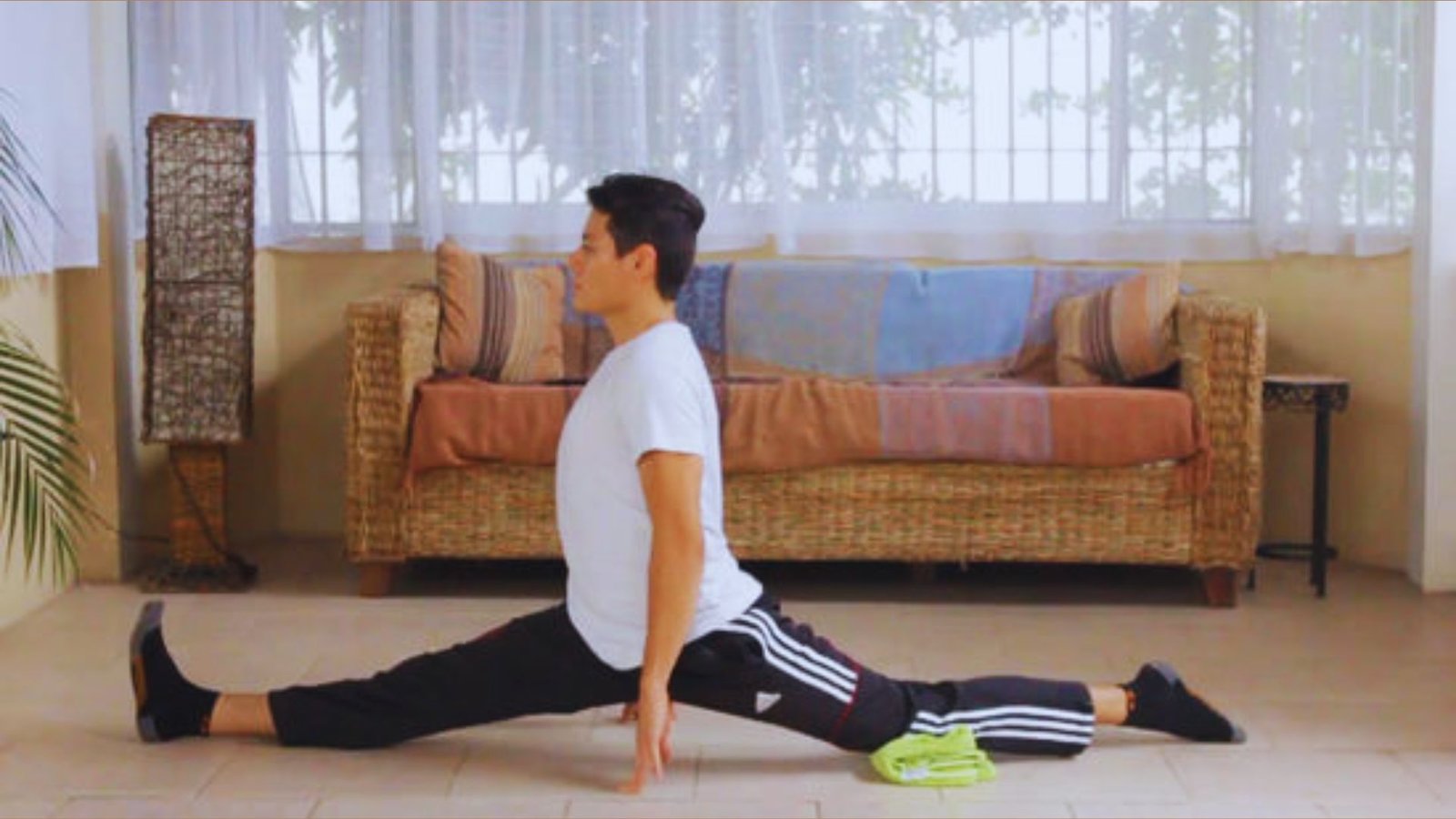
Speed matters, but safety matters more. Here is how to move faster without hurting yourself.
- Warm up first. Cold muscles do not stretch well. Spend five to ten minutes on light cardio or dynamic movement, like a quick walk or leg swings, before you stretch.
- Focus on hip flexors, hamstrings, and adductors. These three muscle groups control your split range the most.
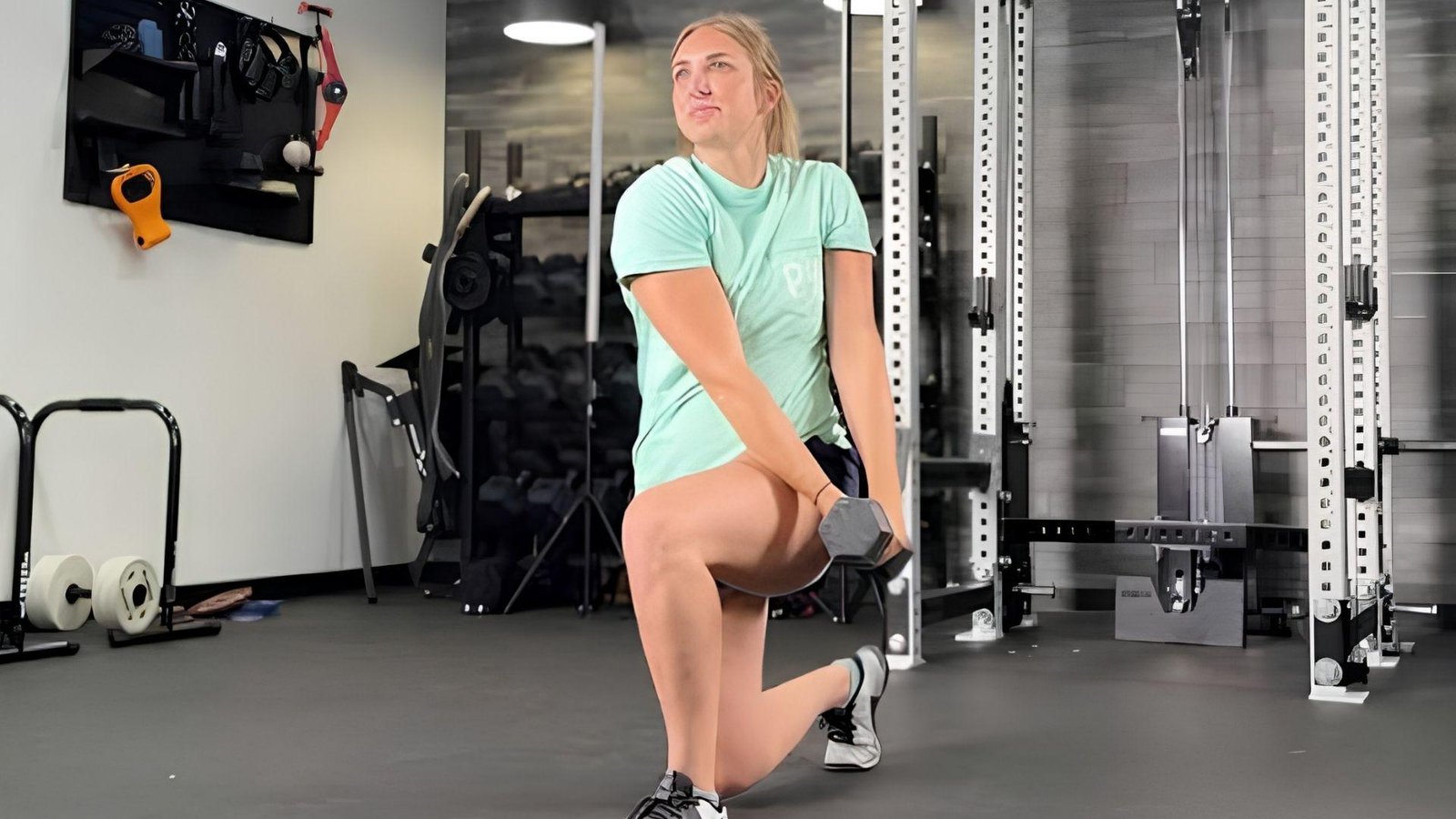
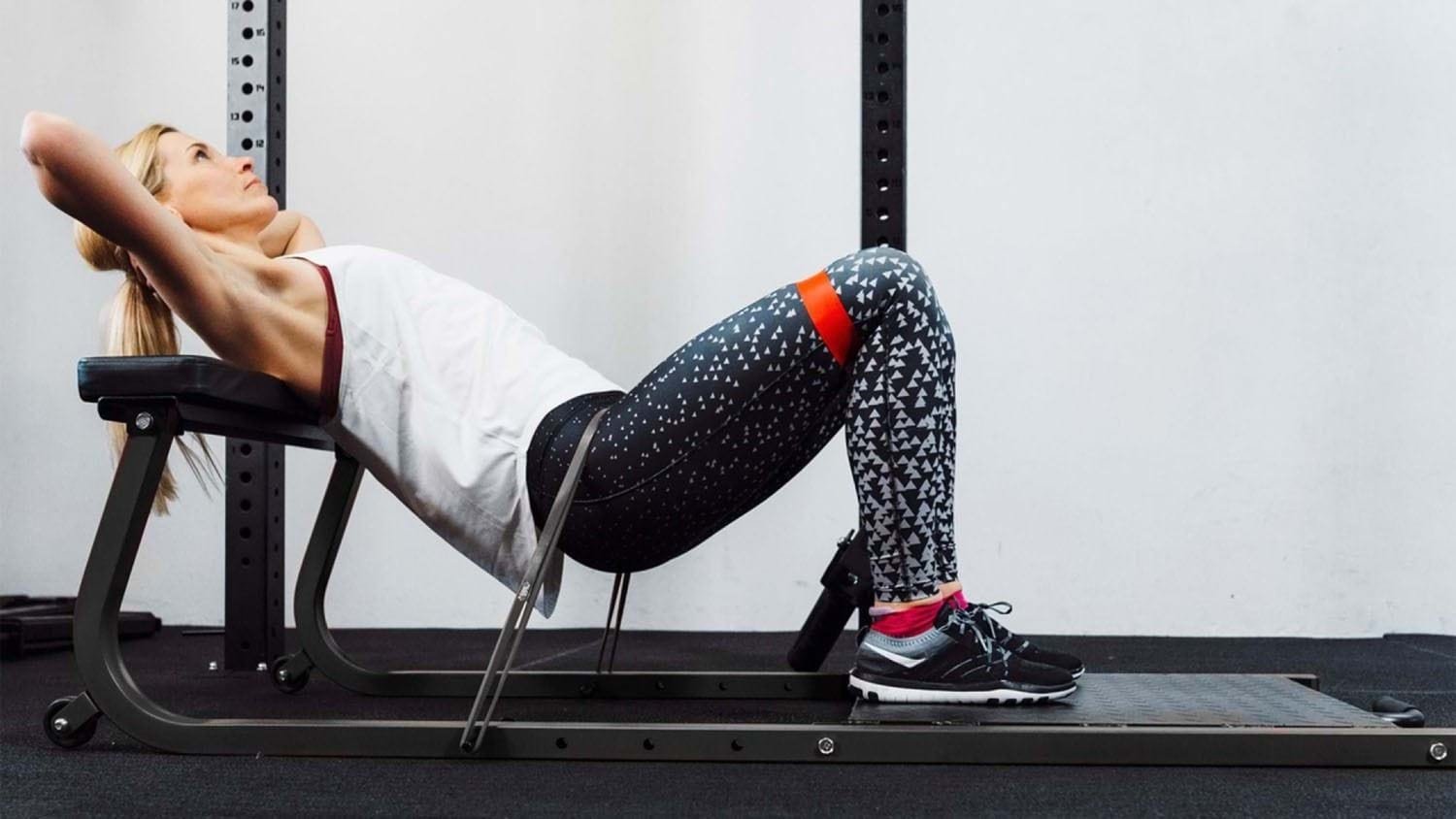
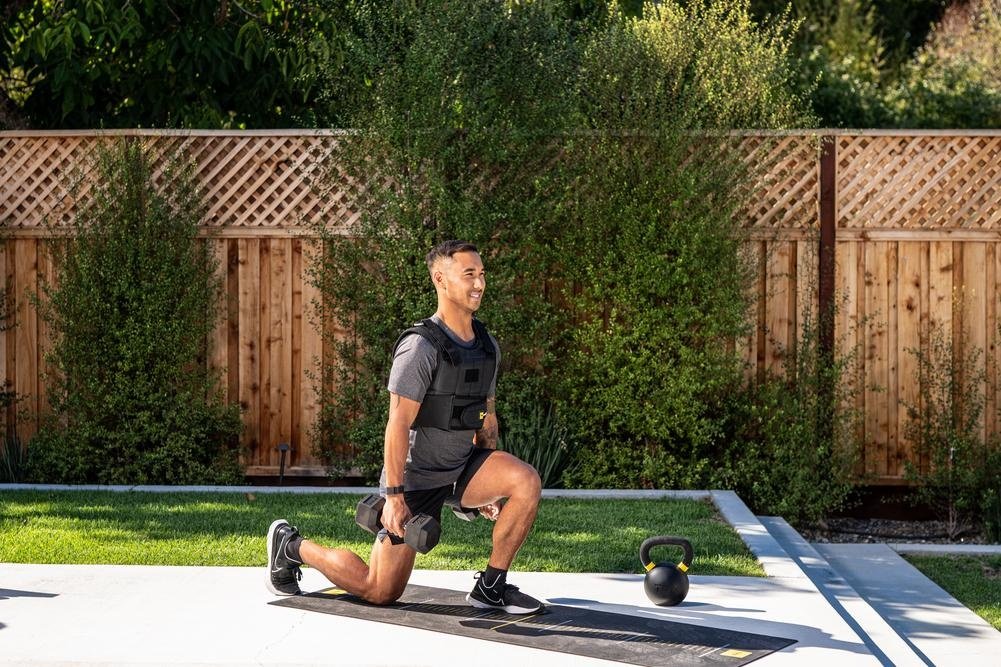
- Add strength training. Squats, lunges, and leg lifts build control in your new range of motion, not just flexibility.
- Build up gradually. Do not jump straight into deep stretches. Go a little deeper each week instead of forcing it.
- Try contract-relax stretching. Tense the muscle for a few seconds, then relax into a deeper stretch. This method is sometimes called PNF stretching, and it can speed up range-of-motion gains.
Quick Stretch Routine for a Front Split
Do this three to four times a week after your warm up. Hold each stretch for 30 to 60 seconds per side.
- Low lunge stretch: kneel with one leg forward, sink your hips forward gently. Targets the back leg's hip flexor.
- Half-split hamstring stretch: from the low lunge, straighten your front leg and hinge forward slightly. Targets the front leg's hamstring.
- Pigeon pose: front shin angled across the mat, back leg extended straight behind you. Targets hip rotation and the glute.
- Frog stretch: on hands and knees, widen your knees out to the sides and rock back gently. Targets the adductors, useful if you also want a side split.
- Seated forward fold: legs extended in front, reach toward your feet. Targets both hamstrings at once.
Rest days matter just as much as stretch days. A light massage or a warm Epsom salt soak can help your muscles recover faster between sessions. Listen to your body. Soreness is normal but sharp pain is a sign to stop.
That routine gets you moving in the right direction, but the biggest gains come from avoiding a few common traps.
How to Measure Your Splits Progress
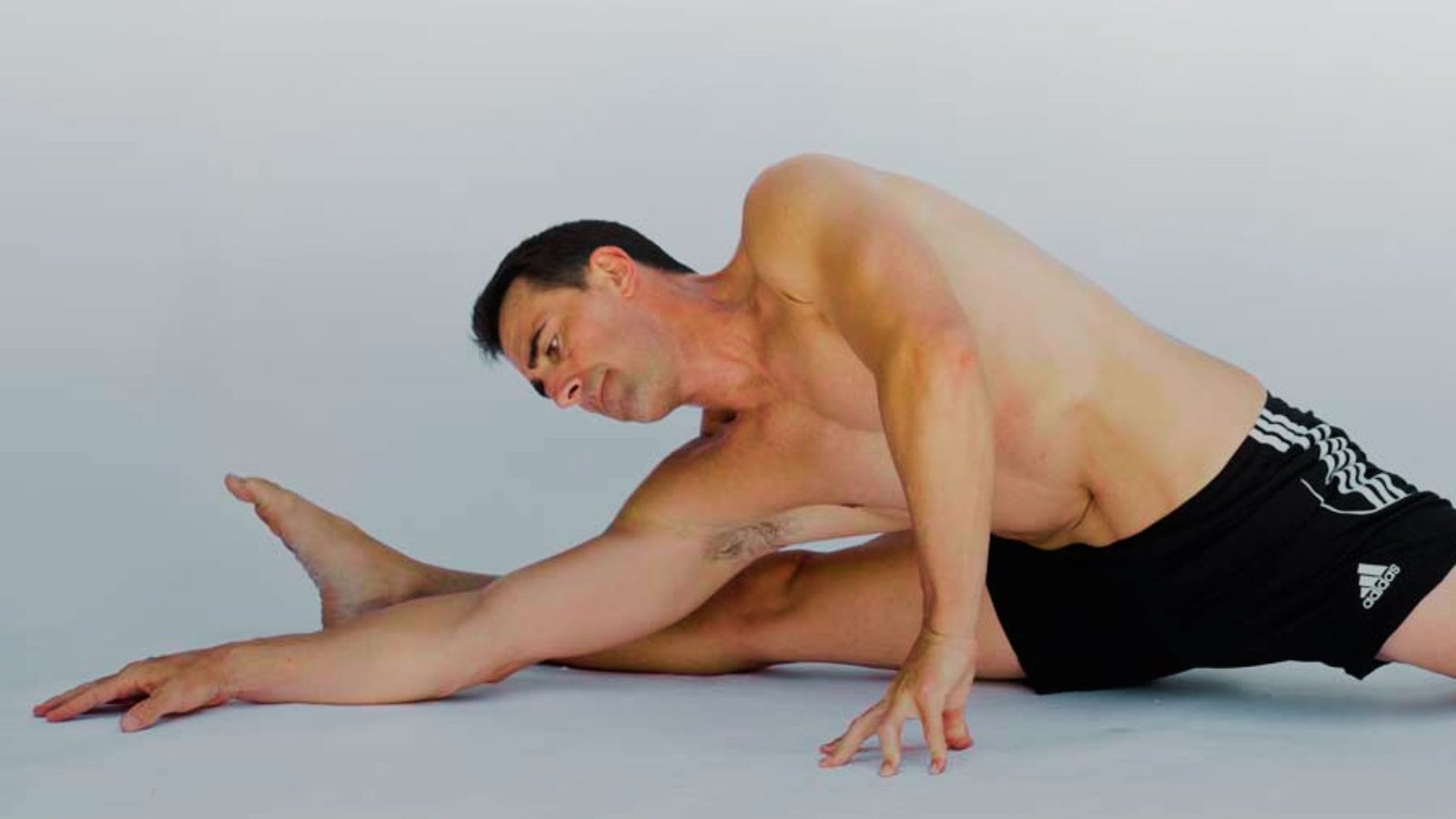
Tracking your progress keeps you motivated, even on slow weeks.
Use a ruler or measuring tape to check the gap between your hip and the floor during your split stretch. Note it down once a week in a simple log, whether that's a notebook or a notes app.
Take a progress photo from the same angle once a month. Photos often catch small changes your eyes miss day to day.
Watch for signs of improvement before you hit a full split too. Less tightness during warm ups, easier lunges, and less soreness after stretching all mean your body is adapting.
Common Mistakes That Slow Down Splits Progress
Small errors quietly stall your progress.
- Stretching too aggressively:Pushing too hard too fast can cause muscle strain and set you back weeks.
- Skipping warm-ups and recovery:Cold stretching raises injury risk, and skipping rest days leads to burnout and lingering soreness.
- Only doing passive stretches:Pair passive holds with active work like controlled leg lifts to build real control.
- Inconsistent practice:Stretching once a week will not get you far. Your body needs regular input to keep adapting.
- Expecting fast results:Flexibility takes time. Expecting overnight results often leads to frustration and giving up too soon.
Can Everyone Learn to Do the Splits?
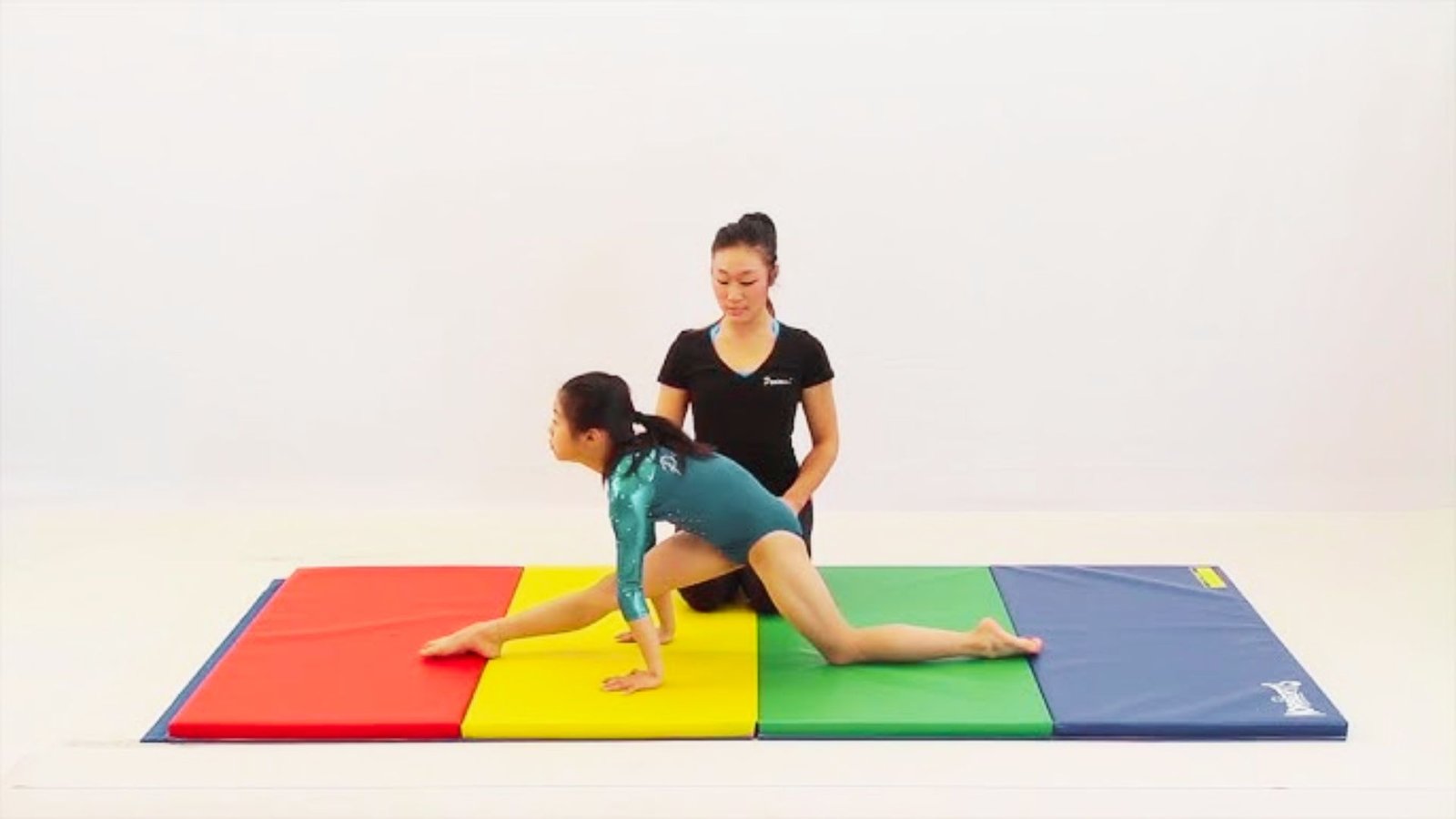
Most people can improve a lot. Not everyone reaches a full 180.
Most people can improve their flexibility significantly with consistent practice. But not everyone will achieve a full split, and that is okay.
Bone structure, hip shape, and past injuries can limit how far some people go. Some hip sockets are simply shaped for less outward rotation, no matter how much you stretch, and old injuries can leave lasting stiffness.
The goal should be steady progress, not comparing yourself to others. Less stiffness and easier movement are wins too, even without a full split.
Tips to Stay Motivated During Your Splits Journey
Small habits that keep you showing up.
- Set realistic milestones. Break your goal into smaller checkpoints so you can celebrate small wins.
- Keep using the log and photos from earlier. Seeing numbers improve, even slightly, keeps motivation high.
- Stay consistent without overtraining. Stick to your routine but give your body enough rest to avoid injury.
- Remind yourself why you started, whether it's for dance, sports, or general mobility.
- Find a routine that fits your life. A short daily habit is easier to stick with than a long session you keep skipping.
Conclusion
I remember the first time I tried to do the splits. My hips felt like rusty hinges, and I gave up after a week. The second time around, I stretched a little every day and stopped comparing my progress to anyone else's.
That is what actually got me results, and it is what worked for the client I mentioned earlier too.
Your split journey will have slow weeks and good weeks. Both count. Stick with it, listen to your body, and give yourself credit for showing up.
Have you tried any of these tips? Drop a comment and let me know how your split progress is going.
Frequently Asked Questions
Is it bad to do the splits every day?
Daily stretching is fine if you listen to your body. Avoid pushing into pain daily. Alternate deep sessions with lighter ones to prevent overuse injuries.
Can you do the splits without ever being flexible before?
Yes. Most people start tight and build range over time. Genetics help some people move faster, but daily practice works for almost everyone eventually.
Do splits help with other sports or activities?
Yes. Better hip and hamstring flexibility can improve running stride, reduce injury risk in sports, and support movements like squats, lunges, and kicks.
Should you stretch before or after a workout for split progress?
Save deep stretching for after workouts when muscles are warm. Light dynamic stretches work better beforehand to prepare joints without reducing strength output.