
Many people want a leaner, more defined body but aren't sure where to start. You might be exercising regularly but still not seeing the results you want.
The good news is that learning how to tone your body the right way makes all the difference.
This article covers the best exercises, full-body workout plans, weekly schedules, nutrition tips, and expert advice to help you build lean muscle and reduce body fat.
This guide combines evidence-based training principles with practical workout strategies used to improve muscle definition and reduce body fat.
Whether you're a beginner or someone returning to fitness, this guide gives you a clear, practical path to a stronger, more toned body.
What Does It Really Mean to Tone Your Body?

Body toning is one of the most searched fitness goals, but also one of the most misunderstood.
"Toning" is not a separate type of training. It simply means reducing body fat while maintaining or building muscle.
This process is also called body recomposition. When you have enough muscle and low enough body fat, your muscles become visible and defined. That's what people call a "toned" look.
You cannot spot-reduce fat from one area. Fat loss happens across your whole body based on your diet, training, and lifestyle.
The real goal is to build muscle through strength training and burn fat through cardio and nutrition. Together, these two things create a leaner, more defined body.
Many people believe that lifting light weights and doing lots of cardio is the best way to tone up. But research and real-world results tell a different story.
Strength training with progressive overload builds the muscle you need to look and feel toned. Cardio supports fat loss but should work alongside, not replace, strength work.
How to Tone Body Successfully
Getting results comes down to a few clear principles that work together.
The first is consistency. No plan works if you quit after two weeks. Showing up regularly, even on hard days, is what creates real change over time.
The second is progressive overload. This means gradually making your workouts harder by increasing weight, reps, or intensity. Your body adapts quickly, so you have to keep challenging it.
The third is nutrition. You cannot out-train a poor diet. Eating enough protein, managing your calorie intake, and fueling your workouts properly makes your training far more effective.
The fourth is recovery. Rest days, sleep, and stress management all affect how your body responds to exercise. Ignoring recovery slows your progress.
Combine these four and you have everything you need to build a toned, strong body.
Best Exercises to Tone Your Entire Body
The right exercises target multiple muscle groups, burn calories, and build strength at the same time. These are the most effective movements for a toned body.
Squats for Stronger Legs and Glutes
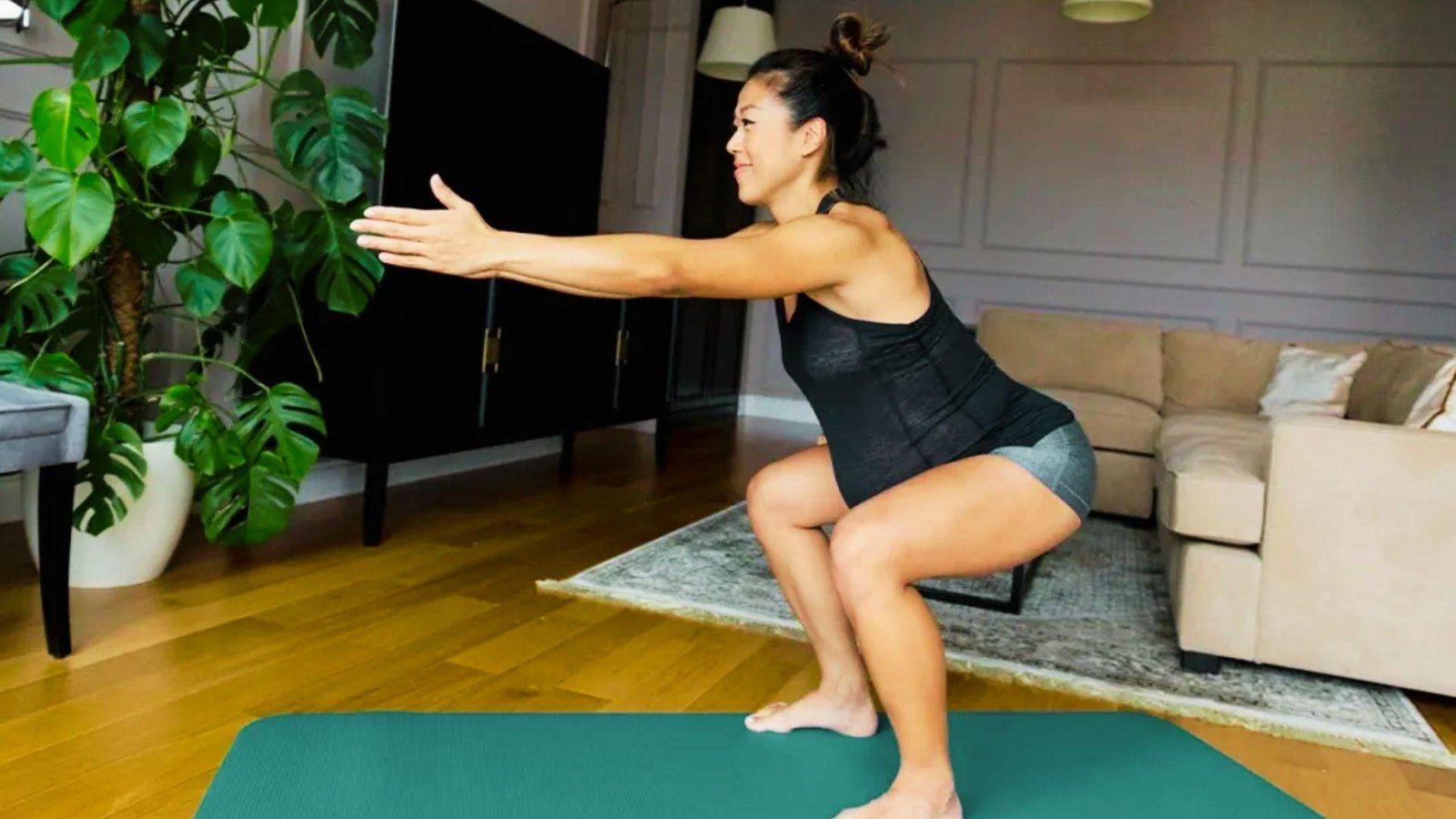
Squats are one of the most powerful lower-body exercises you can do. They work your quads, hamstrings, glutes, and core all at once. Because they engage such large muscle groups, including the gluteus maximus, they also burn a significant number of calories per session.
Stand with feet shoulder-width apart, lower your hips toward the floor, and press back up through your heels.
Keep your chest tall and your knees in line with your toes. Start with bodyweight squats and add dumbbells or a barbell as you get stronger.
Lunges for Lower-Body Strength and Balance
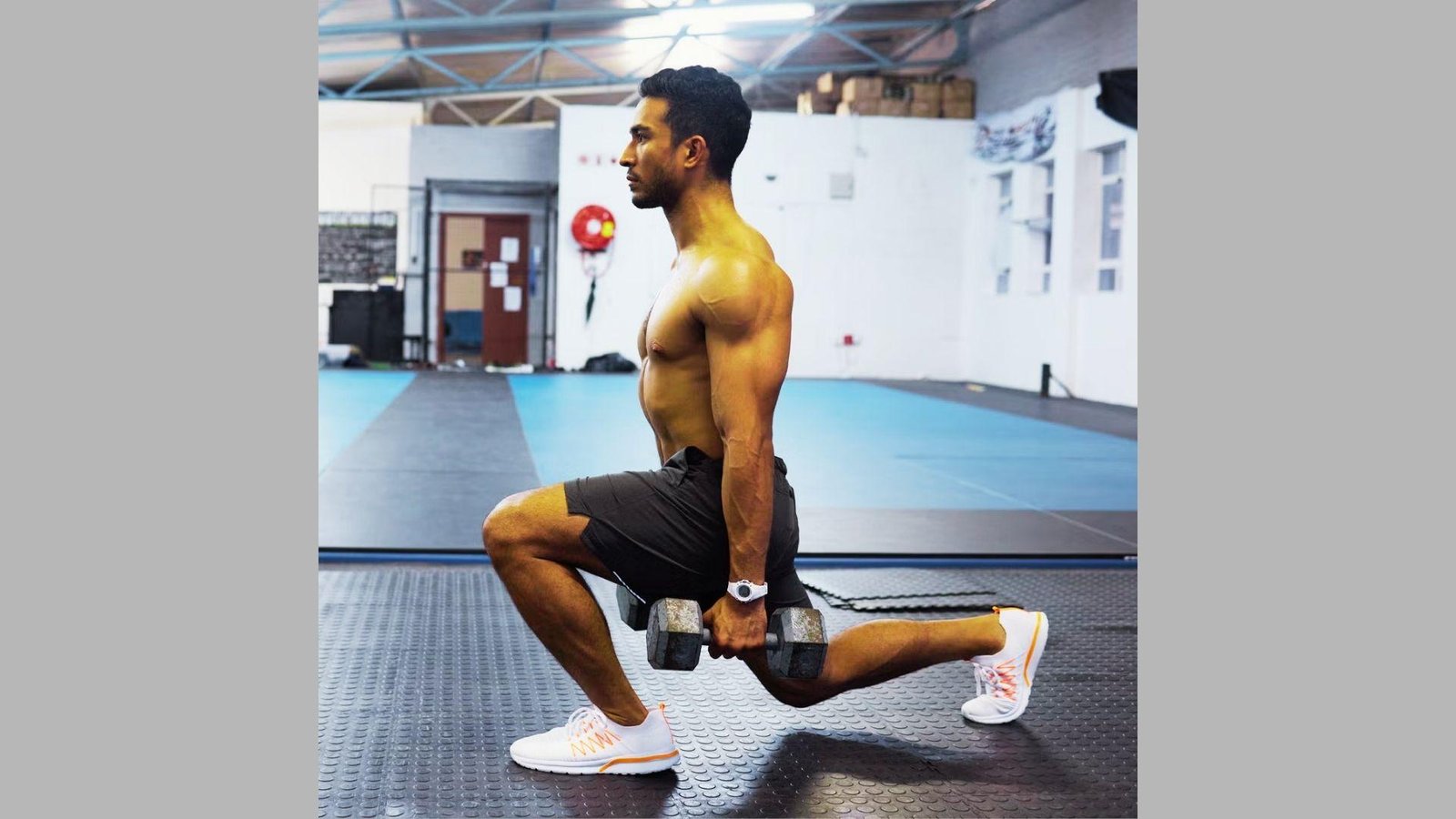
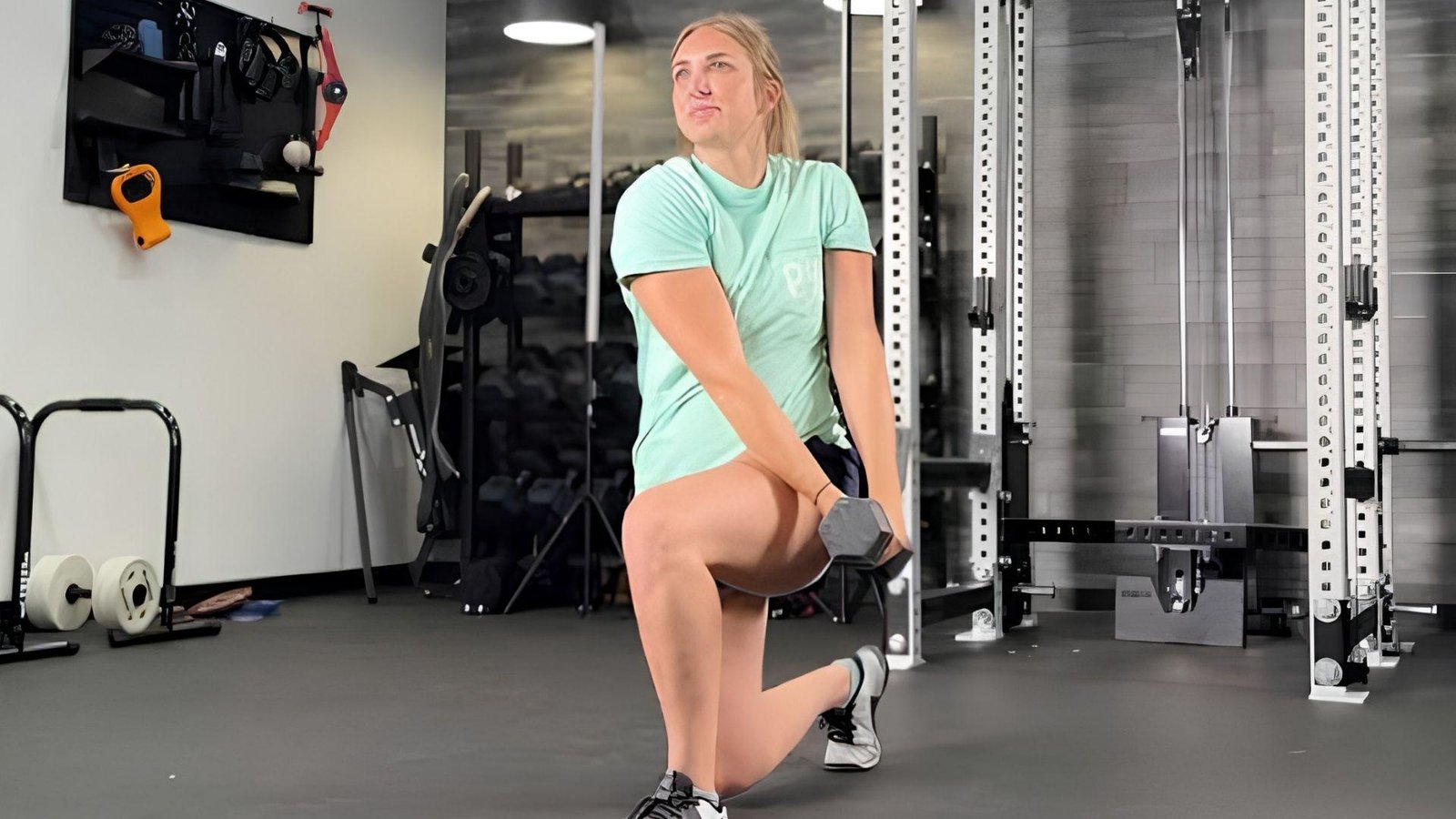
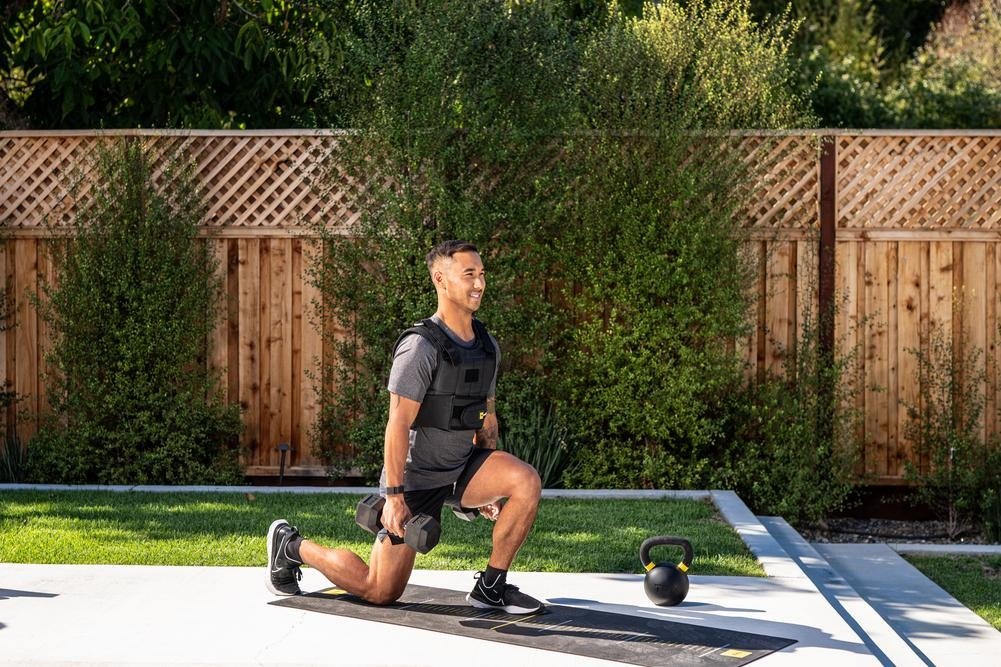
Lunges strengthen each leg individually, which helps correct muscle imbalances and improves your balance and coordination. They are particularly effective at targeting the gluteus maximus and the supporting muscles around your hips and knees.
Step one foot forward, lower your back knee toward the ground, then push back up. Alternate legs with each rep.
You can hold dumbbells to increase the challenge. Reverse lunges are a great option if forward lunges bother your knees.
Push-Ups for Chest, Shoulders, and Arms
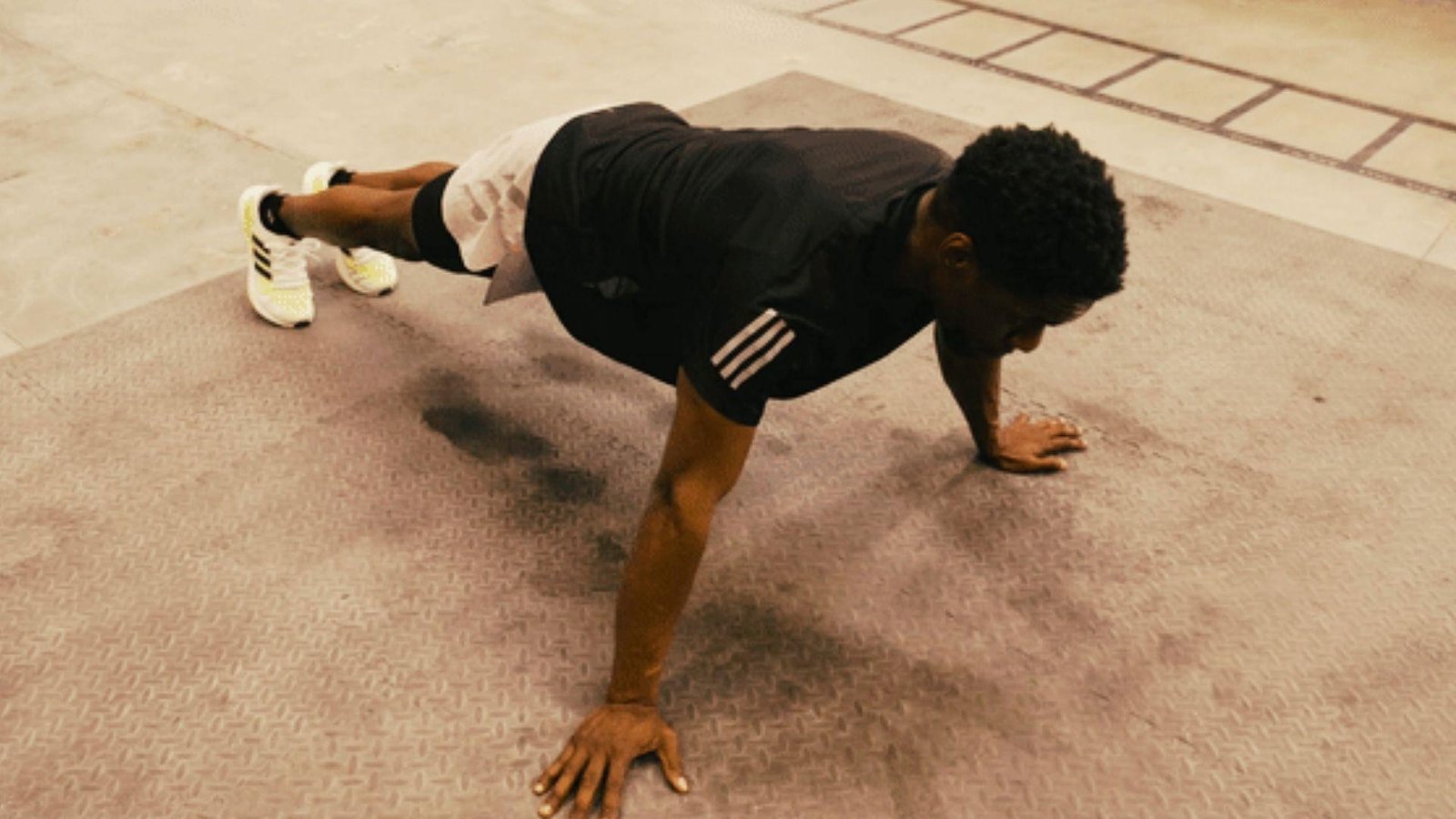
Push-ups are a classic upper-body exercise that requires no equipment. They work your chest, front shoulders, deltoids, triceps, and even your core.
Keep your body in a straight line from head to heels. Lower your chest to the ground, then push back up with control.
If full push-ups are too hard, start from your knees or elevate your hands on a bench and work your way down.
Planks for Core Strength and Stability
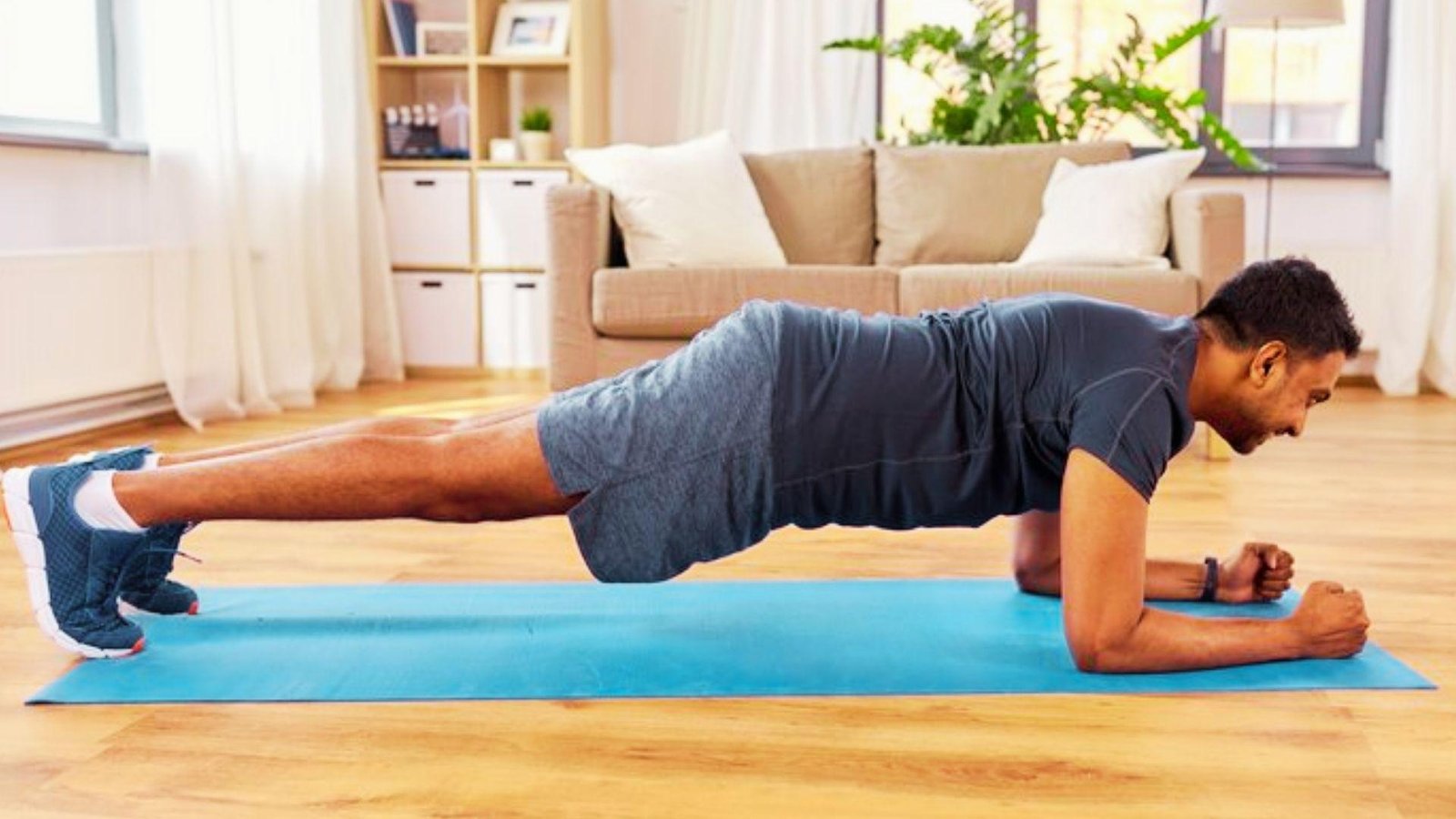
Planks build deep core strength, which supports every other exercise you do and protects your lower back. They also engage your stabilizer muscles throughout your trunk, hips, and shoulders, which improves posture and joint stability over time.
Hold a push-up position with your arms straight or on your forearms. Keep your hips level and avoid letting your lower back sag. Start with 20 to 30 second holds and build up over time.
Glute Bridges for the Posterior Chain

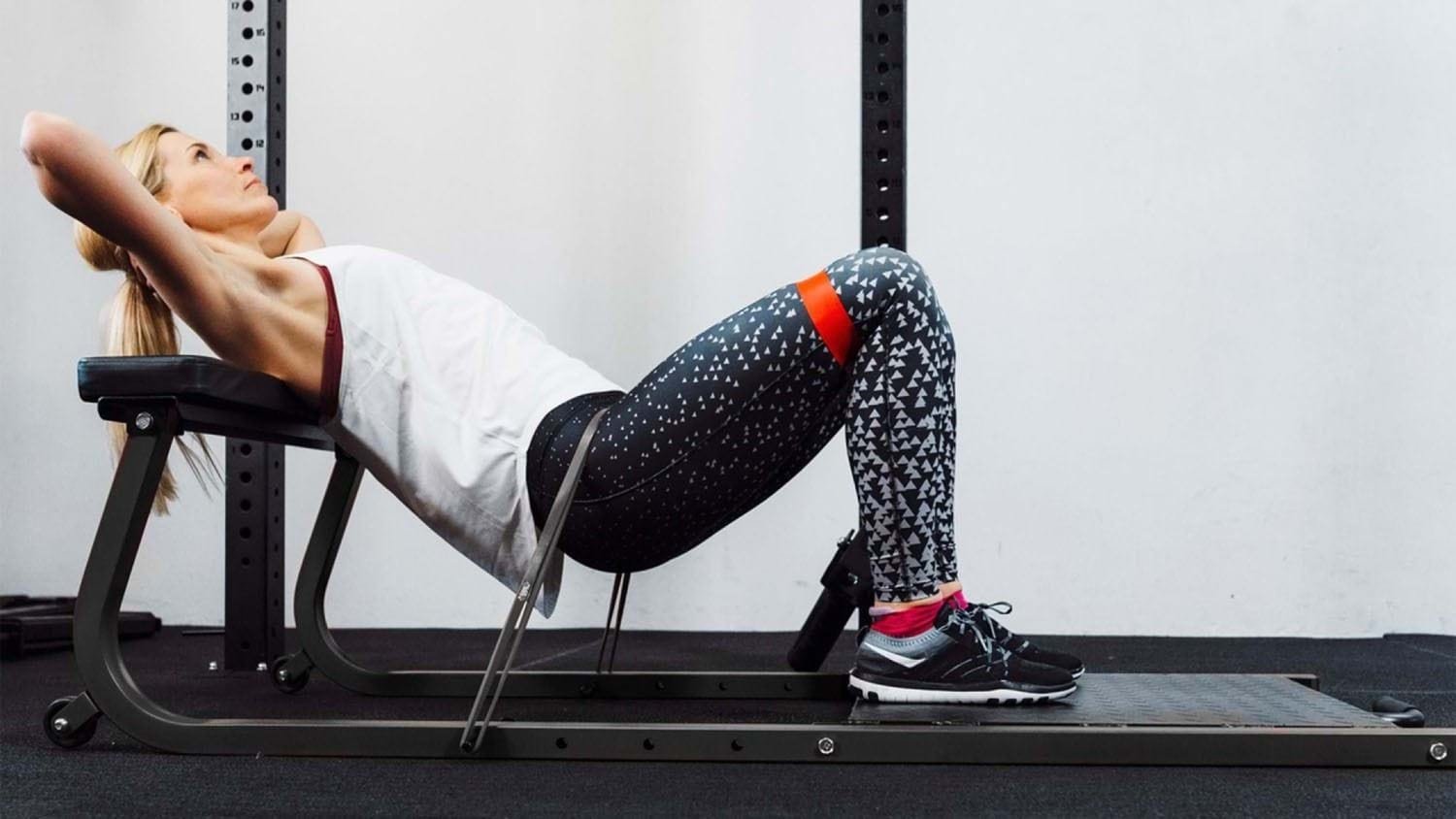
Glute bridges target your glutes and hamstrings, the muscles on the back of your body that many people neglect.
Lie on your back with knees bent and feet flat. Press your hips up toward the ceiling, squeeze your glutes at the top, then lower back down. Add a resistance band or place a dumbbell on your hips to make this harder.
Dumbbell Rows for Back and Posture
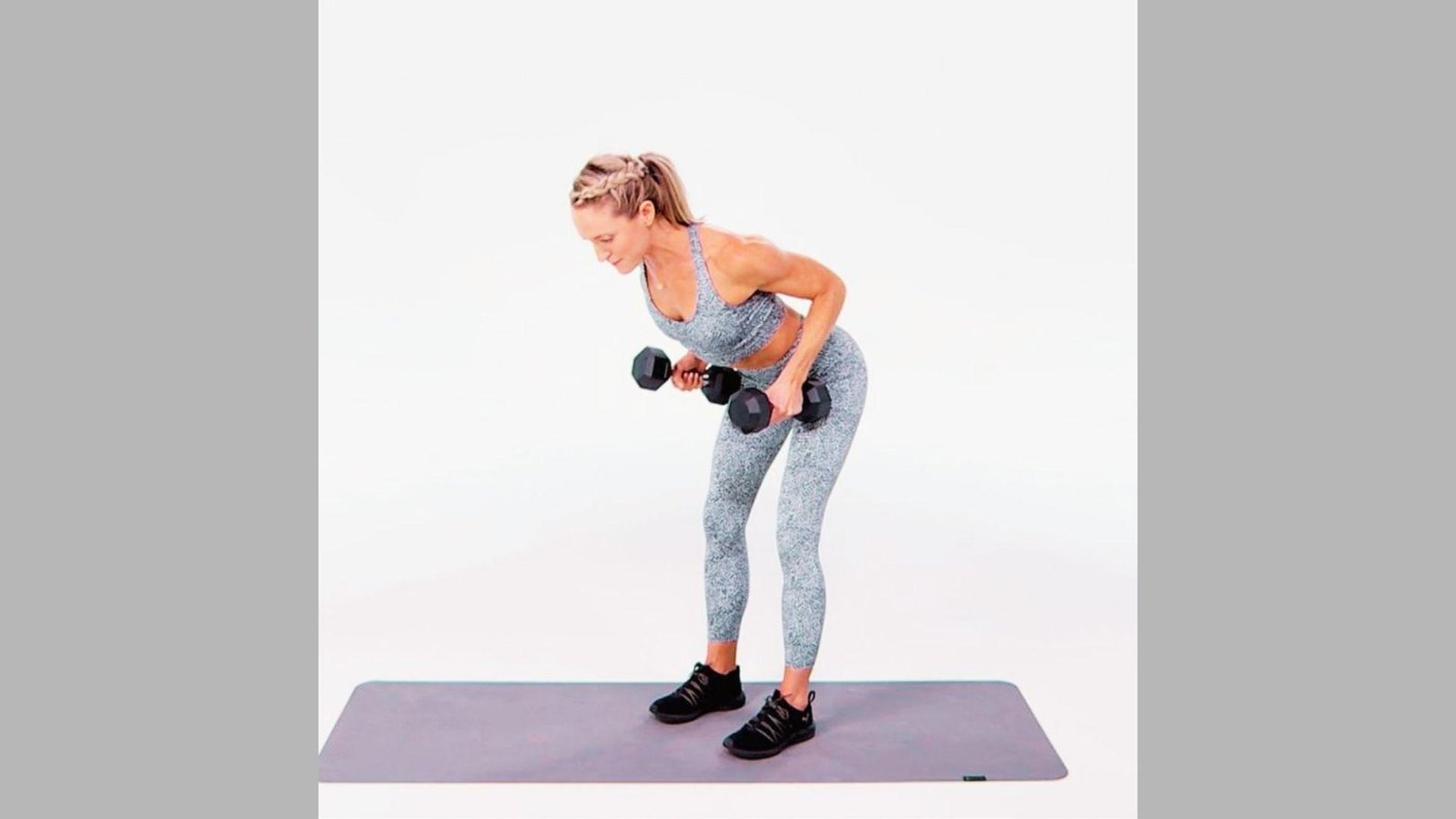
Rows strengthen your upper and mid-back, which helps improve posture and balances out all the pushing movements like push-ups and chest presses.
Hinge at the hips, hold a dumbbell in each hand, and pull them toward your ribcage. Keep your elbows close to your body and squeeze your shoulder blades at the top.
Burpees for Full-Body Conditioning

Burpees are one of the hardest but most effective full-body moves. They raise your heart rate fast, build muscular endurance, and burn a lot of calories.
They also work well as an interval training tool within a circuit, pushing your cardiovascular endurance to improve overall conditioning.
From standing, drop your hands to the floor, jump your feet back into a push-up position, do a push-up, jump your feet forward, then jump up with your arms overhead. Modify by stepping instead of jumping if needed.
Resistance Band Exercises for Beginners
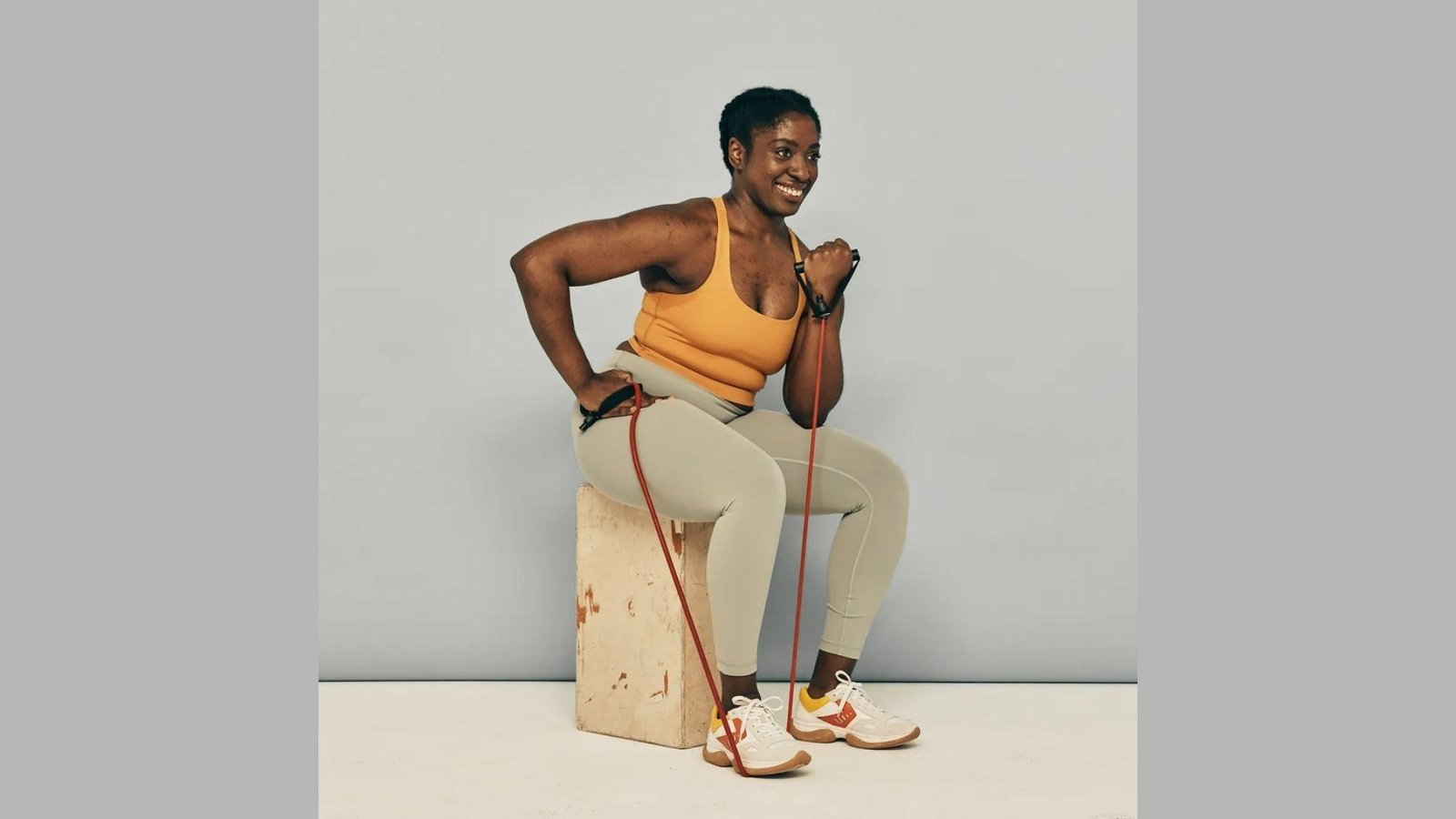
Resistance bands are affordable, portable, and perfect for beginners who aren't ready for heavy weights. They add enough resistance to build strength and tone muscle without joint strain.
Bands are also a great tool for activating stabilizer muscles that dumbbells and machines often miss.
Try band squats, banded glute bridges, lateral band walks, and seated band rows. As you get stronger, move up to heavier bands or switch to dumbbells.
Full-Body Toning Workout Plans

A good workout plan takes the guesswork out of training and keeps you moving toward your goals.
20-Minute Beginner Body Toning Workout
This is ideal if you're just starting out or short on time. Do each exercise for 40 seconds with 20 seconds of rest.
Bodyweight squats, push-ups (modified if needed), glute bridges, plank hold, alternating reverse lunges, dumbbell rows or band rows. Rest 60 seconds and repeat the circuit twice for a complete 20-minute session.
30-Minute Full-Body Dumbbell Workout
Pick a weight that feels challenging by the last 3 reps of each set. Do 3 sets of 10 to 12 reps for each exercise.
Goblet squats, dumbbell Romanian deadlifts, dumbbell chest press, single-arm rows, dumbbell shoulder press, dumbbell bicep curls, and tricep kickbacks. Rest 45 to 60 seconds between sets.
No-Equipment Home Workout
You don't need a gym to tone your body. This workout uses only your body weight.
Squats, push-ups, glute bridges, reverse lunges, plank, mountain climbers, and superman holds. Do 3 rounds of 12 to 15 reps per exercise. Rest 30 seconds between exercises and 90 seconds between rounds.
Gym Workout for Muscle Definition
If you have access to a gym, you can add variety with machines, cables, and barbells.
Barbell squats, leg press, cable rows, lat pulldowns, incline dumbbell press, cable lateral raises, and leg curls. Use enough weight so the last 2 reps of each set feel hard. Aim for 3 to 4 sets of 8 to 12 reps.
HIIT Workout for Fat Loss and Muscle Tone
HIIT combines short bursts of intense exercise with brief rest periods. It burns more calories in less time and keeps your metabolism raised for hours after training.
Sample HIIT circuit: 30 seconds of burpees, 15 seconds rest. 30 seconds of jump squats, 15 seconds rest. 30 seconds of push-ups, 15 seconds rest. 30 seconds of high knees, 15 seconds rest. Repeat 4 to 6 rounds.
Weekly Workout Plan to Tone Your Body

Consistency over weeks and months is what produces lasting results.
3-Day Beginner Workout Schedule
This plan is for people new to exercise or returning after a break.
Monday: Full-body strength workout (squats, push-ups, rows, glute bridges, plank)
Wednesday:20 minutes of steady cardio (walking, cycling, or swimming)
Friday:Full-body strength workout (lunges, dumbbell press, band exercises, core work)
Rest or do light walking on the other days.
4-Day Intermediate Training Plan
This plan splits your training into upper and lower body days to allow for more volume and recovery.
Monday: Lower body strength (squats, lunges, deadlifts, glute bridges)
Tuesday: Upper body strength (push-ups, rows, shoulder press, curls)
Thursday:Lower body and cardio (leg press, step-ups, 15 minutes HIIT)
Friday:Upper body and core (chest press, lat pulldowns, plank variations)
5-Day Advanced Body Toning Routine
This plan is for those with at least 6 months of consistent training experience.
Monday:Legs and glutes
Tuesday: Upper body push (chest, shoulders, triceps)
Wednesday:Cardio and core
Thursday: Upper body pull (back and biceps)
Friday:Full-body HIIT
Rest on Saturday and Sunday or do light activities like yoga or walking.
Strength Training for Body Toning
Strength training is the foundation of a toned body. It builds the muscle that makes you look defined.
A pound of muscle also burns roughly six calories a day compared to just two for a pound of fat, which means more muscle mass raises your resting metabolic rate over time.
Bodyweight Exercises
Bodyweight training is free, needs no equipment, and is highly effective for building muscle when done with enough volume and progression.
Squats, push-ups, dips, pull-ups, and lunges all build real strength.
Dumbbells and Kettlebells
These are the most versatile tools for home and gym training. They allow for a wide range of movements and make it easy to progressively overload your muscles over time.
Resistance Bands
Bands are a great starting point and stay useful even for advanced trainees. They add resistance through the full range of motion and are easy on the joints.
They are also especially useful for activating stabilizer muscles that heavier compound lifts may not target directly.
Circuit Training
Circuit training moves from one exercise to the next with little rest. It builds strength and cardiovascular fitness at the same time, making it highly efficient for body toning.
Functional Strength Training
Functional training focuses on movements that mimic everyday activities, like squatting, pushing, pulling, and hinging.
These movements build practical strength and work multiple muscle groups at once.
Best Cardio Exercises for Fat Loss

Cardio helps you burn calories and reduce body fat, which allows your muscle definition to show through.
It also builds cardiovascular endurance, which means your body can sustain higher training intensity as your fitness improves.
Walking for Sustainable Fat Loss
Walking is underrated. It's low impact, easy to sustain, and burns a meaningful amount of calories when done consistently.
Aim for 8,000 to 10,000 steps per day and you'll support fat loss without stressing your joints.
Running and Jogging
Running burns more calories per minute than almost any other cardio activity. Because it's a weight-bearing exercise, it also strengthens bones and may help protect against osteoporosis over time.
Start with a mix of walking and jogging if you're new to it, then build up your running time over several weeks.
Cycling
Cycling is great cardio that's also easier on the knees than running. It targets the quads, hamstrings, and calves effectively.
Use a stationary bike, a road bike, or a spin class. Even 20 to 30 minutes three times a week adds up over time.
Swimming
Swimming is a full-body workout that burns calories while protecting your joints. Freestyle, backstroke, and butterfly strokes engage the deltoids and pectoral muscles significantly.
It also works muscles in your back and core that other cardio doesn't target as directly.
Rowing and Elliptical Workouts
Rowing machines work your legs, back, arms, and core simultaneously. The elliptical offers low-impact cardio that burns a solid number of calories with minimal joint stress.
Both are great options for people who need to avoid high-impact activity.
HIIT vs Steady-State Cardio
Both have their place. Steady-state cardio, like a 30-minute jog, is easier to recover from and good for building a cardio base. HIIT burns more calories in less time and has a higher afterburn effect. A good program includes both.
You can also use interval training within a steady cardio session by alternating between faster and slower paces to push your cardiovascular endurance without a full HIIT format.
How to Structure Every Body Toning Workout
A well-structured workout gets better results and reduces the risk of injury.
Start with 5 to 10 minutes of warm-up. This could be light cardio, dynamic stretching, or mobility drills. Your goal is to raise your heart rate, increase blood flow to your muscles, and prepare your joints.
Move into your main training block. Start with the heaviest or most complex movements when your energy and focus are highest. For example, do squats before leg extensions, or bench press before tricep pushdowns.
Finish with accessory or isolation work. These are smaller exercises that target specific muscles. They're less taxing and work well at the end of a session.
Cool down for 5 to 10 minutes. Stretch the muscles you trained, do light cardio, or use a foam roller. This helps reduce soreness and supports recovery.
Nutrition Tips to Support a Toned Body
Exercise creates the stimulus for change. Nutrition provides the raw material. Without the right food, your training won't produce the results you want.
- Eat enough protein. Aim for 0.7 to 1 gram of protein per pound of bodyweight daily. Protein helps build and repair muscle tissue. Good sources include chicken, fish, eggs, Greek yogurt, and legumes.
- Create a moderate calorie deficit. To lose fat, you need to eat slightly fewer calories than you burn. A deficit of 300 to 500 calories per day is enough to lose fat without sacrificing muscle.
- Don't cut carbs completely. Carbohydrates fuel your workouts and replenish glycogen stores after training. Without them, your training intensity drops and progress slows. Focus on whole food carbs like oats, rice, sweet potatoes, and fruit.
- Stay hydrated. Dehydration reduces performance and increases fatigue. Staying hydrated has also been shown to support weight management. Aim for 2 to 3 litres of water per day, more on days you train hard or sweat heavily.
- Time your meals around training. Eating a balanced meal or snack 1 to 2 hours before training gives you energy. A protein-rich meal after training supports muscle recovery.
- Limit processed food and added sugar. These make it harder to maintain a calorie deficit and provide little nutritional value for muscle building.
How to Tone Different Areas of Your Body

Different areas of your body respond to specific exercises, but overall fat loss is what allows that definition to show.
Arms
To tone your arms, focus on exercises that work both the biceps and triceps. Include push-ups, dips, dumbbell curls, overhead tricep extensions, and close-grip push-ups.
Arm raises with dumbbells are also effective for targeting the deltoids and building shoulder definition alongside arm tone. Combine these with overall fat loss through cardio and diet for visible arm definition.
Stomach and Core
You can't spot-reduce belly fat, but you can strengthen your core and reduce fat through consistent training and nutrition.
Planks, dead bugs, bicycle crunches, leg raises, and mountain climbers all build a strong, defined midsection.
Legs and Thighs
Squats, lunges, step-ups, leg press, and Romanian deadlifts build muscle in your quads, hamstrings, calves, and inner thighs.
Pair these with cardio and a calorie-controlled diet to reduce thigh fat and improve definition.
Glutes
Glute bridges, hip thrusts, donkey kicks, sumo squats, and cable kickbacks all target the glutes directly.
The gluteus maximus is a large and powerful muscle group that responds well to both heavy compound movements and targeted isolation work.
Back and Shoulders
Rows, lat pulldowns, face pulls, rear delt flyes, and shoulder presses build a strong, defined upper body.
A strong back also improves posture, which makes your whole body look more toned even before you lose a pound of fat.
Cardio vs Strength Training for Body Toning
Both types of training have a role in a toning program, but they serve different purposes.
| Factor | Cardio | Strength Training |
| Primary benefit | Burns calories | Builds muscle |
| Effect on metabolism | Short-term boost | Long-term increase |
| Fat loss | Yes, during session | Yes, during + after |
| Muscle building | Minimal | High |
| Time efficiency | Moderate | High |
| Best for | Fat burning, endurance | Lean muscle, definition |
| Recommended frequency | 2 to 4 days per week | 2 to 4 days per week |
The ideal program combines both. Use strength training as your base and add cardio to support fat loss and cardiovascular health.
Common Mistakes That Prevent a Toned Body
Avoiding these five mistakes will save you months of wasted effort.
- Doing too much cardio and not enough strength training. Cardio alone won't give you a toned look. You need to build muscle to create definition, and that requires consistent strength training.
- Not eating enough protein. Without sufficient protein, your body struggles to repair and build muscle after training. Most people underestimate how much protein they need.
- Skipping rest and recovery. More training is not always better. Your muscles grow and repair during rest. Overtraining leads to fatigue, plateaus, and increased injury risk.
- Staying in your comfort zone. If your workouts feel easy, they're probably not producing results. You need to progressively challenge your body to keep making progress.
- Being inconsistent with nutrition. You can train hard and still not see results if your eating habits are inconsistent. A solid, sustainable nutrition plan matters just as much as your workout routine.
How Long Does It Take to Tone Your Body?
This is one of the most common questions in fitness, and the answer depends on where you're starting from.
Most people begin to notice small changes in strength and endurance within 2 to 4 weeks of consistent training.
Visible changes in muscle definition typically appear after 6 to 12 weeks, depending on your starting body composition, how consistently you train, and how well you eat.
Significant body recomposition, where you've clearly built muscle and reduced fat, usually takes 3 to 6 months of consistent effort. For some people it takes longer, especially if they're starting with higher body fat levels or a slower metabolism.
The key word here is consistency. Short bursts of intense training followed by weeks off will not produce lasting results.
A moderate, sustainable routine followed consistently will always outperform extreme plans that you can't stick to.
Expert Tips for Long-Term Body Toning Success
Small adjustments in how you train and eat can speed up your results significantly.
- Track your workouts. Writing down what you lift, how many reps you do, and how you feel helps you see progress and stay accountable. It also makes it easier to apply progressive overload.
- Focus on strength, not just appearance. When your goal is getting stronger, your training stays purposeful and measurable. The physical changes follow naturally.
- Find workouts you actually enjoy. You're more likely to stick with a routine that you look forward to. Try different formats, like HIIT, Pilates, strength circuits, or swimming, until you find what works for you.
- Sleep 7 to 9 hours per night. Sleep is when your body repairs muscle tissue and regulates hormones that affect fat storage and appetite. Poor sleep directly slows body composition progress.
- Be patient and set realistic expectations. Body toning is a gradual process. Small, steady progress over months is far more valuable than dramatic short-term results that don't last.
Conclusion
Learning how to tone your body is not about finding a perfect shortcut. It's about combining smart strength training, consistent cardio, solid nutrition, and enough rest to let your body respond. The results come when you stick with a plan long enough to see them.
Start with the basics, pick a workout plan from this guide, and commit to it for at least 8 to 12 weeks. You'll be surprised how much your body can change when you give it the right tools and time.
If this guide helped you, share it with someone who's working toward the same goal. Drop your questions or progress in the comments below. And if you want more practical fitness guides like this one, find the rest of the blog.
Frequently Asked Questions
Can you tone your body without losing weight?
Yes. Building muscle while maintaining weight can improve definition. Body composition matters more than the number on the scale.
How many days a week should a beginner train to tone up?
Three days a week is enough for beginners. This allows time to recover while still training often enough to build muscle and burn fat.
Do I need supplements to tone my body?
No. A balanced diet covers most needs. Protein powder can help you hit protein targets, but whole food comes first and supplements are optional.