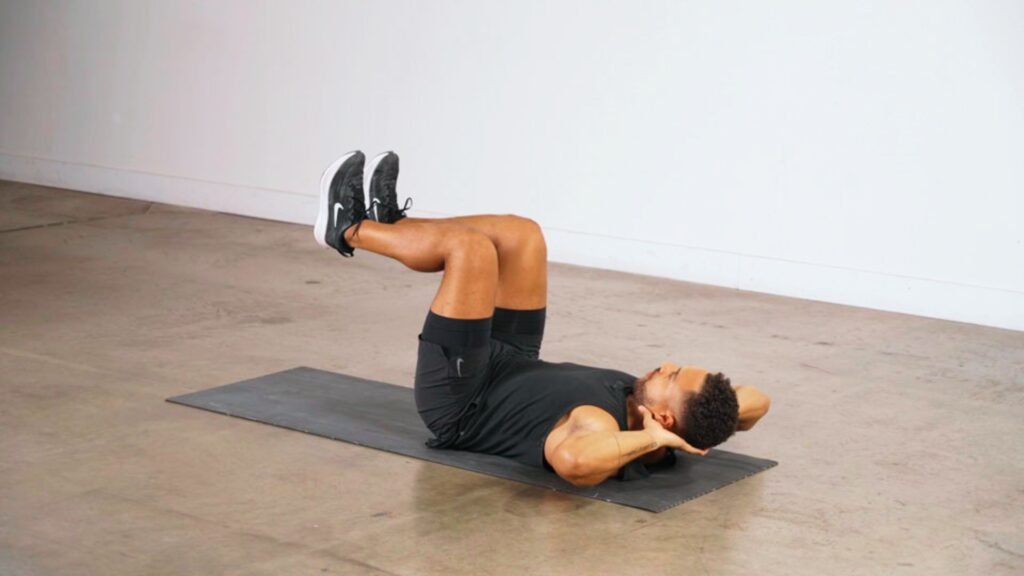
Your knee feels off during balance work, and you're not sure if you're doing the move right. The knee pulls exercise looks simple, but small form mistakes can quietly stop your progress.
This guide covers exactly how to do knee pulls the right way, the correct steps, common mistakes to avoid, useful variations, and tips to get better results faster.
By the end, you'll know exactly how to do this move with confidence and clean form.
What Is Knee Pull Exercise?
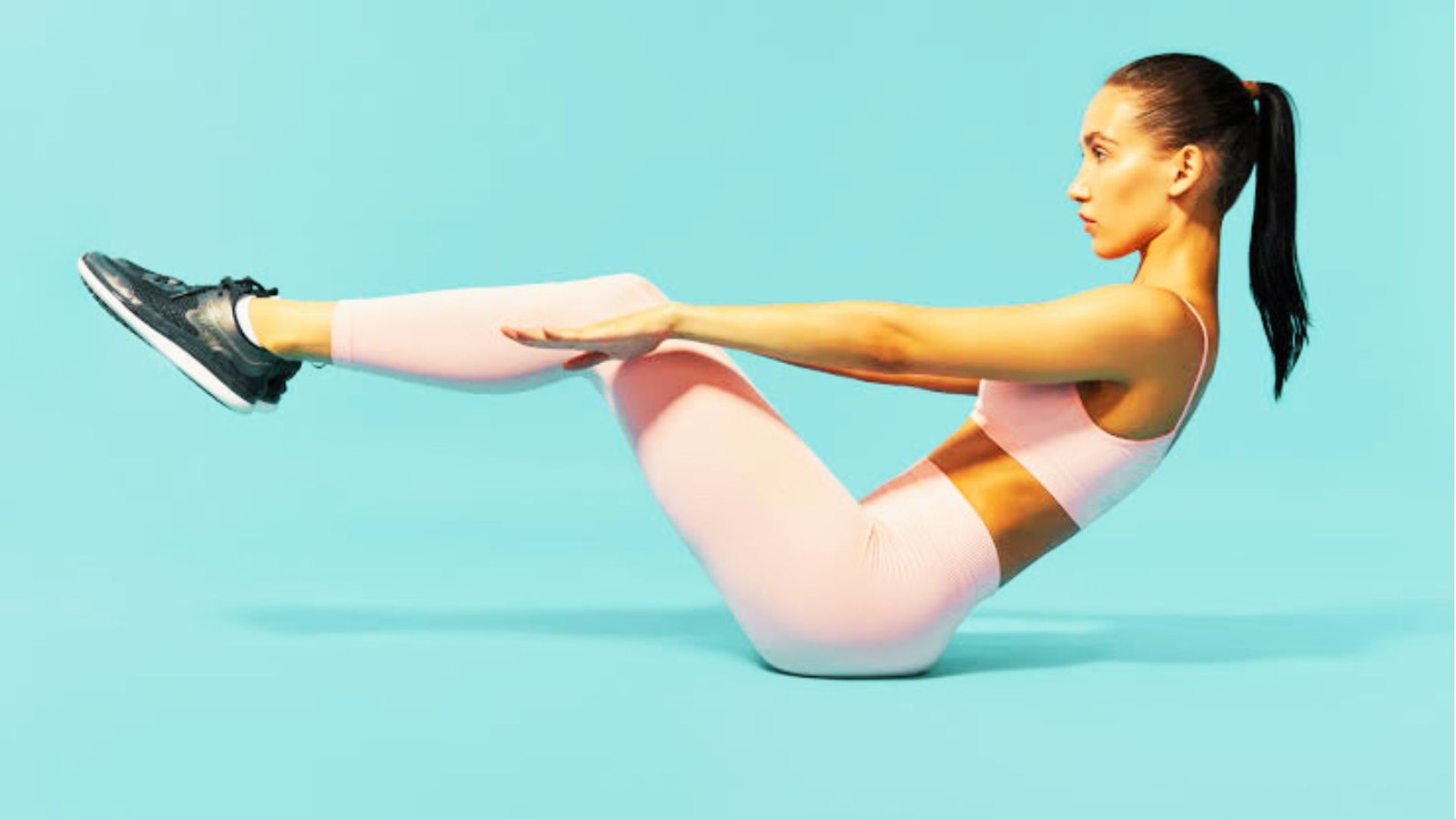
The knee pulls exercise is a simple move where you stand on one leg and pull the other knee up toward your chest. You can do it with just your hands, or add a resistance band or light tubing for more challenge.
It trains your hip flexors, especially the iliopsoas, along with your core muscles, including your abs and lower back, and it builds single-leg balance and proprioception all at once.
This move shows up a lot in physical therapy and mobility routines. It's also common in strength training warm-ups because it wakes up your hips before harder lifts.
That same hip and core activation is why this move carries over to bigger lifts like squats and lunges, strong stabilizer muscles here mean steadier form when the weight goes up later.
How to Do the Knee Pulls Exercise Correctly
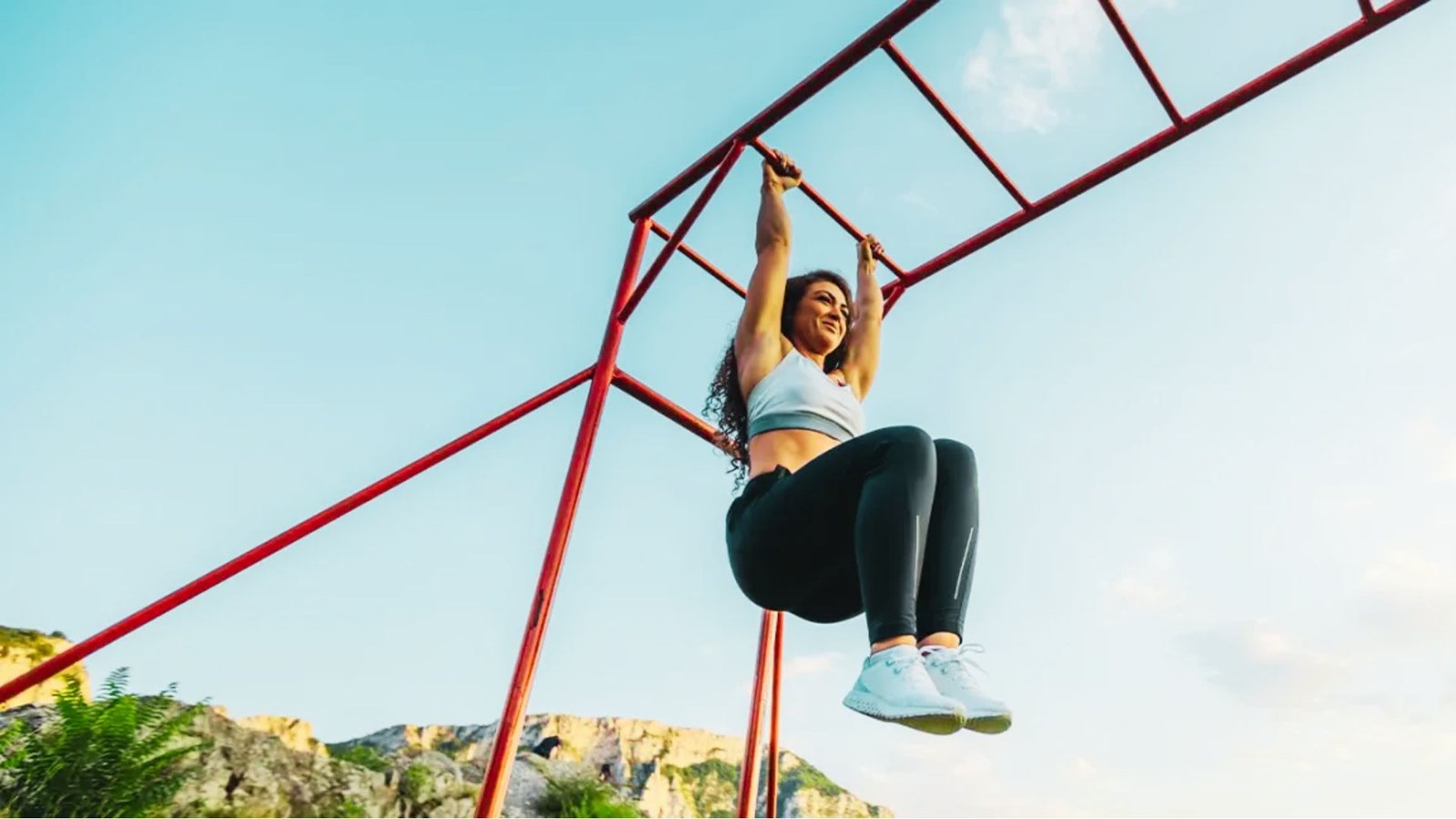
This part walks you through the correct steps, form cues, and breathing tips for doing knee pulls safely.
Equipment and Starting Position
You don't need any equipment for basic knee pulls. Stand tall with your feet hip-width apart. Keep your arms relaxed at your sides, or hold a wall or chair nearby if you need support with balance.
Step-by-Step Instructions
Stand tall and pick a leg to lift. Shift your weight onto your standing leg. Bring your knee up toward your chest. Hold the position for one to two seconds. Lower your leg with control and repeat.
Move slowly through each rep. Rushing through the motion takes away most of the benefit.
Proper Form Cues for Better Results
Keep your standing leg slightly bent, not locked straight. Pull your knee up using your hip flexors, not your hands.
Your hamstrings and quadriceps help control the lift and the lower, so don't rush it. Keep your chest lifted and your spine tall the whole time. Avoid leaning back as you pull the knee up.
Breathing Technique
Breathe out as you pull your knee up toward your chest. Breathe in as you lower your leg back down. Keep your breathing steady and calm.
Holding your breath during the pull makes the move harder than it needs to be.
Knee Pulls Exercise Variations
This part shows different ways to do knee pulls, from standing to seated and chair based options.
High Knee Pulls
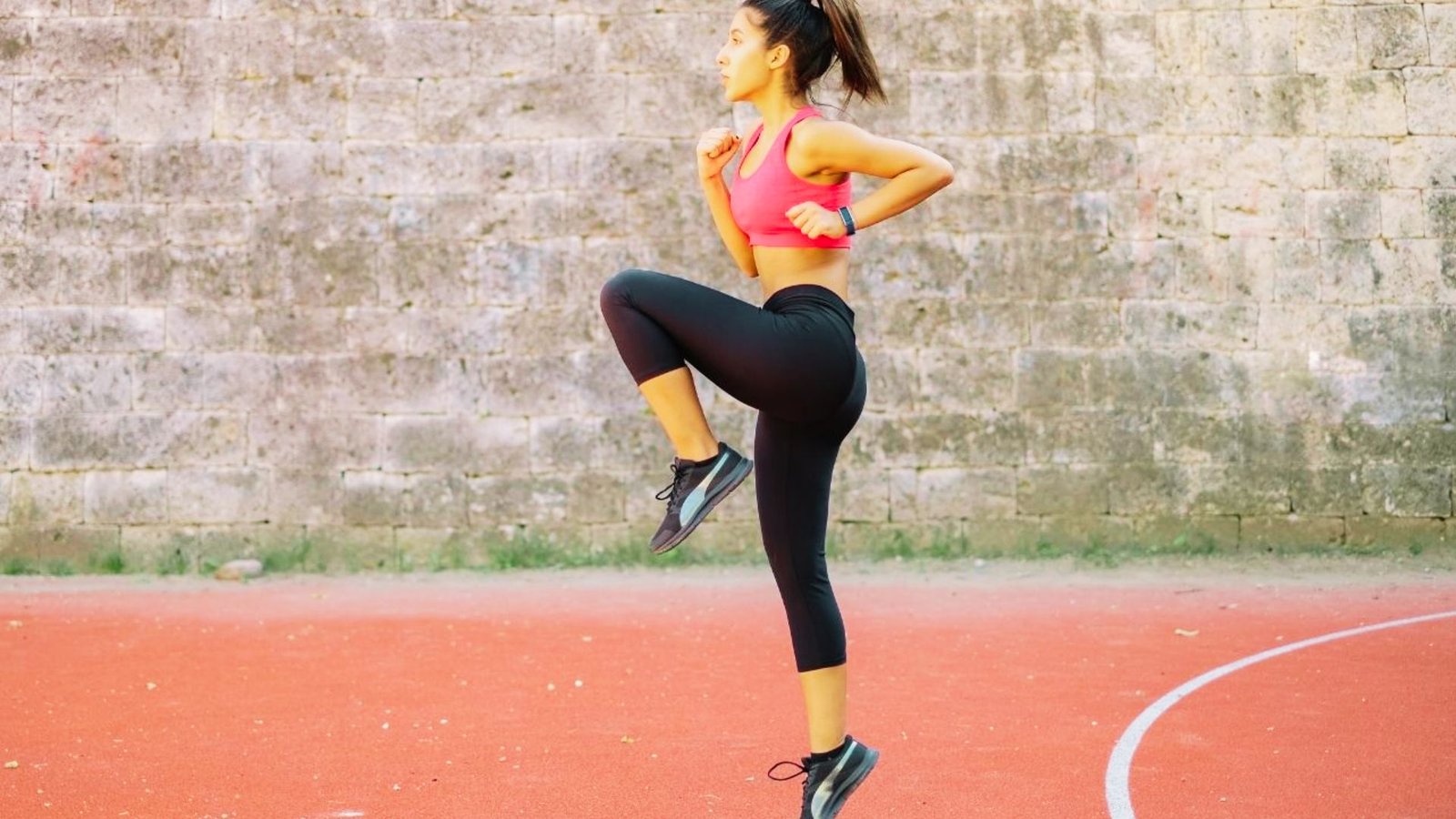
This version turns the move into a faster, more athletic drill. You lift the knee higher and quicker, almost like a marching motion. Aim for 15 to 20 reps per leg. It works well as a warm up before running or sport training.
Seated Knee Pulls Exercise
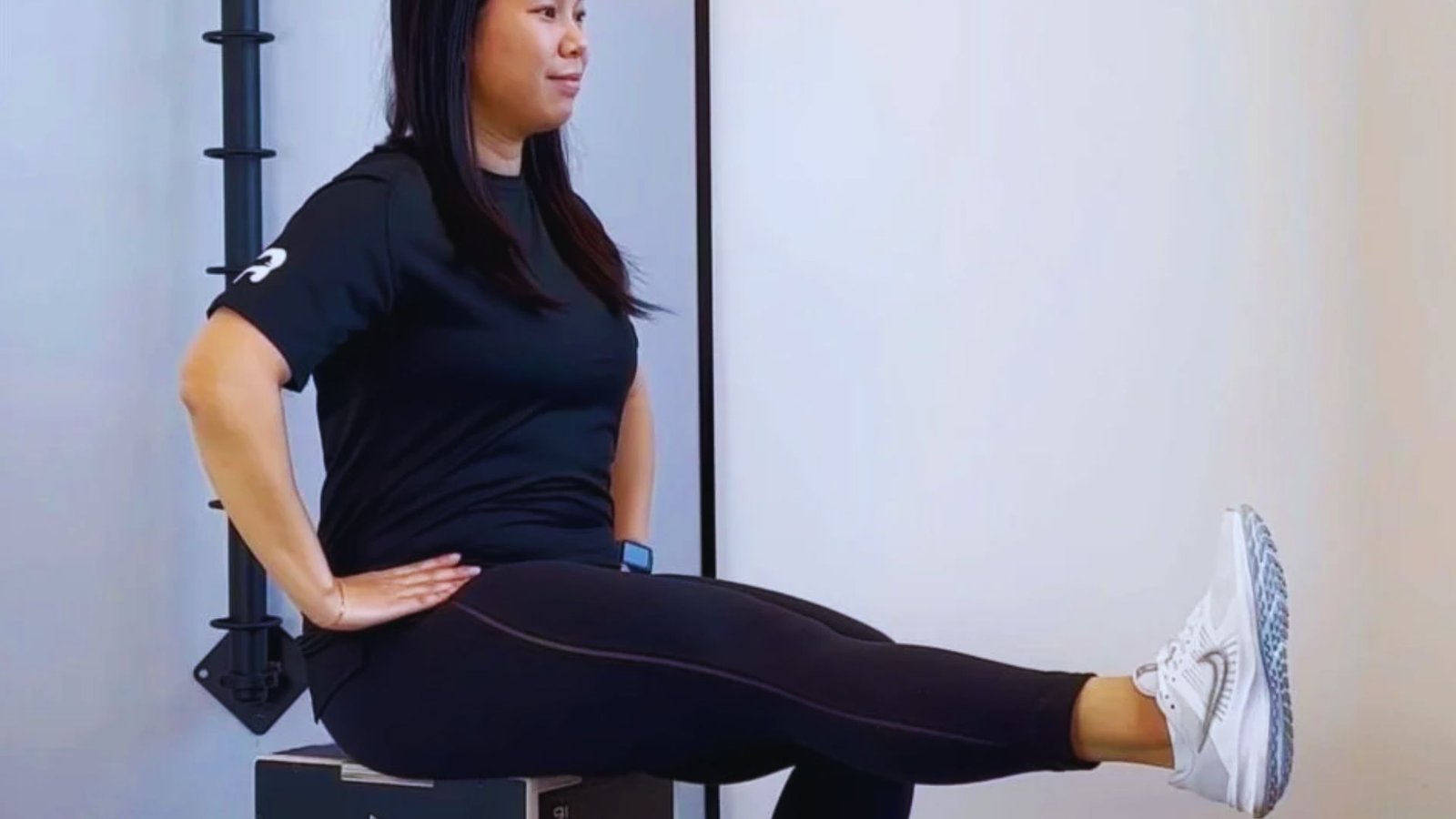
Sitting on the floor or a mat takes balance out of the equation. You lean back slightly and pull one knee toward your chest at a time. Ten to twelve reps per leg is plenty here since the core does most of the work.
This works well for people who want a pure core focused version. Physical therapists often use a controlled seated version like this for knee and hamstring mobility work too.
Chair Knee Pulls
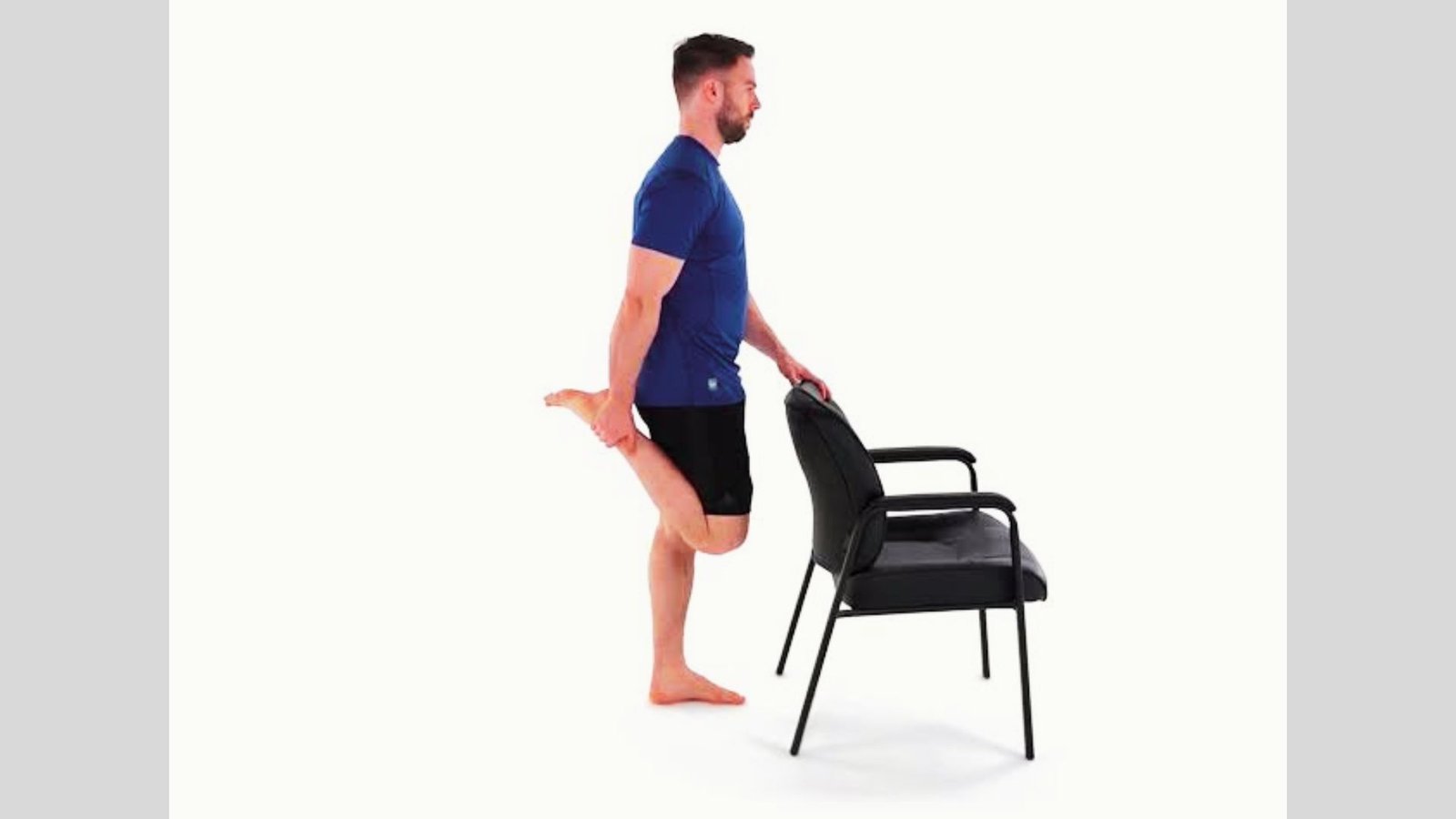
Using a chair for support makes this move easier for beginners or older adults. You hold the back of the chair with one hand and pull your knee up with control.
Stick to 8 to 10 reps per leg to start. It's a great starting point if standing balance feels shaky.
Tai Chi Knee Pulls
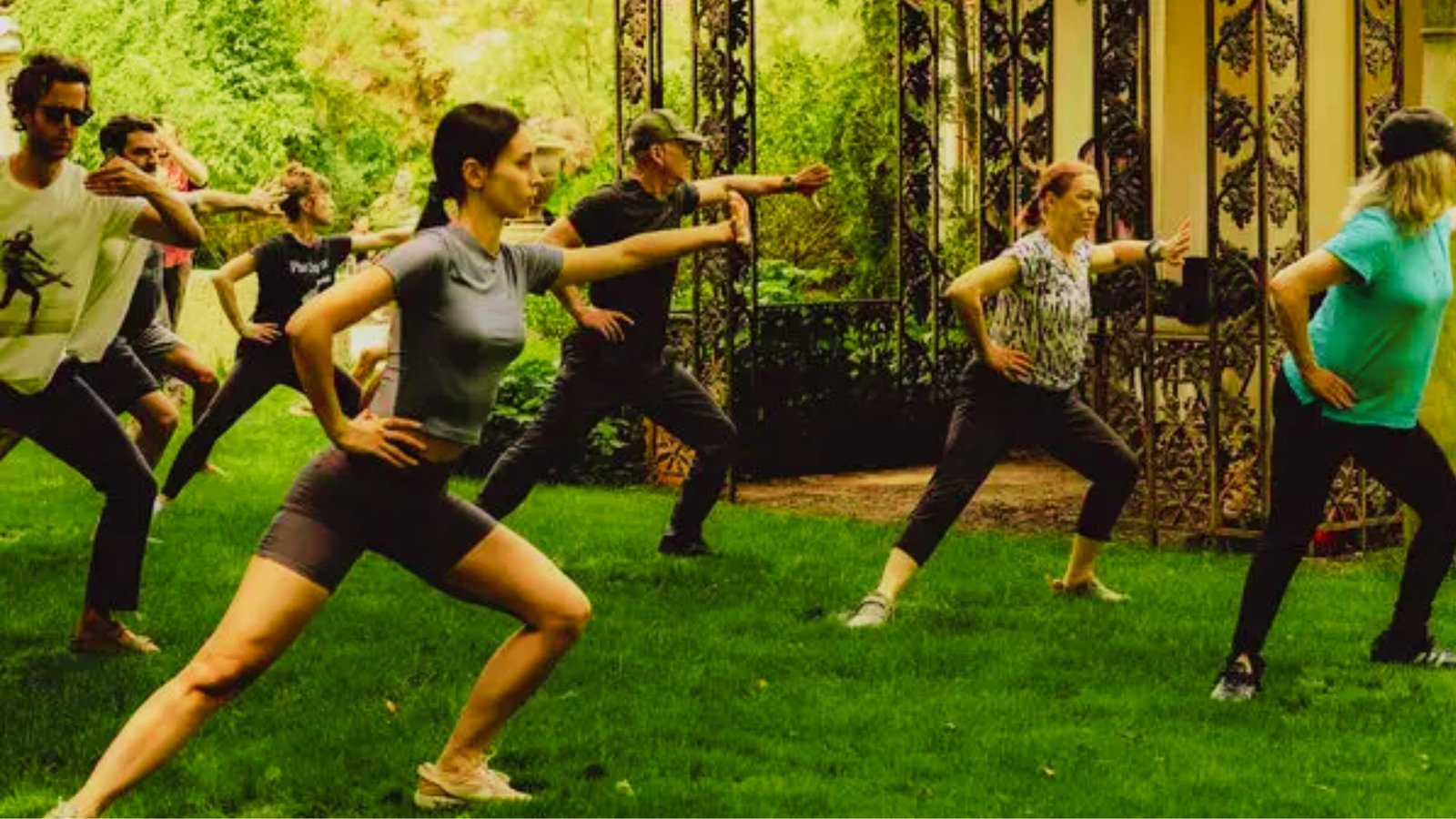
This slower, flowing version comes from Tai Chi practice. The movement stays smooth and controlled with steady breathing throughout.
Six to eight slow reps per leg is enough, since each rep takes longer than the standing version. It works well for people who want a calmer, low impact way to build balance.
Common Knee Pulls Exercise Mistakes to Avoid
- Using momentum instead of control:Swinging the leg up fast turns this into a momentum move instead of a strength move, and you lose most of the hip flexor benefit.
- Poor posture and a rounded back:Rounding your back shifts the work away from your core and onto your lower back, which is exactly where soreness starts.
- Lifting the knee incorrectly:Lifting the knee out to the side changes which muscles do the work and can leave your hip feeling tight instead of stronger.
- Choosing too much resistance:Adding a band too early can wreck your form before your balance is ready for it.
- Forgetting to brace your core:Skipping this cue lets your torso wobble mid-rep, which cancels out the balance benefit you're working for.
Clean up these mistakes and every set will count more. Once your form is solid, the next step is dialing in how often and how much you do it, which is where the tips below come in.
Who Should Do the Knee Pulls Exercise?
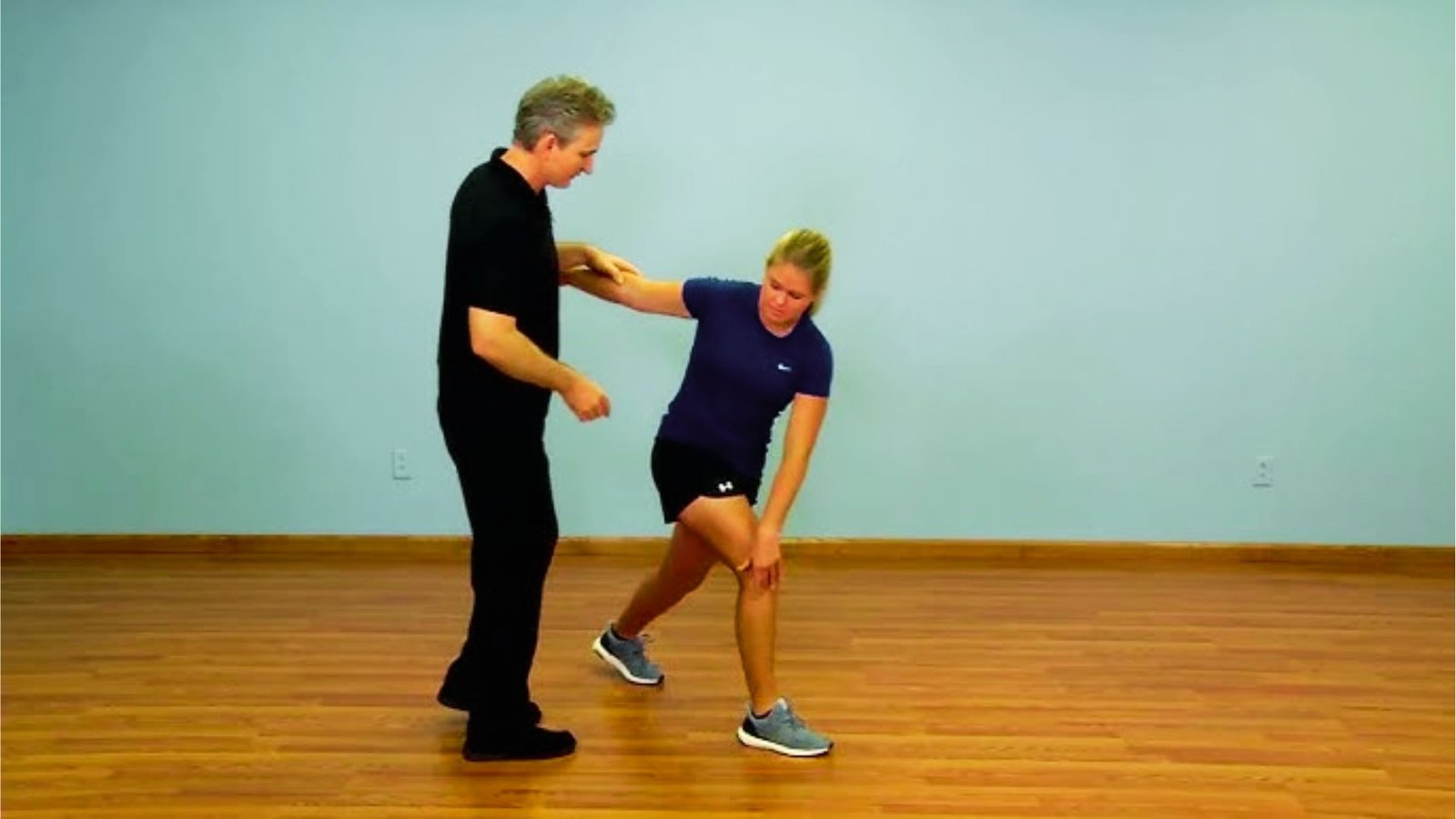
Knee pulls work well for almost anyone. Beginners get an easy way to build hip strength and balance.
Older adults use it to keep their hips mobile, support glute stability, and lower their fall risk. People in physical therapy often use it to rebuild strength after an injury. Athletes use it as a quick warm-up to activate the hips before harder training.
If you have a current hip or knee injury, check with a doctor or physical therapist before adding this move to your routine.
Tips for Better Performance
- Warm up before you begin:A short warm-up gets your hips ready to move. Try a few minutes of walking, light marching in place, or gentle stretching.
- Recommended reps and sets:Most people do well with two to three sets of ten to fifteen reps per leg. Beginners can start lower and build up over time.
- How often to do it:Two to four times a week works well for most people. Rest a day between sessions if your hips feel tired.
- Exercises to pair with knee pulls:Glute bridges, single-leg balance drills, and hip flexor stretches work well alongside this move.
- Listen to your body: Stop if you feel sharp pain or joint discomfort. A little muscle fatigue is normal, but pain is not.
Conclusion
I started adding the knee pulls exercise to my own warm ups a few months back, mostly to fix my wobbly balance on one leg.
It felt awkward at first, but within a couple weeks my hips felt looser and steadier on every workout. That's the real win here. Small moves like this add up fast when you stay consistent.
Try it for a week and see how your hips feel. Drop a comment and tell me how it went, share this post with a friend who needs steadier balance, or check out our other hip mobility guides.
Frequently Asked Questions
Is the knee pull exercise good for weight loss?
It burns some calories but works best for hip strength and balance. Pair it with cardio and a balanced diet for real weight loss results.
Can knee pulls help with lower back pain?
Yes, done with good posture, it can ease lower back pain. This move engages your abs and lower back together, so a stronger core takes pressure off your lower back. Stop if you feel any sharp pain.
Do knee pulls build muscle or just improve balance?
Mostly balance and hip flexor strength, not big muscle growth. It works small stabilizer muscles in your hips and core that support bigger lifts like squats and lunges, which is why it makes a good warm up before those moves.
Can I do knee pulls every day?
Yes, this move is gentle enough for daily practice. Just watch for hip soreness and take a rest day if your joints feel tired.