Choosing between the leg press and hack squat can be confusing. Both machines target your legs, but they work differently and suit different goals.
If you've been wondering which one is worth your time, this article breaks it all down.
You'll learn how each machine works, what muscles they hit, and which one fits your training goals.
I've worked with both machines across different training styles, so the insights here come from real experience, not just theory.
Whether you want bigger quads, stronger glutes, or a safer option for bad knees, this guide covers it all.
By the end, you'll know exactly which machine to use, when to use it, and how to get the best results from both.
Understanding the Leg Press and Hack Squat
Both the leg press and hack squat are staples in most gyms, but they work quite differently.
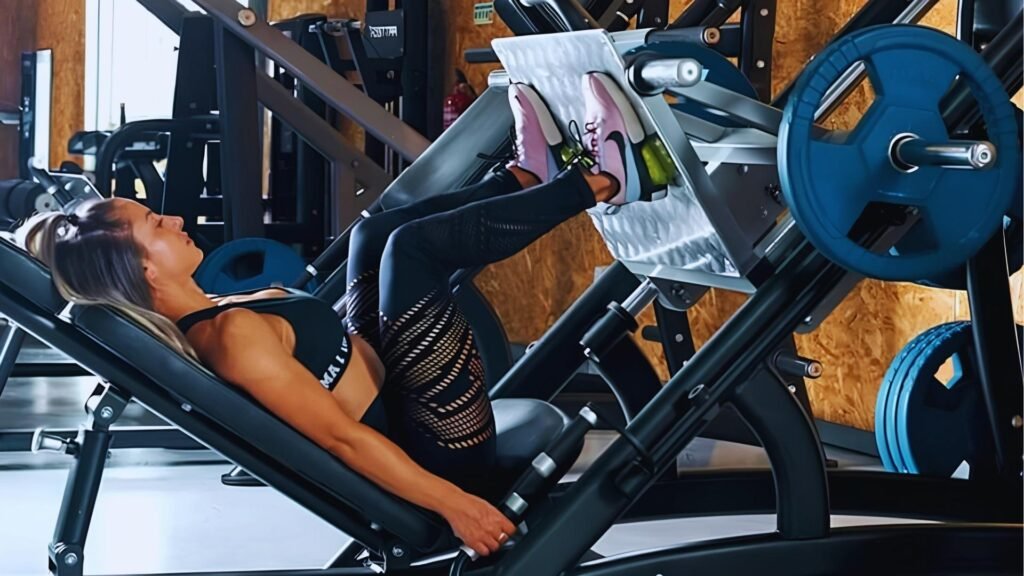
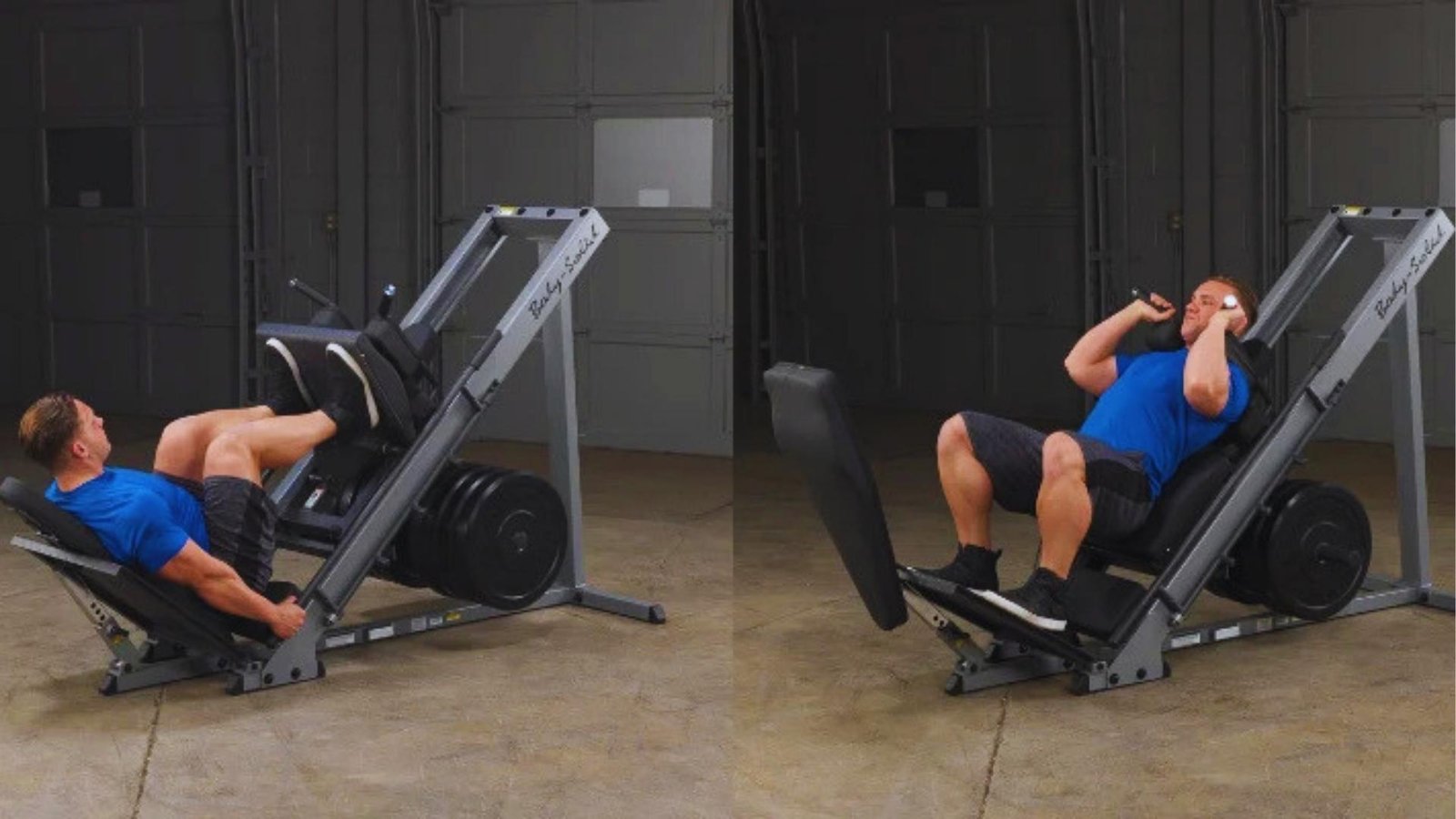
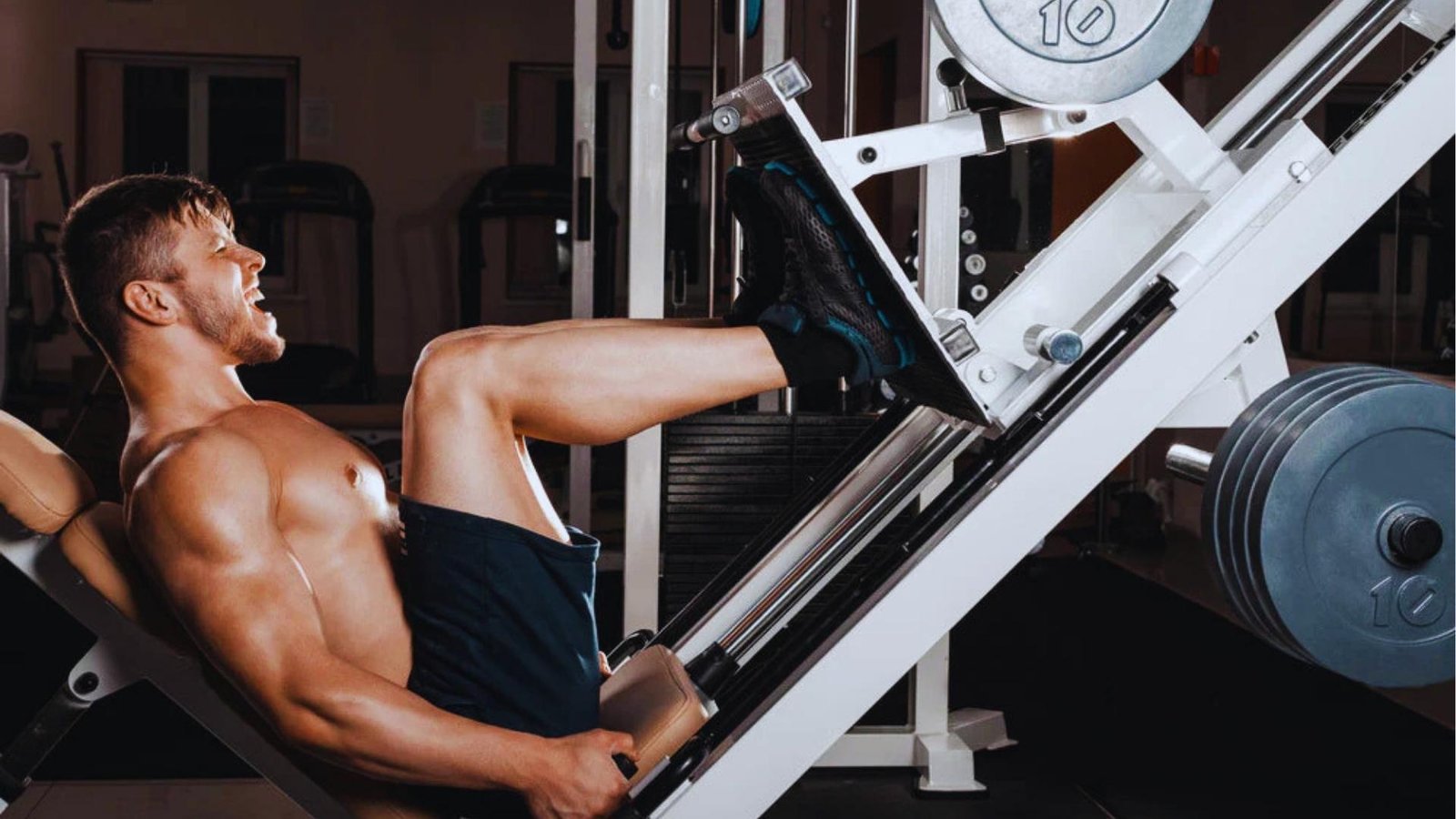
The leg press has you seated or reclined, pushing a weighted platform away using your legs while your back stays fully supported.
The most common version is the 45-degree leg press, where you lie against a back pad with your legs angled upward.
You press through your heels or the balls of your feet to control the load.
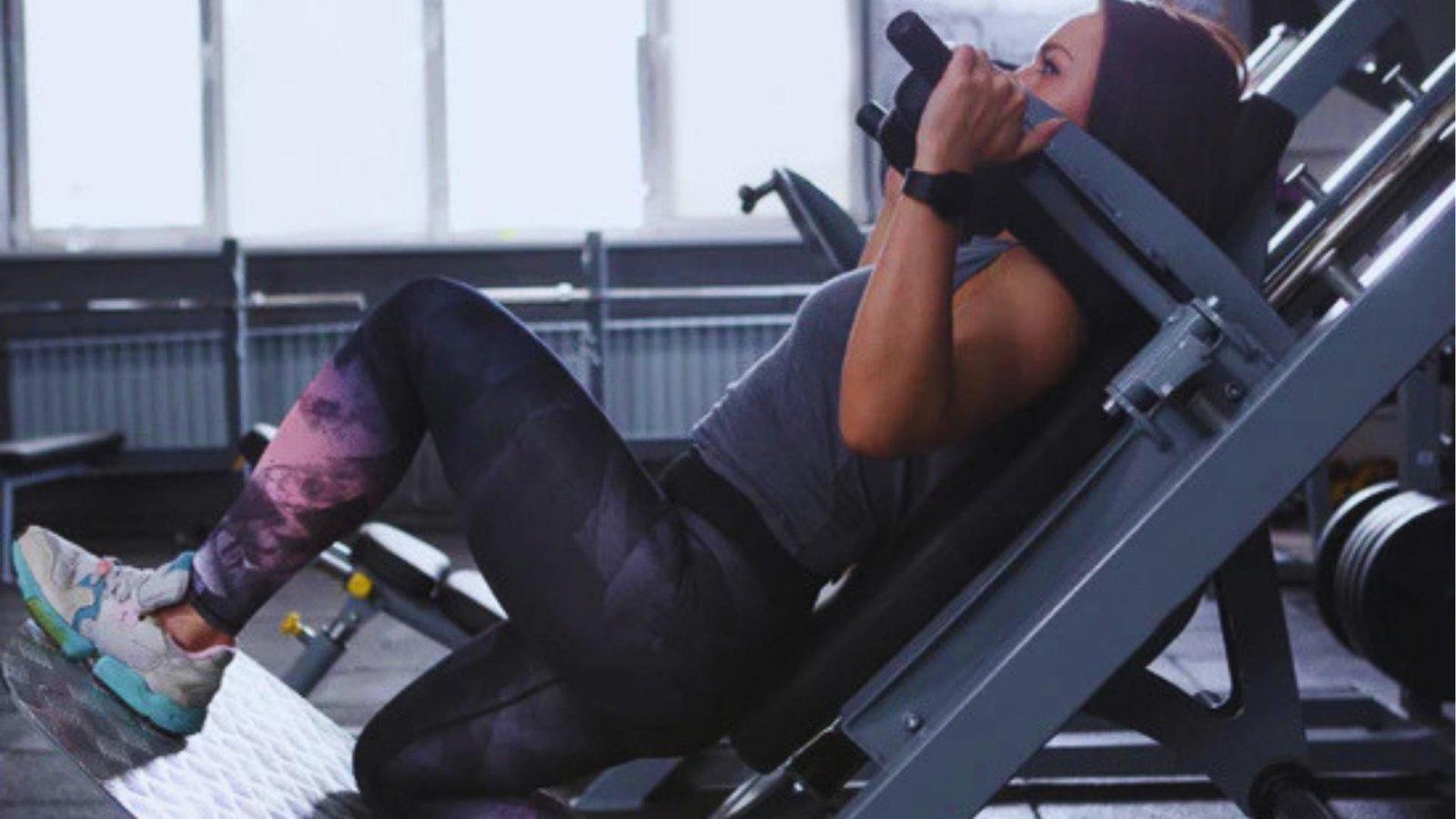
The hack squat, on the other hand, has you standing on a platform with your back against a padded support, squatting down in a fixed guided path.
It mimics a squat pattern more closely. Despite their differences, both machines share key similarities.
They are compound movements that isolate the lower body without heavy spinal loading, allow safe progressive overload, target the quads as the primary muscle, and let you adjust foot placement to shift emphasis across different muscle groups.
Leg Press vs Hack Squat Key Differences
These two machines might look similar at first, but once you break them down, the differences are clear and they matter a lot for your training.
| Feature | Leg Press | Hack Squat |
| Movement pattern and body position | Performed in a seated or reclined position while pushing the weight horizontally or at an angle. Your body remains mostly fixed throughout the movement. | Performed in an upright squatting motion with your back supported. The movement closely mimics a natural squat pattern. |
| Muscles worked | Primarily targets the quadriceps, with greater glute and hamstring involvement depending on foot placement. A higher foot position shifts more emphasis to the glutes and hamstrings. | Primarily targets the quadriceps, especially the vastus lateralis and rectus femoris near the knee. The glutes also assist, but the emphasis remains more quad-dominant. |
| Range of motion | Range of motion is limited by the machine design and your hip mobility, typically reaching 70 to 90 degrees of knee flexion. | Allows a deeper squat position with 90 to 120 degrees of knee flexion, creating a greater stretch in the quadriceps and glutes for increased muscle activation. |
| Stability and core involvement | Requires minimal core and stabilizer muscle activation because the back is fully supported. | Requires greater core, hip, and stabilizer engagement to control the movement, making it a more functional lower-body exercise. |
| Progressive overload and weight capacity | Allows heavier loads due to the stable body position, making progressive overload straightforward. | Supports progressive overload but usually with lighter weights because the movement demands more control and coordination. |
Why Lifters Prefer the Leg Press or Hack Squat
Different lifters have different reasons for choosing one machine over the other, and both choices can make sense depending on your training style and goals.
Why Some Lifters Prefer the Leg Press
Many lifters love the leg press because it lets them move heavy weight with less technical demand. It's easy to learn, easy to load, and easy to recover from.
People with knee issues or lower back problems often find it more comfortable. It's also great when you want to add volume without taxing your joints too much.
Why Others Choose the Hack Squat
Lifters who want a movement that feels more like squatting often choose the hack squat.
It builds quad thickness really well. Bodybuilders especially like it for developing that sweeping quad shape. It also gives a better stretch at the bottom compared to the leg press.
Research using EMG testing shows the hack squat produces higher overall muscle activation than the leg press at similar effort levels, which many lifters feel translates to better muscle growth, or hypertrophy, over time.
Which Machine Is Better for Building Leg Muscle?
Neither machine is objectively better for everyone. The hack squat may have a slight edge for quad development due to its deeper range of motion.
But the leg press lets you add more volume with heavier loads more easily. Using both together is likely the best approach for total leg growth.
Is One Machine More Popular Than the Other?
The leg press is generally more common in commercial gyms and is used by a wider range of people.
The hack squat tends to be more popular among bodybuilders and intermediate to advanced lifters.
Both are staples, but you'll rarely find a gym without at least a leg press machine.
Leg Press vs Hack Squat Which Is Best for Your Goal?
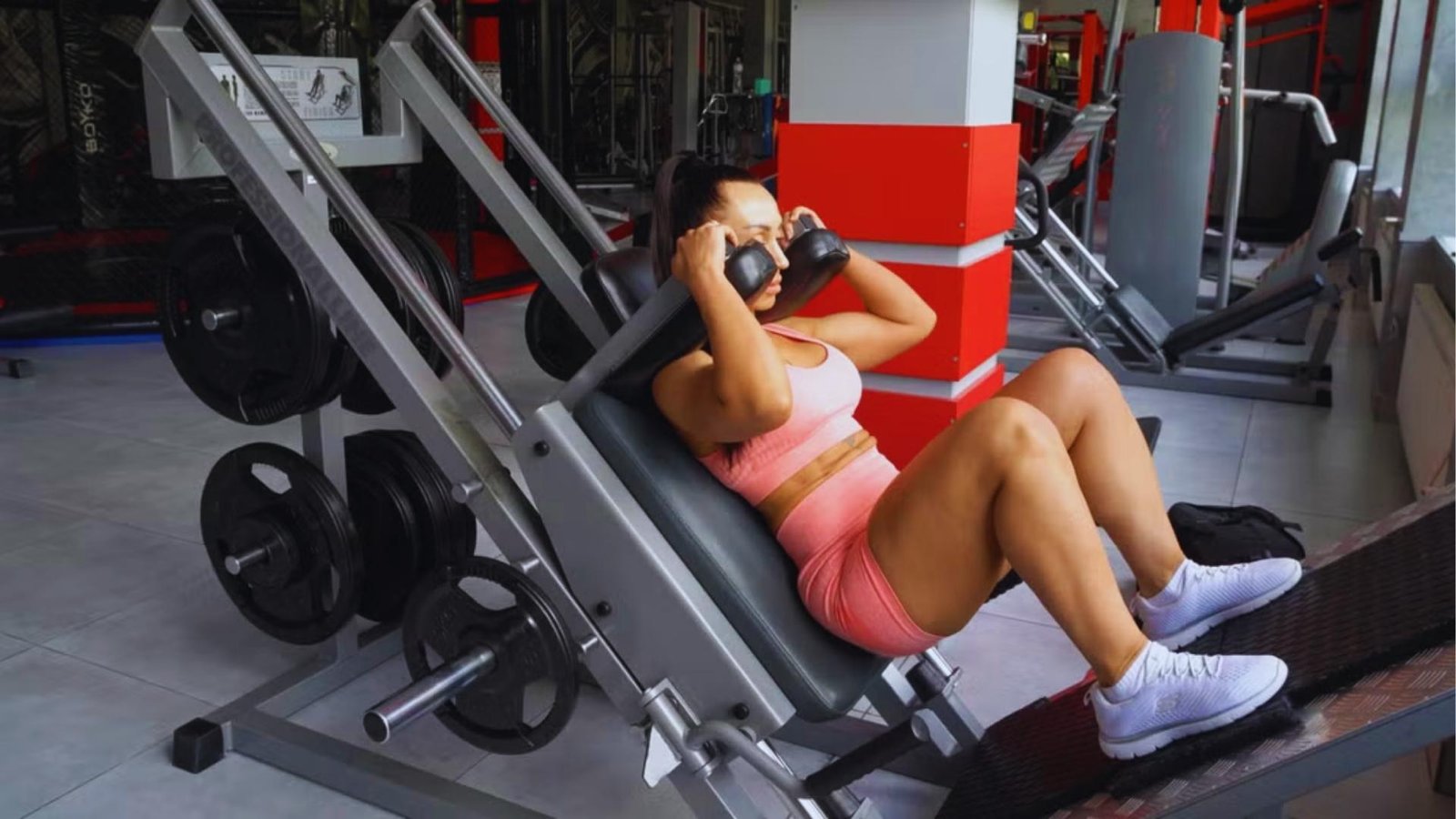
Your training goal should guide which machine you prioritize, because each one has clear strengths depending on what you're trying to build or improve.
Best for Quad Growth
The hack squat is slightly better for quad growth. The deeper range of motion stretches the quads more, including the vastus lateralis and rectus femoris, and activates them through a longer movement path.
Studies show muscles trained through a full range of motion can see up to 20 to 30 percent greater hypertrophy than those trained through partial movement.
If quad size is your main goal, the hack squat should be a key part of your routine.
Best for Glute and Hamstring Development
The leg press wins here, especially when you place your feet high on the platform.
This foot placement shifts load away from the quads and puts more demand on the posterior chain, meaning the glutes and hamstrings.
If you're trying to build your posterior chain, the leg press with a high foot placement is a solid choice.
Best for Strength Training
Both machines work well for building strength. The leg press lets you handle more total weight, which can be useful for overloading the legs.
However, the hack squat's squat-like pattern transfers better to real-world and barbell strength. For general strength, the hack squat edges ahead slightly.
Best for Beginners
The leg press is better for beginners. It has a simpler movement pattern, lower injury risk, and is easy to set up.
Beginners can build a solid foundation of leg strength on the leg press before adding more complex movements like the hack squat.
Best for People With Knee or Lower Back Concerns
This depends on the individual. The leg press is generally easier on the lower back. However, going too deep or using too much weight can put stress on the patellar tendon and knee joint.
The hack squat can actually be safer for the knees if done with proper form and the knees tracking in line with the toes.
Talk to a professional if you have existing injuries before choosing either machine.
Should You Choose One or Use Both?
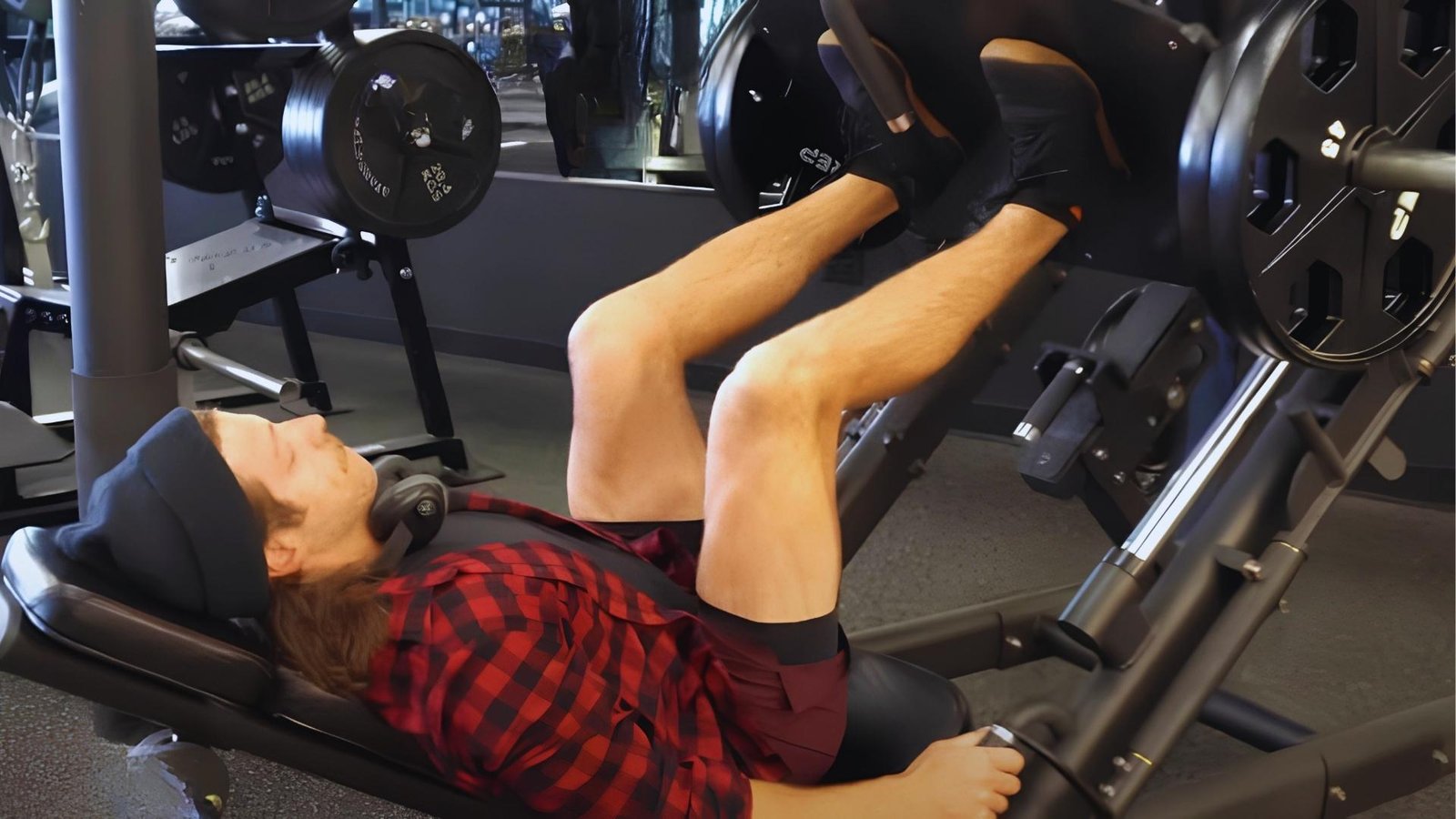
You don't have to pick just one machine, and in most cases, using both will get you better results than sticking with only one.
Can the Leg Press Replace the Hack Squat?
The leg press can partially replace the hack squat, but not fully. You miss out on the deeper quad stretch and the more squat-like movement pattern.
If your gym doesn't have a hack squat machine, a Bulgarian split squat or barbell squat can help fill that gap instead.
Benefits of Including Both Exercises in Your Routine
Using both machines gives you the best of both worlds. You get deep quad activation from the hack squat and high-volume, heavy loading from the leg press.
Together, they cover more muscle fibers and movement angles than either one alone. This leads to more complete leg development over time.
Sample Leg Workout Using Both Machines
Here's a simple workout that uses both machines
- Hack Squat – 4 sets of 8 to 10 reps (focus on full depth)
- Leg Press – 3 sets of 12 to 15 reps (high foot placement for glutes)
- Leg Curl – 3 sets of 10 to 12 reps
- Walking Lunges – 2 sets of 12 reps per leg
Start with the hack squat while you're fresh, then move to the leg press for added volume.
Common Mistakes to Avoid on the Leg Press and Hack Squat
Bad form on either machine can slow your progress and lead to injuries that keep you out of the gym for weeks.
Rounding Your Lower Back on the Leg Press
Your lower back should stay flat against the pad throughout the entire movement. When you go too deep or load too much weight, the back tends to peel off the pad.
This increases spinal stress and takes tension away from the legs where it belongs.
Letting Your Knees Cave In on the Hack Squat
Knees caving inward is one of the most common form breakdowns on the hack squat. It usually happens when the weight is too heavy or the feet are placed too narrow.
Always drive your knees out in line with your toes to protect the joint and keep the movement clean.
Cutting Your Range of Motion Short on Either Machine
Many lifters stop too high on both machines to make the weight feel easier. This limits how much the muscle stretches and contracts, which directly reduces growth.
Go as deep as your joints comfortably allow and focus on controlled reps over heavy partial ones.
Tips to Get the Most From Leg Press and Hack Squat
Good technique and smart programming make a bigger difference than which machine you choose, so these tips apply to both movements equally.
- Always use a full range of motion, thighs parallel on the hack squat and knees at 90 degrees or deeper on the leg press, to maximize muscle activation.
- Place your feet shoulder-width apart with toes slightly turned out. Go higher for more glute emphasis, lower for more quad focus. These foot placement variations are one of the most powerful ways to shift which muscles do the most work on both machines.
- Avoid form mistakes like lower back rounding on the leg press or knees caving in on the hack squat. Never lock your knees at the top, as this puts unnecessary strain on the knee joint.
- Apply progressive overload every week by adding weight, doing an extra rep, shortening rest periods, or slowing down the lowering phase to increase time under tension. Small increases build serious gains over time.
- Match your reps to your goal 8 to 15 for muscle growth, 4 to 6 for strength, and 15 to 20 for endurance and extra volume.
Conclusion
The leg press vs. hack squat debate doesn't have a single winner. Both machines build strong, muscular legs when used correctly.
The hack squat is great for quad depth and a fuller range of motion. The leg press shines for volume, glute work, and ease of use. The smartest move is to use both.
Start applying what you learned today and see how your legs respond. Found this helpful? Drop a comment below or share it with a training partner who's been wondering the same thing.
Frequently Asked Questions
Can I do a hack squat and leg press in the same workout?
Yes, you can. Many lifters pair them in one session. Do hack squats first when energy is high, then finish with leg press for volume.
How often should I train legs using these machines?
Training legs two times per week works well for most people. It gives enough stimulus for growth and enough time for recovery.
Do I need to squat if I use both machines regularly?
Not necessarily. Both machines can replace squats for many people, especially those with mobility or spine issues limiting barbell squats.
Which machine burns more calories, leg press or hack squat?
The hack squat burns slightly more calories because it recruits more stabilizer muscles and demands greater effort throughout the movement.
Should I use the hack squat or leg press first in my workout?
Start with the hack squat since it's more technically demanding. Save the leg press for later when fatigue sets in and form is easier to maintain.