
You know squats build legs. You know lunges hurt in a good way. What nobody tells you is where these lifts belong in your week.
That is the part that decides your results. Most guides hand you another exercise list and stop there. You leave with moves but no plan.
This one is different. We will settle what lower push exercises actually are, since coaches still argue about it. Then we will show you how they fit inside push-pull legs, push-pull, and four- or five day splits.
You get a sample week you can copy. Real sets and reps. Weekly volume targets. Warm-up steps, progression methods, and the mistakes that quietly stall people for months.
Beginner, coach, or athlete, you will leave knowing exactly how to build your leg days. Let us get into it.
Why Coaches Cannot Agree on What Counts as a Lower Push?

Ask ten coaches, get two answers. Some say lower push means quad work only. Squats, leg presses, lunges.
They file glutes and hamstrings under pull. Others count hip thrusts as push, since you drive against load.
Use the movement pattern. Lower push means knee extension plus hip extension, pressing away from the floor. Coaches often call this the anterior chain, the front of your lower body.
Lower pull trains the posterior chain behind you. This matters. Label hip thrusts as push and your hamstrings may sit untrained for weeks.
The Muscles Doing the Work and What They Ask of You
Four muscle groups drive every lower push. Each one needs something different from you.
Quads: The Prime Mover You Can Overload Hardest
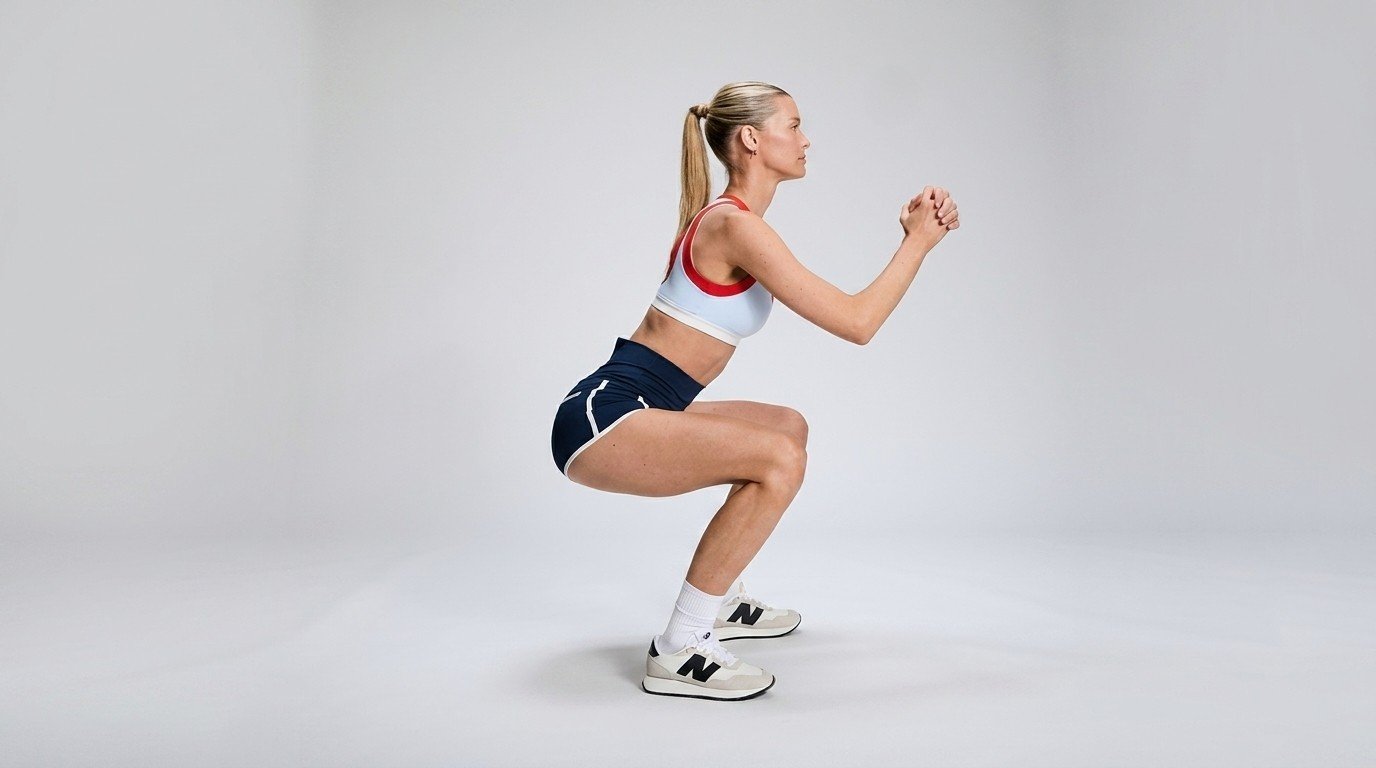
Your quadriceps straighten the knee. They handle heavy loads well and recover fast. That is why squats and leg presses sit at the front of most sessions.
Depth changes the stimulus. Going below parallel loads the quads through a longer range. Front squats shift more work onto them than back squats do.
Glutes and Adductors: The Ones Most Lifters Underload
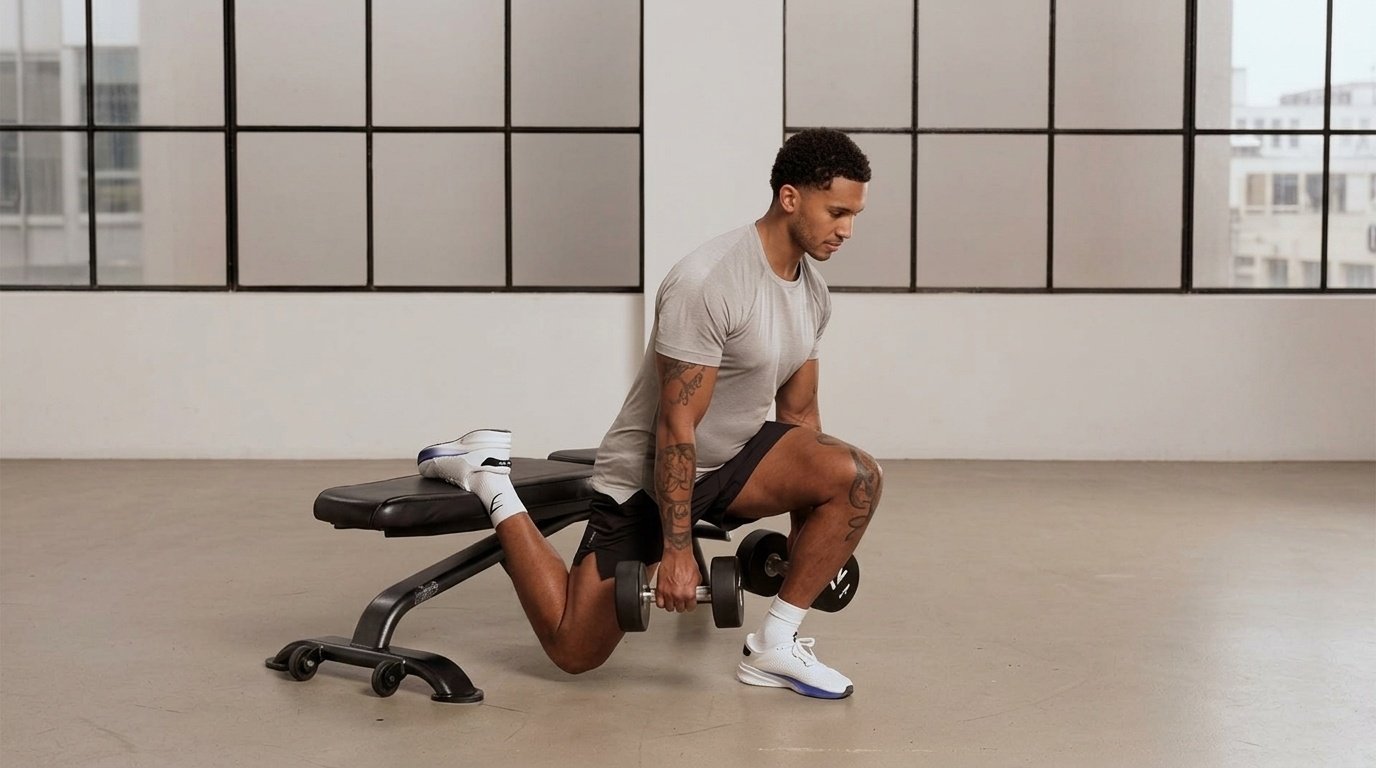
Glutes extend the hip. Adductors help too, and they work harder than most people think, especially in wide stances and deep squats.
Both respond to load, not just burn. Hip thrusts let you go heavy. Split squats stretch the glute under tension. Train them with real weight.
Calves and Core: Small Roles, Big Consequences
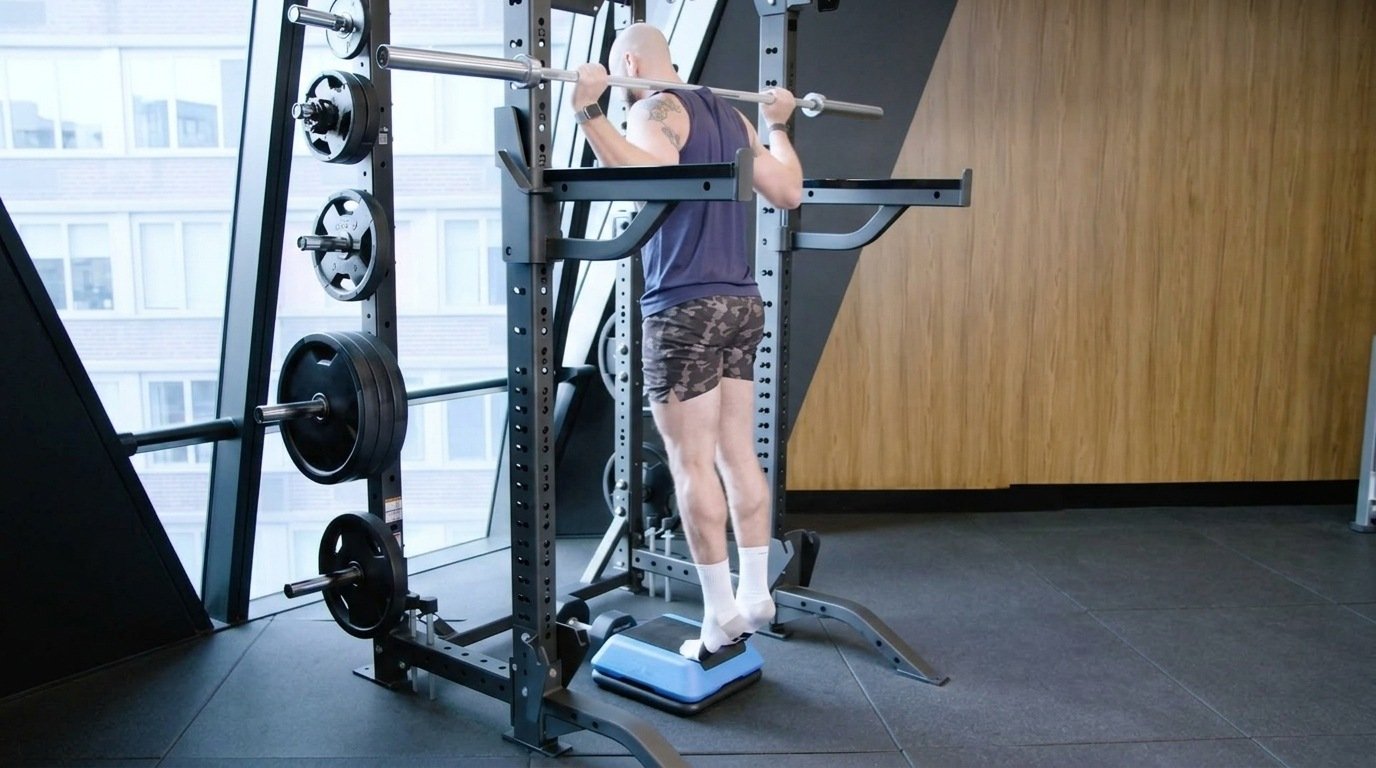
Calves stabilize the ankle in every standing lift. Weak ankles limit squat depth before your hips ever do.
Train them directly, twice a week. Standing calf raises hit the gastrocnemius. Seated calf raises hit the soleus underneath. Do both, three sets of 10 to 15.
Your core holds the trunk stiff under load. Brace before you descend, not after. A soft midsection turns into a rounded back.
The Movements Worth Your Time, Ranked by What They Give Back
Not all lower push moves pay the same. Group them by what they build, then pick from each.
Bilateral Heavy Work: Back Squat, Front Squat, Leg Press
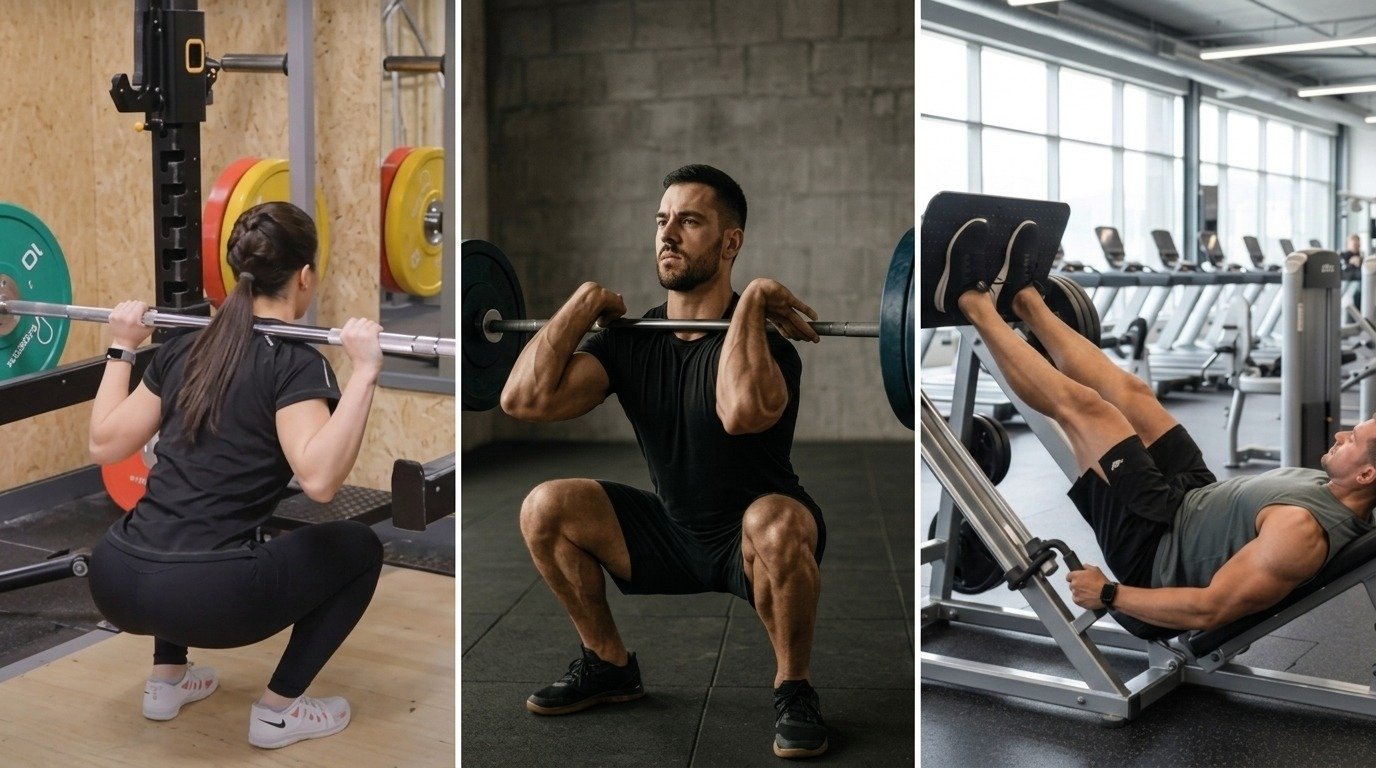
Two legs, big load. This is where you build raw strength. Work in the 4 to 8 rep range, three to five sets.
Set your feet shoulder width, toes turned out slightly. Grip the bar tight and pull it into your back. Sit down and back, not just down.
The back squat loads the most weight. The front squat racks the bar across your shoulders, which keeps the torso upright and hits quads harder.
Leg presses remove balance from the equation. Keep your lower back flat against the pad. Never lock the knees hard at the top.
Single Leg Work: Split Squats, Lunges, Step Ups
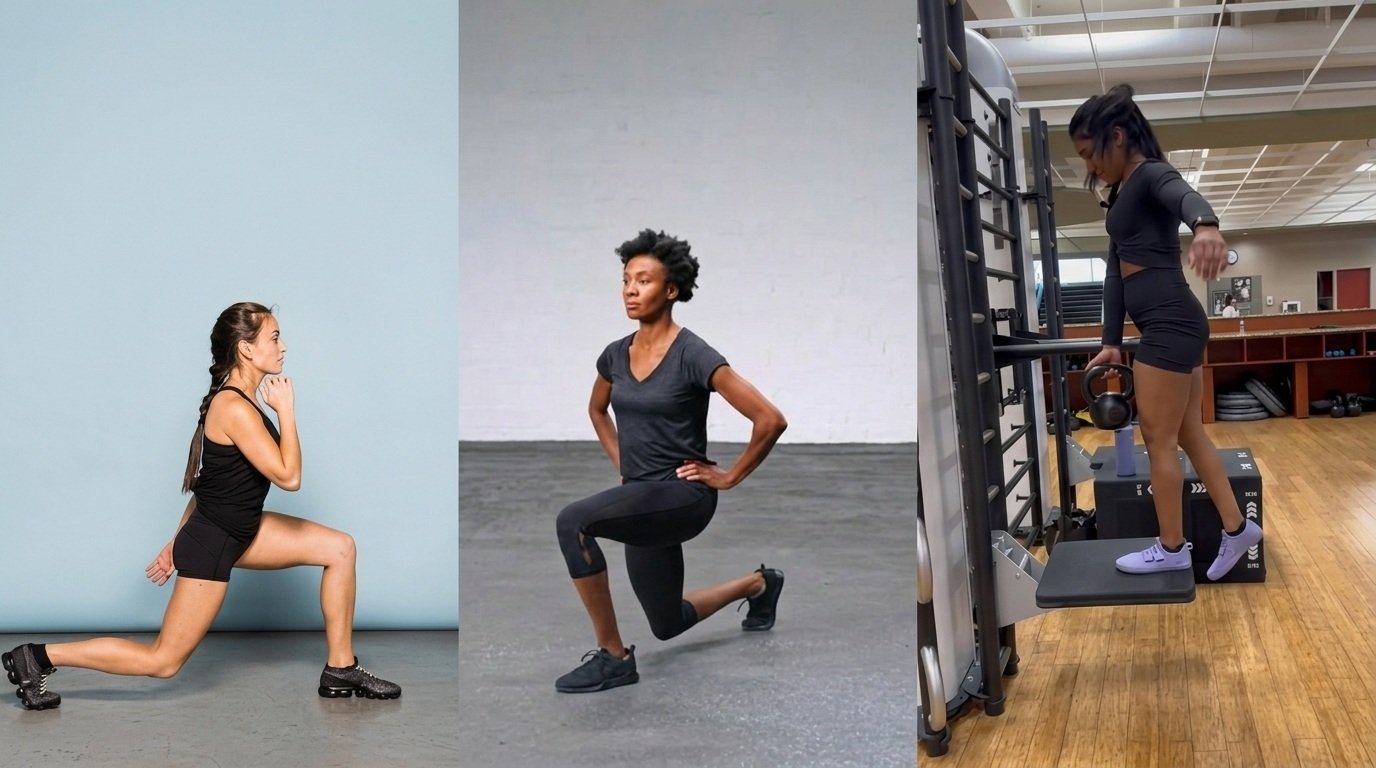
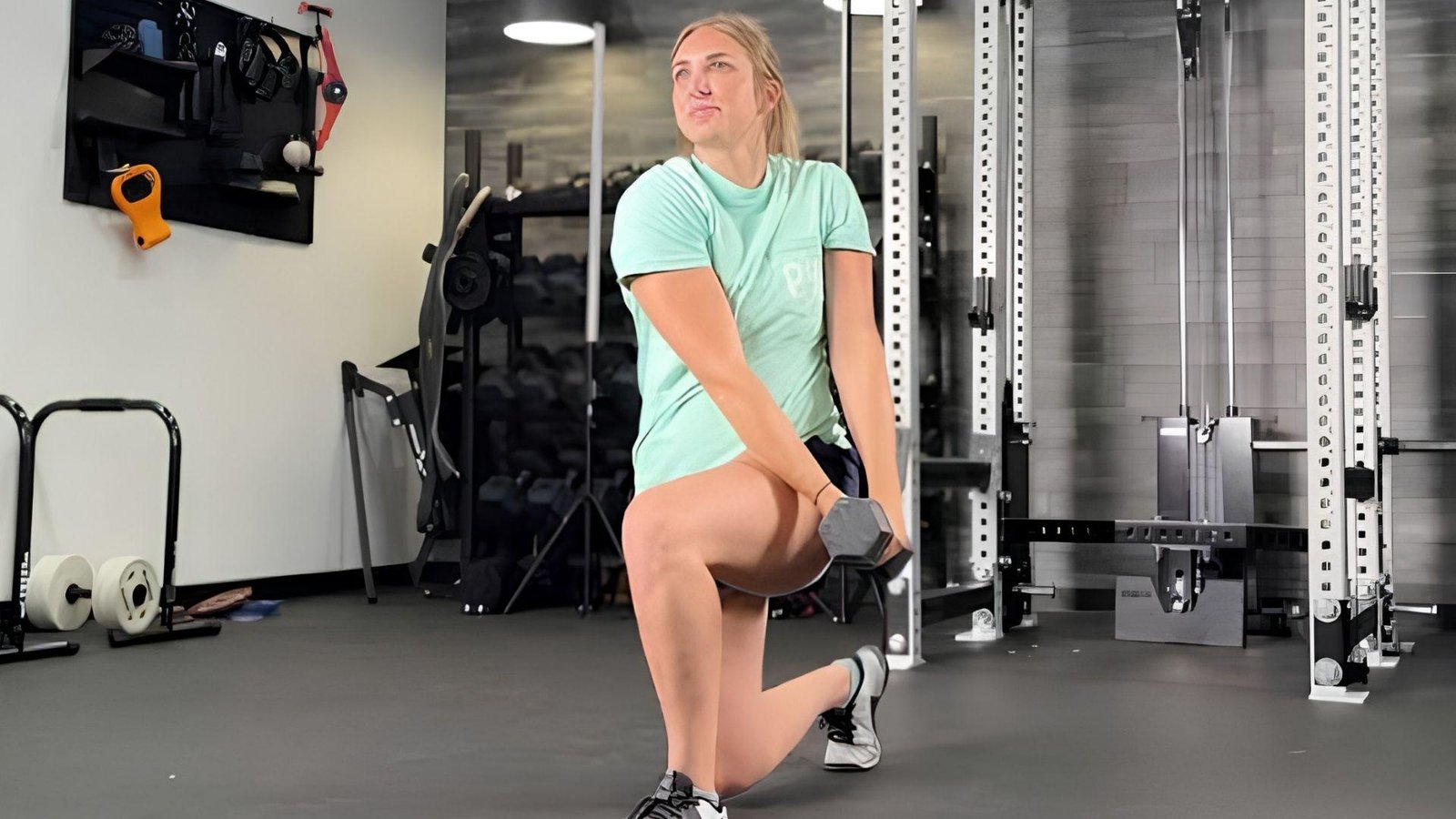
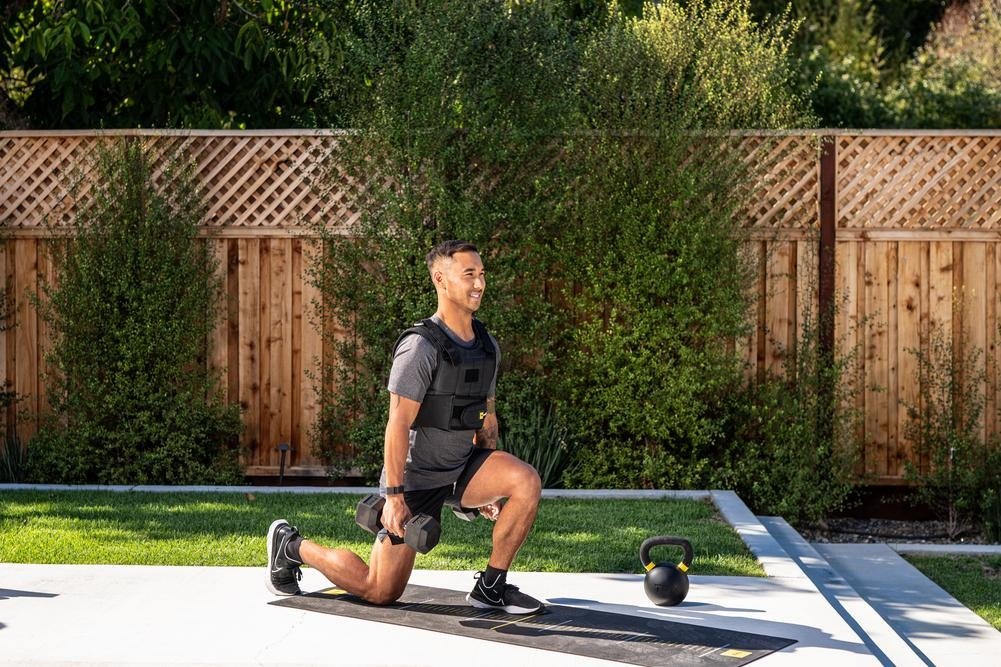
One leg at a time exposes weak sides. Run these for 8 to 12 reps per leg, two to four sets.
Bulgarian split squats hit glutes and quads through a long range with light dumbbells. Reverse lunges suit sore knees better than forward ones.
Step ups build real strength for stairs and hills. Start near knee height.
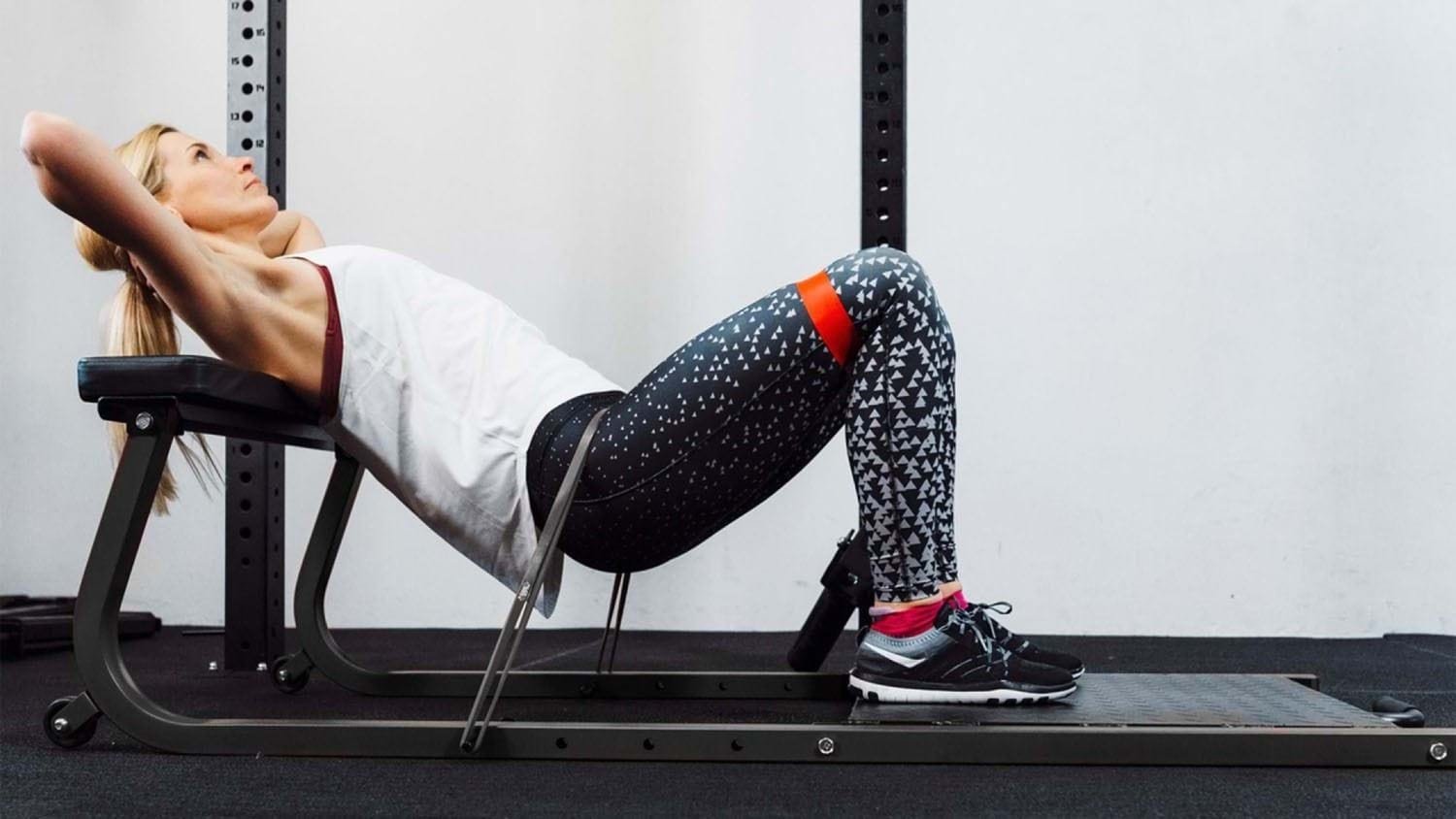
Hip Driven Work: Hip Thrust and Glute Bridge Variations
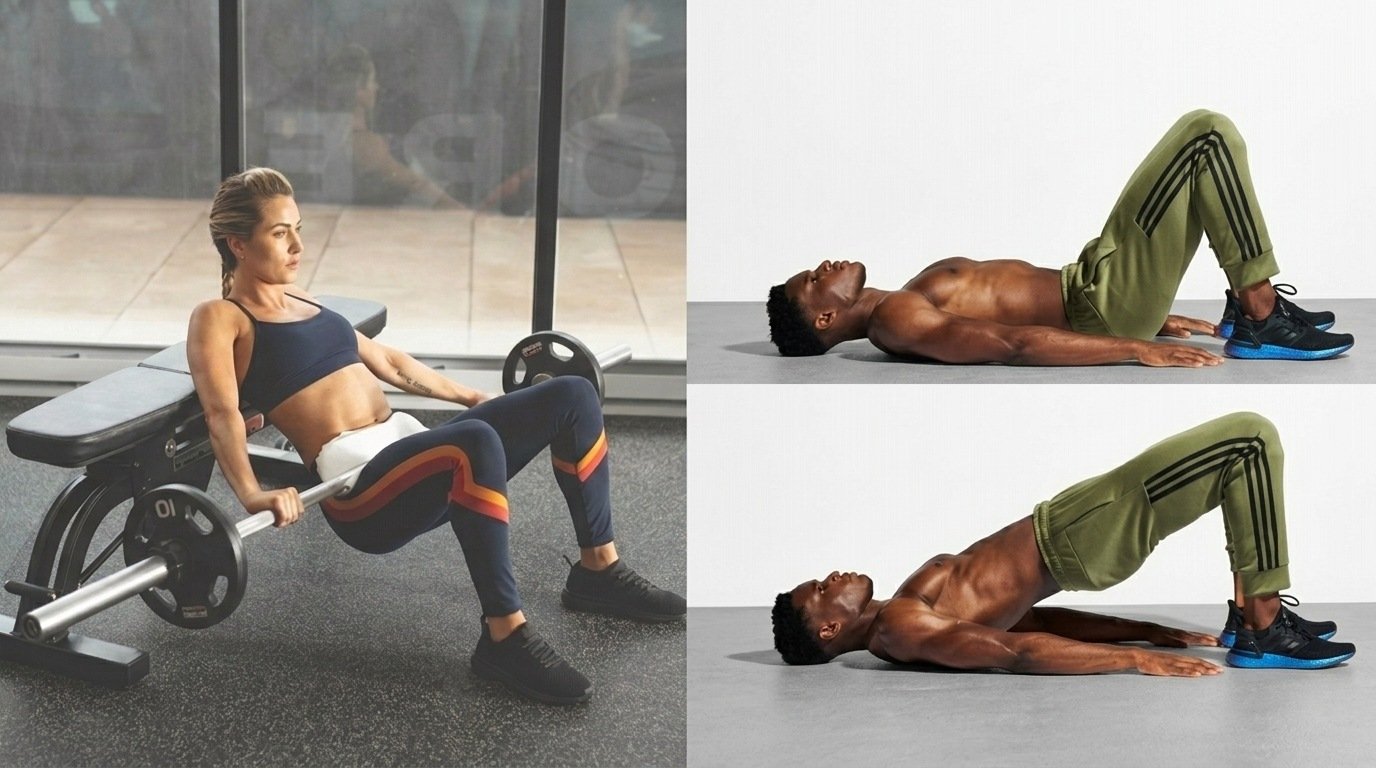
These load the glutes at full hip extension, where squats go light. That is the point. Use 8 to 15 reps, three to four sets.
Hip thrusts use a bench for more range. Glute bridges work on the floor with no setup.
Move your feet closer to your hips to bring in more quad. Tuck your chin and squeeze at the top.
How to Warm Up Before You Load the Bar?
Skip this and your first work set becomes your warm-up. That is where injuries hide.
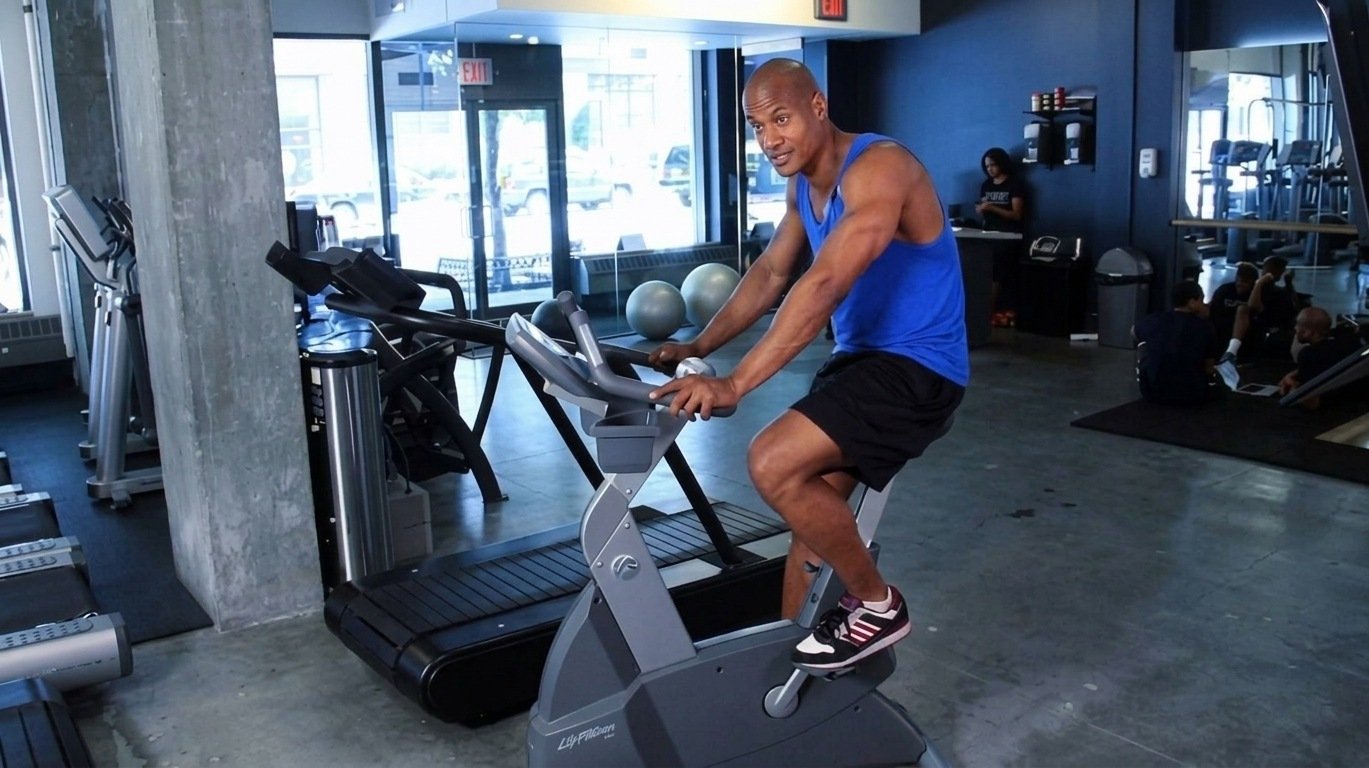
Start with five minutes on a bike or a brisk walk. Then do ankle rocks. Kneel with one foot forward and drive your knee past your toes, 10 reps each side.
Add 10 bodyweight squats and 10 glute bridges. Then ramp the bar. Empty bar, then 50 percent, 70 percent, 85 percent, then your working weight.
Keep warm-up sets short. Two to five reps each, no grinding.
Where Lower Push Sits Inside a Push Pull Legs Week?
The split you pick decides how often legs get pushed. Here are the three setups worth running.
Classic PPL: Legs Day Holds Both Push and Pull
Most people run push pull legs three or six days a week. Legs day carries squats and leg presses alongside curls and Romanian deadlifts.
It works, but push work goes first and pull work gets what is left. Rotate the order every few weeks so hamstrings get fresh effort too.
True Push Pull: Lower Push Joins Bench and Press Day
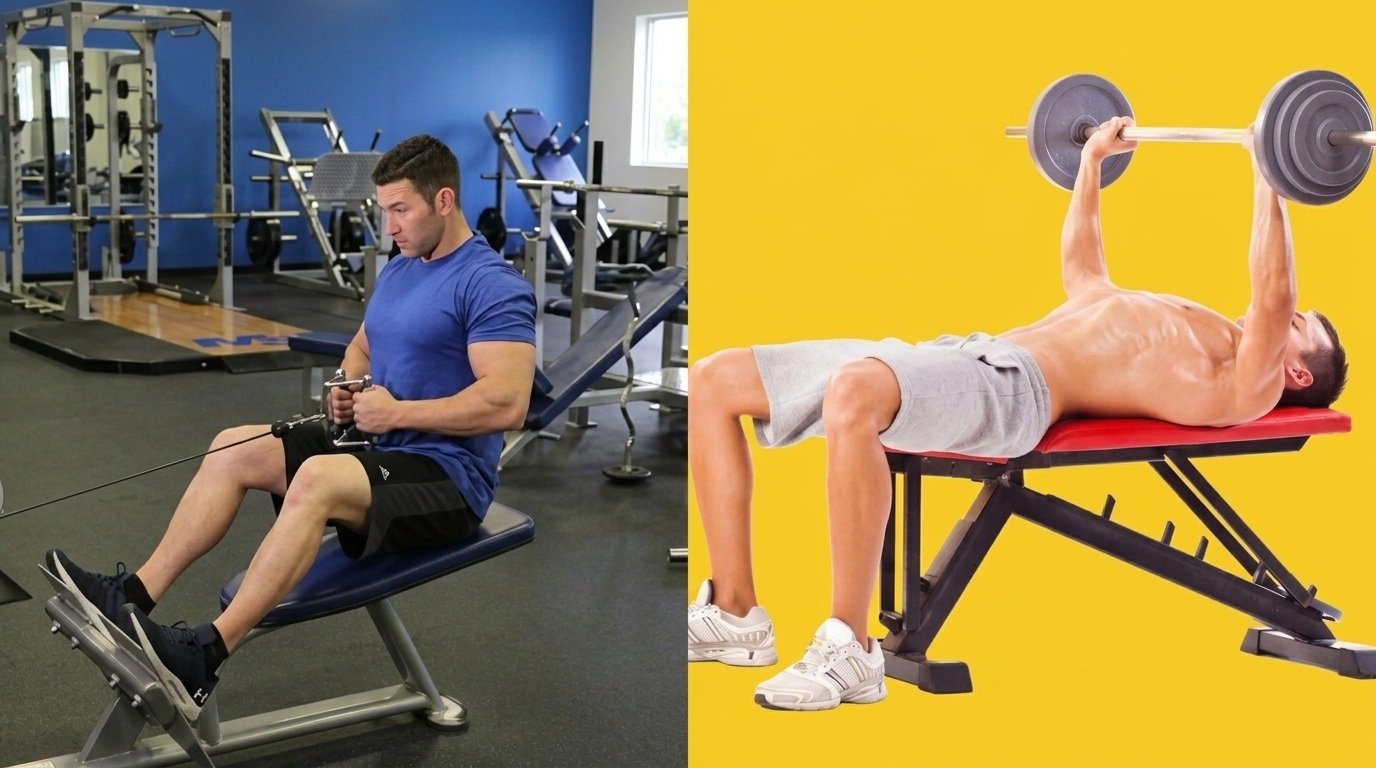
Here push day means all pushing, upper and lower. A push day might run bench press, overhead press, back squat, leg press, then calves.
Pull day takes rows, pull ups, Romanian deadlifts, and curls. Sessions run long, often 75 minutes or more.
Train four days a week so each pattern gets hit twice. Pick this over classic PPL if you like fewer training days and do not mind longer sessions.
Four and Five Day Setups for Lifters With More Recovery
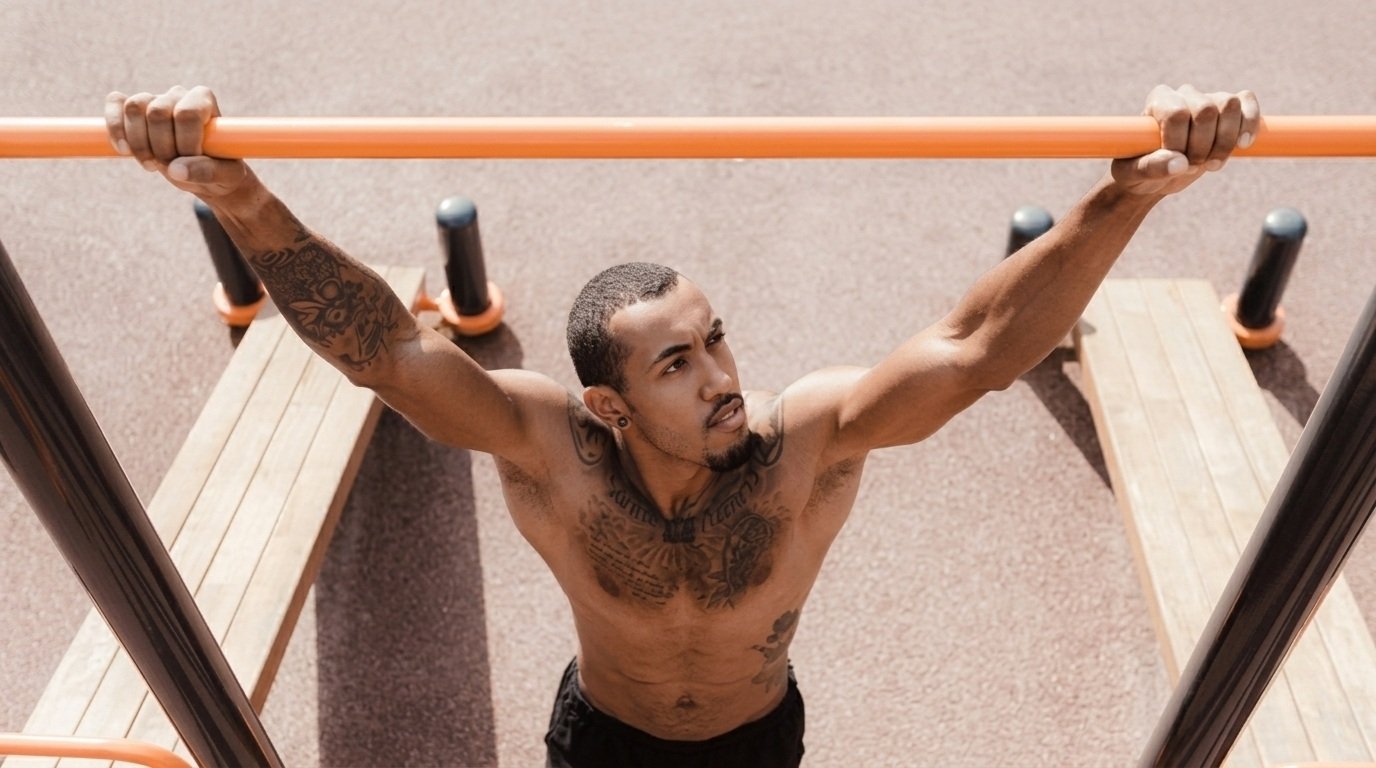
More days means smaller sessions and better quality per lift. Try an upper lower split, four days a week.
Or run hybrids like PPLUL, which bolt upper and lower days onto a PPL week. Frequency helps mostly because it lets you fit more weekly sets without any one session dragging.
A Sample Week You Can Copy

Here is classic PPL run six days, with lower push twice.
| Day | Session | Lower push work |
| Monday | Push (upper) | None |
| Tuesday | Pull (upper) | None |
| Wednesday | Legs | Back squat 4×6, leg press 3×10, walking lunge 3×10 |
| Thursday | Push (upper) | None |
| Friday | Pull (upper) | None |
| Saturday | Legs | Front squat 4×6, Bulgarian split squat 3×10, hip thrust 3×12 |
| Sunday | Rest | None |
That gives quads roughly 14 hard sets a week. Add hamstring curls and Romanian deadlifts on leg days to keep the back of your legs even.
Building the Session: Order, Rest, and Pairing
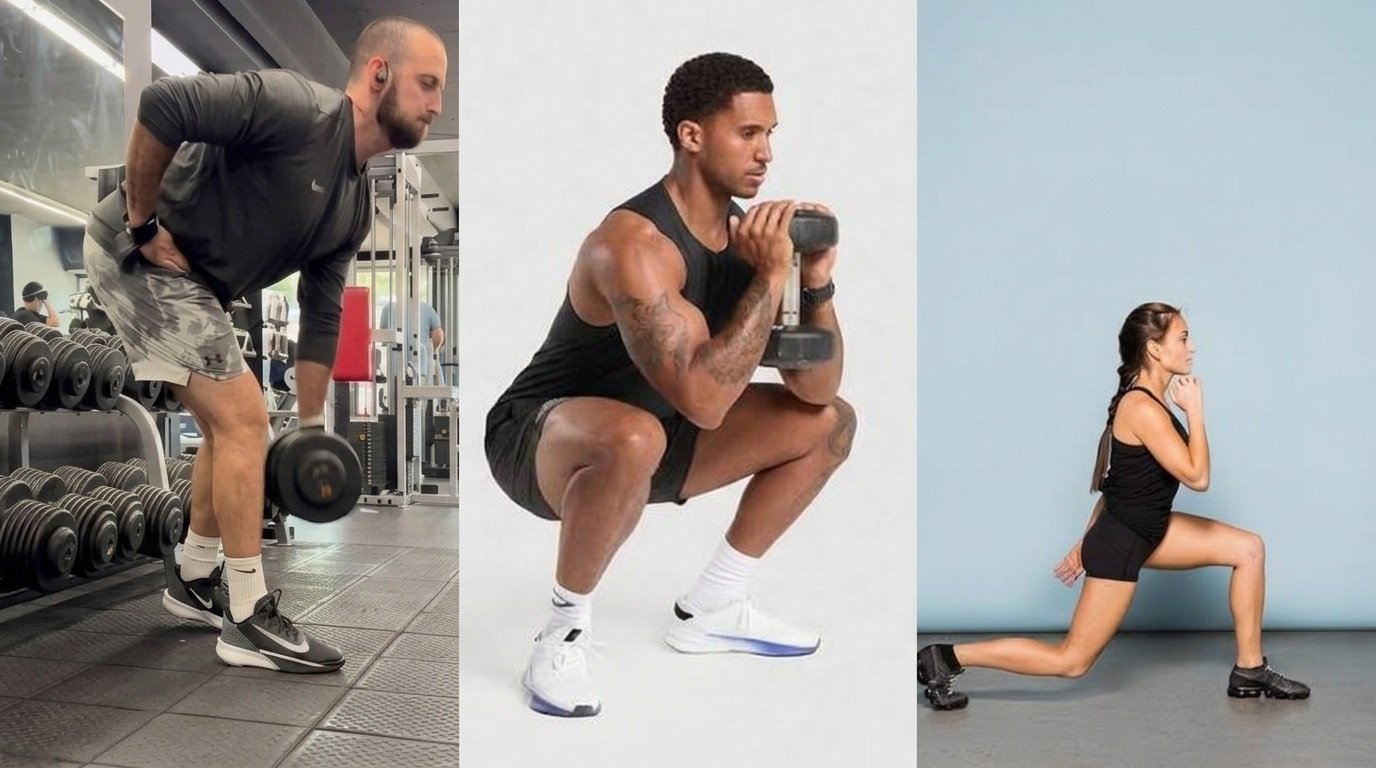
Heaviest bilateral lift first, always. Squats before split squats. Split squats before leg extensions.
Your nervous system is freshest at the start. Rest three to five minutes after heavy sets.
Two minutes is enough for accessories. Cutting rest short cuts your load.
Pair lower push with an upper body move or a stretch, never another heavy leg lift. Calves and core go last.
Progression Over Twelve Weeks Without Stalling
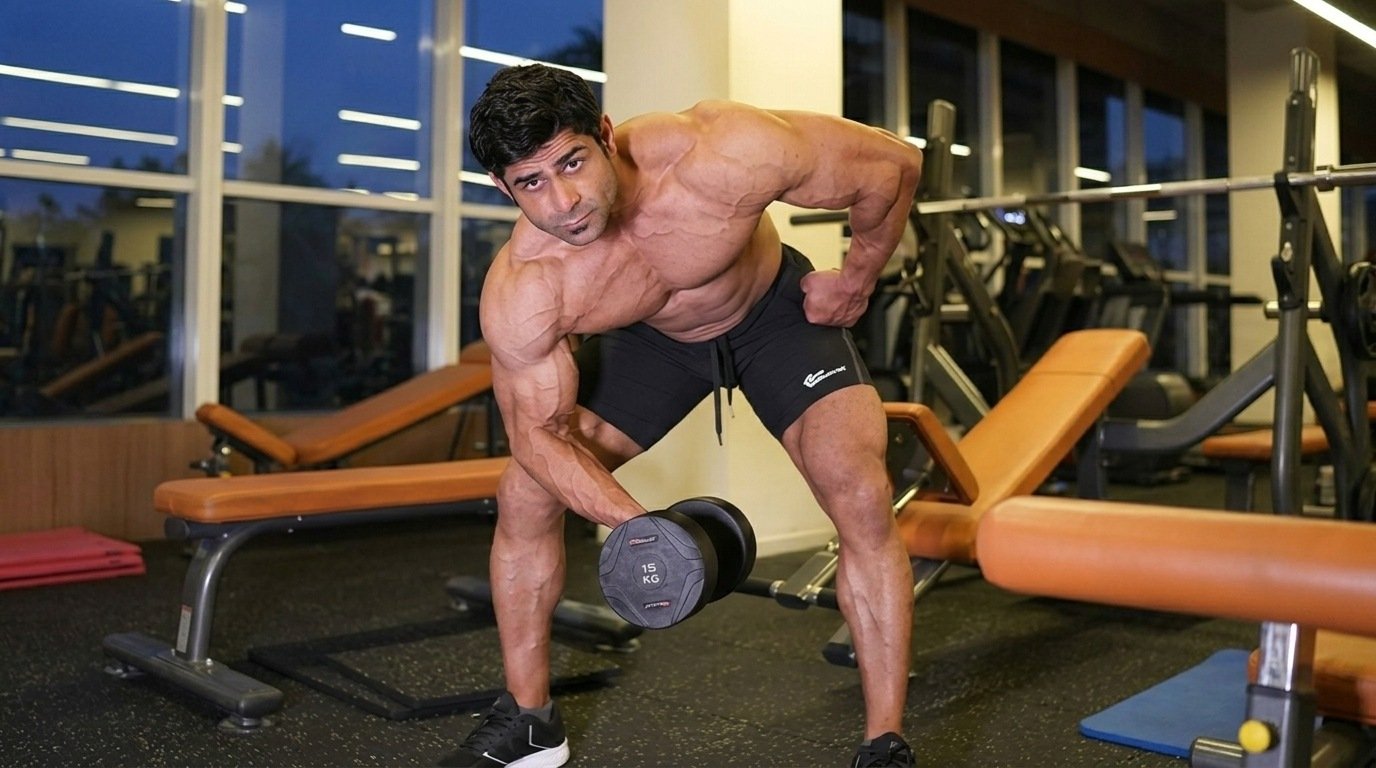
Progressive overload is the rule, but adding weight forever does not work. Match your method to your training age.
Counting Weekly Sets and Reading RPE
Weekly sets are your main dial. Count every hard set that trains a muscle, across the whole week.
Research points to a dose response, where each added weekly set brings a little more growth. Most lifters do well between 10 and 20 hard sets per muscle group.
RPE tells you how hard a set was. RPE 8 means you had about two reps left. Keep most work between RPE 7 and 9.
Track reps in reserve instead of guessing. When the same weight starts feeling like RPE 7 rather than 9, it is time to add load.
Linear Loading for Beginners
Add a small amount each session. Five pounds on squats works for months when you are new.
Keep reps steady, usually three sets of five to eight. When you miss reps twice in a row, that method has run its course. Move on.
Double Progression and Wave Loading for Intermediates
Set a rep range, say six to ten. Add reps until you hit the top of the range on every set. Then add weight and drop back to six.
Wave loading moves in three week blocks. Week one, 4 sets of 8 at RPE 7. Week two, same sets at RPE 8 with more weight.
Week three, heavier again at RPE 9. Then start a new wave slightly above where the last one began.
Deloads: When to Take One and What to Cut?
A deload is a planned easy week. Take one every four to eight weeks, or sooner if sleep and appetite drop.
Sore joints and stalled lifts are signals too. Cut volume, not weight.
Keep loads near normal and halve your sets. You stay sharp while recovering.
Programming for Different Bodies and Goals
One plan does not fit everyone. Adjust volume and intensity to who you are and what you need.
Beginners Starting From Zero
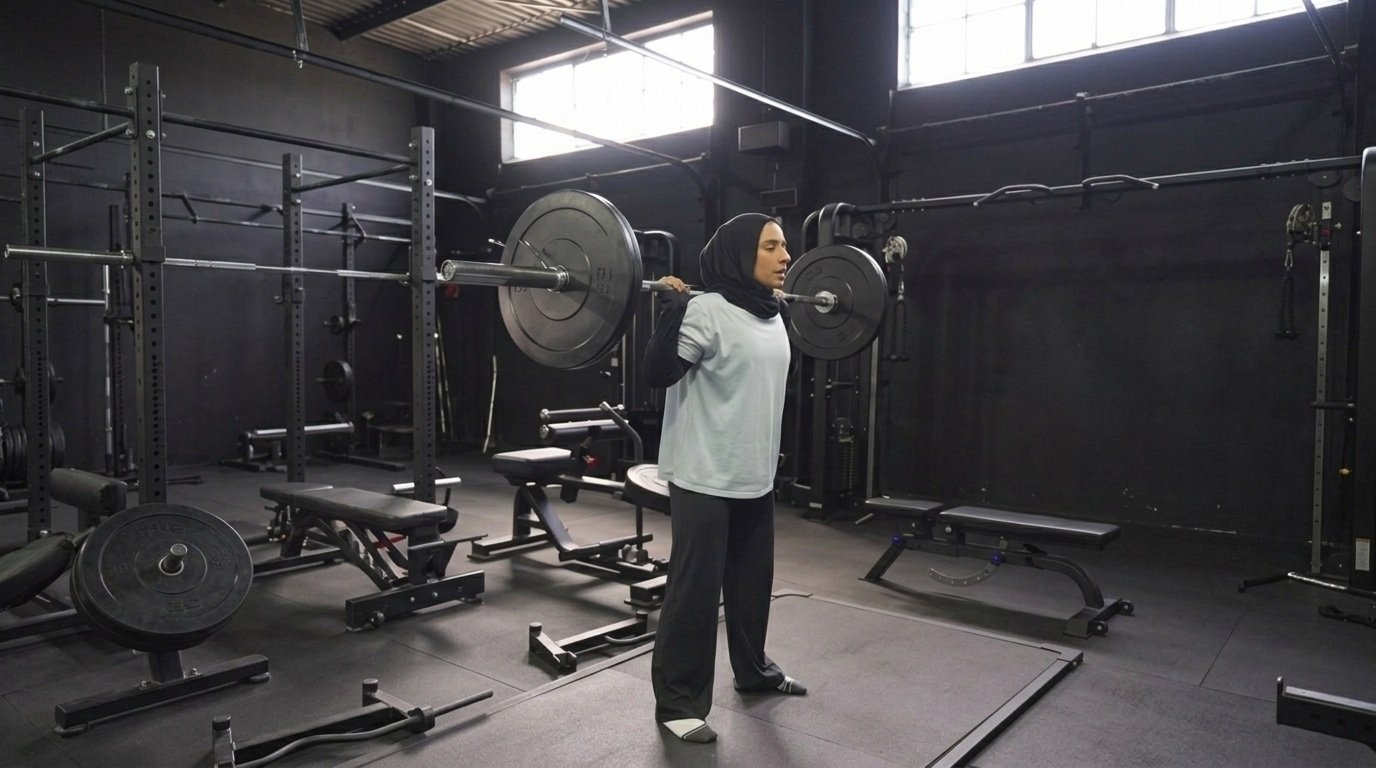
Learn the pattern before adding load. Bodyweight squats to a box teach depth safely.
Two lower push sessions a week is plenty. Six to ten weekly sets for quads is enough at this stage.
Expect strength gains fast, since much of it is skill early on.
Athletes in Season Versus Off Season
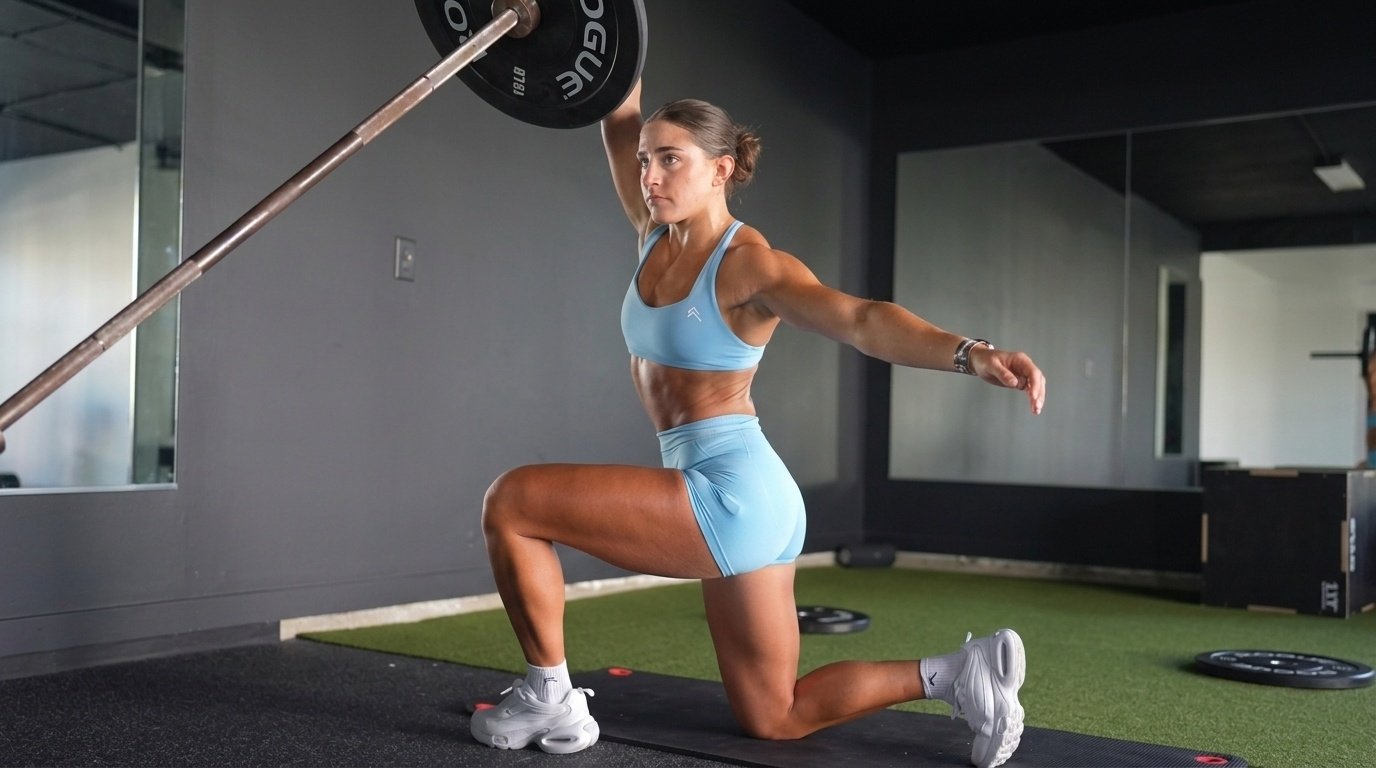
Off season is for building. Push weekly sets toward the 15 to 20 range and chase strength.
In season, cut to four to six weekly sets but keep the bar heavy. Two hard sets of three to five reps hold strength without wrecking your legs.
Time it around games. Lift the day after a match, not the day before. Never grind to failure during a competition week.
Older Lifters and Those Returning From Injury
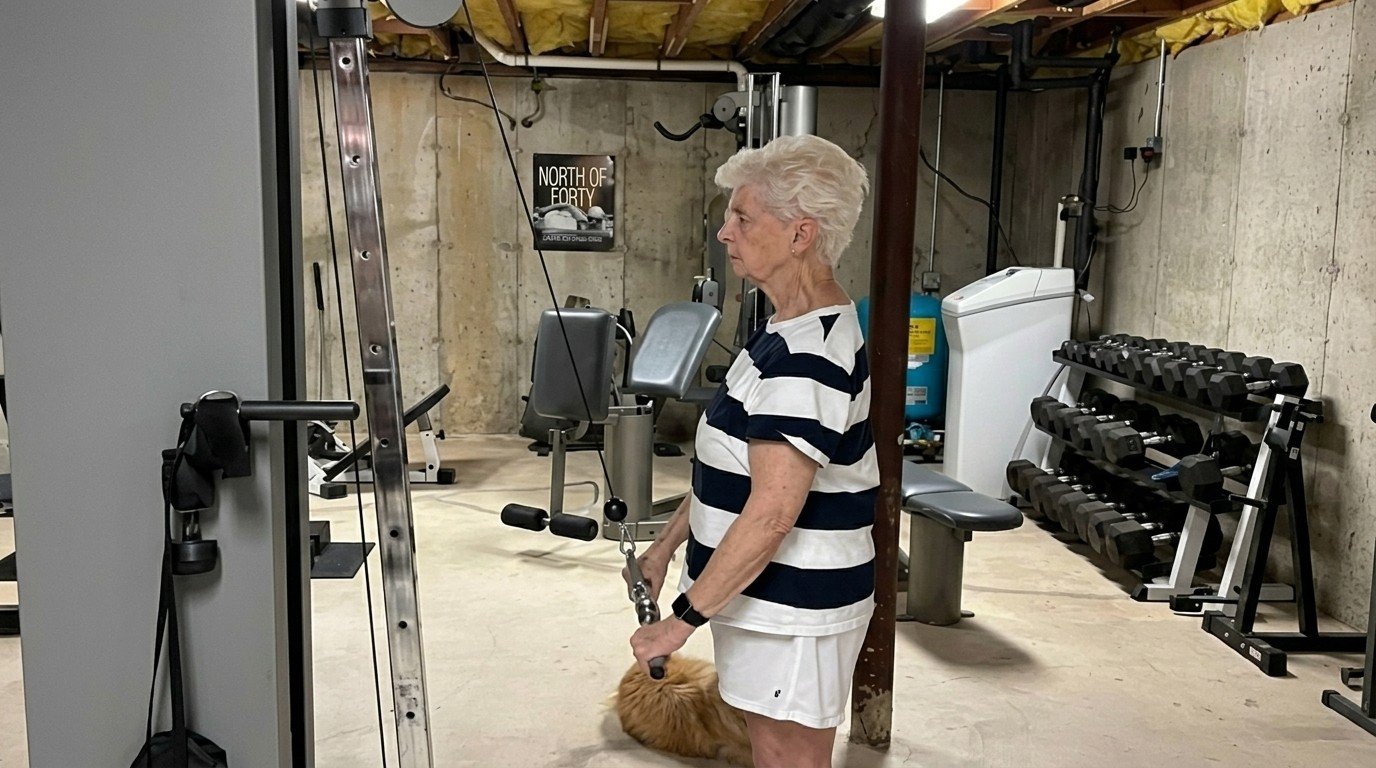
Muscle and strength decline with age, a process called sarcopenia. Resistance training slows it and helps keep bone strong. That makes lower push work more valuable after 50, not less.
Favor machines and split squats over heavy barbell work. Warm up longer, closer to 15 minutes.
Stop two or three reps shy of failure. Rep ranges of 8 to 12 are easier on joints than heavy triples.
Home and Minimal Equipment Versions That Still Work
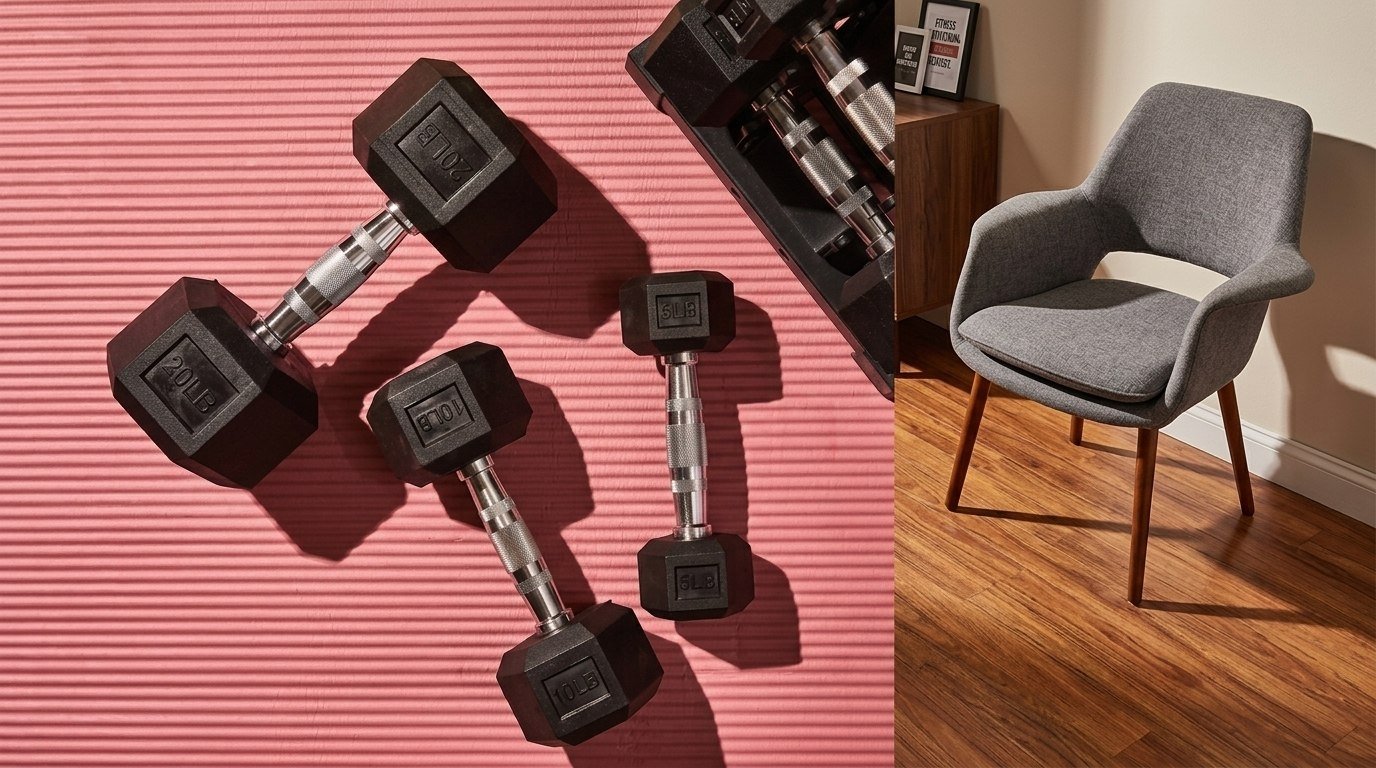
A single dumbbell, a chair, and slower reps cover most of what a rack gives you.
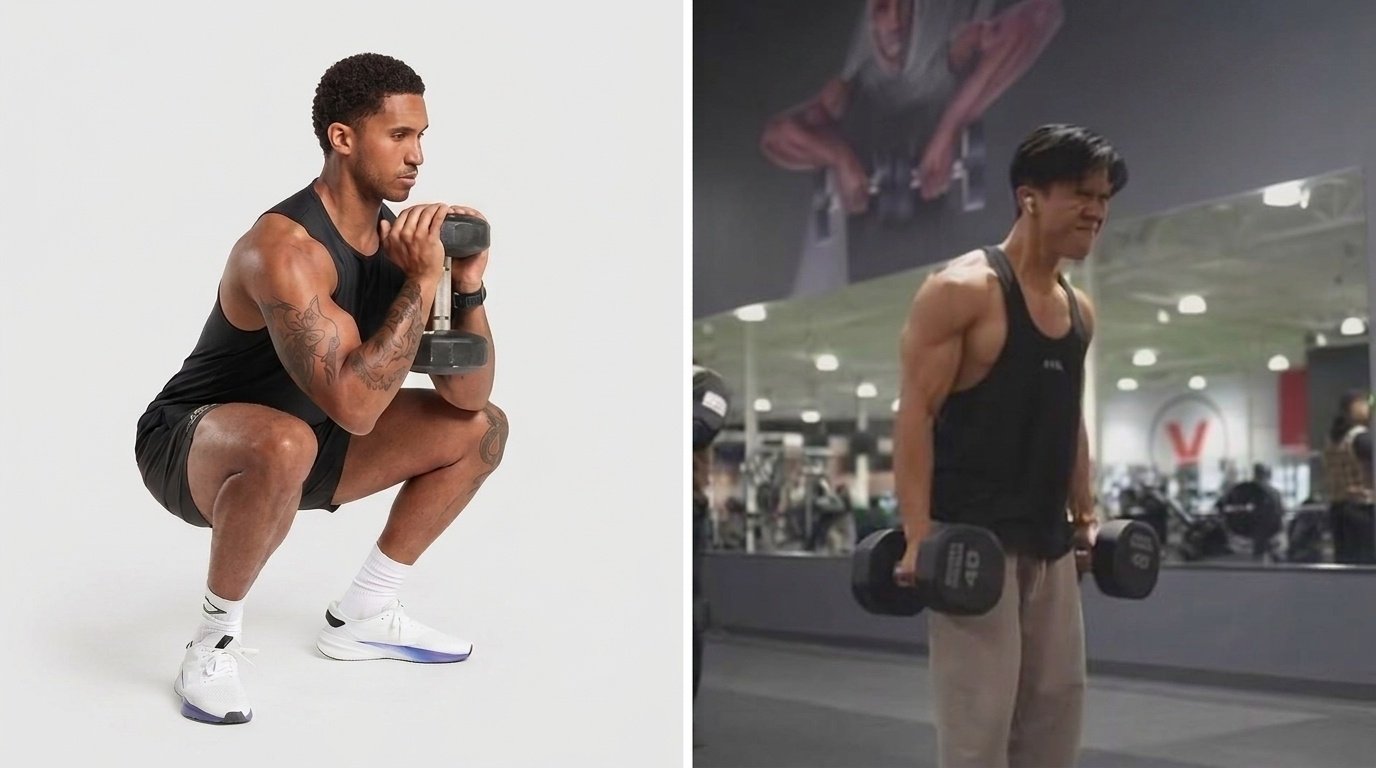
- Goblet squat replaces the back squat. Holding weight at your chest keeps your torso upright and teaches depth on its own.
- Rear foot elevated split squat stands in for the leg press. Put your back foot on a couch or bench. One leg carries the load, so light dumbbells feel heavy.
- Floor glute bridge covers hip driven work. Add a pause of two seconds at the top and squeeze hard before you lower.
- Step ups need only a sturdy chair. Drive through the front heel and lower under control instead of dropping down.
- Tempo work buys back the load you lack. Three seconds down, one second pause, then stand. Fewer reps, more tension.
- Backpack loading adds resistance cheaply. Fill one with books or water bottles and wear it for squats and step ups.
- Know the ceiling: Bodyweight builds size and control well. Peak strength still needs heavy barbells at some point.
How to Track So You Can Actually Beat Last Week?
Memory lies. Write it down or the whole plan drifts.
Log four things per set. Exercise, weight, reps, RPE. That is it.
A notebook works. So does a notes app or a lifting app like Heavy or Strong.
Before each set, read what you did last time. Beat it by one rep or 2.5 kilos. That is progressive overload in practice.
The Errors That Quietly Cost You Progress
Three mistakes cost most lifters more than any bad exercise pick ever will.
- Chasing depth you do not have the ankles for: Forcing depth without ankle dorsiflexion rounds your lower back. That is where squat injuries start.
- Testing before you assume: Kneel and push your knee past your toes without lifting the heel. If it will not travel about four inches, squat to a box until it does.
- Fixing the ankle, not just working around it: Wall ankle rocks, two sets of 10 each side, daily. Heeled shoes help while you build the range.
- Training push twice and pull never: Quads get attention. Hamstrings get skipped. That gap shows up later in sprinting and knee health.
- Counting sets on both sides: Keep hamstring volume close to quad volume across the week. Your knees rely on that balance.
- Adding volume when recovery is the real limit: Stalled progress usually means poor sleep or low food. Past 20 sets a week, extra work mostly adds fatigue.
- Checking the basics first: Seven to nine hours of sleep. Protein at 1.6 to 2.0 grams per kilogram of bodyweight daily. Then look at your program.
Conclusion
Remember this one thing. Your split is just a container. What fills it decides your results.
Count your weekly sets. Hit each pattern twice. Push hard, then rest hard.
The lifters who grow are not the ones chasing new programs. They are the ones who track what they did last week and beat it.
Found this useful? Share it with your training partner. Then tell us in the comments which split you run.
Frequently Asked Questions
How long should a lower push workout take?
Most sessions run 45 to 70 minutes. Long rest between heavy squats eats the clock, so cut exercises before you cut rest.
Should I do cardio on the same day as lower push?
Yes, but lift first and keep running short. Hard cardio before heavy squats lowers your load and blunts strength gains.
How sore is too sore to train legs again?
Mild soreness is fine. If your strength drops or your walking feels off, cut your sets by half next session.
Do I need to change exercises every few weeks?
No. Keep your main lifts for months and rotate accessories instead. Switching too often hides whether you are actually progressing.
How many lower push exercises should one workout have?
Three to five is enough for most lifters. More than that usually means the last few sets are too tired to count.