Rounded shoulders and a stiff upper back can make you feel tired before the day even starts. If you sit at a desk for hours, you already know the feeling.
This guide walks you through everything you need to know about shoulder retraction exercises.
You'll learn what they are, how to do them with correct form, and 11 exercises you can start today. It also covers how to pick the right one, how often to train, and what a full week of this actually looks like.
You don't need a gym membership or fancy equipment. Just a few minutes a day can ease tension and help you stand a little taller.
What Is a Shoulder Retraction Exercise?
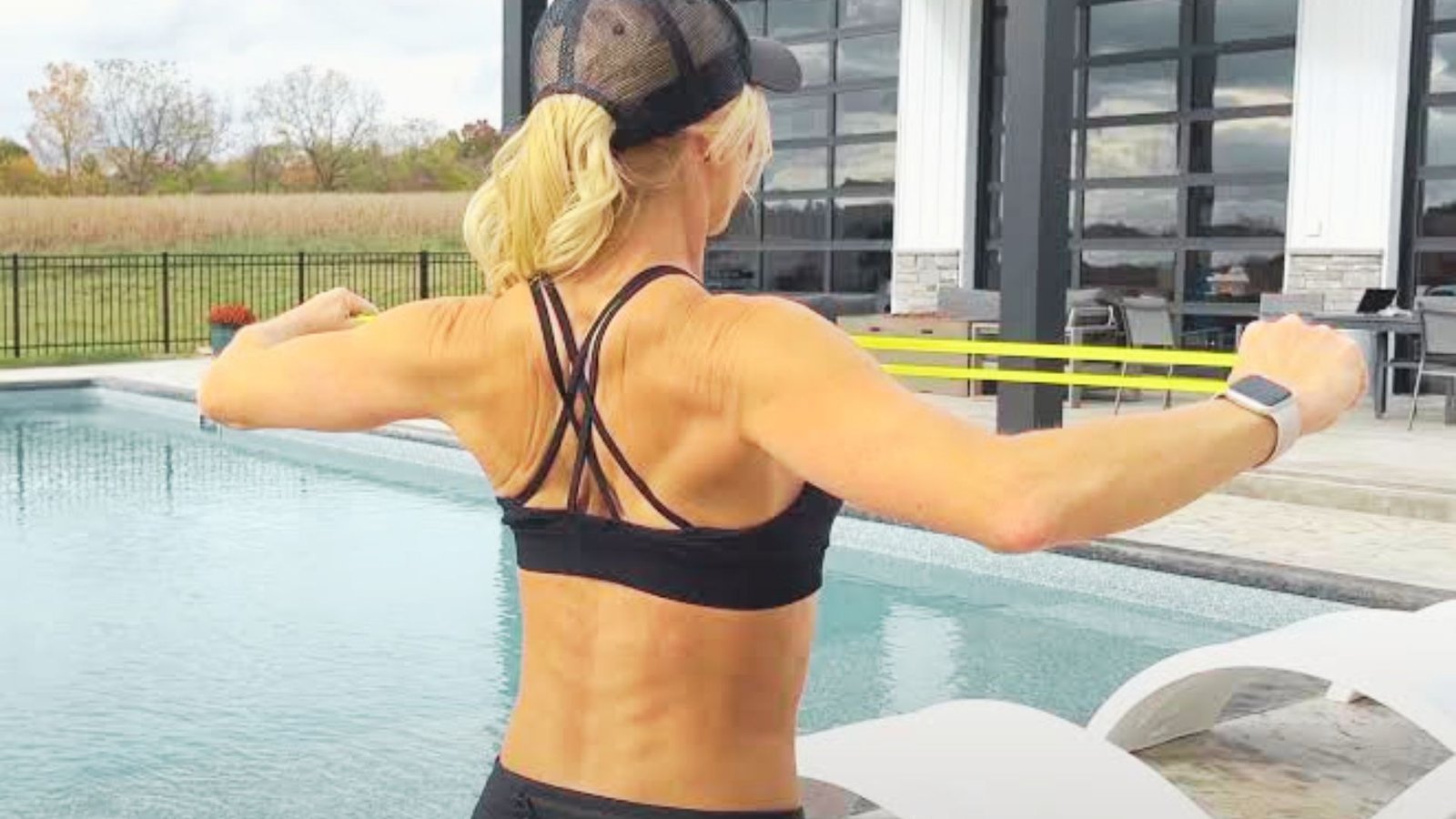
A shoulder retraction exercise trains you to pull your shoulder blades together and back, building strength that fixes rounded shoulders and slouched posture.
Shoulder retraction happens when your shoulder blades move toward your spine. Scapular protraction is the opposite motion, where your shoulder blades spread apart and move forward. Your body needs both movements to work well together.
If your chest muscles stay tight from too much protraction-heavy training, like pushups or bench pressing, your retraction muscles have to fight harder to hold good posture.
That's one reason people who lift a lot up front often need extra retraction work in the back.
Most of us sit at desks all day. Our shoulders round forward without us noticing. This weakens the muscles between your shoulder blades over time and can lead to forward head posture, where your head juts ahead of your shoulders.
Doing these exercises trains your rhomboids, middle trapezius, lower trapezius, and rear deltoids. Your upper trapezius often tries to take over the movement, so keeping your shoulders down instead of shrugged helps the right muscles do the work.
Train consistently and your shoulders settle into a better spot on their own, without you thinking about it.
How to Do a Shoulder Retraction Exercise Correctly
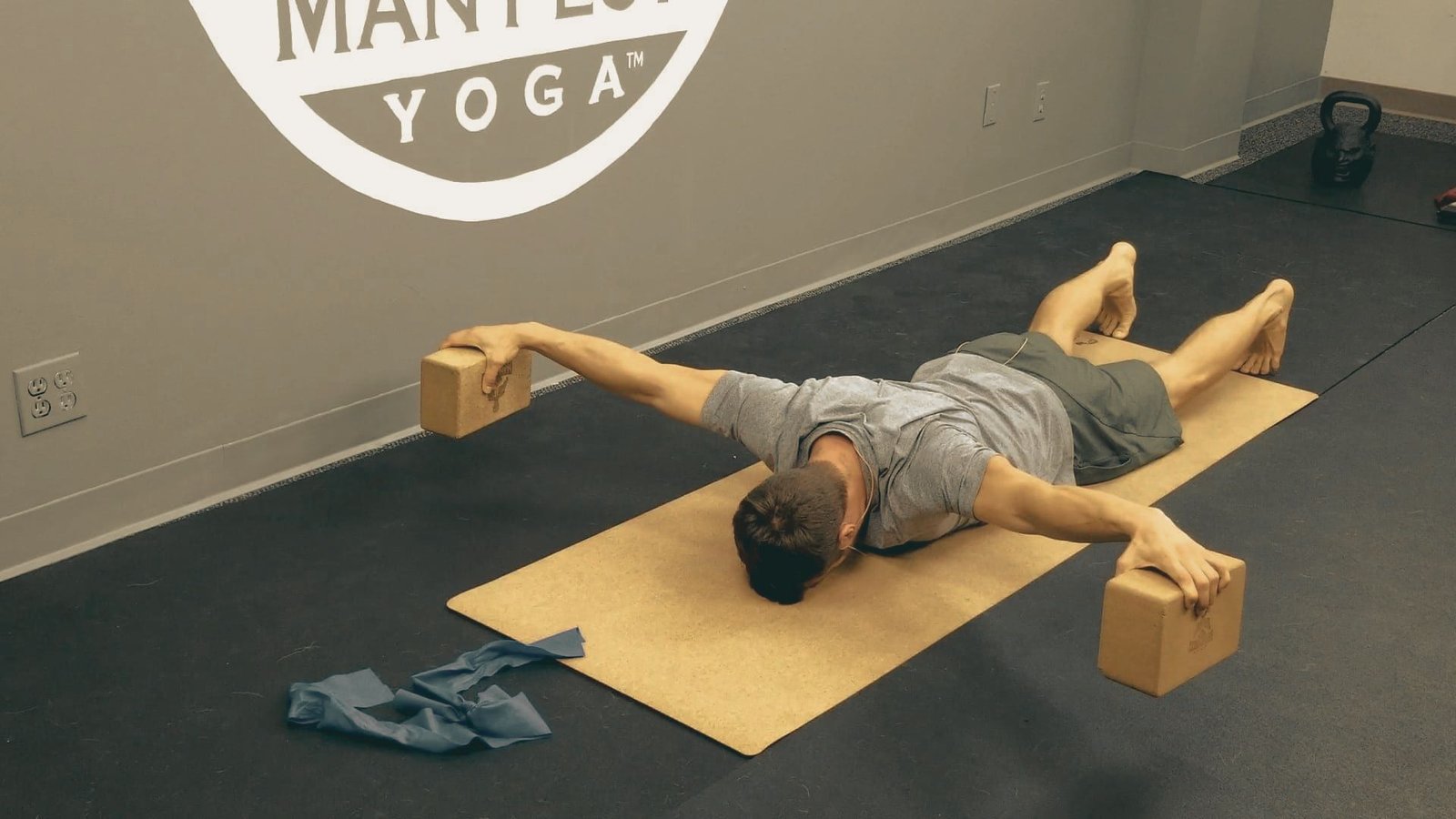
Good form matters more than heavy weight here. Learn the right setup, movement pattern, and breathing to get real results and skip injury.
Starting Position
Stand or sit with your spine straight. Keep your chin level and your core braced. Let your arms hang loose at your sides or hold light weights.
Your shoulders should start in a normal, relaxed position — not shrugged up toward your ears, and not rounded forward. This neutral starting point sets up the whole movement correctly.
Step-by-Step Instructions
Pull your shoulder blades toward each other, like you're trying to squeeze a pencil between them. Hold that squeeze for two to three seconds. Then slowly release back to your starting position.
Repeat this for 10 to 15 reps per set. Keep your movements smooth and controlled. Don't rush through the reps just to finish faster. Slow and steady builds more strength than fast and sloppy.
Proper Breathing and Form
Breathe out as you draw your shoulder blades together. Breathe in as you release back to the start. This keeps your core stable and stops you from holding your breath.
Your ribs should stay down, not flared out. Small form checks like these protect your thoracic spine from stiffening up and make a big difference over weeks of practice.
11 Shoulder Retraction Exercises: Step-by-Step
Here are 11 exercises that train shoulder retraction using bands, bodyweight, and dumbbells. Pick a few that fit your setup and skill level.
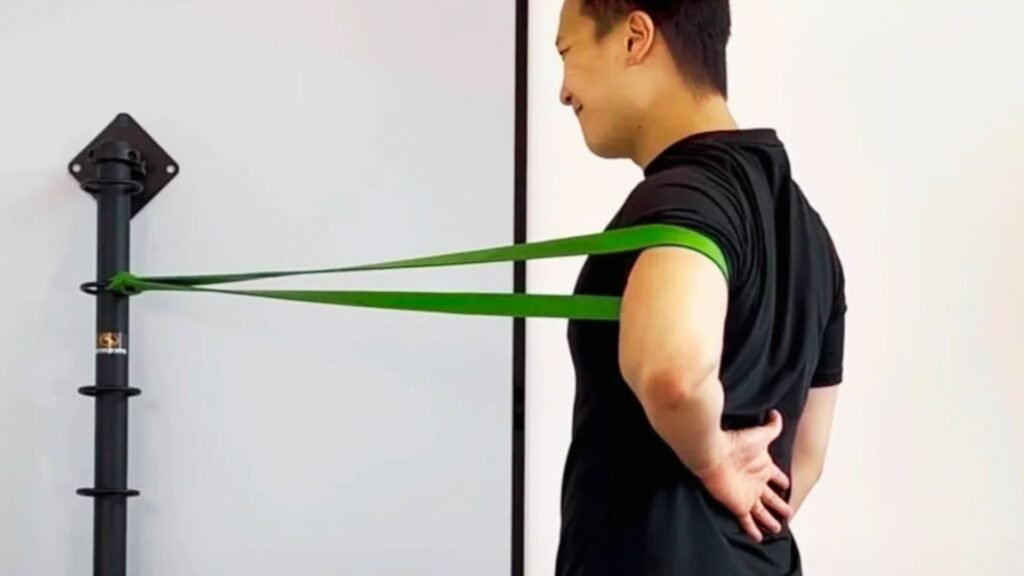
1. Resistance Band Shoulder Retraction Exercise

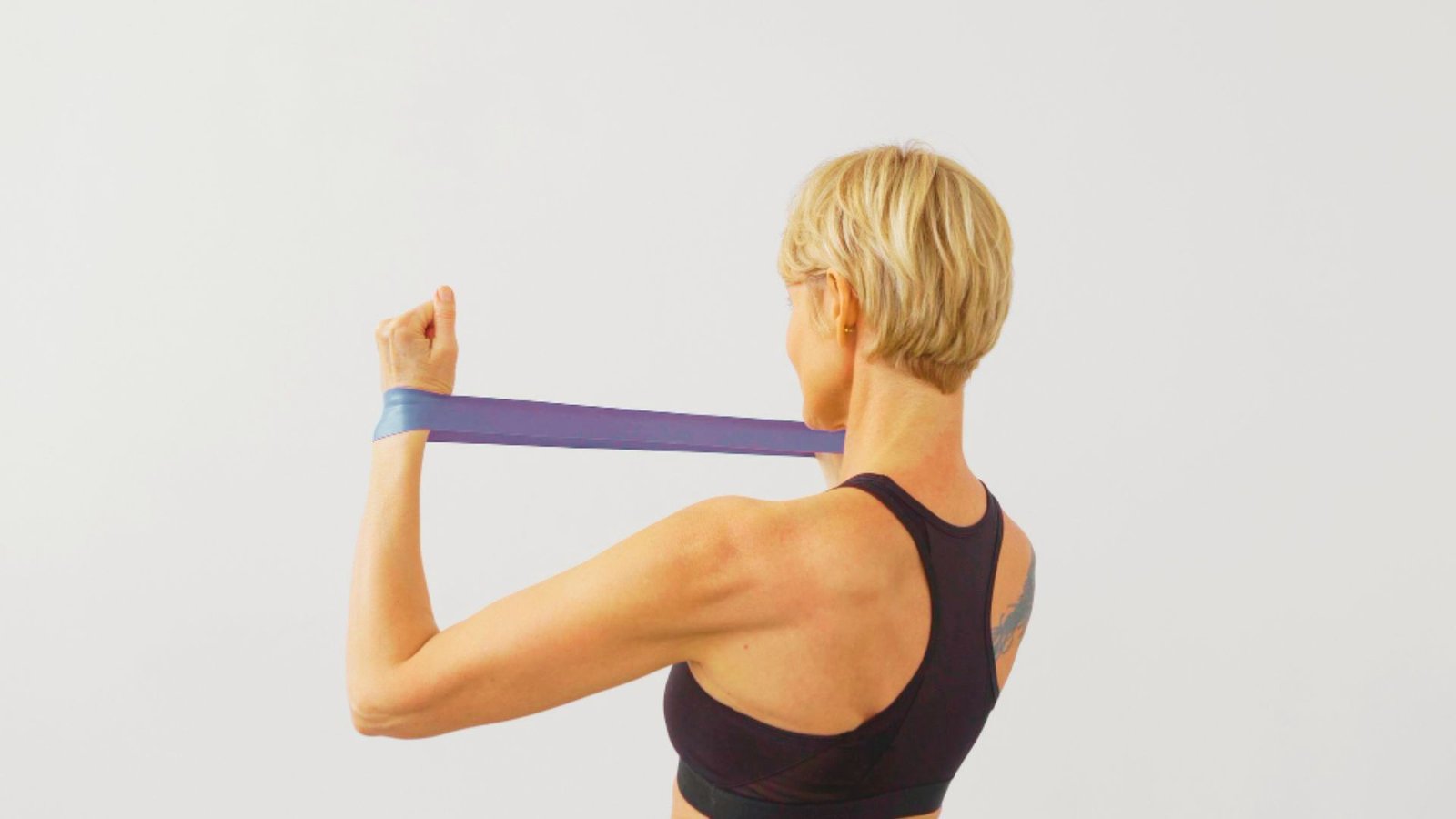
Loop a light to medium resistance band (a yellow or red therapy band works well to start) around a sturdy anchor at chest height. Hold one end in each hand and step back until you feel tension.
Pull the band toward your body, leading with your shoulder blades. Keep your elbows close to your sides. Hold for two to three seconds, then release with control. Do 12 to 15 reps.
2. Standing Shoulder Retraction Exercise
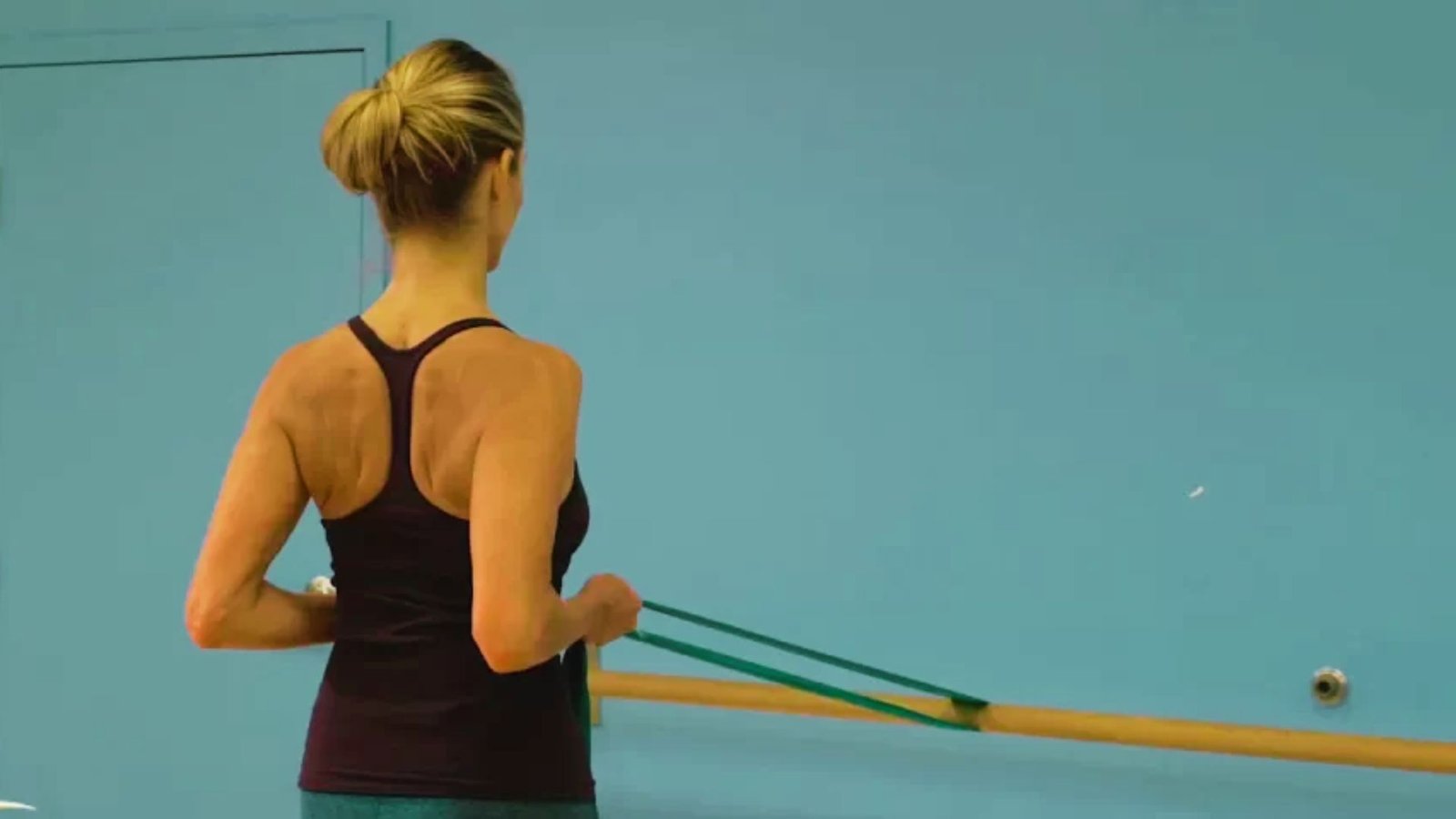
Stand tall with your feet shoulder-width apart. Let your arms hang at your sides with palms facing forward.
Pull your shoulder blades back and down without bending your elbows. Hold briefly, then relax. This works well as a quick reset during long hours at your desk. No equipment needed at all.
3. Seated Shoulder Retraction Exercise
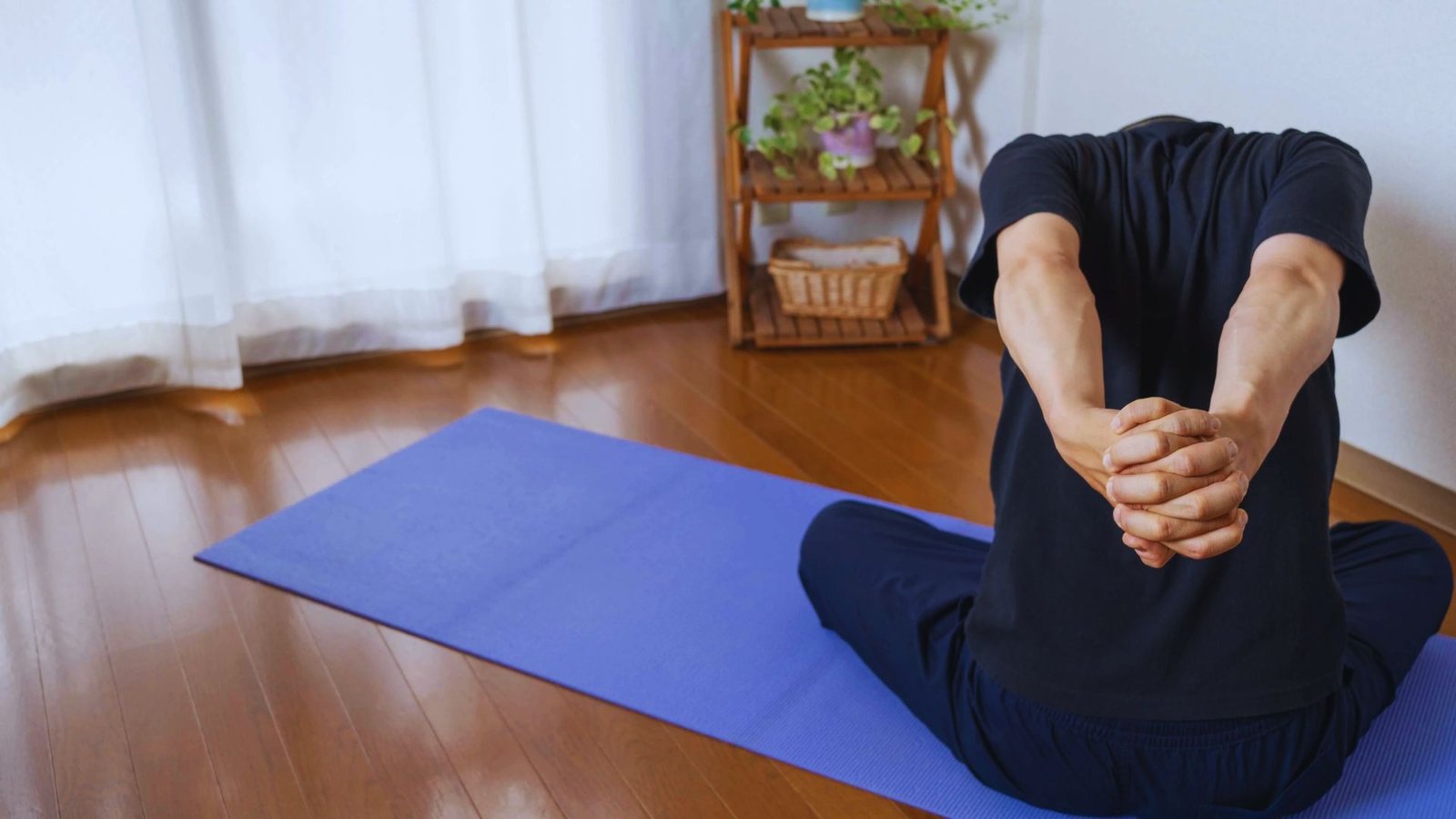
Sit in a chair with your back straight and feet flat on the floor. Rest your hands on your thighs or let them hang loose.
Pinch your shoulder blades together and hold for two to three seconds. Release slowly. This version works great for office workers who want to fit exercise into short breaks throughout the day.
4. Prone Shoulder Retraction Exercise
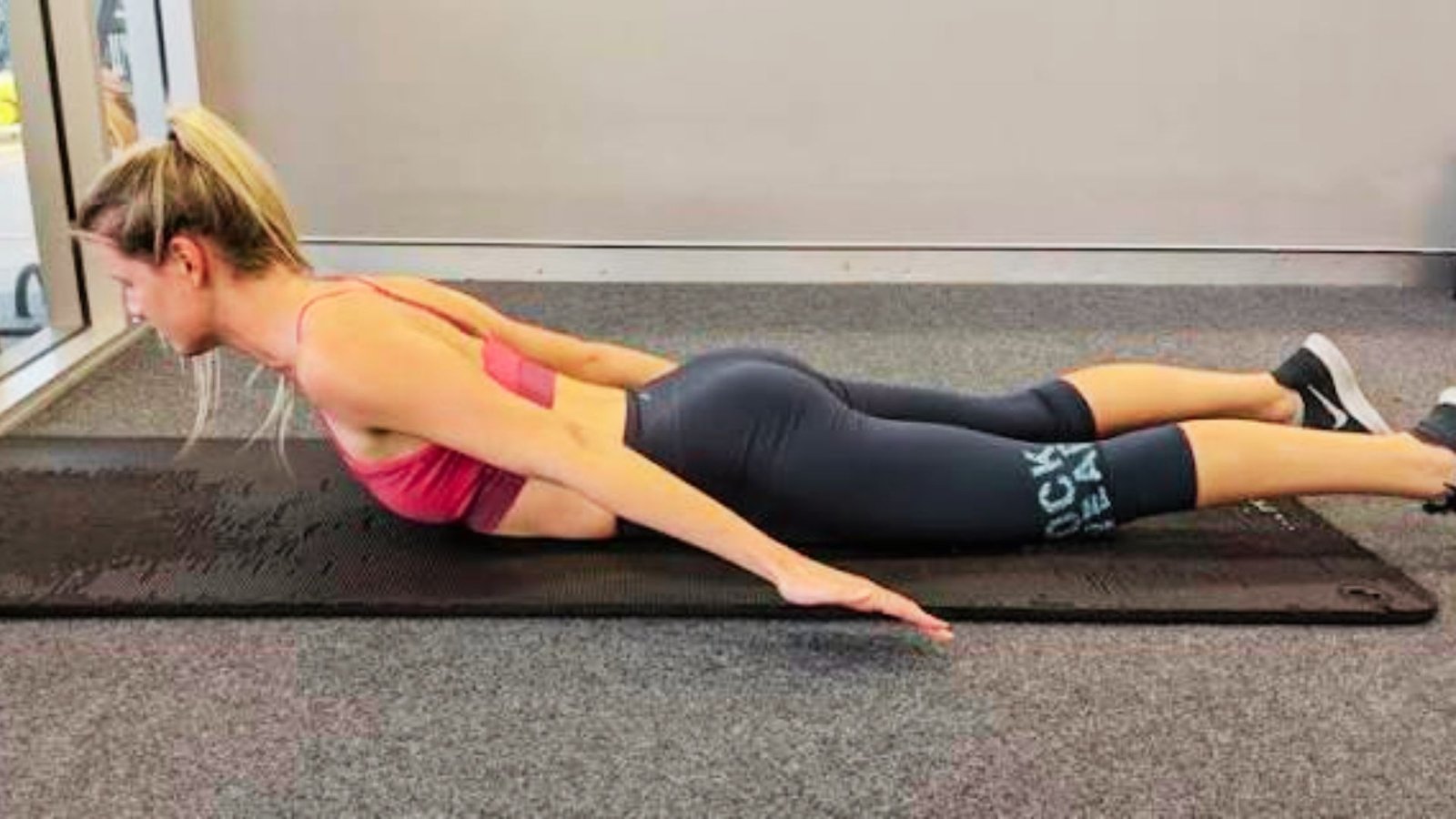
Lie face down on a mat with your arms extended out to the sides, forming a T shape. Keep your forehead resting gently on the mat.
Lift your arms slightly off the ground while bringing your shoulder blades together. Hold for two to three seconds, then lower. This targets your upper back muscles directly against gravity, which makes it more challenging.
5. Shoulder Retraction Exercise Band Row
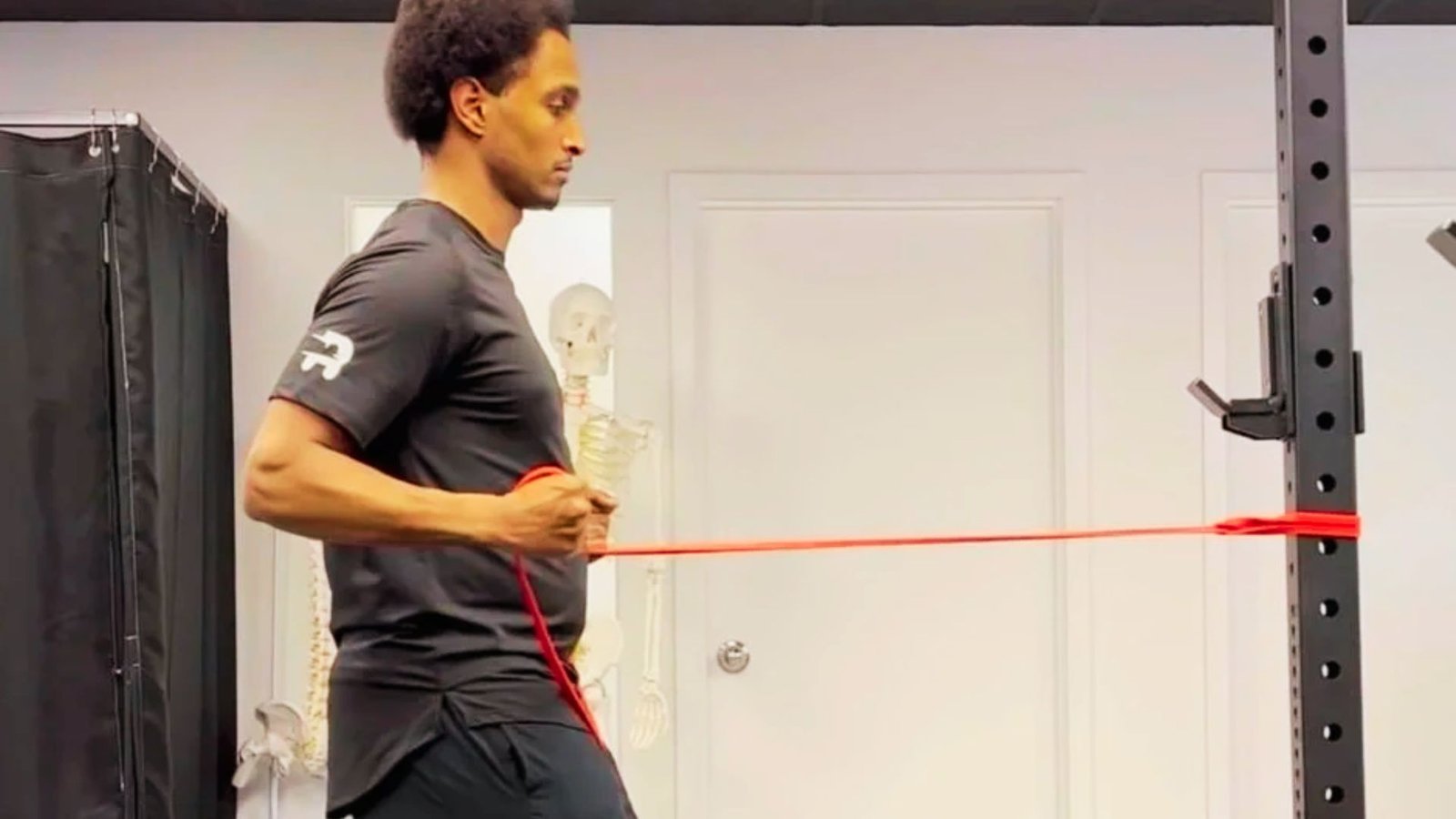
Anchor a light to medium band at chest height and hold both ends. Step back to create tension, then bend your elbows and pull your hands toward your ribs.
Finish the pull by squeezing your shoulder blades together. Keep your elbows tucked, not flared out wide. Slowly return to the start. This combines a row with a retraction for extra work on your latissimus dorsi and middle back.
6. Standing Wall Angels
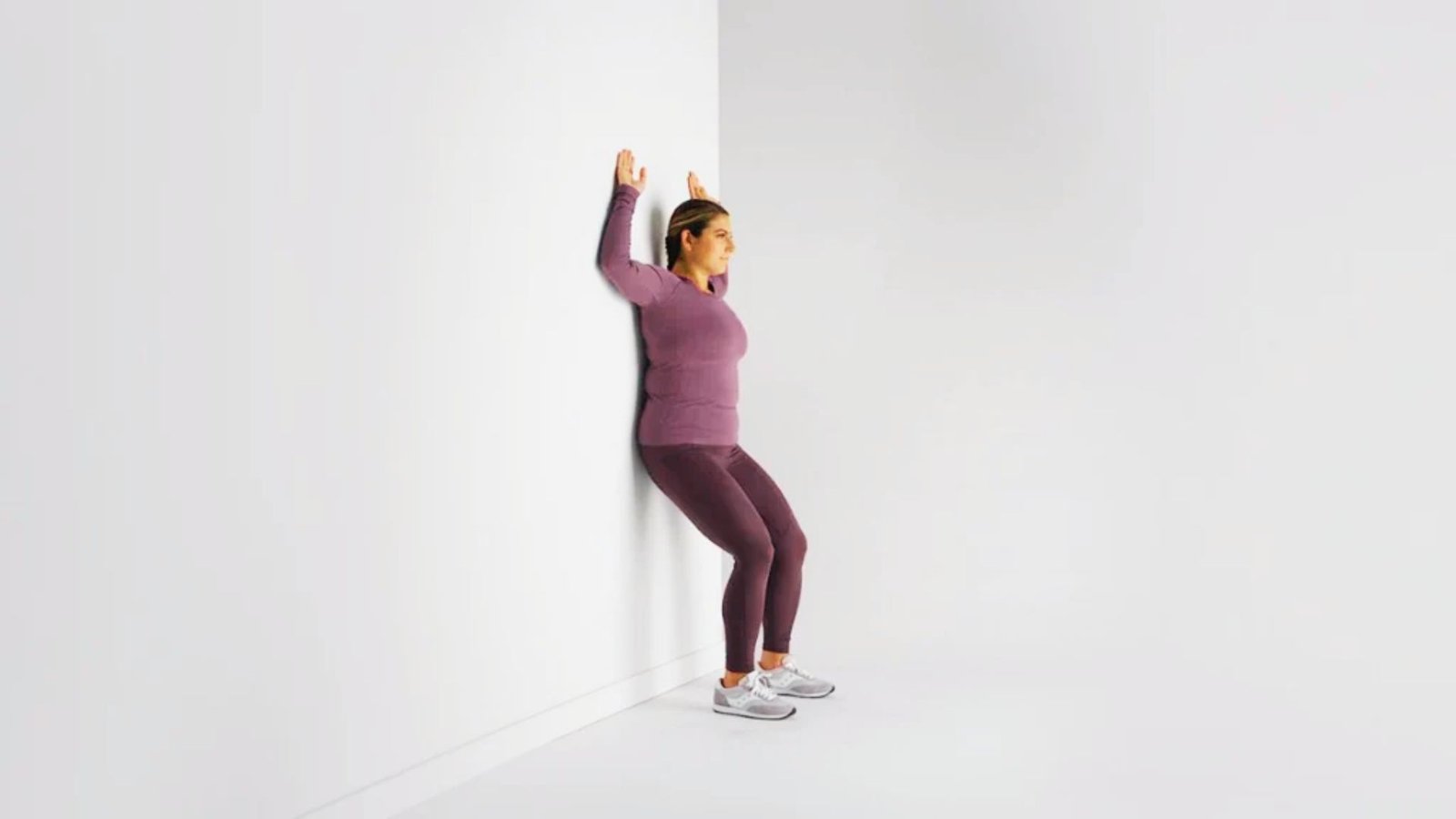
Stand with your back flat against a wall, feet a few inches away from it. Press your arms against the wall in a goalpost shape.
Slide your arms up and down the wall while keeping contact the whole time. This trains mobility and retraction together. It also exposes any tight spots in your shoulders and thoracic spine that need more attention.
7. Face Pulls

Set a cable or medium band at head height. Grab it with both hands, palms facing in, and step back to create tension.
Pull the rope or band toward your face, leading with your elbows high. Squeeze your shoulder blades together at the end. This exercise is a favorite among trainers for fixing forward shoulder posture fast.
It's also often used for scapular dyskinesis, which is just a term for a shoulder blade that doesn't glide smoothly during arm movement. If your shoulder blade seems to wing out or move unevenly when you raise your arm, this is worth mentioning to a physical therapist.
8. Reverse Fly
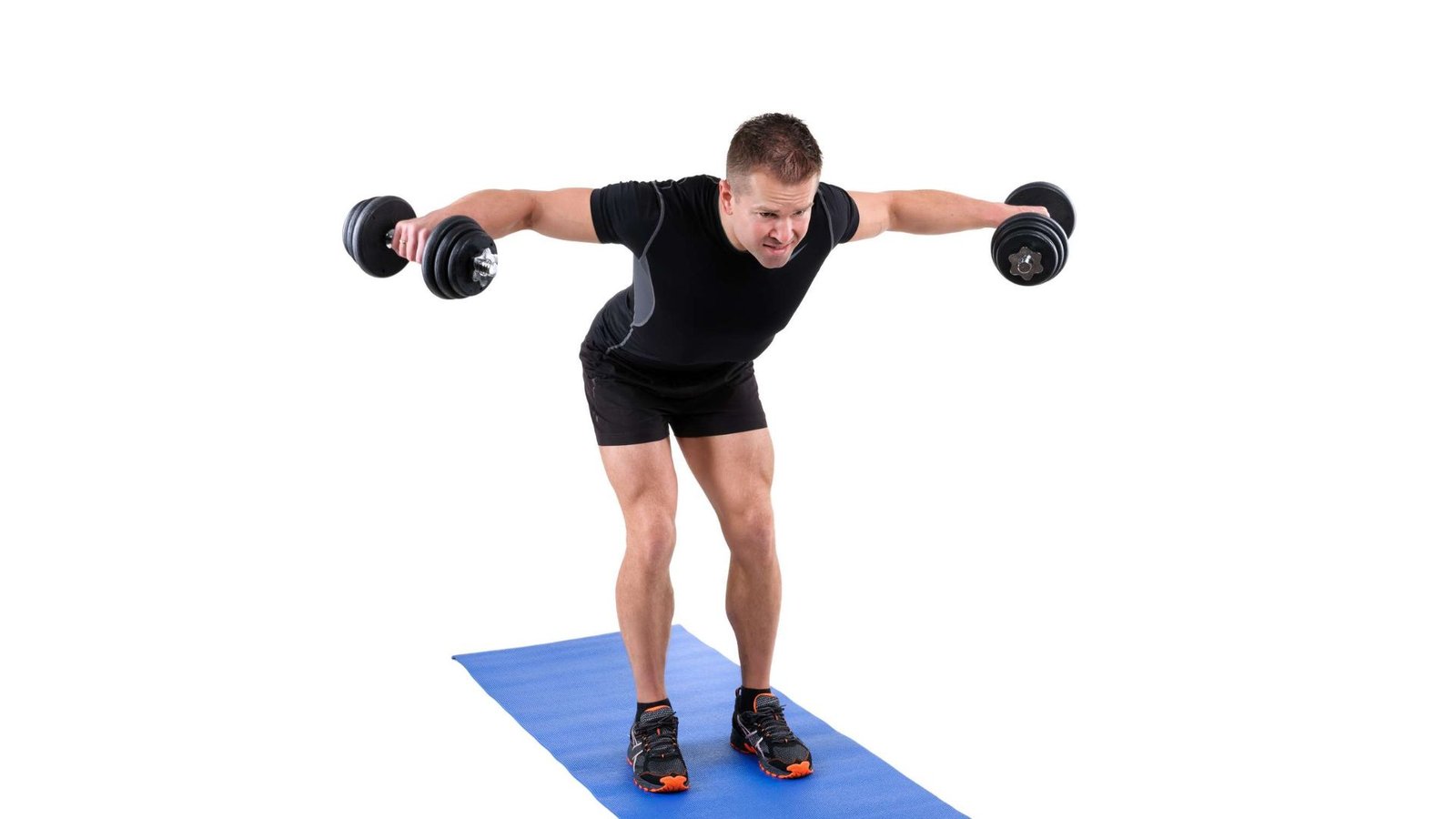
Hold a light dumbbell in each hand (3 to 8 pounds is plenty to start) and hinge forward at your hips, keeping your back flat. Let your arms hang below your shoulders.
Raise your arms out to the sides in a wide arc, squeezing your shoulder blades together at the top. Lower slowly. Keep the weight light so your form stays clean through every rep.
9. Prone Y Raise
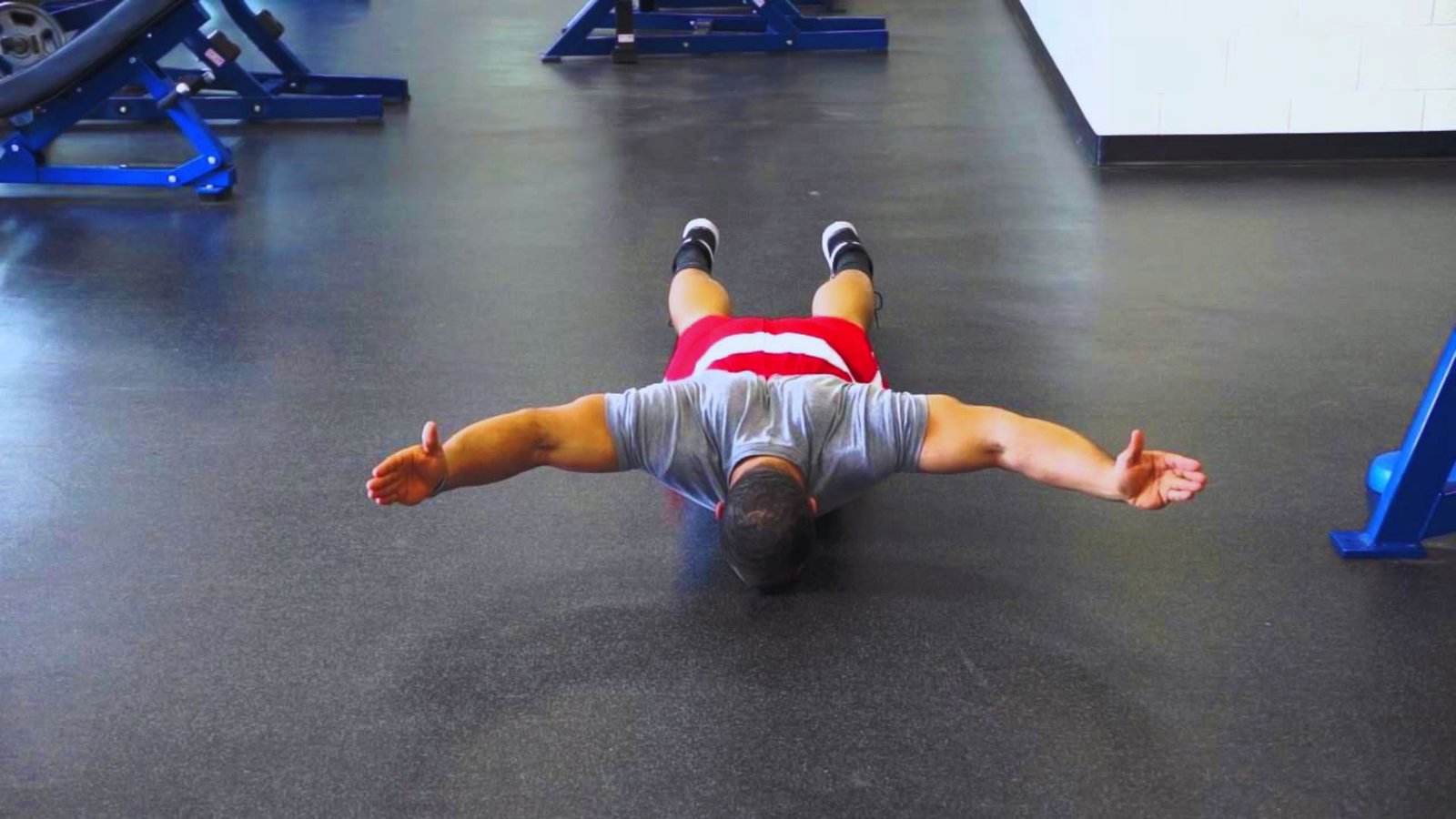
Lie face down on a bench or mat with your arms extended overhead in a Y shape. Keep your thumbs pointing up toward the ceiling.
Lift your arms slightly while drawing your shoulder blades down and together. Hold briefly, then lower with control.
This one also strengthens your lower trapezius, which often gets ignored in most routines.
10. Hanging Scapular Retraction

Hang from a pull-up bar with your arms straight and feet off the ground. Keep your core braced the whole time.
Without bending your elbows, pull your shoulder blades down and together, lifting your body slightly.
Hold for a second, then relax back down. This builds serious shoulder and grip strength at the same time.
11. Bent-Over Dumbbell Row

Hold a dumbbell in each hand (start light, around 10 to 15 pounds, and adjust from there) and hinge forward at your hips with a flat back. Let your arms hang straight down below your chest.
Pull the dumbbells up toward your ribs, finishing with your shoulder blades pulled together. Lower slowly and repeat. This is a classic strength move that also builds serious upper back muscle, including your latissimus dorsi and rhomboids, over time.
How to Choose the Best Shoulder Retraction Exercise
Not every exercise fits every goal. Use this table to match your pick to your equipment, experience level, and what you're trying to fix.
| Exercise | Equipment | Best For | Difficulty |
| Standing Shoulder Retraction | None | Beginners, quick desk resets | Easy |
| Standing Wall Angels | A wall | Mobility with no equipment | Easy |
| Resistance Band Retraction | Light-medium band | Steady, adjustable tension | Easy to Moderate |
| Seated Shoulder Retraction | A chair | Office breaks | Easy |
| Face Pulls | Band or cable | Posture correction, forward head posture | Moderate |
| Reverse Fly | Light dumbbells | Isolating rear delts and traps | Moderate |
| Prone Y Raise | Mat or bench | Lower trapezius focus | Moderate |
| Band Row | Band | Combining a row with retraction | Moderate |
| Bent-Over Dumbbell Row | Dumbbells | Building overall upper back strength | Moderate to Hard |
| Hanging Scapular Retraction | Pull-up bar | Grip and shoulder strength together | Hard |
| Prone Shoulder Retraction | Mat | Working against gravity | Moderate |
If you're just starting out, standing retraction and wall angels are the safest entry point. Once those feel easy, add a band, then move to dumbbells.
Common Mistakes to Avoid
- Shrugging your shoulders up toward your ears instead of squeezing them down and back
- Using too much weight or band tension, which breaks down your form fast
- Rushing through reps instead of controlling the squeeze and release
- Letting your lower back arch or your ribs flare out during the movement
- Skipping the hold at the top of the squeeze, which cuts the exercise short
Good form matters more here than how much resistance you use, so slow down before you add weight.
Benefits of Shoulder Retraction Exercise
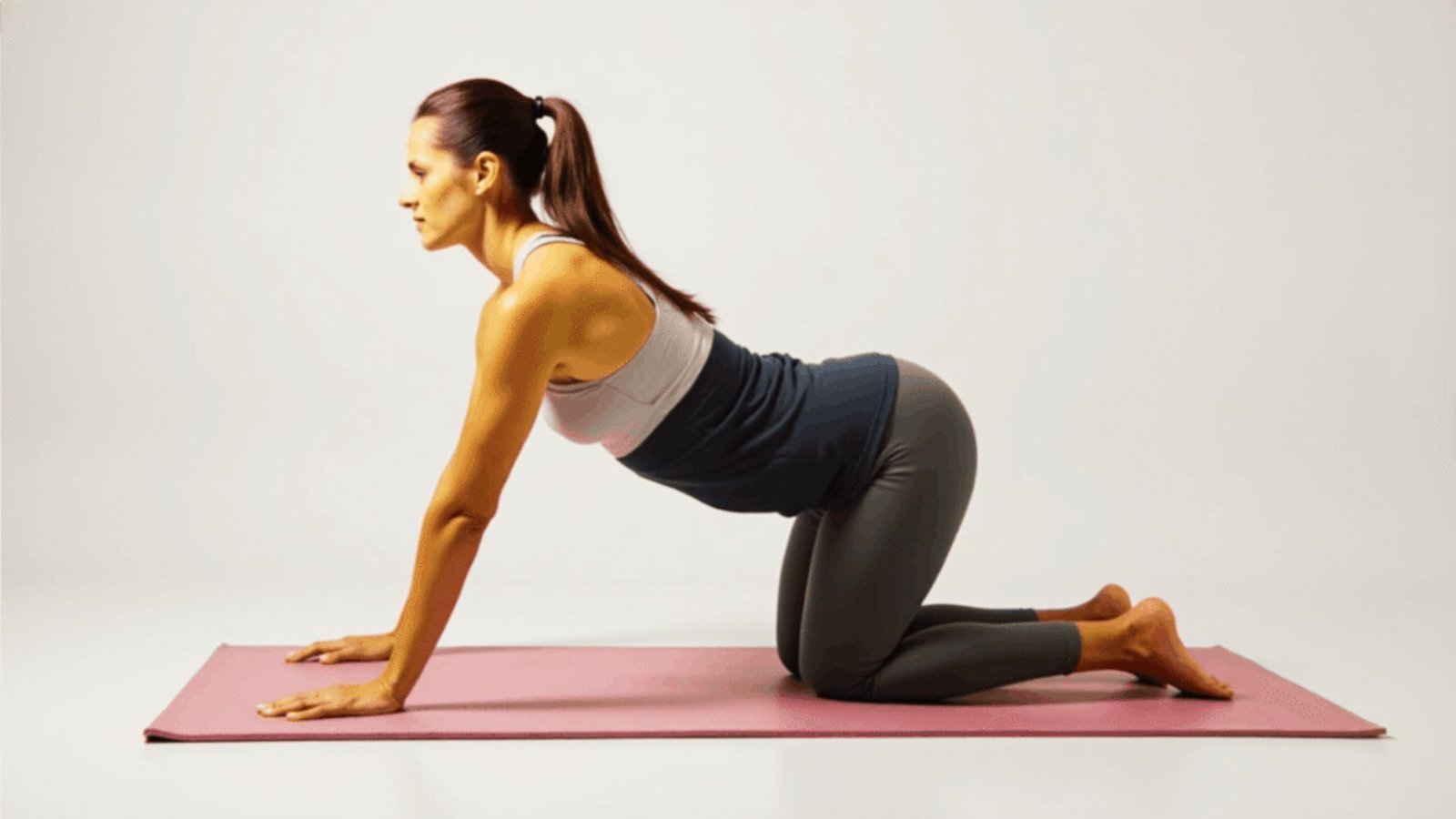
These exercises do more than fix slouching. They build real strength that supports your whole upper body and makes daily movement easier.
Improves Posture
Regular practice trains your body to hold a straighter position without thinking about it. Your shoulders naturally sit back instead of rolling forward throughout the day.
Strengthens the Upper Back
This muscle group often stays weak because most workouts focus on the chest and front of the body instead. Consistent training closes that gap.
Increases Shoulder Stability
A stronger upper back supports your shoulder joint from behind. This lowers your risk of injury during lifting, throwing, or reaching movements in sports and daily life.
One EMG study of 35 healthy adults found that scapular-retraction exercises are often prescribed to enhance scapular stabilization, and that changing the shoulder-abduction angle during the exercise shifted upper, middle, and lower trapezius activity.
In plain terms, changing your arm angle during retraction work changes which part of your trapezius does the most work, so mixing angles across your sets can round out your training.
Improves Shoulder Mobility
Moving your shoulder blades through their full range keeps the joint healthy and loose. Stiff, tight shoulders often trace back to muscles that never get worked this way.
Supports Everyday Movements
Carrying groceries, reaching overhead, and even typing all get easier with a stronger upper back. Small daily tasks feel less tiring once these muscles pull their weight.
How Often Should You Do Shoulder Retraction Exercises?
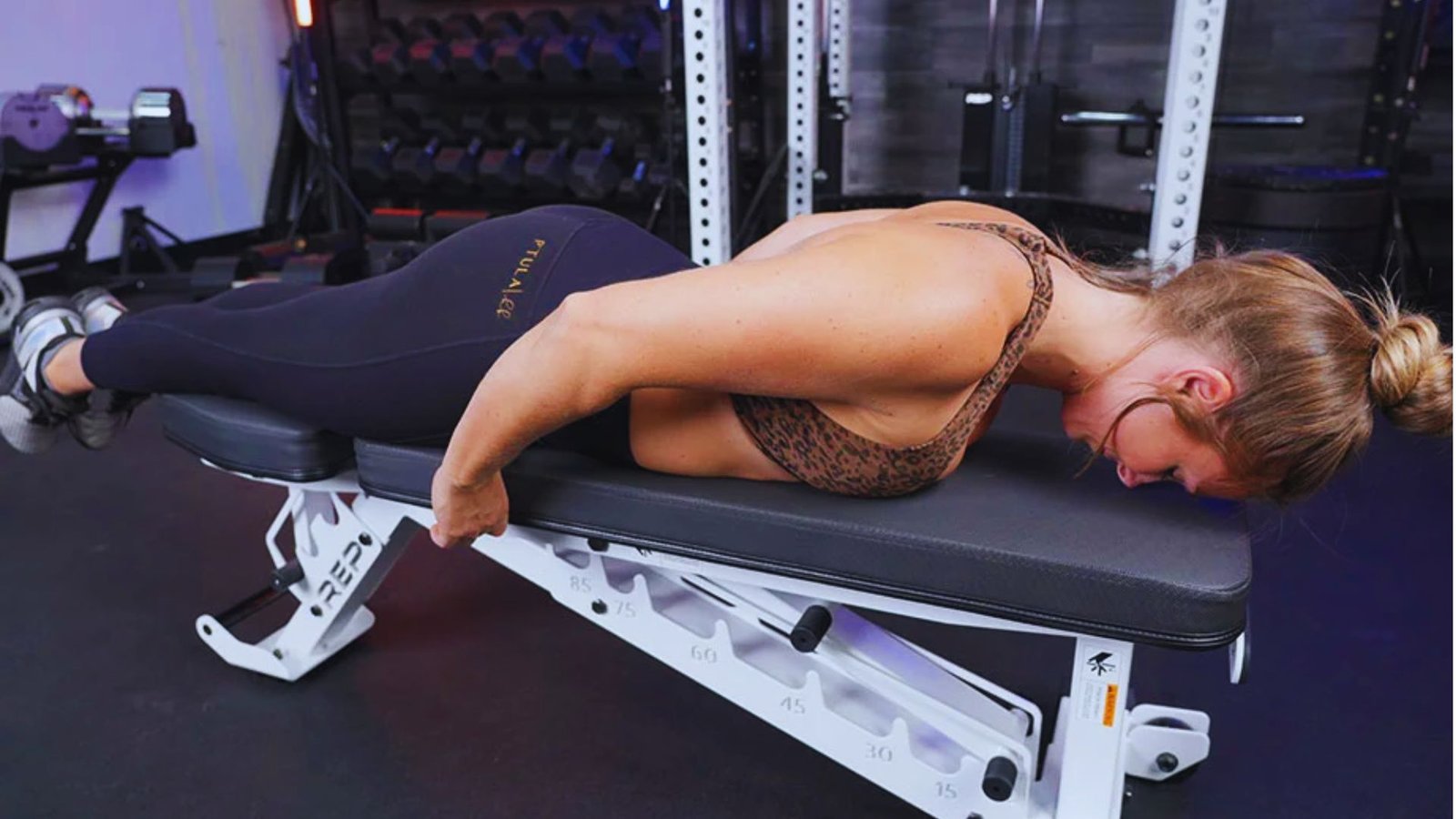
Three to four times a week works well for most people. Give your muscles a day of rest between sessions so they can recover and grow stronger.
If you sit at a desk most of the day, you can also do a few light sets daily as a posture reset. Just listen to your body and back off if you feel soreness that doesn't ease up.
Here's a simple week to follow if you're not sure where to start:
- Monday: Standing retraction, 2 sets of 15, plus wall angels, 2 sets of 12
- Tuesday: Rest, or a few light desk resets between meetings
- Wednesday: Band row and face pulls, 3 sets of 12 each
- Thursday: Rest, or light desk resets
- Friday: Reverse fly and prone Y raise, 3 sets of 12 each
- Saturday: Bent-over dumbbell row and hanging scapular retraction, if you're past the beginner stage
- Sunday: Rest
Beginners should stick to the easier moves (standing retraction, wall angels, seated retraction) for two to three weeks before adding band or dumbbell work. Once your form feels solid, work in the harder variations like face pulls and bent-over rows.
Shoulder Retraction Exercise Tips
Small adjustments make a big difference in how well these exercises work. Keep these tips in mind every time you train.
- Keep your shoulders pulled down, not shrugged up toward your ears, while you squeeze your shoulder blades together
- Move slowly through each rep instead of relying on momentum, and control both the squeeze and the release
- Start light if you're new to this movement, then add weight or band tension once your form feels solid
- Stay within a pain-free range of motion. Some tightness is normal, but sharp pain means you should stop
- Keep your neck relaxed and your ribs down through every rep so your form stays clean from start to finish
If your form still feels off after a few weeks, a physical therapist can check your movement pattern and catch issues you might miss on your own.
Conclusion
I started doing shoulder retraction exercises after years of hunching over my laptop. The first few weeks, wall angels alone were humbling. My shoulder blades barely moved. A month in, the difference in how my back feels by the end of the day still surprises me.
You don't need a gym or fancy gear to start. Just a few minutes, a wall, or a band will do.
Pick one exercise from this list and try it today. Your shoulders will thank you.
Got a favorite move or a question? Drop a comment below. I'd love to hear how it works for you.
Frequently Asked Questions
Can shoulder retraction exercises help with a rounded upper back caused by scoliosis?
They can support muscle balance, but scoliosis needs a doctor or physical therapist to guide treatment. These exercises work as a helpful addition, not a fix on their own.
Is it normal to hear a clicking sound during shoulder retraction moves?
Mild clicking without pain is usually harmless and often comes from tendons shifting over bone. If clicking comes with pain or swelling, stop and check with a doctor.
Can I do shoulder retraction exercises after a shoulder injury or surgery?
Only with clearance from your doctor or physical therapist. Healing tissue needs specific timing and movement limits, so professional guidance keeps your recovery safe and on track.
Do shoulder retraction exercises help reduce tension headaches?
Yes, often. Tight upper back and neck muscles contribute to tension headaches. Strengthening and loosening this area can ease some of that pressure over time.