You might have come across a fitness quiz asking what do barbell curls and dips have in common? It sounds simple, but many people get it wrong.
This article breaks down both exercises, explains the correct answer, and shows you how each one fits into a well-rounded arm workout.
You will learn their differences, similarities, and how to use them together for better results. Understanding these two movements can help you train smarter and avoid common mistakes.
Thousands of lifters have improved their arm strength simply by learning how these exercises complement each other.
Whether your goal is bigger biceps, stronger triceps, or better overall arm development, this guide gives you the clear answers and practical tips you need to move forward with confidence.
What Do Barbell Curls and Dips Have in Common?
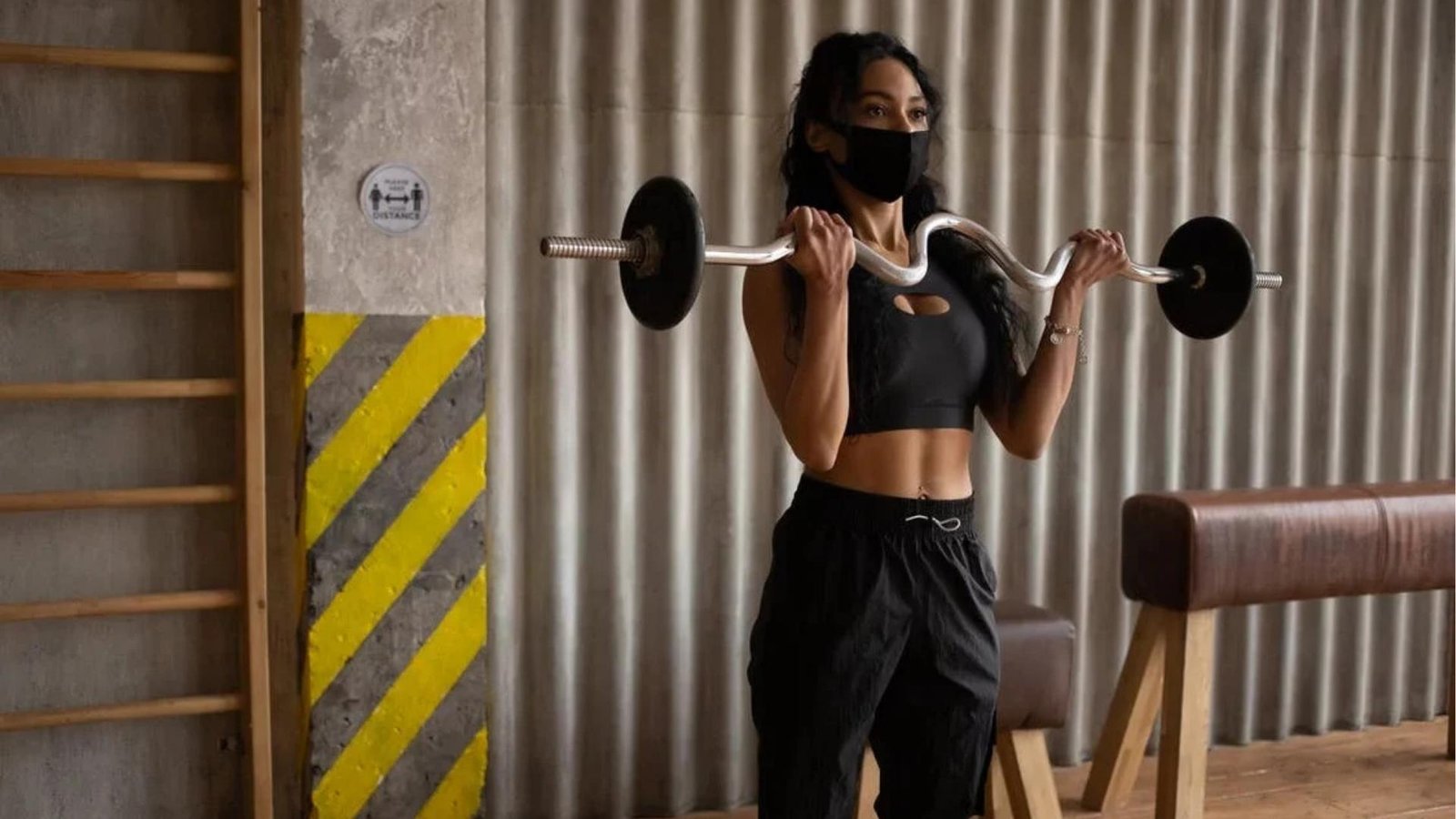
Both exercises target the arms, but they do it in different ways. Understanding what connects them helps you build a smarter workout plan.
The correct answer to the quiz question is that both barbell curls and dips are arm exercises.
If you saw this question on a fitness quiz or health class worksheet, that is the answer you are looking for. They both involve the elbow joint and build arm strength through resistance.
Another key connection is that both are isotonic exercises, meaning your muscles shorten and contract through the movement under load.
Barbell curls target the biceps, which sit on the front of the upper arm. Dips target the triceps, which sit on the back of the upper arm.
Both muscles are part of the arm, and that shared location is what makes "arm exercises" the right answer, even though they train completely different muscle groups.
Barbell Curls vs Dips Main Differences
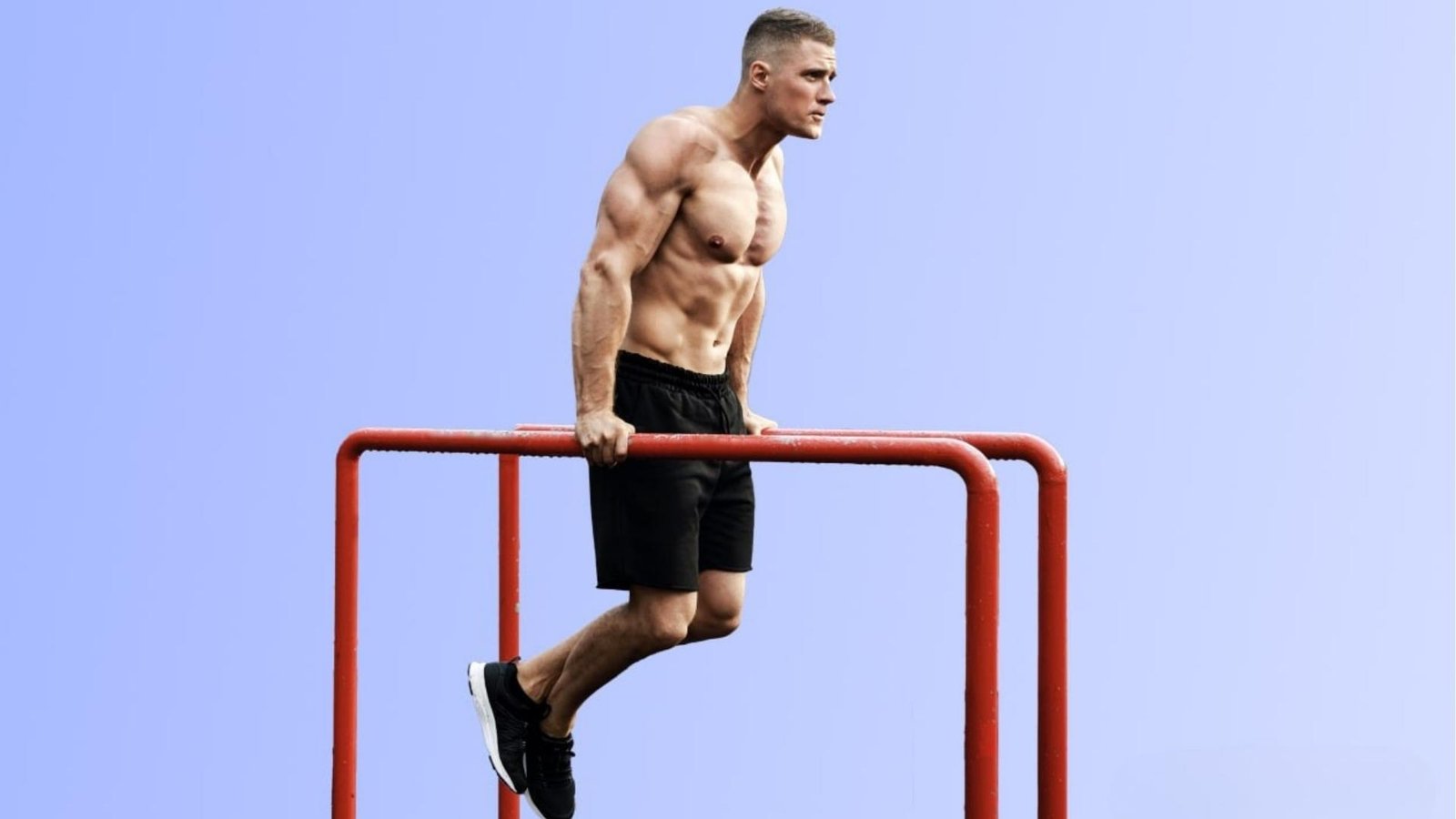
While both are arm exercises, they work very differently. Knowing these differences helps you choose the right one for your goals.
| Comparison | Barbell Curls | Dips |
| Exercise Type | Isolation exercise that mainly targets the biceps with minimal assistance from other muscles. | Compound exercise that works the triceps, chest, and shoulders together. |
| Exercise Classification | Isotonic exercise using external resistance (barbell weight) to create muscle tension. | Isotonic exercise using bodyweight resistance that can be increased with a dip belt over time. |
| Primary Muscle Focus | Focuses on the biceps brachii, with the brachialis and brachioradialis (flexor group) also doing work. | Focuses on the triceps, helping build the back of the upper arm while also engaging the chest and shoulders. |
| Secondary Muscles | Also engages the forearms and builds grip strength as a secondary benefit. | Also engages the forearms, chest, and front shoulders to a lesser degree. |
| Movement Pattern | Uses a pulling movement based on elbow flexion, bringing the weight toward the body. | Uses a pushing movement based on elbow extension, pushing the body away from the bars or bench. |
| Equipment and Setup | Requires a barbell and weight plates. An EZ-curl bar can also be used for better wrist comfort. | Requires parallel bars, a dip station, a bench, or a power tower. Extra resistance can be added with a dip belt. |
| Muscle Growth Outcome | Drives muscle hypertrophy in the biceps and upper arm through progressive overload. | Drives muscle hypertrophy in the triceps, which make up about two-thirds of upper arm size. |
Understanding Barbell Curls and Dips
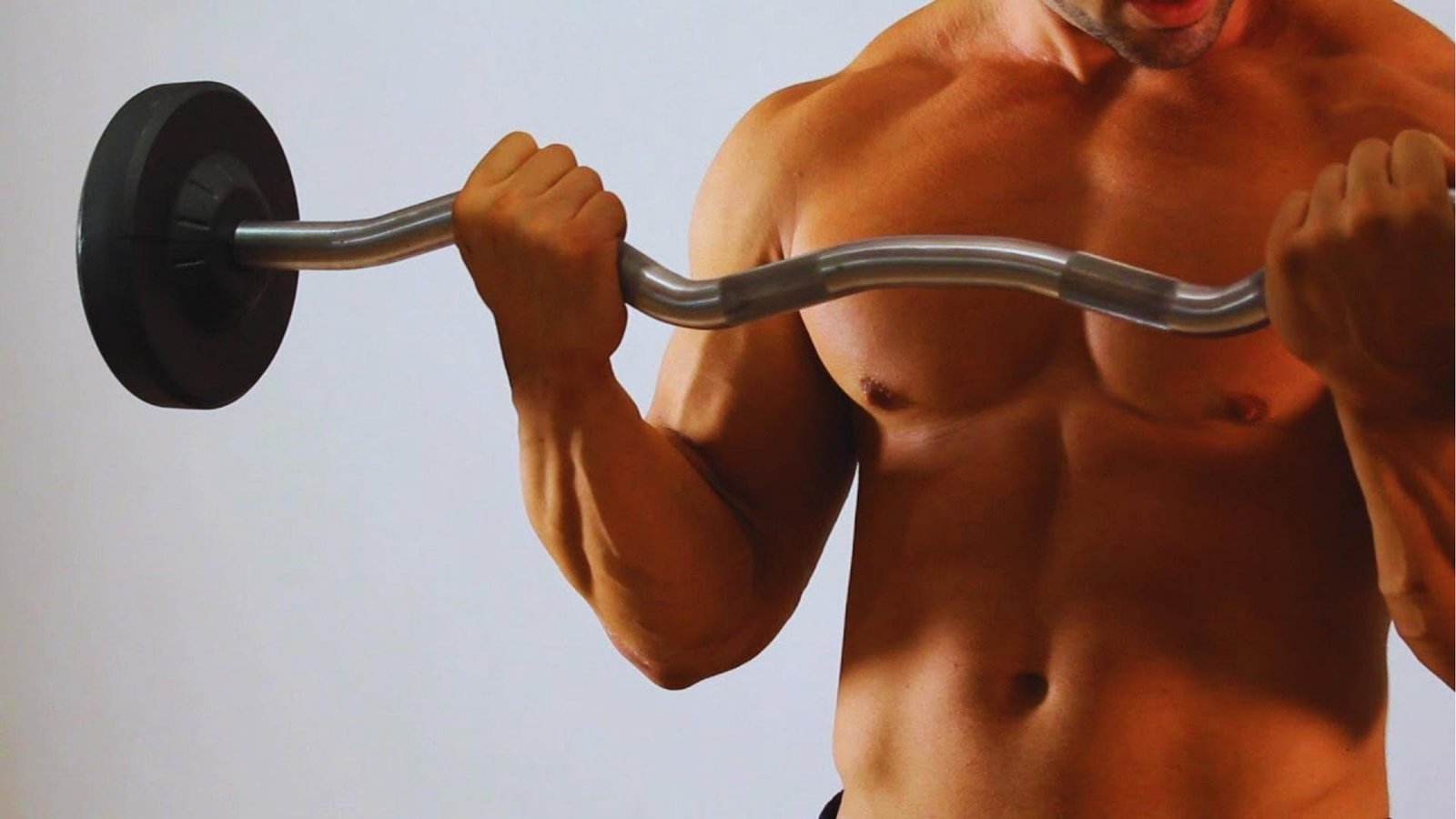
These two exercises look nothing alike, but they both play an important role in upper-body training. Here is what each one actually does.
What Barbell Curls Are Designed to Train
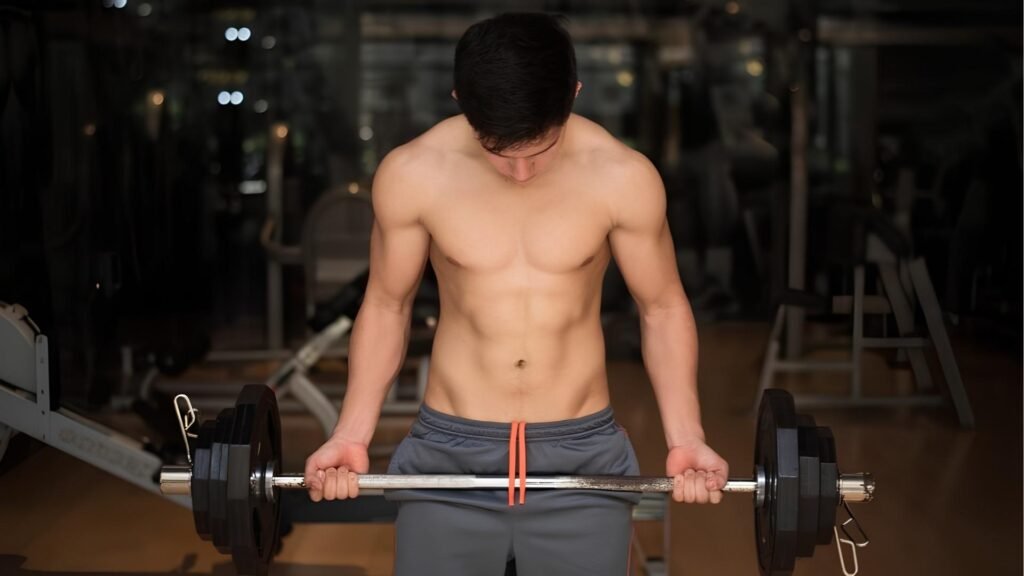
Barbell curls are designed to train the biceps brachii. This is the muscle on the front of your upper arm.
The movement also works the brachialis and brachioradialis, which are smaller muscles that support elbow flexion.
The brachialis sits underneath the biceps and adds thickness to the upper arm when developed.
Curls also build grip strength as a secondary benefit, since your hands must hold the bar tight throughout every rep.
You hold a barbell with both hands, palms facing up, and curl it toward your shoulders. The goal is to flex the elbow fully against resistance.
What Dips Are Designed to Train
Dips are designed to train the triceps brachii. This is the large muscle on the back of your upper arm.
Dips also work the chest and front shoulders to some degree, but the triceps do most of the work.
You push your body up between two parallel bars or off a bench using your arms. The goal is to extend the elbow against your body weight.
Why These Exercises Are Often Paired in Upper-Body Workouts
Lifters often pair curls and dips because they train opposite muscle groups. This is called an antagonist superset.
Training the biceps and triceps together in the same session allows one muscle to rest while the other works.
It saves time, keeps the arms balanced, and can lead to better muscle development over time.
The Similarities That Matter Most
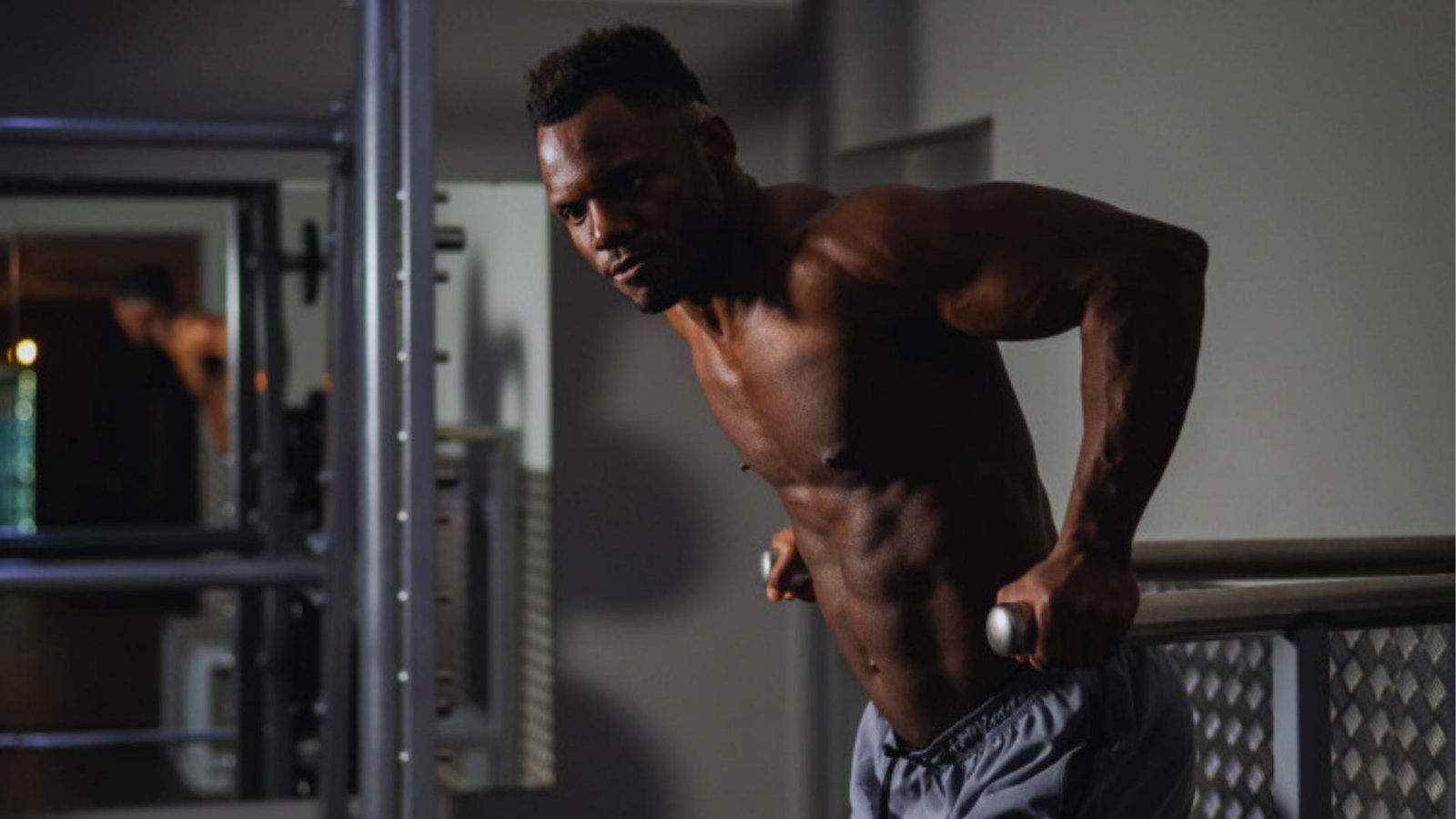
Despite their differences, these two exercises share several important qualities that make them both worth including in your routine.
Both Train the Arms and Upper Body
This is the core similarity. Barbell curls work the upper arm from the front. Dips work the upper arm from the back. Together, they cover the full arm.
Both exercises also engage the forearm muscles to some degree, and both involve the shoulder and elbow joints, making them relevant for anyone focused on upper-body development.
Both Improve Strength Through Resistance Training
Curls use external resistance, meaning the weight of the barbell. Dips use bodyweight resistance, though you can add weight over time.
In both cases, your muscles are working against a load. This is what creates the tension needed for strength gains and muscle hypertrophy.
Both Use a Full Range of Motion at the Elbow Joint
Good form for both exercises requires a full range of motion at the elbow. For curls, that means fully extending the arm at the bottom and fully flexing at the top.
For dips, that means lowering until the upper arms are parallel to the ground and pressing all the way up. Cutting the range of motion short limits your results.
Both Can Be Progressed as Strength Increases
Neither exercise has a ceiling. With barbell curls, you add more weight to the bar. With dips, you can add a weight belt or hold a dumbbell between your feet.
Both respond well to progressive overload, which is the gradual increase in resistance over time. This is how you keep making progress month after month.
Which Exercise Should You Choose?

The right exercise depends on your goal. Here is a simple breakdown to help you decide.
Best for Building Bigger Biceps
If your main goal is bigger biceps, barbell curls are the better choice. They isolate the muscle directly and allow you to load it with heavy weight.
Focus on controlled reps and a full range of motion for the best results.
Best for Developing Stronger Triceps
If you want stronger triceps, dips are one of the best exercises you can do. They load the triceps through a long range of motion and allow heavy loading over time.
Triceps are responsible for about two-thirds of your upper arm size, so this is worth prioritizing.
Best Option for Overall Upper-Body Strength
If you want overall upper-body strength, dips have an edge because they are a compound movement. They work multiple muscles at once and build functional pushing strength.
Adding them to a pressing routine can improve your bench press and overhead press as well.
When Combining Both Exercises Is the Smarter Choice
For most people, combining both is the right move. Training the biceps and triceps together creates balanced arm development.
Skipping one in favor of the other leads to muscle imbalances, which can hurt performance and increase injury risk over time.
Common Mistakes and Misconceptions
A lot of people get these exercises wrong, even after years of training. These are the most common errors to watch for.
Confusing Dips With a Biceps Exercise
Some beginners think dips train the biceps because they feel effort in their arms. But dips are a triceps and pushing exercise.
The confusion usually comes from not understanding which muscles are working during a push versus a pull. Dips will not grow your biceps in any meaningful way.
Assuming Both Exercises Use Free Weights in the Same Way
Barbell curls are a classic free weight exercise. Dips are a bodyweight movement by default. They are not the same type of exercise in terms of loading.
While you can add weight to dips, they require a different setup and feel very different under load compared to holding a barbell.
Using Excessive Weight or Poor Form
Going too heavy on curls leads to swinging and back involvement. Going too heavy on dips leads to shoulder stress and incomplete reps.
Both mistakes reduce how much the target muscles actually work. Lighter weight with strict form always produces better long-term results than heavy weight with sloppy technique.
Neglecting Shoulder and Elbow Positioning
In curls, the elbows should stay tucked at the sides and not swing forward. In dips, the shoulders should stay packed down and back to avoid excessive shoulder strain.
Poor positioning in either exercise shifts stress to the wrong muscles and increases the chance of joint irritation over time.
Tips for Better Results With Barbell Curls and Dips
Small adjustments in how you perform these exercises can make a big difference in your results.
- Use controlled reps by slowing down the lowering phase in both curls and dips. Taking two to three seconds down keeps muscles under tension longer and reduces injury risk.
- Keep elbows close to your sides during curls and tracking in a stable line during dips. Proper elbow position ensures the right muscles are working and protects your joints.
- Add small amounts of weight every one to two weeks. Even two and a half pounds added consistently makes a meaningful difference in strength over several months.
- Pair curls and dips in the same workout or weekly program. Training push and pull together keeps your arms balanced and prevents overuse injuries over time.
- Avoid bouncing at the bottom of dips or swinging during curls. Momentum takes work away from the target muscles and slows down your long-term progress significantly.
Conclusion
So, what do barbell curls and dips have in common? They are both isotonic arm exercises that build upper-body strength through resistance and a full range of elbow motion.
Curls use elbow flexion to target the biceps while dips use elbow extension to hit the triceps, making them a strong pair for balanced arm development.
Now that you know how they work and what connects them, try adding both to your next workout. See how your arms respond when you train them from both sides.
If this helped you, drop a comment below or share it with someone who is working on their arm training.
Frequently Asked Questions
Can dips replace barbell curls in an arm workout?
No, they cannot. Dips train the triceps while curls train the biceps. They serve completely different purposes and should both be included.
Do barbell curls help with push-up performance?
Not directly. Push-ups are a pushing movement that targets the triceps and chest, while curls only train the biceps through pulling.
How many sets of each exercise should a beginner do?
Beginners typically do well with two to three sets of eight to twelve reps for each exercise per session, with proper rest between sets.
Is it safe to do barbell curls and dips on the same day?
Yes, it is safe and actually beneficial. Training opposing muscle groups like biceps and triceps on the same day supports balance and recovery.
Can you build arm muscle with just these two exercises?
These two exercises cover the main arm muscles well, but adding variety over time produces more complete development and prevents training plateaus.