If you've been asking how many calories does Pilates burn, you're not alone.
If you're trying to lose weight, stay active, or compare Pilates with other workouts, knowing what to expect can help you make better fitness choices.
In this guide, you'll learn how calorie burn changes based on your body weight, workout style, session length, and intensity.
I'll also compare different types of Pilates, look at what the research says, and share simple ways to increase your calorie burn.
My goal is to give you realistic, easy-to-understand information you can use with confidence.
I create fitness guides based on practical, well-supported advice you can trust. If I were measuring progress, I'd look beyond calories because consistency usually matters the most.
How Many Calories Does Pilates Burn?
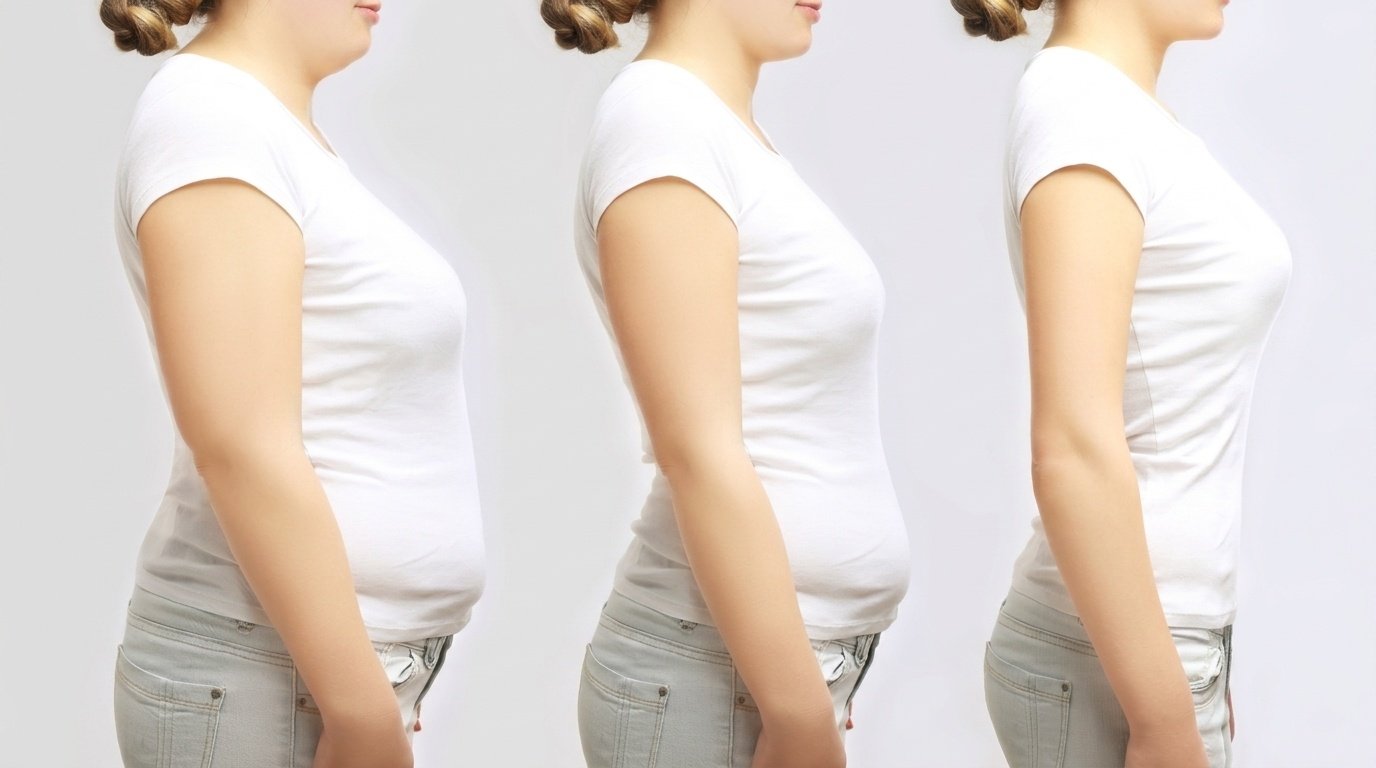
The answer to how many calories does Pilates burn depends on several factors, including your body weight, the type of Pilates you do, the intensity of the workout, and the length of your session.
In general, a 30-minute Pilates workout burns about 100 to 200 calories, while a 60-minute session burns roughly 200 to 400 calories. Gentle classes usually burn fewer calories, while faster-paced or more challenging sessions increase energy use.
These figures aren't guesses. They come from a measure called MET, short for Metabolic Equivalent of Task, which rates how much energy an activity uses compared with sitting still.
Pilates carries a MET value of 3.0, which places it in the moderate-intensity range, similar to a brisk walk. Cycling at a fast pace, by comparison, sits closer to 10.
Although Pilates may not burn as many calories as running or high-intensity workouts, it helps build strength, improve posture, increase flexibility, and support long-term fitness.
Rather than focusing only on calorie burn, think about the overall health benefits and how Pilates fits into a balanced exercise routine.
How the Calorie Math Actually Works
If you want to estimate your own number rather than use a range, the standard formula is straightforward:
Calories per minute = (MET × body weight in kg × 3.5) ÷ 200
Using the Pilates MET value of 3.0, a 180-pound person (about 81.6 kg) burns roughly 4.3 calories per minute, or about 257 calories in an hour.
Worth knowing:the researchers who maintain the MET database are upfront that these values don't account for differences in body composition, age, sex, movement efficiency, or environment.
Two people at the same weight doing the same class can land far apart. Treat any calculator output as a starting estimate, not a measurement.
Calories Burned by Pilates Type
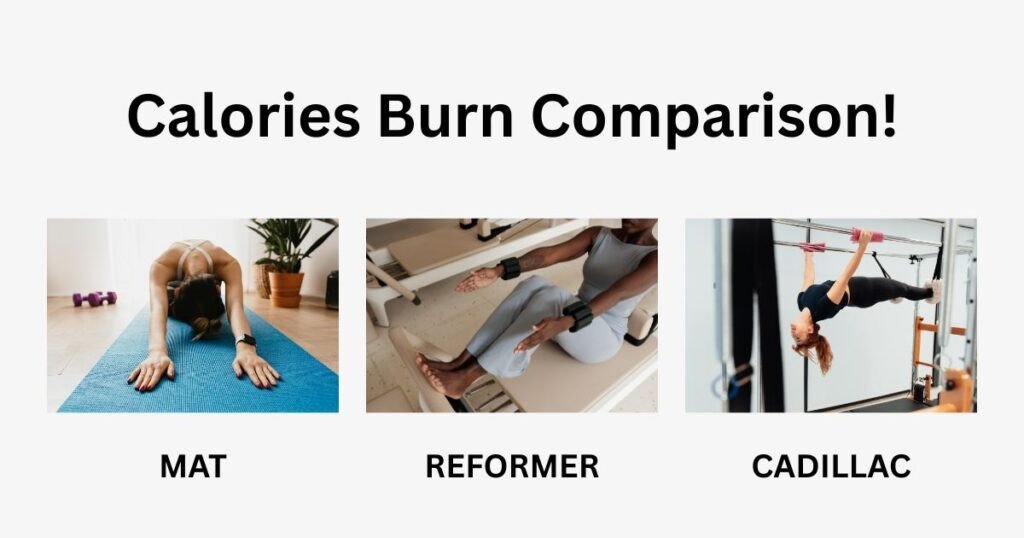
Not all Pilates workouts burn the same number of calories. The style you choose, the pace of the class, and how much effort you put into each movement all play a role.
While these estimates are approximate, they can help you understand what to expect from different types of Pilates.
Mat Pilates
Mat Pilates is one of the most common styles and focuses on bodyweight exercises performed on a mat. It takes a slower, more foundational approach centred on awareness, alignment, and control.
A 60-minute session typically burns around 170 to 250 calories, depending on your body weight and workout intensity.
Reformer Pilates
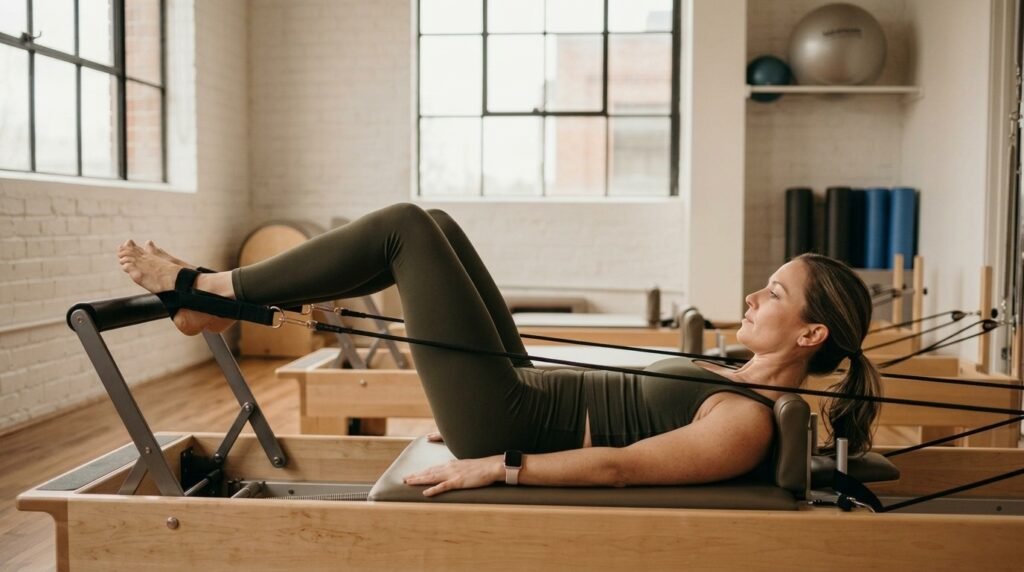
Reformer Pilates uses a specialized machine with springs and a sliding platform that adds resistance and variety to each exercise.
Because it engages several muscle groups at once and uses quicker transitions, a 60-minute session may burn approximately 220 to 400 calories.
High-intensity reformer formats at boutique studios often claim 300 to 500 calories in a 45-minute class, though that upper figure depends heavily on effort and how much cardio the format includes.
Power Pilates
Power Pilates is a faster-paced, higher-intensity version of traditional Pilates. With fewer rest periods and more challenging movements, a 60-minute class can burn about 300 to 450 calories.
This format matches what researchers call a non-traditional structure, which measurably raises energy output.
Clinical or Gentle Pilates
Clinical or gentle Pilates is designed for beginners, older adults, or people recovering from injury.
The slower pace and longer rests mean a 60-minute session generally burns around 150 to 250 calories.
Hot Pilates
Hot Pilates combines Pilates exercises with a heated room, which may make the workout feel more demanding.
Depending on the intensity, a 60-minute class can burn approximately 250 to 450 calories, although individual results vary.
Keep in mind that a higher heart rate from heat doesn't always mean proportionally more calories burned.
What the Research Says
A 2020 study by Almeida and colleagues compared three different Pilates session formats and found the structure of the class mattered more than the style name on the schedule. Traditional sessions with low volume and long rest periods produced the lowest calorie burn.
Non-traditional formats with higher volume and short rests significantly increased total energy expenditure, heart rate, and oxygen consumption. Even so, the overall burn stayed modest compared with aerobic training in every format tested.
Other research fills in the rest of the picture. Rayes and colleagues in 2019 found that Pilates delivers substantial gains in flexibility, posture, and core strength even though it trails aerobic exercise on calories alone.
DeSimone in 2016 linked Pilates to weight management through indirect routes: better muscle tone, improved mental wellbeing, and stronger body awareness that helps people stick with exercise long term.
The practical takeaway is simple. If calorie burn is your goal, choose classes with shorter rests and higher volume rather than assuming one style always beats another.
Calories Burned by Body Weight
Your body weight is one of the biggest factors that affects how many calories does Pilates burn. In general, people with a higher body weight burn more calories because their bodies require more energy to perform the same movements.
The estimates below are averages for a moderate-intensity Pilates workout and may vary depending on your effort, fitness level, and the type of Pilates you choose.
| Body Weight | 30 Minutes | 60 Minutes |
| 125 lb (57 kg) | 100 to 140 calories | 200 to 280 calories |
| 155 lb (70 kg) | 120 to 170 calories | 240 to 340 calories |
| 185 lb (84 kg) | 140 to 200 calories | 280 to 400 calories |
| 215 lb (98 kg) | 160 to 230 calories | 320 to 460 calories |
Remember: These are general estimates, not exact values. The actual number of calories you burn depends on your workout intensity, the Pilates style, your muscle mass, and how consistently you keep moving throughout the session.
Factors That Affect Pilates Calorie Burn
Several factors influence how many calories does Pilates burn. Two people can complete the same class and burn different amounts of calories because their bodies and workout intensity are different.
Understanding these factors helps you set realistic expectations and focus on overall progress instead of a single number.
Body Weight
People with a higher body weight generally burn more calories because their bodies use more energy to perform the same movements.
This is why body weight sits directly in the MET formula. However, it is only one part of the equation.
Workout Structure
This is the factor most people overlook. Research shows that high-repetition, low-rest formats increase total energy output more than the style label does.
A mat class run as a continuous flow can outburn a reformer class with long pauses between exercises.
Workout Intensity
A slow, beginner-friendly session burns fewer calories than a fast-paced or advanced Pilates class. Moving with purpose and keeping good form can increase your energy expenditure.
Session Length
The longer you exercise, the more calories you are likely to burn. A 60-minute Pilates class typically burns about twice as many calories as a 30-minute session when performed at a similar intensity.
Exercise Selection
Movements that involve large muscle groups or challenge your balance demand more energy than small, isolated ones.
A class built around full-body sequences will outburn one focused on small core work.
Fitness Level
As your fitness improves, your body becomes more efficient during exercise. Beginners often burn more at first simply because their bodies are still learning the movements.
Advanced practitioners need to add intensity to keep their output where it was.
Muscle Mass
Muscle tissue requires more energy than fat tissue, even at rest.
Building lean muscle through regular Pilates and strength training gradually raises your basal metabolic rate (BMR), which is the number of calories your body uses just to keep running.
That effect is small per session but adds up over months.
Does Pilates Help With Weight Loss?
Pilates can support weight loss when combined with healthy eating habits and a consistent exercise routine.
- Supports a Calorie Deficit: Burning calories through Pilates can contribute to weight loss when you consume fewer calories than you burn.
- Builds Lean Muscle: Pilates helps develop lean muscle, which supports strength and can gradually raise your resting metabolic rate.
- Encourages Consistency: Low-impact workouts are easier for many people to stick with, and research links that adherence directly to better long-term weight control.
- Improves Body Composition: Regular Pilates can help tone muscles and improve posture while reducing body fat over time.
- Supports Better Choices: Studies suggest the mental wellbeing and body awareness that come with regular practice lead to healthier lifestyle decisions overall.
- Works Well With Good Nutrition: Pairing Pilates with balanced eating habits often leads to better weight management than exercise alone.
- Delivers More Than Calorie Burn: Along with supporting weight loss, Pilates improves flexibility, balance, core strength, and overall movement quality.
How to Burn More Calories During Pilates
Small changes to your routine can increase how many calories does Pilates burn without making your workouts overly complicated.
The goal is to move with intention, challenge your muscles, and stay consistent over time.
Increase Workout Intensity
Perform exercises with more control and add advanced movements as your strength improves. A higher-intensity session generally burns more calories.
Minimize Rest Time
Keep breaks between exercises short to maintain your heart rate. This is the change with the strongest research behind it, since low-rest formats measurably raise energy expenditure.
Increase Volume
Add more repetitions or extra sequences to your session rather than only adding weight. More total work means more total energy used.
Add Resistance
Use resistance bands, therabands, light weights, a ball, or a reformer machine to make exercises more challenging. Extra resistance increases muscle engagement and calorie burn.
Move in Continuous Flow
Link exercises together instead of stopping between each one. Staying in motion keeps your heart rate elevated across the whole session rather than letting it drop repeatedly.
Stay Consistent
Beginners do well with two to three sessions per week, while more experienced practitioners often benefit from three to five, depending on their goals. Regular workouts provide better long-term results than occasional high-effort sessions.
Combine Pilates With Walking or Cardio
Pair Pilates with activities like brisk walking, cycling, or swimming to increase your total daily calorie burn while improving overall fitness.
Pilates vs Other Exercises for Calorie Burn
Every workout has different benefits, and calorie burn varies depending on the activity, intensity, and your body weight.
| Exercise | Average Calories Burned (60 Minutes) | Best For |
| Yoga | 150 to 250 calories | Flexibility, balance, relaxation, and mobility |
| Pilates (Mat) | 170 to 250 calories | Core strength, alignment, and muscle control |
| Pilates (Reformer) | 220 to 400 calories | Full-body sculpting with added resistance |
| Strength Training | 180 to 360 calories | Building muscle and increasing strength |
| Walking (Brisk) | 240 to 400 calories | Low-impact cardio and daily activity |
| Elliptical | 300 to 500 calories | Low-impact cardio, mostly lower body |
| Rowing | 400 to 600 calories | Total-body cardio and endurance |
| Spin or HIIT | 400 to 700 calories | High calorie burn in shorter sessions |
| Running | 500 to 800 calories | Highest calorie burn and cardiovascular fitness |
Higher on this list doesn't mean better. Running and HIIT burn more per hour but carry more joint stress and a higher risk of overuse injury, which makes them harder to sustain.
Pilates trades peak burn for something you can do several times a week for years.
Common Mistakes That Reduce Calorie Burn
Avoiding these common mistakes can help you get more out of every Pilates session and improve your overall results.
- Taking Long Breaks: Long rest periods lower your heart rate and reduce the total calories burned during your workout.
- Poor Exercise Form: Incorrect technique limits muscle engagement and makes each movement less effective.
- Low Workout Intensity: Moving too slowly or without enough effort can reduce the energy you use throughout the session.
- Trusting Your Tracker Too Much: Wearables and calculators both estimate rather than measure, and MET-based figures don't adjust for your individual efficiency. Use the number as a rough guide.
- Inconsistent Workouts: Doing Pilates only occasionally makes it harder to build strength, improve fitness, and increase calorie burn over time.
- Ignoring Nutrition: Exercise alone is only part of the picture. Balanced eating habits play an important role in supporting your fitness and weight goals.
- Skipping Warm-Up and Cool-Down: Preparing your body before exercise and recovering afterward helps you perform better and stay consistent with your routine.
Conclusion
I hope this guide has answered your question about how many calories does Pilates burn and helped you set realistic expectations.
If I were choosing a workout, I'd focus on how Pilates makes me feel stronger and more consistent rather than watching the calorie count after every session.
Those small improvements add up over time. Keep moving, stay patient, and enjoy the process.
If you found this guide helpful, leave a comment, share it with a friend, or try our other fitness articles.
Frequently Asked Questions
How many calories does 30 minutes of Pilates burn?
A 30-minute Pilates session typically burns 100 to 200 calories, depending on your body weight, workout style, and intensity. Using the MET formula, a 155-pound person burns roughly 110 calories in that time at moderate intensity.
Is Pilates good for losing belly fat?
Pilates can support overall fat loss when combined with a balanced diet and regular exercise. It also strengthens your core and improves muscle tone, though no exercise burns fat from one specific area.
Do Reformer Pilates burn more calories than Mat Pilates?
In most cases, yes. Reformer Pilates adds spring resistance and quicker transitions that engage more muscle groups. That said, research suggests class structure matters more than equipment, so a fast mat class with little rest can outburn a slow reformer session.
Is Pilates considered cardio?
Traditional Pilates is not a cardio workout. Its MET value of 3.0 places it at moderate intensity, similar to a brisk walk. Faster-paced formats can raise your heart rate enough to provide some cardiovascular benefit.
Can I lose weight doing Pilates every day?
Daily Pilates may support weight loss if it helps you stay active and maintain a calorie deficit. Rest, recovery, and good nutrition are also important, and mixing in some higher-intensity or cardio work usually speeds results.
Is Pilates enough exercise on its own?
For many people, Pilates is an excellent way to improve strength, flexibility, and balance. Combining it with cardio and strength training can provide even greater overall fitness benefits.